REVIEW · CITY TOURS
Santo Domingo: Private City Tour walking
Book on GetYourGuide →Operated by Whale Punta Cana · Bookable on GetYourGuide
Santo Domingo moves fast, even on foot.
This private walking tour threads you through Zona Colonial, Santo Domingo’s historic core, where you’ll see major colonial landmarks and hear how the city helped shape the early New World. The route is built for people who want more than photos, with time for streets, squares, and real street-level impressions of daily Dominican life.
I love how the tour bundles the big-name sights with the small details that make them human. Calle Las Damas—the first cobblestone street—gives you that instant, old-world feel, and the Fortress Ozama delivers wide views over the Ozama River that are easy to appreciate even if you’re not a “history person.”
One thing to consider: this is still a walking tour. You’ll be on your feet for about 3 hours, and it’s not recommended for pregnant women or children under 2, even if it is wheelchair accessible.
In This Review
- Quick takeaways before you go
- Old Santo Domingo on foot: UNESCO streets you can actually feel
- The first Cathedral and the power of early institutions
- Calle Las Damas: cobblestones, close-up photos, and a street that still works
- Fortress Ozama: river views that reset your brain
- National Panteon and the museum mix: culture without bottleneck lines
- Palace of Justice and the civic side of the colonial city
- First hospital, shipyard, and viceregal palace: why the details matter
- How the private format keeps the tour fun (not just educational)
- Value check: is $55 per person worth it?
- Who should book this Santo Domingo walking tour?
- Should you book this tour?
- FAQ
- How long is the Santo Domingo private walking tour?
- How much does the tour cost?
- What’s included in the price?
- Are the museums included, or do I pay extra?
- What languages is the live guide available in?
- Is the tour wheelchair accessible?
- Is it a private group tour?
- Who shouldn’t take this tour?
Quick takeaways before you go
- UNESCO Zona Colonial on foot: major sites tied to early Spanish rule and institutions in the Americas.
- Fortress Ozama viewpoints: the Ozama River views are a highlight for photos and perspective.
- Calle Las Damas cobblestones: the kind of street where you slow down without trying.
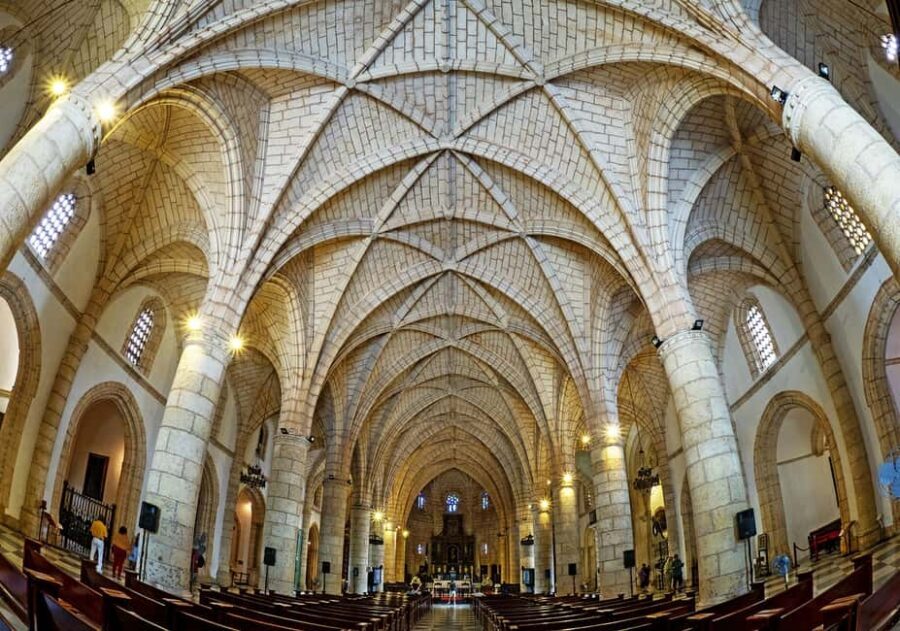
- Ticketed inside stops included: cathedral, Fortress Ozama, national Panteon, plus Museo del Mar and Museo del Ron.
- Private group, live guide: get your questions answered in Spanish, English, or French (and guides like Sr Duran are known for keeping it engaging).
Old Santo Domingo on foot: UNESCO streets you can actually feel
Santo Domingo is where the European story in the Caribbean really starts to show its shape. This tour is designed to help you see that in context, not as a list of dates. You begin in the historic colonial area, a UNESCO World Heritage Site, and you walk through the kind of neighborhood where the city’s past still sits in the layout of streets and public buildings.
What makes this approach work is the pacing. A private walking tour lets you slow down at the points that matter to you, whether that’s the religious sites tied to the earliest church leadership or the civic buildings tied to early governance. And because the route includes both famous landmarks and less “headline” stops, you get a clearer picture of what life in the colonial city probably looked like beyond postcards.
Also: the tour is built around “firsts.” You’ll hear about where the first Cathedral was built, where the first bishop was sanctified, where the first governor resided, and where the first hospital opened. That might sound like trivia—until you’re standing in the area and realizing these weren’t just ceremonial landmarks. They were the backbone of how the city functioned.
You can also read our reviews of more walking tours in Santo Domingo
The first Cathedral and the power of early institutions
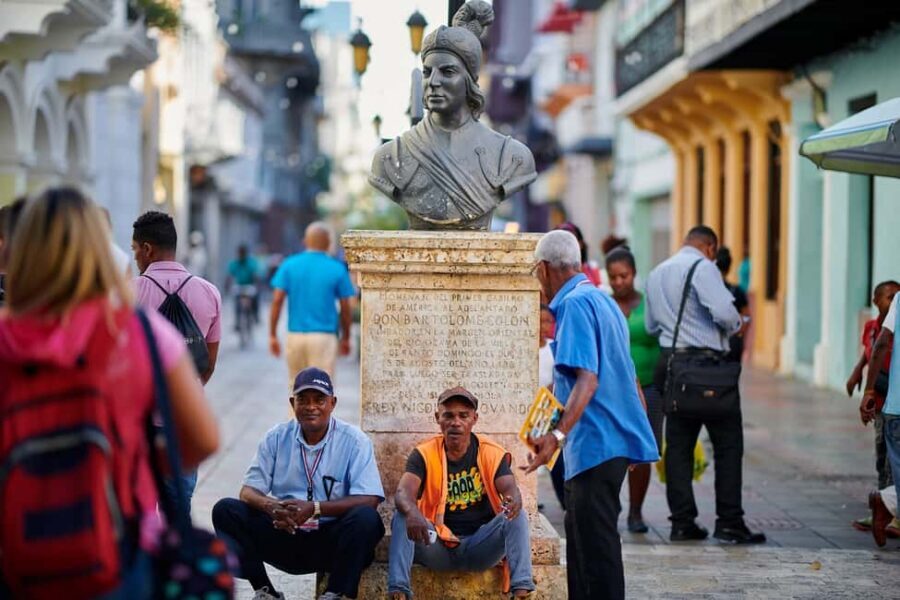
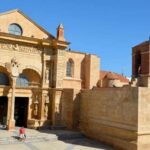
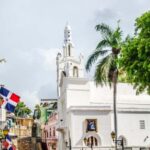
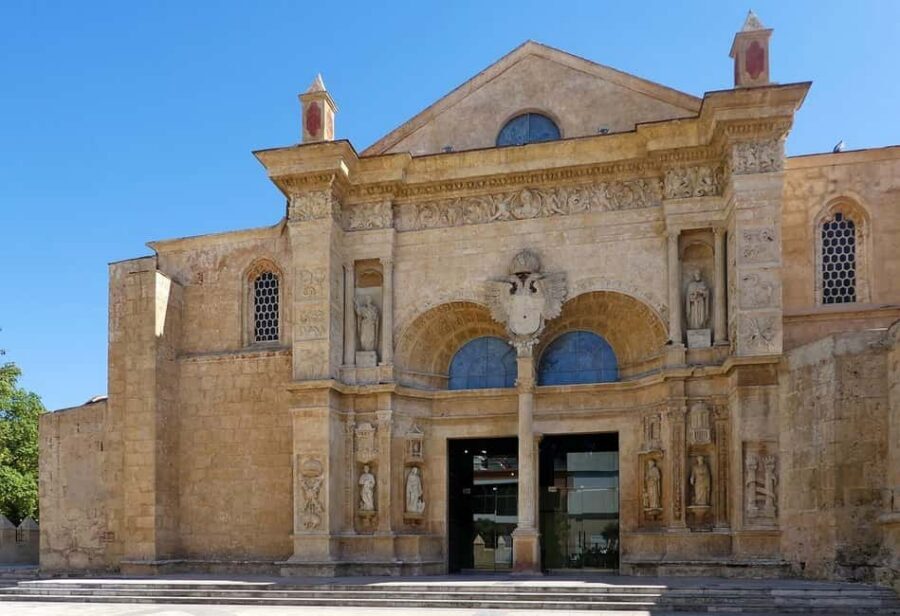
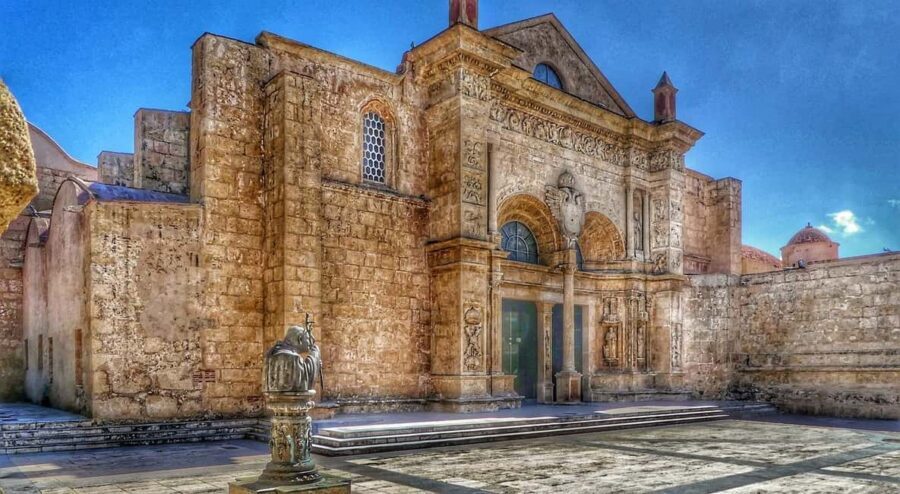
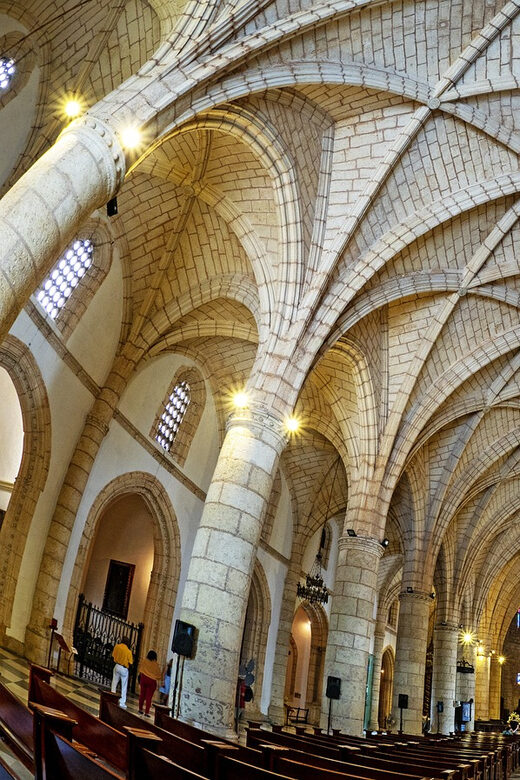
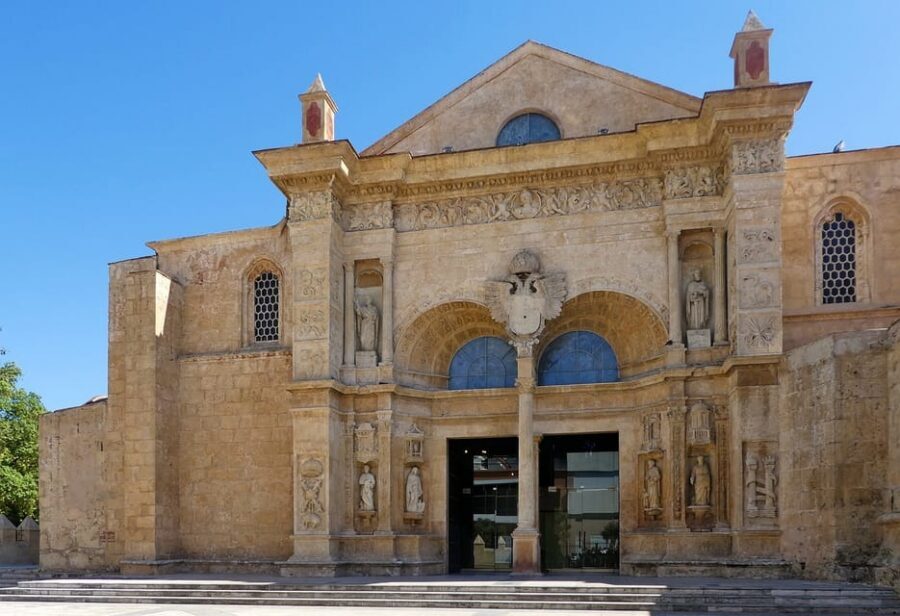
One of the key stops is the first Cathedral—one of those places where you can feel the gravity without needing a lecture. On this tour, the Cathedral isn’t treated like a museum prop. It’s introduced as a foundational institution: the spiritual center and a marker of how the city organized itself.
You’ll also get entry tickets to the Cathedral, so you’re not stuck with the awkward “maybe we’ll see inside” part of sightseeing. That matters because older religious buildings often communicate through details—layout, materials, and how spaces were designed for people gathering. Even if you’re not chasing architecture, you’ll likely pick up the sense that these buildings were made to last and to hold authority.
If you like your history grounded in real-world decisions—who led, where people met, how the city ran—this is exactly the kind of stop that delivers. The best payoff is when your guide connects the site to the city’s early roles, not just dates.
Calle Las Damas: cobblestones, close-up photos, and a street that still works
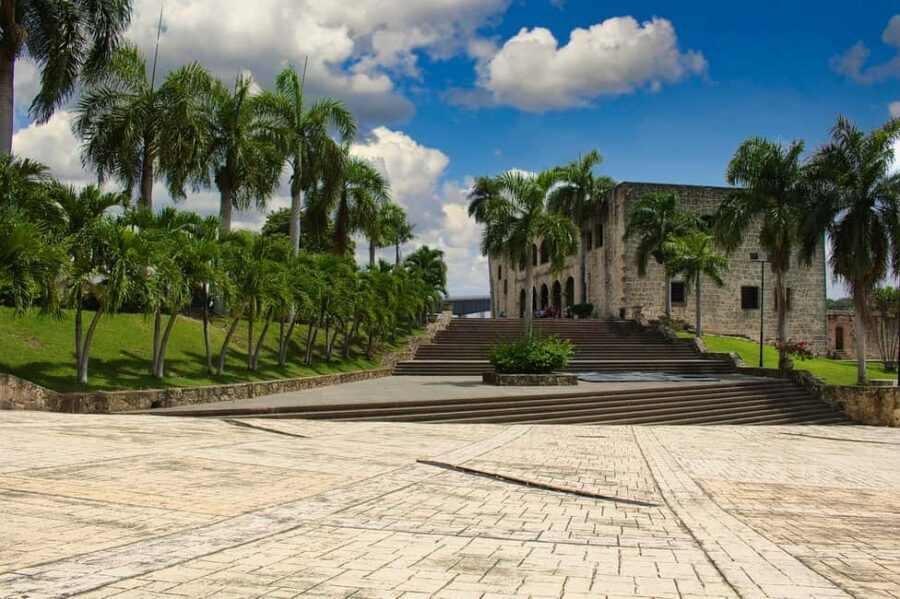
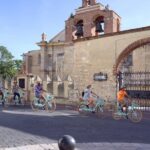
Then you’re on Calle Las Damas, often recognized as the first cobblestone street. This is the kind of place where the material matters. Cobblestones change your pace. They force you to pay attention to footing and perspective, and that makes your photos better—because you naturally frame things tighter and slower.
I like using a street like this as a “memory anchor.” It’s easier to remember Santo Domingo when one moment is tactile and immediate. Calle Las Damas gives you that. You’re not just hearing that colonial life existed—you’re walking a street that still has that old scale and charm.
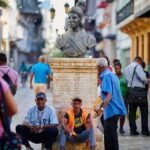
From there, the tour keeps you moving through colonial alleys and streets, aiming to give you a real impression of Dominican daily life alongside the colonial story. That mix is smart. It prevents the tour from feeling like you’re walking through a theme park version of the past.
Fortress Ozama: river views that reset your brain
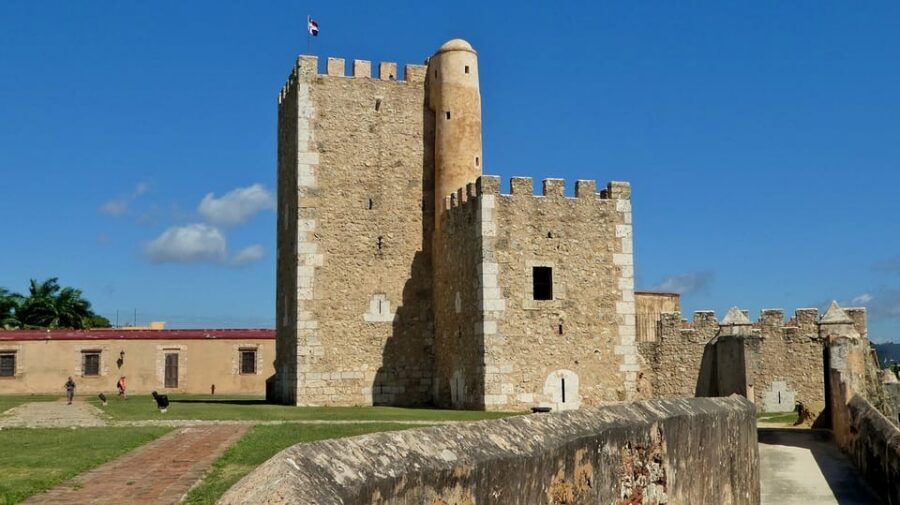
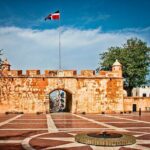
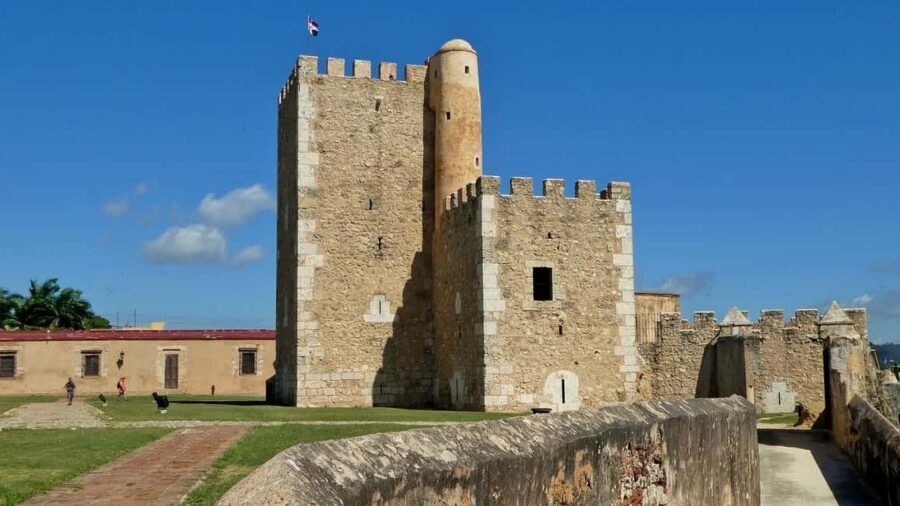
The Fortress Ozama stop is one of the strongest reasons to book. Not because it’s the most “dramatic” building in the world, but because it gives you something history often forgets to provide: a sense of geography.
From the fortress area, you get beautiful views over the Ozama River. That’s not just for photos. It helps you understand why forts existed where they did. You can look at the river and picture movement—trade, travel, and the strategic need to watch routes.
This is also where a private guide really helps. You can ask where the city expanded and how the river connected to colonial life, and you’re not stuck listening to a script. Entry tickets to the fortress are included, so you’re spending time seeing rather than waiting.
Practical tip: plan to take a few minutes just to look. The view is the payoff. Treat it like a short break in your walking tour, not a sprint-by stop.
National Panteon and the museum mix: culture without bottleneck lines
The included entry to the national Panteon adds a different tone to the day. While the colonial buildings focus on early institutions, the Panteon brings in a sense of national memory. It’s a reminder that Santo Domingo’s story doesn’t end in the 1500s. The city keeps rewriting what it means to be important.
Then the tour shifts into museums with Museo del Mar and Museo del Ron. Having both museum entries included is a major value point. You’re not forced to choose one, and the pairing makes sense: one leans toward maritime or sea-related themes, the other is all about rum.
Here’s how I’d think about it: a walking tour can get heavy on stone and architecture. Museums break that rhythm with objects and stories. Even if you only spend a chunk of time inside, you’ll leave with extra context that makes the outdoor stops click better.
If you like learning through a mix of places—buildings plus museum exhibits—this combo is a smart move. And because it’s a private tour, you can adjust how long you linger based on your energy.
You can also read our reviews of more city tours in Santo Domingo


Palace of Justice and the civic side of the colonial city
The Palace of Justice is another stop that helps you understand Santo Domingo as a functioning machine, not just a religious or military setting. When you’re touring the early colonial city, governance is the hidden thread behind everything: laws, administration, order.
The tour frames these sites as part of the same story: where early leadership worked, where people brought disputes, where power was displayed through architecture and public roles. It’s one of the places where you start to see how the city’s design supported authority.
If you’re someone who likes to connect the dots—church to government to public life—this is the kind of stop that makes the tour feel coherent. You’ll likely leave feeling that you understand the city’s role in the early shaping of society across the region.
First hospital, shipyard, and viceregal palace: why the details matter
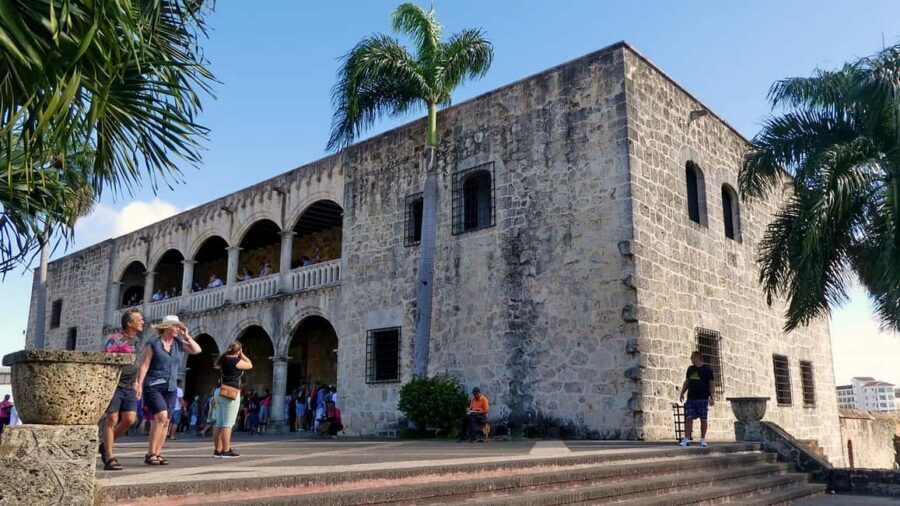
One of the most interesting aspects of this tour is how it treats “firsts” as more than bragging rights. You’ll hear that this city hosted the first hospital opening, the first shipyard, and the first viceregal palace of the American continent. Those are big claims, but what matters for you as a visitor is what they imply.
A hospital tells you about priorities: caring for people wasn’t optional, especially in a growing settlement. A shipyard tells you about logistics and the reality of keeping supplies moving. A viceregal palace tells you about the level of administrative commitment, including the idea that governance wasn’t temporary.
This is where the tour starts to feel more practical. You’re not only looking at buildings. You’re learning what systems were needed to run a colonial city—and how those systems were located within walking distance.
Even if you’re not a hardcore historian, these details give you a story you can carry. They make the city feel organized rather than random.
How the private format keeps the tour fun (not just educational)
This is a private group walking tour with a live local tour guide. The languages listed are Spanish, English, and French, so you can get a more natural conversation rather than a one-size-fits-all headset tour.
I also like that the tour is described as wheelchair accessible. That doesn’t mean it’ll feel identical to a fully car-free tour, but it signals that the operator expects to accommodate different needs. If you’re mobility-limited, it’s worth asking how the route is paced for your specific situation.
One more practical note: it’s not meant for very young kids. It’s listed as not suitable for children under 2, which is a good clue that the walking and timing are designed for adults and older kids.
If you enjoy asking questions, this format helps. You’re not competing with a large crowd, so the guide can slow down when something matters to you—like why the sites were built where they were, or how the city’s early roles affected everyday life.
Value check: is $55 per person worth it?
At $55 per person for about 3 hours, the value is best when you look at what’s actually included. You’re not just paying for a guide to point at buildings. Entry tickets are included for the cathedral, Fortress Ozama, the national Panteon, plus museums at Museo del Mar and Museo del Ron.
That means you’re covering the kind of sightseeing where costs add up quickly—especially if you’d otherwise buy separate tickets for multiple sites. You’re also getting a structured route in a tight area, which saves you time figuring out what to see first.
So what are you paying for?
- A guide who connects the sites into a coherent story of early Santo Domingo
- Museum entries that can otherwise require separate planning
- Fortress and cathedral access that actually lets you see inside
If your goal is to experience the UNESCO core without spending your day juggling tickets and deciding between half a dozen options, this price makes sense.
Who should book this Santo Domingo walking tour?
Book it if you want a compact, guided way to understand Santo Domingo’s colonial roots. It’s especially good for:
- History-minded travelers who also care about atmosphere (streets, squares, and real life)
- People who want a ticketed, structured tour without extra planning
- Anyone who likes photography, especially views from the Ozama River and the old cobblestone streets
I’d skip it if you’re expecting a slow museum-only day. This is mainly walking plus key indoor moments. It’s also not recommended for pregnant women, and it’s not designed for children under 2.
Should you book this tour?
Yes—if you want a focused UNESCO walking experience that mixes major colonial sites with included entrances to the cathedral, Fortress Ozama, the national Panteon, and museums like Museo del Mar and Museo del Ron. The price feels fair because tickets are part of the deal, not an afterthought.
If you’re deciding between DIY and guided: this is one of those cities where a guide can turn a “pretty old street” into a clearer story about how the city worked. And if you’re the type who likes to ask why things were built, you’ll get more out of three hours than you would wandering on your own.
FAQ
How long is the Santo Domingo private walking tour?
It lasts 3 hours.
How much does the tour cost?
The price is $55 per person.
What’s included in the price?
You get a local tour guide, plus entry tickets to the cathedral, Fortress Ozama, the national Panteon, and museum visits to Museo del Mar and Museo del Ron.
Are the museums included, or do I pay extra?
The tour includes entry tickets to Museo del Mar and Museo del Ron.
What languages is the live guide available in?
The guide is available in Spanish, English, and French.
Is the tour wheelchair accessible?
Yes, it’s listed as wheelchair accessible.
Is it a private group tour?
Yes, it’s a private group tour.
Who shouldn’t take this tour?
It’s listed as not suitable for pregnant women and children under 2 years.