REVIEW · SANTO DOMINGO
Santo Domingo: Colonial Zone Tour with tasting
Book on GetYourGuide →Operated by Ricesar · Bookable on GetYourGuide
History hits differently on foot.
This 2-hour Colonial Zone walk is one of those small tours that feels like you’re getting the real story, not just photos. I especially love the passionate local guide energy (I’ve heard names like Medina and Fernando pop up for how clearly they explain things), and I love the Dominican tasting at the end—coffee and artisanal chocolate, with mamajuana flavoring the mood.
You’ll hit the big visual anchors too: the Catedral Primada de América (Santa María la Menor), the Alcázar de Colón tied to the Columbus family, and the Museo de las Casas Reales. One consideration: it’s a walking tour on cobblestones, so wear comfy shoes and don’t plan to keep it “easy strolling” the whole time.
In This Review
- Key things I’d circle before you go
- Starting in the Colonial Zone at Parque Colón’s Sun Clock
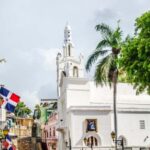
- Catedral Primada de América: The first cathedral in the Americas
- Alcázar de Colón: Where the Columbus family lived
- Museo de las Casas Reales: Understanding Dominican history through institutions
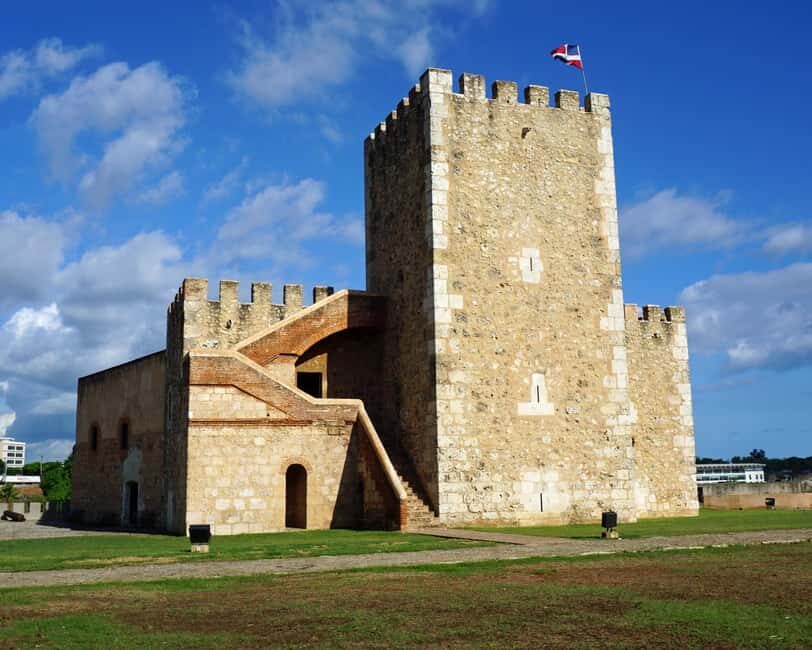
- Panteón Nacional, Calle de las Damas, and Fortaleza Ozama: Key snapshots on the route
- The coffee, artisanal chocolate, and mamajuana tasting
- Free time for photos and personalized recommendations
- Price and value: What you’re really paying for ($20 per person)
- Who this tour fits best (and who should think twice)
- Tips to make your 2-hour walk more enjoyable
- Should you book this Colonial Zone Tour with tasting?
- FAQ
- Where does the tour meet?
- How long is the tour?
- What stops are included?
- Is skip-the-ticket-line included?
- What languages is the guide available in?
- Is it wheelchair accessible, and what’s not included?
Key things I’d circle before you go
- Skip-the-line visits so you don’t burn your time waiting
- Catedral Primada de América for that first-cathedral-in-the-Americas context
- Alcázar de Colón to understand why this area still centers on Columbus-era power
- Museo de las Casas Reales for a clearer picture of how Dominican governance evolved
- Coffee, artisanal chocolate, and mamajuana tasting to tie past and present together
- Free time for photos plus personalized recommendations from your guide
Starting in the Colonial Zone at Parque Colón’s Sun Clock
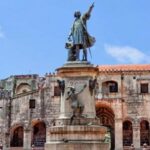
Your tour kicks off at Parque Colón, in front of the Catedral Primada, at the point marked frente al reloj del sol (the sun clock). That matters more than you’d think. When you’re starting in the right spot, you waste less time fumbling around the Zona Colonial—and you get moving while the streets still feel fresh.
From there, the walk focuses on getting your bearings fast. You’ll move through the UNESCO-listed heart of Santo Domingo, where the stone-and-street layout helps you understand why so much of the city’s identity is tied to this exact cluster of landmarks.
Practical tip: bring a camera, sure. But also keep a steady pace mindset. This tour is designed around walking between stops, with short explanation moments that connect the dots.
You can also read our reviews of more food & drink experiences in Santo Domingo
Catedral Primada de América: The first cathedral in the Americas
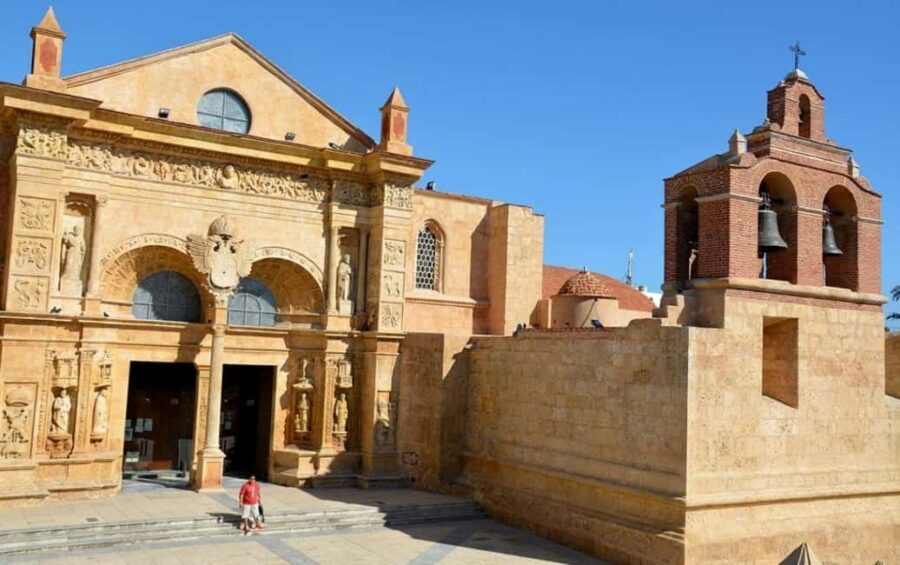
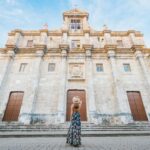
The Catedral Primada de América (Santa María la Menor) is the kind of stop that makes you pause. Not because it’s the only impressive building you’ll see, but because it’s anchored in a big historical claim: it’s recognized as the first cathedral in the Americas.
On this tour, you’re not just looking at architecture. You’re learning how the building fits into the story of the first New World city and how religion and power worked together in early colonial life. If you like your history explained in plain, human language, this is where the guide’s style really matters—one of the best parts of the experience is how guides like Medina and Fernando keep the info clear and easy to follow.
What to watch for: give yourself a moment to look up and around before you rush to the next photo. Even if you’re not a “cathedral person,” it’s worth the slow glance here. This is one of those spaces where details reward you for standing still for 20 seconds.
Alcázar de Colón: Where the Columbus family lived
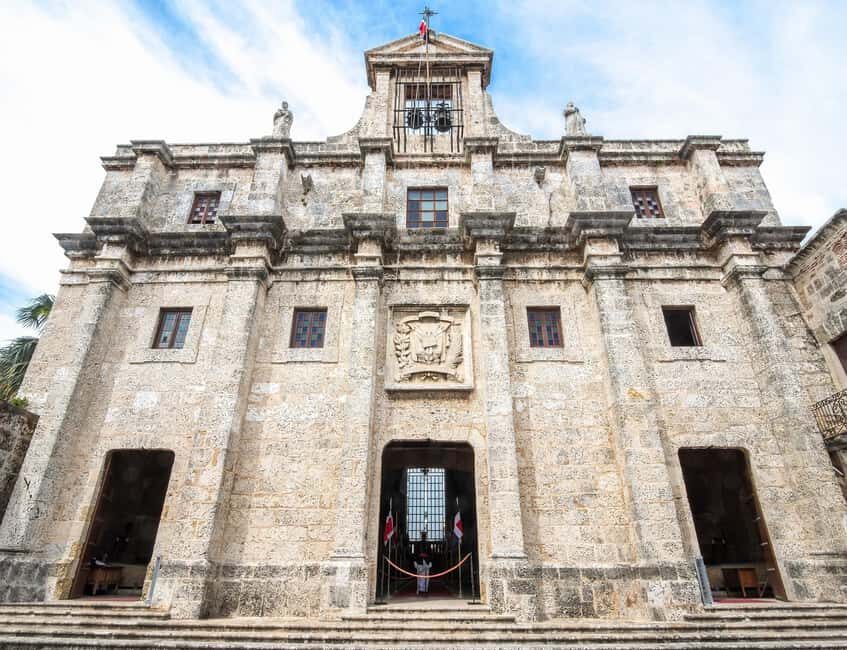
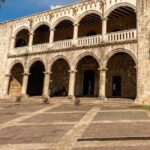
Next comes the Alcázar de Colón, the former residence associated with the Columbus family. This is one of those stops that shifts history from distant and abstract to personal and physical. A home changes the feeling. It turns court politics and colonial authority into rooms and daily routines.
The tour approach helps here. Instead of turning the Alcázar into a lecture, your guide connects it to the larger Colonial Zone story. You’ll hear legends and curiosities as you go, and you’ll also get help understanding why the Alcázar still matters today—why it’s not just a “pretty old building,” but a piece of the city’s power map.
Possible drawback: if you’re expecting lots of free-roaming time inside every stop, you may feel a small “guided pace” here. That’s not a flaw—just a reality of a 2-hour format. The trade-off is that you get a packed, coherent route instead of a slow wander.
Museo de las Casas Reales: Understanding Dominican history through institutions
The Museo de las Casas Reales is where the tour starts to feel more grounded. This stop is less about a single iconic façade and more about the broader machinery of the colonial era—how administration and authority played out in real life.
For you, the value is clarity. When your guide explains what you’re looking at, you start to see how events and rules shaped the city that stands around you. It’s a smart pairing with the other landmarks, because you’ll walk from a cathedral (belief and community), to a residence (who held influence), and then to a museum that helps explain how systems worked.
If you like museums, you’ll enjoy this one. If you usually skip museums, this is the kind that can keep you engaged because it’s tied directly to what you just walked past.
Panteón Nacional, Calle de las Damas, and Fortaleza Ozama: Key snapshots on the route
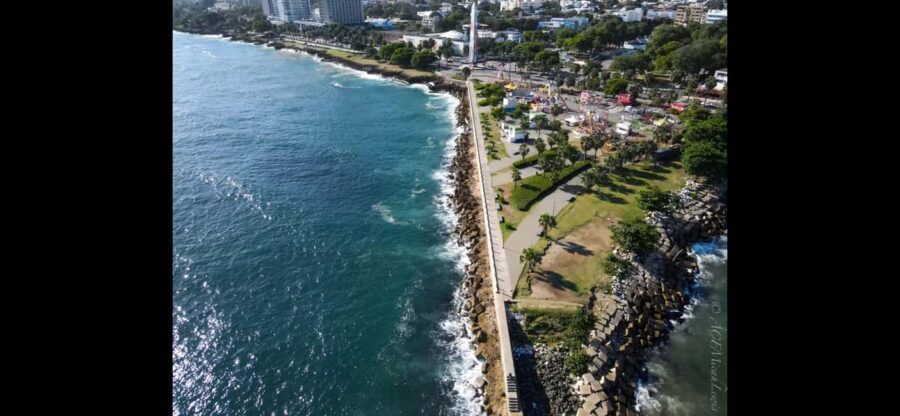
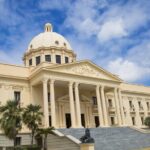
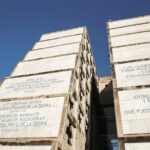
The walking loop doesn’t stop at the “big three.” You also go along Calle de las Damas and toward Fortaleza Ozama, plus you’ll visit the Panteón Nacional.
Here’s why these stops work, even though they may feel like supporting characters in a short tour:
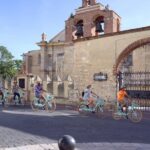
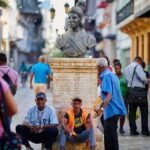
- Calle de las Damas gives the walk personality. Streets like this help you feel the human scale of the Colonial Zone, not just the monumental buildings.
- Fortaleza Ozama adds a defense-and-control layer. It’s the reminder that this area wasn’t only cultural—it was strategic.
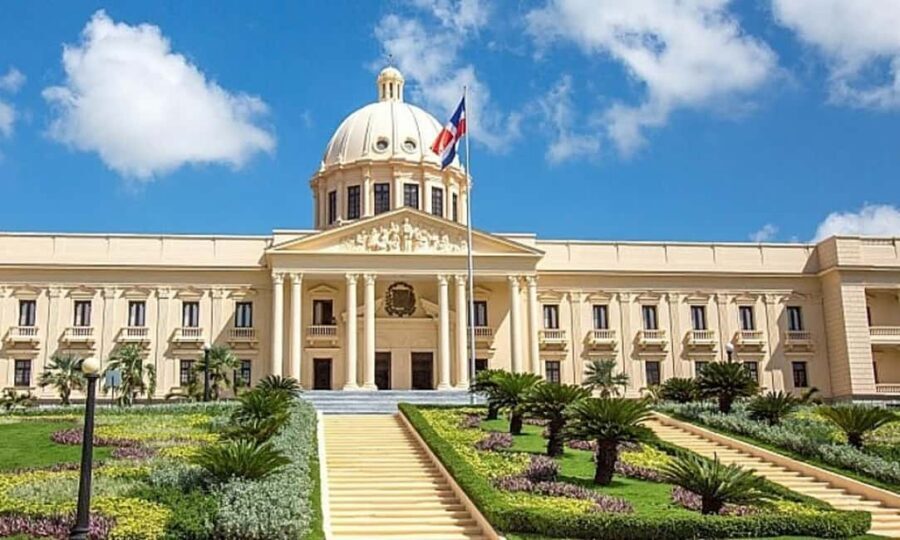
- Panteón Nacional anchors the conversation in Dominican identity and memory. It helps shift the focus from colonial structures to what the country chooses to honor and preserve.
You’ll likely hear little-known legends and curiosities as you move between these points. The best part isn’t any single story. It’s that the guide uses these moments to make the streets feel alive instead of like a checklist.
One small reality check: cobblestones. Some stretches can slow you down. Keep your steps careful, and you’ll enjoy the route more.



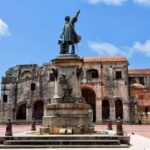
The coffee, artisanal chocolate, and mamajuana tasting
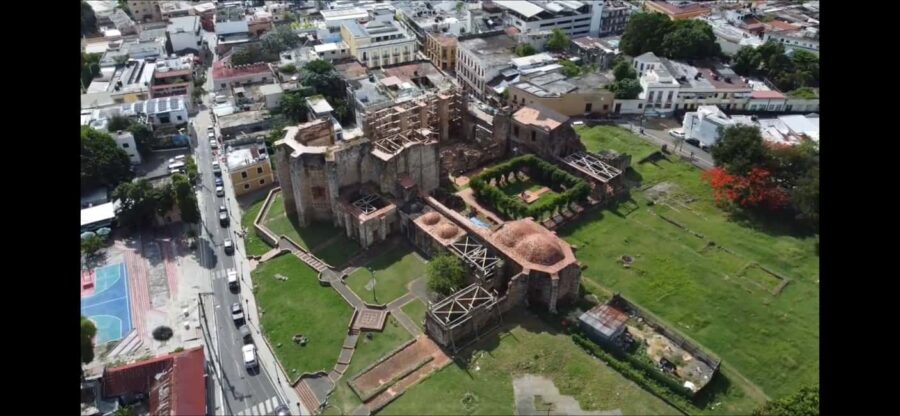
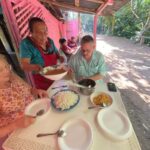
Every great walking tour needs a payoff that feels local, not touristy. This one delivers. You’ll savor Dominican artisanal chocolate and coffee, and you’ll also get mamajuana introduced as part of the tasting experience.
For me, this is where the tour connects past and present in a way you can actually taste. Chocolate and coffee are everyday cultural markers in the Dominican Republic, and mamajuana carries its own mix of local tradition and flavor identity. It’s not just a snack stop; it’s a short culture lesson you can carry with you.
If you’re sensitive to strong flavors, ask your guide what’s in your portion. The tour data doesn’t spell out exact ingredients, so trust the tasting moment and follow your guide’s guidance. Either way, plan for it to be the emotional finale of the walk—the moment the tour stops being “history” and becomes “remember this.”
Free time for photos and personalized recommendations
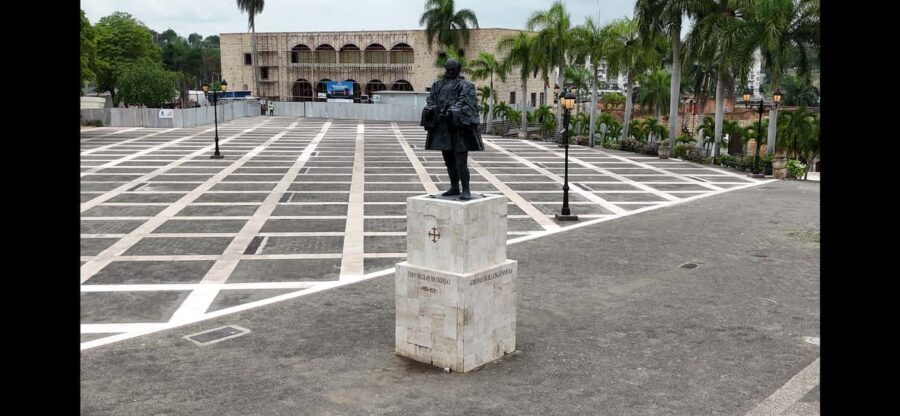
After the main sights and the tasting, you’ll get free time to grab photos and pick up personalized recommendations from your guide. This is underrated value.
Why it matters: the Zona Colonial can overwhelm you if you arrive cold. Your guide can point out what’s worth your limited time—what to see next, where to slow down, and what to skip if you’re not into a certain type of stop.
Take 10 minutes to ask one or two questions, even if your Spanish (or French or English) is rusty. Guides on tours like this tend to be ready to help you plan a smart second half of your day.
Price and value: What you’re really paying for ($20 per person)
At $20 per person for about 2 hours, this tour is priced like a strong “time-efficient history fix.” But value comes from what’s included—not just the cost.
You get:
- Guided walking tour through the UNESCO Colonial Zone
- Visits to Catedral Primada de América, Alcázar de Colón, Museo de las Casas Reales, and Panteón Nacional
- Walk along Calle de las Damas and Fortaleza Ozama
- Skip the ticket line
- Degustation of Dominican coffee and artisanal chocolate (with mamajuana part of the flavor experience)
- Free time for photos and personalized recommendations
What that means for you: you’re buying coordination. Someone else handles the route logic, the timing, and the “what’s important here” interpretation. In a compact city like Santo Domingo’s Colonial Zone, that can be the difference between a satisfying day and a half-day of distracted wandering.
If you’re traveling with limited time, or you want a first visit that actually teaches you the layout, $20 feels fair. If you already know this area deeply and you prefer to roam solo, you might not extract full value. For most first-timers, though, it’s a solid deal.
Who this tour fits best (and who should think twice)
This is a great match if you want:
- A guided walking experience that connects monuments into a story
- A clear, energetic guide (the vibe you’ll often hear: friendly, well-informed, and able to keep history understandable)
- A tasting that feels like part of the culture, not an add-on
It’s also a good choice if you’re mobile but still appreciate structure. The route hits key anchors in a short time, and you get time to capture photos.
Think twice if you:
- Don’t handle cobblestones well
- Expect a very relaxed pace
- Are traveling with someone who struggles with extended walking (the tour notes it isn’t suitable for people over 95 years)
Tips to make your 2-hour walk more enjoyable
- Wear comfortable shoes with grip. Cobblestones demand it.
- Bring your camera, but don’t let it control your pace. Look first; shoot second.
- Wear weather-appropriate clothing. The tour is walking-based, so plan for sun or heat.
- If you want the most out of the tasting, ask your guide what to try first and how it connects to the local tradition.
Should you book this Colonial Zone Tour with tasting?
If it’s your first time in Santo Domingo’s Zona Colonial, I’d book this. It gives you the biggest landmarks in a tight loop, plus interpretation that helps those landmarks mean something. The coffee-and-chocolate (and mamajuana) tasting turns the finish into a memorable local moment, not just another stop.
If you only have a morning or afternoon and you want the area to click quickly, this format fits. The guided pacing, the skip-the-line advantage, and the photo-and-recommendations time make the 2 hours feel well spent.
FAQ
Where does the tour meet?
The meeting point is frente al reloj del sol at Parque Colón, in front of the Catedral Primada.
How long is the tour?
It lasts about 2 hours.
What stops are included?
You’ll visit the Catedral Primada de América, the Alcázar de Colón, the Museo de las Casas Reales, the Panteón Nacional, and you’ll also walk along Calle de las Damas and Fortaleza Ozama.
Is skip-the-ticket-line included?
Yes. Skip the ticket line is included.
What languages is the guide available in?
The live tour guide is available in Spanish, English, and French.
Is it wheelchair accessible, and what’s not included?
It is wheelchair accessible. Transportation to the meeting point and meals other than the dégustation are not included.