REVIEW · HISTORICAL TOURS
History of Slavery Guided Tour
Book on GetYourGuide →Operated by Caribbean Tours · Bookable on GetYourGuide
Slavery history in Santo Domingo hits fast. What makes this tour gripping is the mix of street-level walking in the Old Town and hands-on stops tied to sugar and rum—right down to the tools enslaved people used. I especially like the small group size and the way the story is paced so you can actually ask questions, not just shuffle along.
You’ll also get a clear look at religious syncretism showing up in wall paintings, then connect those symbols to the real economic engine of colonial life. One drawback to flag: it’s a 6–7 hour day with real walking in sun, and it’s not designed for mobility limits or seniors over 65.
In This Review
- Key points worth your attention
- Old Town alleys: why the story starts where people walked
- Rum Museum and Boca de Nigua: the machinery behind sugar and rum
- San Cristóbal’s sugar factories and the first slave uprising in the Americas
- A banana-leaf Dominican lunch that actually makes sense for a long day
- Ciudad Colonial again: putting the pieces together with a final hour walk
- Price and logistics: is $190 worth your time?
- What to bring, what not to do, and how to avoid a rough day
- Who should book this slavery history experience?
- Should you book it or skip it?
- FAQ
- How long is the slavery guided tour?
- Where do you get picked up?
- What does the tour include?
- What languages are the guides available in?
- What should I bring for the tour?
- Is the tour suitable for people with mobility impairments?
- Can I cancel and pay later?
Key points worth your attention
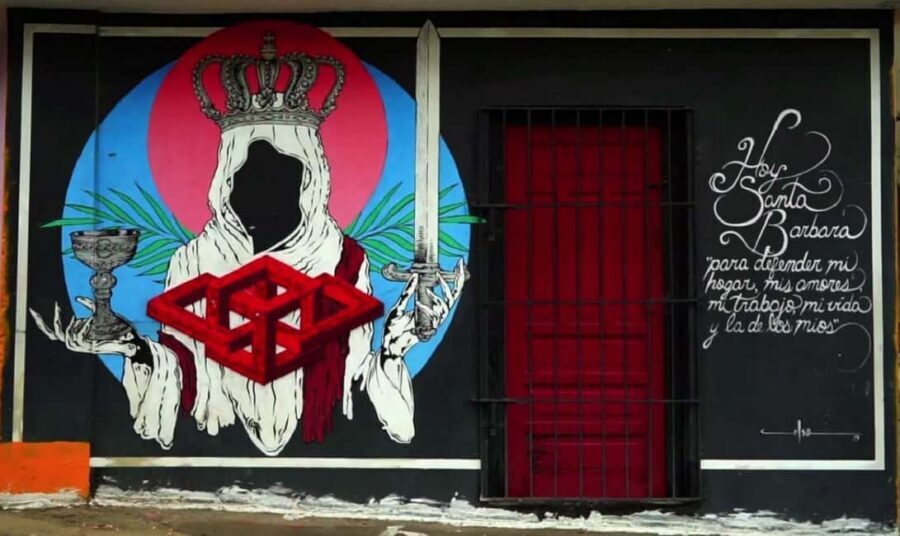
- Old Town wall paintings: see religious syncretism referenced in alleys near the slave market
- Rum museum context: learn how sugar-factory work links directly to rum production
- Boca de Nigua ruins: photo stop plus guided time in the site area tied to enslaved labor
- San Cristóbal sugar-factory structures: well-preserved remains, including a hydroelectric sugar factory
- First uprising in the Americas: historical focus on revolts tied to this region
- Banana-leaf lunch: a Dominican specialty served with one drink
Old Town alleys: why the story starts where people walked
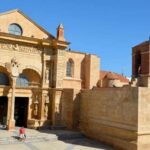
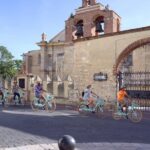
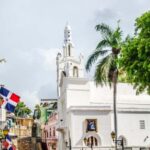
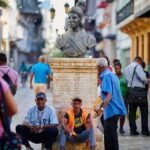
Your day starts in the Zona Colonial, the part of Santo Domingo that still feels like it’s holding its breath. After pickup, you head into the old-town lanes for a walking discovery that begins around the slave market area. This is not vague storytelling. You’re pointed to the kinds of places where people were bought, sold, and moved—then you see how that world got layered into everyday streets.
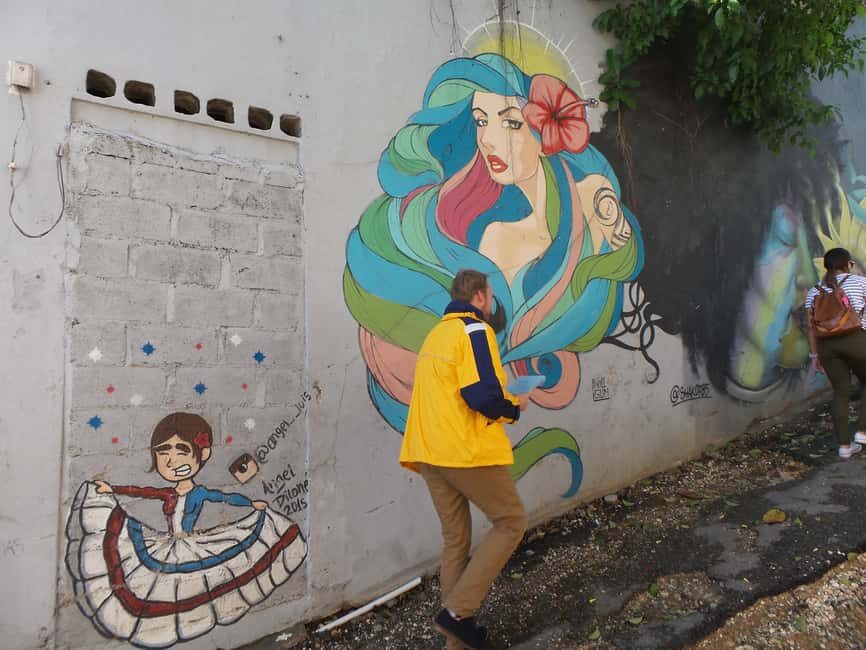
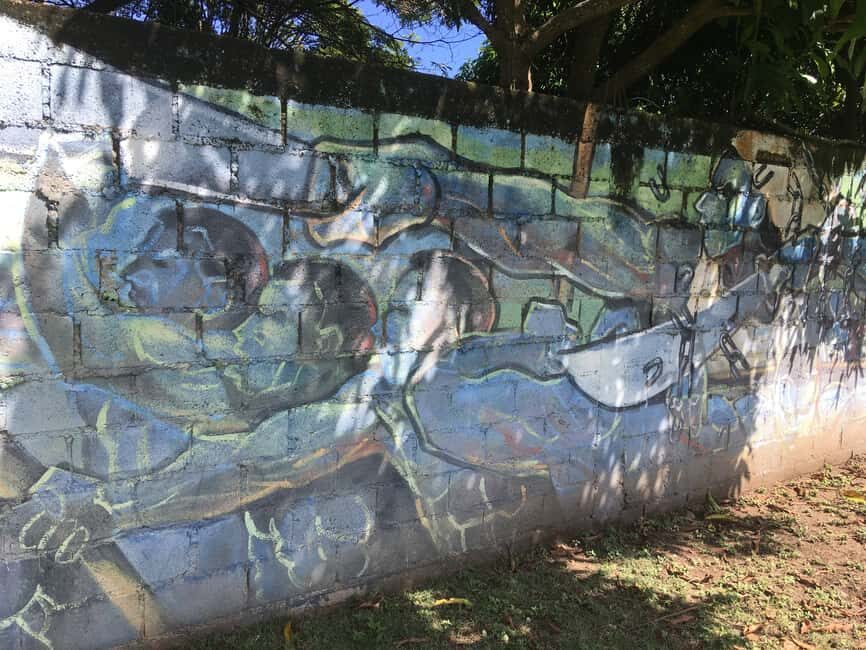
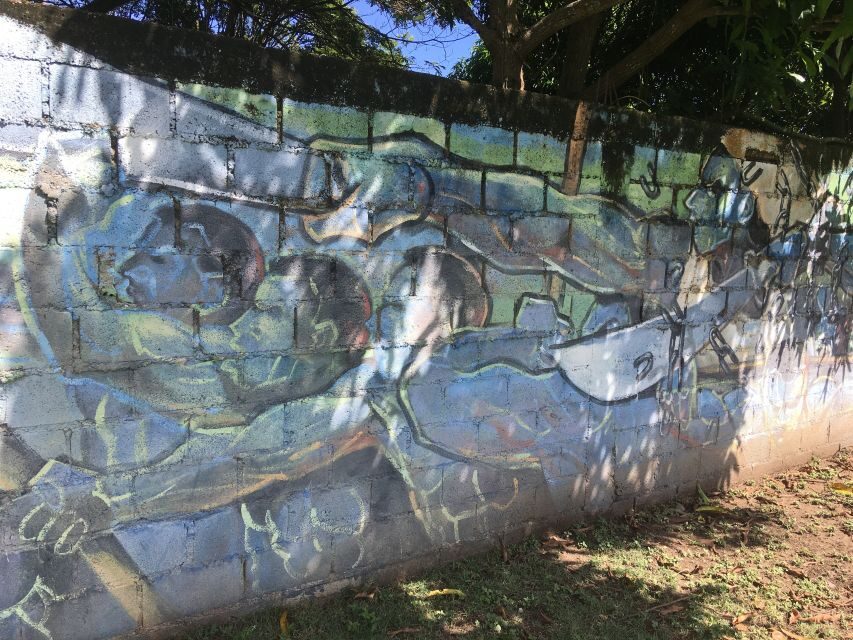
What I love here is the pairing of place with imagery. In parts of the Old Town, you’ll notice wall paintings that reference slavery-era themes, including religious syncretism—the mixing of beliefs that formed under pressure. Even if you’re not a history buff, that visual thread helps you understand the culture that survived and changed.
Practical note: this first walking stretch is where you’ll feel the day’s pace. Wear closed-toe shoes, and expect you’ll want sunscreen and a hat. There’s enough sun to make comfort a bigger deal than usual.
You can also read our reviews of more guided tours in Santo Domingo

Rum Museum and Boca de Nigua: the machinery behind sugar and rum
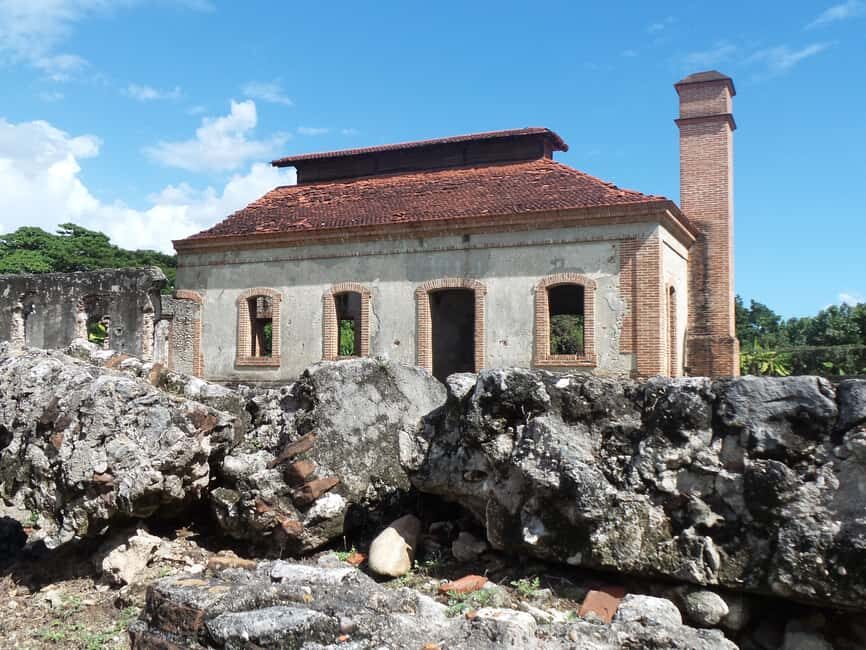
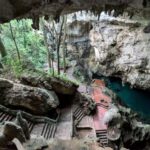
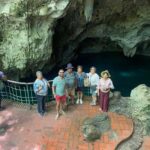
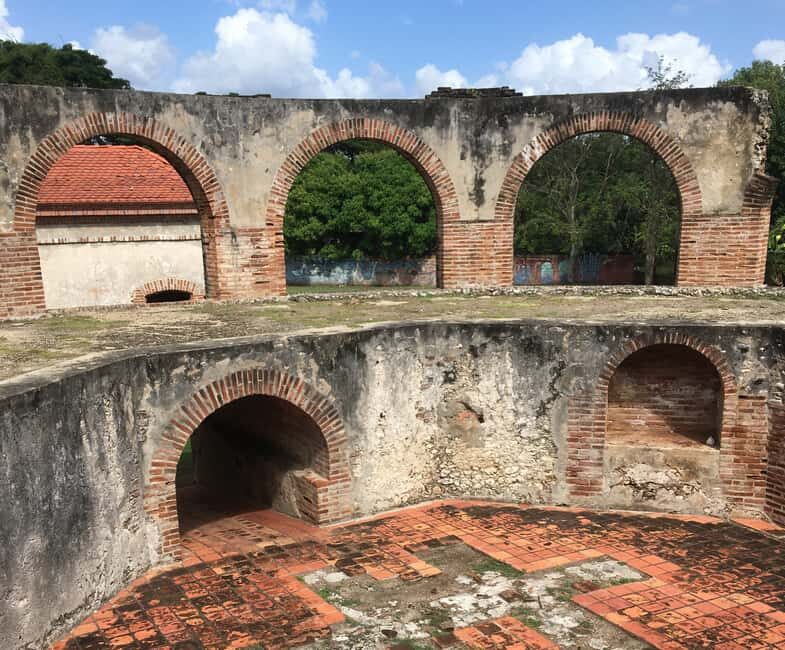
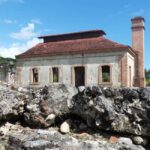
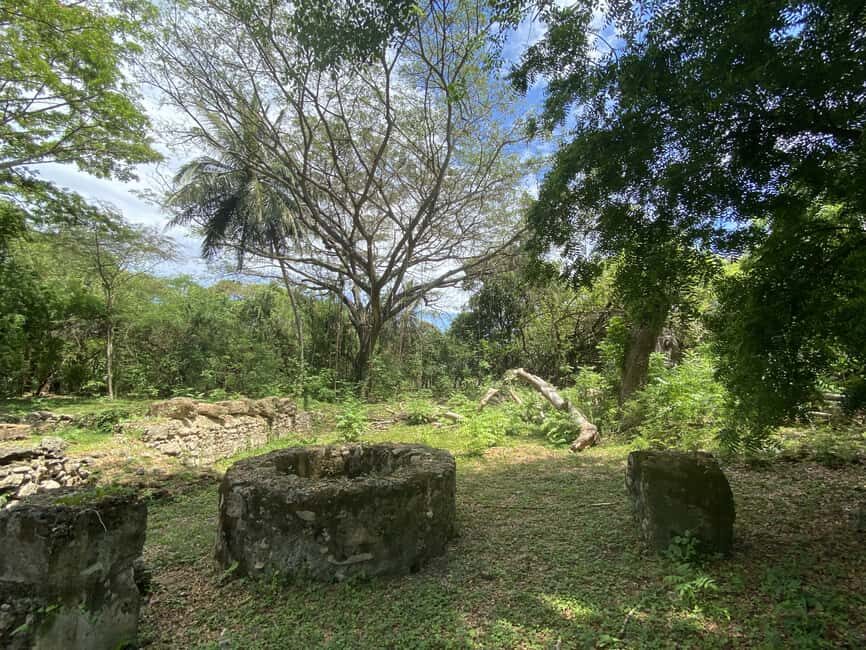
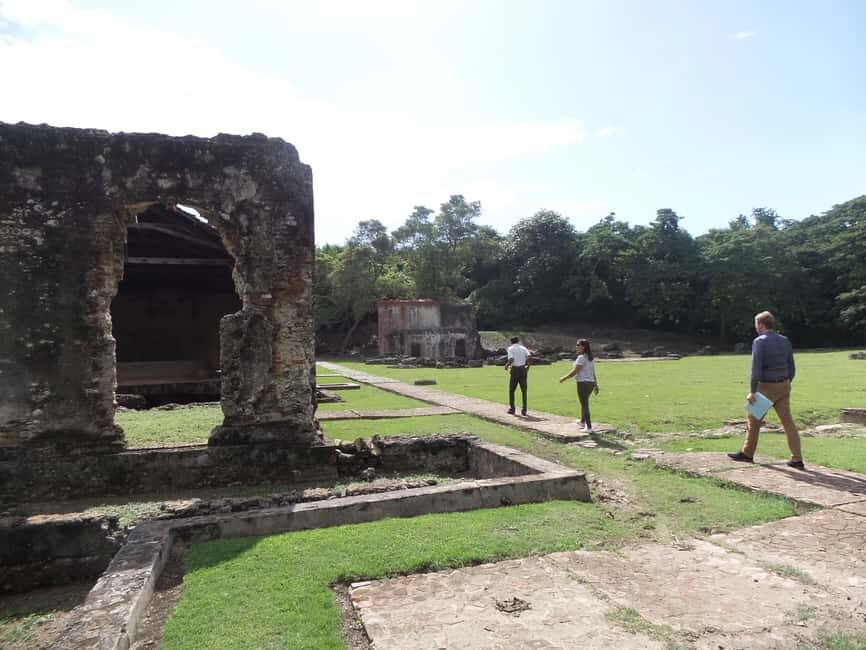
The next major piece of the puzzle is Ingenio Boca de Nigua. You’ll ride by coach for about 45 minutes, then get a photo stop and time at the ruins with a guided visit and a walk of about 30 minutes. This is where the tour turns from streets and symbolism into the working world—the physical side of colonial exploitation.
The Rum Museum stop (included) is built for exactly that. You learn about the tools enslaved people used in the sugar factories, and you see how sugar production fed rum-making. In other words, you’re not just hearing about suffering—you’re tracing how an economy ran on forced labor, and how everyday goods became connected to that system.
Even if the details feel heavy, I think this is the most grounding section of the day. You get a tangible sense of scale and process. And you can connect it later to what you learned in the Old Town wall art. That’s the real value of placing the museum and ruins after the early walking part: the story sticks.
San Cristóbal’s sugar factories and the first slave uprising in the Americas
After Boca de Nigua, you head west toward San Cristóbal Province. The drive is shorter—around 15 minutes—then you’ll spend about 40 minutes with street-food time and a guided sightseeing stretch in the area. This part matters because it ties the enslaved labor system to organized resistance.
The tour specifically spotlights the first uprising of enslaved people in the Americas, centered in this region. On the ground, you get to see well-preserved structures of antique sugar factories, giving you a better sense of how the system worked in real space. You also visit a first hydroelectric sugar factory, which adds another layer: people weren’t only trapped in brutal human terms; their lives were locked inside a whole industrial workflow.
One thing to keep in mind: this section can be visually impressive, but it’s not a sightseeing detour. The buildings are the backdrop for understanding power. If you let your guide keep the focus on what enslaved workers endured, the stops feel less like monuments and more like evidence.
And yes, there’s street food time. It’s a chance to eat simply while you’re still moving through the history. Just remember the day is long, so don’t overload if you still have lunch later.
A banana-leaf Dominican lunch that actually makes sense for a long day
Lunch is included, with one drink, at a typical Dominican restaurant. The specialty is dough stuffed with meat and steamed in a banana leaf. If you like food that feels like it belongs to the place, this one does. The banana leaf steaming method gives it a distinctive flavor, and it’s filling without being overly complicated.
This meal also works strategically for the tour. You’ll have already walked and ridden in heat. Then you’ll want steady energy for the final Old Town revisit. A banana-leaf wrapped dish is the kind of comfort food that helps you keep listening after you’ve been physically moving for hours.
If you’re the kind of person who hates waiting for meals, you’ll probably appreciate that lunch is placed as a structured break, not a random stop. You know what you’re getting, and you can plan your pace around it.
Ciudad Colonial again: putting the pieces together with a final hour walk
After San Cristóbal, you head back by coach—about 30 minutes—toward Ciudad Colonial for another round of sightseeing. You’ll have a photo stop, then a guided tour and about an hour of walking time. This is a smart wrap-up because the earlier walking section set the stage; now you can reinterpret what you see.
By this point, wall paintings about slavery and religious syncretism don’t look like “street art trivia.” They become part of a larger picture. You’ve just learned how sugar factories and rum-making depended on forced labor. You’ve also heard about resistance tied to the region. So when you’re back among the old streets, you start noticing connections—what survived, what transformed, and how culture carried memory forward.
Expect it to feel more meaningful than the first walk. Not because the streets change, but because your understanding does.
You can also read our reviews of more historical tours in Santo Domingo


Price and logistics: is $190 worth your time?
At $190 per person for about 390 minutes (roughly 6–7 hours), you’re paying for more than transport. You’re getting transportation, entry to the Rum Museum and the Boca de Nigua ruins, a guided program led by a local guide, and lunch with one drink. For a day where you cover both Old Town and outskirts toward San Cristóbal, this is the kind of “all-in” pricing that saves you the hassle of figuring out routes and timing.
The small group aspect matters too. Limited to 6 participants, the guide can keep control of the pace and answer questions without turning it into a lecture with 30 people in the back row. In the guide reviews, Jose gets consistent praise for being fantastic and clear, and driver Daniel is credited with making the logistics run smoothly. That combo is exactly what you want on a longer history day.
Still, consider the reality: this isn’t built for relaxed wandering. It’s structured, it’s sun-dependent, and it involves walking. Also, it’s not suitable for mobility impairments, wheelchair users, and people over 65. If you fit those categories, save your energy and look for a different format.
What to bring, what not to do, and how to avoid a rough day
You’ll enjoy the tour more if you show up prepared. Bring comfortable closed-toe shoes, sunscreen, sunglasses, and a sun hat. A camera helps because you’ll hit photo stops and exterior sites. If you’re easy to fatigue, plan a slow morning before 9:00 AM pickup.
On the restrictions side, this is a typical guided-tour rule set: no high-heeled shoes, no pets, no drones, no alcohol or drugs, no unaccompanied minors, no party groups, and no nudity or bare feet. It’s mostly about keeping the day safe and respectful in historic areas.
If you’re sensitive to heat, bring a calm attitude. This is a Dominican Republic daytime experience. Water isn’t listed in the inclusions, so you may want to be smart about hydration on your own.
Who should book this slavery history experience?
This tour is best for you if you want history with context, not just facts on a page. You’ll like it if you care about the real mechanics behind colonial economies—sugar, rum, and the people forced to power them—then you want that tied back to what you see in the Old Town’s streets and wall paintings.
It also fits well for groups that want a more personal guide experience. With up to 6 participants, it’s the kind of day where you can ask follow-up questions and get straight answers.
If you want a relaxed, scenery-first day with minimal walking, you might find the schedule demanding. And if mobility is an issue or you’re over 65, it’s not a match for the format provided.
Should you book it or skip it?
I think you should book this tour if you’re ready for a serious subject handled in a structured, place-based way. The value is strong because your money supports transport, museum and ruin entries, lunch, and a live guide—not just a generic walking tour. The biggest reason to go is the way the story is organized: Old Town symbolism first, then the rum and sugar work context, then the regional uprising focus, and finally a return to Ciudad Colonial to connect it all.
Skip it if you want an easy day with minimal movement, or if you fall into the tour’s stated unsuitability categories. Also, if you dislike physically warm outdoor walking, bring extra caution. A little preparation turns this into a powerful day you’ll remember, not a stressful one.
FAQ
How long is the slavery guided tour?
The tour duration is 390 minutes, which is about 6–7 hours.
Where do you get picked up?
Pickup is included in accommodations in the Old City District of Santo Domingo, Zona Colonial.
What does the tour include?
It includes transport, entry to the Rum Museum and the ruins in Boca de Nigua, lunch (including 1 drink), and a local tour guide.
What languages are the guides available in?
The live tour guide is available in English, German, and Spanish.
What should I bring for the tour?
Bring comfortable shoes (closed-toe), sunglasses, a sun hat, sunscreen, and a camera if you want photos.
Is the tour suitable for people with mobility impairments?
No. It is not suitable for people with mobility impairments, wheelchair users, and people over 65.
Can I cancel and pay later?
You can cancel up to 24 hours in advance for a full refund, and you can reserve now and pay later.