REVIEW · HISTORICAL TOURS
Colonial Zone: Historical Tour with a visit to the Columbus Lighthouse and Tres Ojos Park
Book on GetYourGuide →Operated by COPRIXA TRAVELS, S.R.L. · Bookable on GetYourGuide
Two natural wonders and a Columbus monument. That mix is what makes this tour so fun: you start in the caves at Los Tres Ojos, then you hit the Columbus Lighthouse museum, and you finish with a guided walk through the Colonial Zone’s big-name landmarks. I especially like the way the stops work together—Spanish-era monuments upstairs, mineral-rich underground beauty below.
I also like the guide focus in the Colonial Zone. People consistently mention guides like Medina and Fernando for making the stories clear and the pace relaxed. One thing to plan around: the experience isn’t wheelchair-friendly, and you’ll be walking during both the city portion and the park visit.
In This Review
- Key things to love about this tour
- Why the Santo Domingo Colonial Zone + Tres Ojos combo makes sense
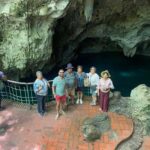
- Los Tres Ojos: the cool caves and mineral-rich cenotes part
- Columbus Lighthouse: a monument that doubles as a museum
- The Colonial Zone guided walk: where the big sites connect
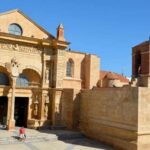
- First Cathedral, Alcázar de Diego Colón, and Calle Las Damas
- Royal Houses, forts, museums, and the other Colonial Zone anchors
- Sundial (Reloj de Sol) and Plaza España: where you’ll meet and regroup
- Time, pace, and what to bring for 2 to 9 hours
- Value check: how a $5 price can still feel like a real tour
- Who should book this tour, and who should skip it
- Should you book this Colonial Zone + Columbus Lighthouse + Los Tres Ojos tour?
- FAQ
- Where do I meet the guide?
- Is pickup included?
- How long is the tour?
- What languages will the guide speak?
- What attractions are included in the tour?
- Is this tour wheelchair accessible?
- Is there a cancellation window?
Key things to love about this tour
- Los Tres Ojos caves and cenotes: mineral-rich underground sights that feel like a different world
- Columbus Lighthouse museum: a monument with exhibits and space for temporary displays
- A proper guided walk in the Zona Colonial: not just a quick pass-by of photos
- Big “firsts” in the New World: First Cathedral area and early colonial streets and forts
- Good value for a full-day-style hit: transport, tickets, water, and even mamajuana included
- Strong guide reputation: names like Medina, Fernando, Domingo, and Francisco show up in praised experiences
Why the Santo Domingo Colonial Zone + Tres Ojos combo makes sense
This is one of those rare tours where the itinerary has a natural rhythm. You’re not bouncing between unrelated stops—you’re moving from underground nature (Los Tres Ojos) to a major historical monument (Columbus Lighthouse) and then to the walking core of the city (Zona Colonial). That flow helps you understand Santo Domingo as a whole, not as a list of monuments.
The price is also part of the story. At $5 per person, you’re buying a guided, ticketed day with transportation and water, plus a visit to multiple paid sights. It won’t replace a multi-day deep dive into Santo Domingo, but it’s a strong “first taste” if you want the highlights without planning each entry ticket yourself.
Finally, the tour is designed to be explained to you. You’re not just given directions—you’re guided. When guides like Medina (credited with making history feel alive) are involved, that matters a lot in a place where streets and buildings look similar at first glance.
You can also read our reviews of more historical tours in Santo Domingo
Los Tres Ojos: the cool caves and mineral-rich cenotes part
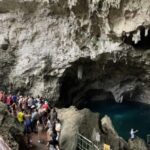
Los Tres Ojos National Park is the moment where your brain goes quiet. The setting is all about underground grottos and cenotes, and the standout detail is the water’s high mineral content—it’s one of the reasons the scene feels so striking and slightly unreal compared to typical Caribbean beaches and city views.
What I like about this start is that it gives you variety right away. After a cave-and-cenote visit, everything you see in the Colonial Zone feels more layered—because you’ve already experienced Santo Domingo’s natural side, not only its architecture. Also, it’s a great reminder that “Colonial Zone” doesn’t mean only courtyards and churches.
Practical note: expect walking and uneven terrain. Even if the park part is described in a general way, caves and natural areas usually mean short distances on your feet plus time standing around to look. Wear shoes that won’t punish you after an hour.
Columbus Lighthouse: a monument that doubles as a museum
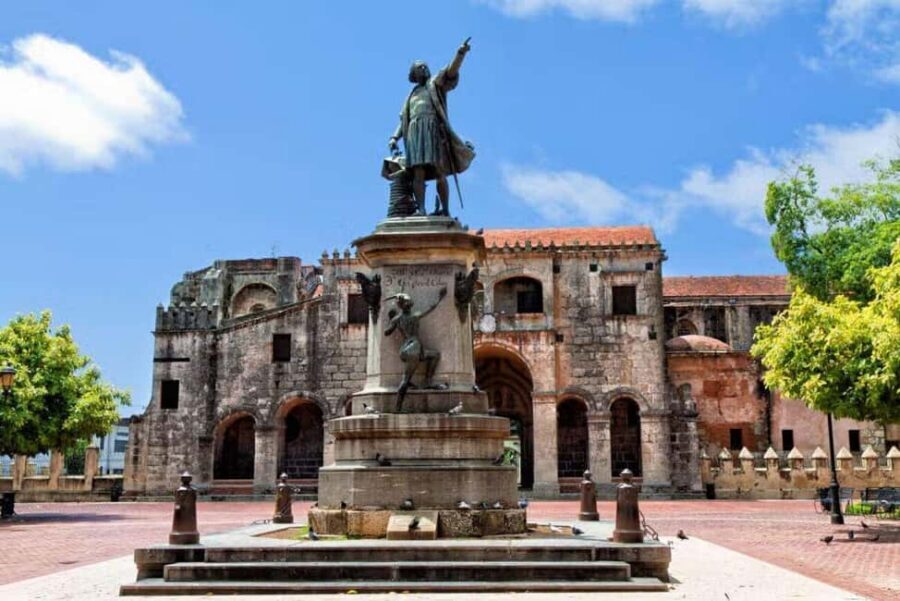
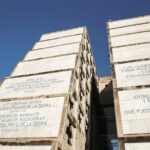
Next stop: the Columbus Lighthouse, a Dominican monument built in honor of Christopher Columbus. This isn’t only a big structure to photograph from the outside. Inside, there are museum exhibits from different countries, and the lighthouse also has rooms for temporary exhibitions and conference-style spaces.
That museum setup is useful because it gives context. In a city with centuries of layers, you want a reference point, and the Columbus Lighthouse is exactly that. It’s also a good “reset” between the underground nature of Tres Ojos and the dense cluster of old buildings in the Colonial Zone.
If you enjoy history that’s presented visually—photos, displays, curated rooms—this stop is worth your attention. Even if you’re not a museum person, the lighthouse theme is simple: one figure, many interpretations, and a physical marker that the city decided was important enough to build.
The Colonial Zone guided walk: where the big sites connect
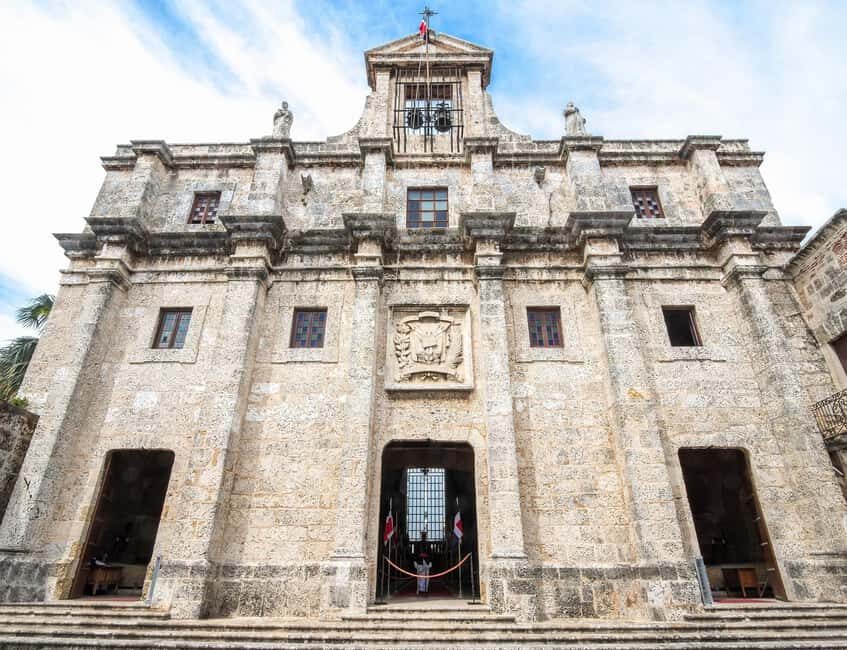
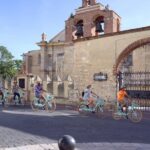
This is the core of the tour, and it’s guided. The Zona Colonial portion is described as a 2-hour guided tour, with an expert guide leading you through Santo Domingo’s most iconic colonial-era buildings and streets. The idea here is straightforward: you get to see the landmarks, and you also learn what they meant and how they fit together in Spanish conquest and settlement life.
The guide component is the difference between “I saw a cathedral” and “I understand why this cathedral mattered.” Based on the strongly positive comments attached to guides like Medina and Domingo, the explanations tend to be clear and engaging, and the pace feels relaxed rather than rushed.
And yes, the Colonial Zone is beautiful in that very specific way older cities are—stone, plazas, layered facades, and streets that still feel like they were designed for walking. This tour leans into that by actually helping you connect the dots as you move.
First Cathedral, Alcázar de Diego Colón, and Calle Las Damas
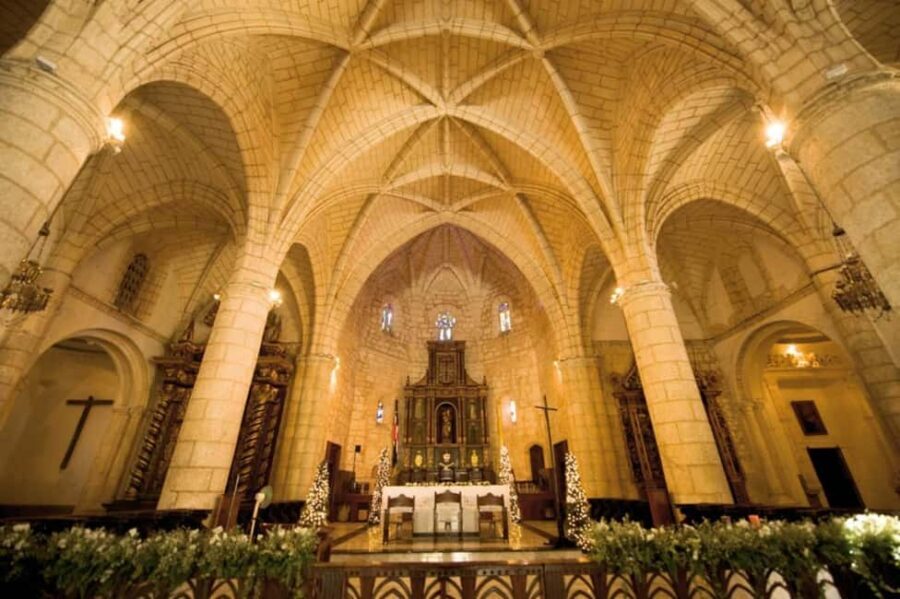
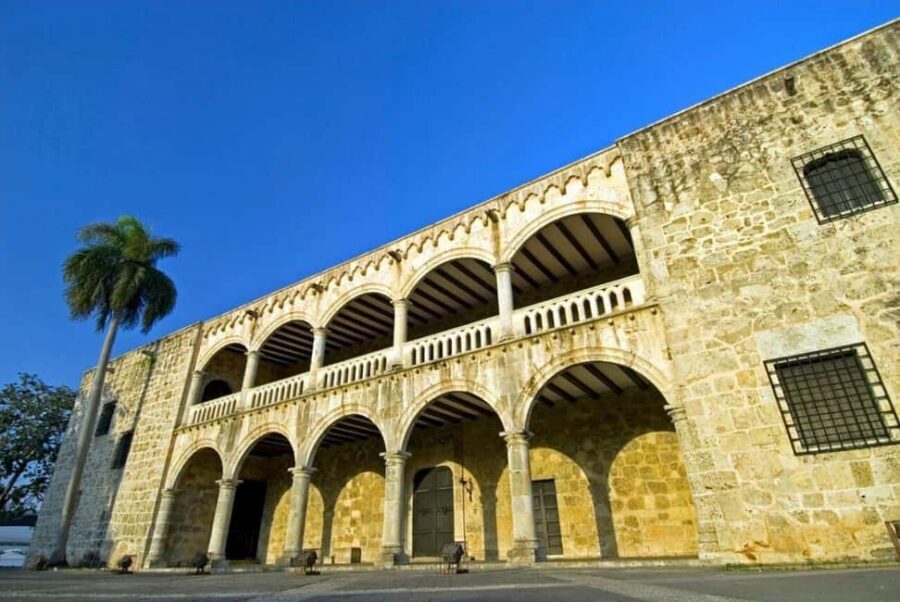
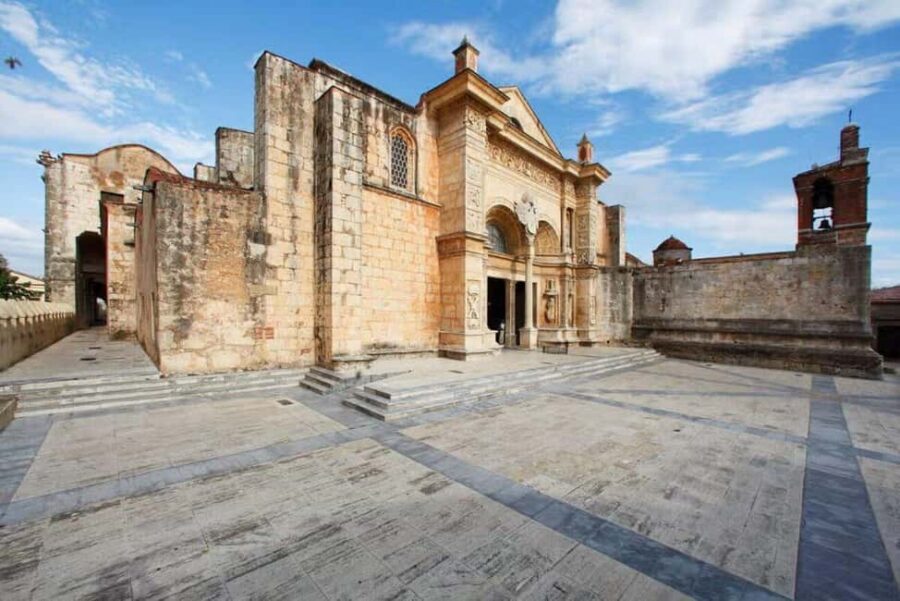
If you’re chasing the most historically dramatic sights, this is where the tour delivers. The highlight list includes the First Cathedral of the New World area and key colonial residences and streets tied to early settlers.
Here are the stops that stand out for meaning, not just aesthetics:
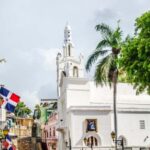
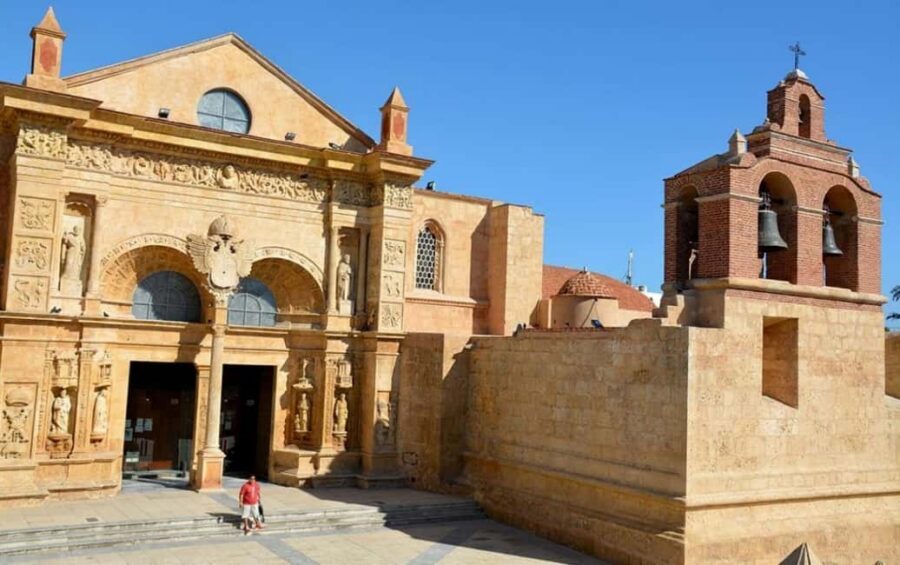
- The First Cathedral of the Americas area: a flagship landmark that helps you grasp how central religion and colonial power were in daily life.
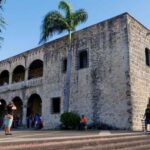
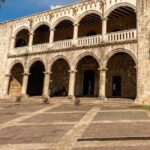
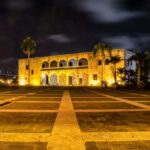
- Alcázar de Diego Colón: the residence of the Grand Admiral’s family. This is the type of stop where guide storytelling really helps—because you’re not just looking at a building, you’re learning about the people connected to it.
- Calle Las Damas: famous as one of the early streets associated with colonial life. It’s a small street with a big reputation, and walking it gives you that “first street” feeling the tour promises.
One more practical thing: these sights are all close enough that the guided walk format works. You’re not spending the day commuting between far-flung locations. You’re moving through a compact zone, which is ideal if you don’t want to fight traffic or figure out entry times on your own.

Royal Houses, forts, museums, and the other Colonial Zone anchors
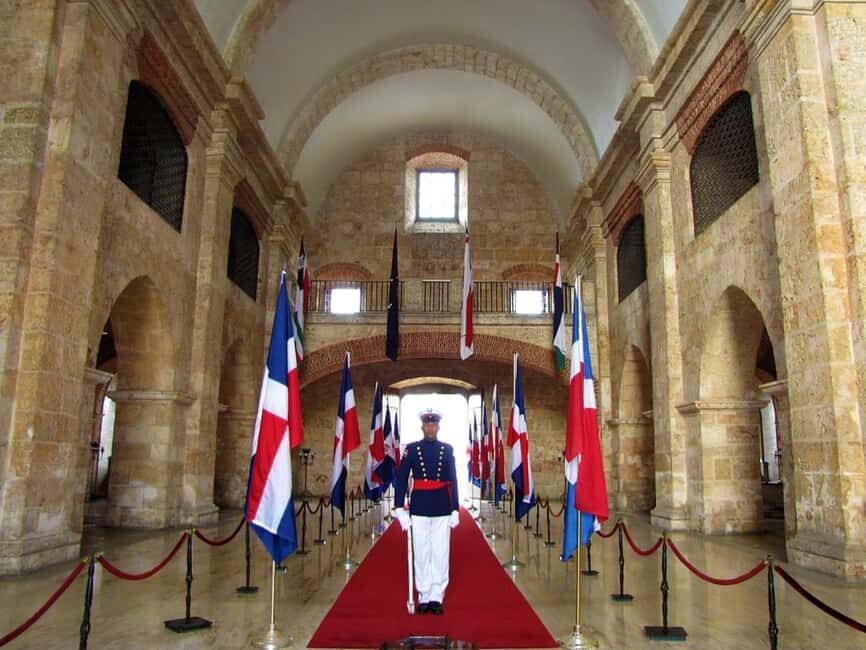
After the big-name buildings, the tour also points you toward several other key stops in the Colonial Zone. Even when you don’t have time to linger in every museum room, it helps to see what’s where.
From the included site list, you may encounter or have time around places like:
- Royal Houses Museum
- National Pantheon
- Parque Colón
- Ozama Fortress
- Duarte Museum
- Taino Museum
I like having these “anchors” because they add variety to what can otherwise feel like one long church-and-square loop. The presence of the Taino Museum is especially helpful if you want a broader Dominican lens beyond the Spanish colonial storyline. Also, fortress stops like Ozama Fortress help you understand the defensive side of early Santo Domingo, which changes how you read the architecture you’re seeing.
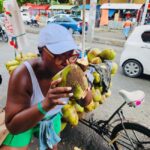
And there’s one more detail that matters for your planning: the tour also includes a Craft Market visit. That’s not just for shopping; it’s a chance to slow down and see the kinds of local crafts and products people actually make and sell.
Sundial (Reloj de Sol) and Plaza España: where you’ll meet and regroup
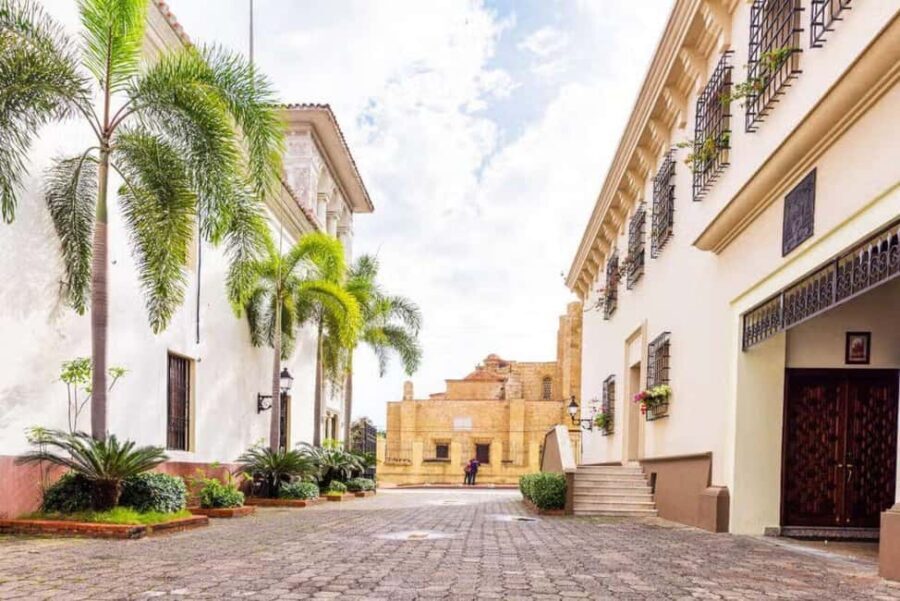
Logistics matter more on a city tour than you’d think, especially if you’re arriving in Santo Domingo for the first time. Your meeting point is listed as Reloj del Sol (Sundial) right in front of the Royal Houses Museum, with coordinates provided: 18.4757321, -69.88285739999999.
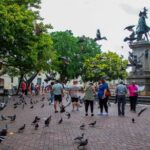
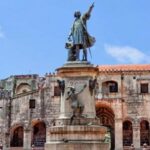
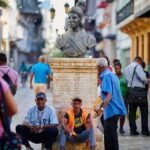
You’ll also want to pay attention to an additional instruction: the guide may be waiting in Plaza España, in front of the Statue of Nicolas de Ovando. The tour data gives both locations, so I recommend you double-check where your particular pickup or start option routes you.
Why this matters: if you’re even slightly off on the meeting spot, you can waste time that you wanted to spend in the cathedral, fortress, or caves.
Time, pace, and what to bring for 2 to 9 hours
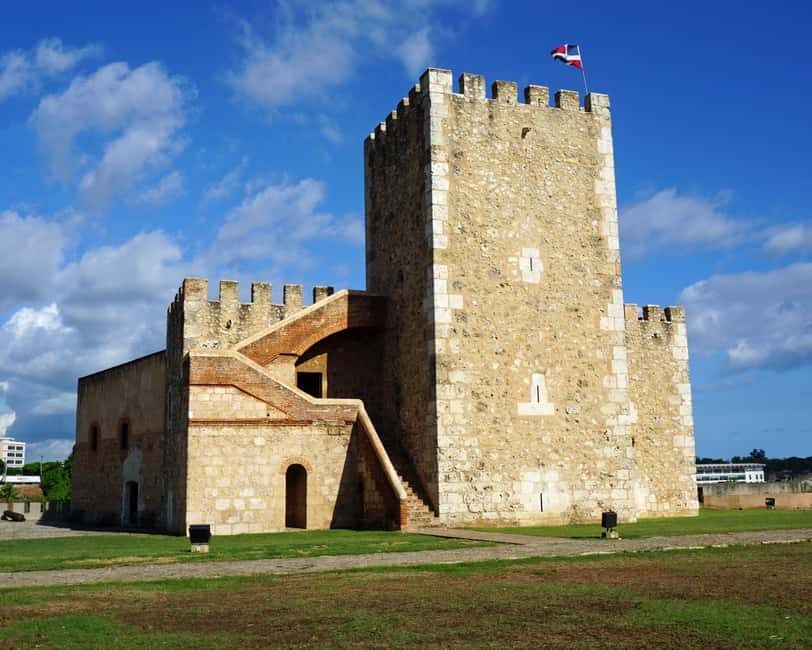
The tour duration is listed as 2 to 9 hours, which means your day may run short or stretch out depending on your pickup option and timing. That range is a clue: you should treat this like a major sightseeing block, not a quick half-hour outing.
The walking is real, and it spans two very different environments:
- city streets in the Colonial Zone
- natural terrain around the park experience
So pack like you’re walking a lot. Comfortable shoes matter more than anything else. Bring water too if you can, even though water is included, because you’ll likely want it while moving between stops.
Also, note that the tour is listed as not suitable for wheelchair users. If anyone in your group needs step-free or accessible routes, this is a key filter.
Language-wise, you’ll have a live guide in Spanish and English, which helps a lot if you want full explanations rather than “sign reading” tourism.
Value check: how a $5 price can still feel like a real tour
Let’s talk money. $5 per person is unusually low for a tour that includes:
- transportation to the excursions
- tickets to each attraction
- the Colonial Zone visit
- tickets to national monuments and Los Tres Ojos Park
- a national tour guide in the Colonial Zone
- water
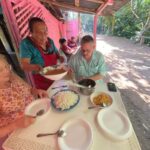
- mamajuana
- a visit to the Craft Market
That’s a lot of “included” items for one price. The catch with any bargain deal is quality consistency. Here, the tour has a strong 4.9 rating with 157 reviews, and multiple guide names come up with praise—Medina, Fernando, Domingo, Francisco, and Jose Miguel Medina—often for clear storytelling and a relaxed pace.
My practical advice: if you care more about meaningful context than collecting ten quick photos, this kind of guided structure is where value shows up. The paid tickets and guide time are the part you’d otherwise spend time and money trying to assemble yourself.
Also keep in mind the rule: alcohol and drugs aren’t allowed. At the same time, the tour includes mamajuana. If you’re sensitive to alcohol, consider it a point to clarify before you go.
Who should book this tour, and who should skip it
This tour is a great match if you want:
- a first-time orientation to Santo Domingo’s Colonial Zone
- major highlights without building your own plan
- a mix of history and nature in one day
- a guided explanation of why the sites matter
It’s especially good for history lovers who like narratives, not just architecture spotting. And it works well for couples and small groups because the walk is structured and the caves provide a satisfying change of scene.
Skip it if:
- you need wheelchair-friendly access (the tour is not suitable)
- you hate walking on mixed terrain
- you’re expecting a slow, sit-down “museum-only” pace (this is described as thorough and guided, but it’s still a movement-based itinerary)
Should you book this Colonial Zone + Columbus Lighthouse + Los Tres Ojos tour?
I think it’s a solid yes if you’re in Santo Domingo Province and you want a concentrated, guided experience. The combination of Los Tres Ojos caves + the Columbus Lighthouse museum + the Colonial Zone’s big monuments is a smart one-day plan. You get nature, symbolism, and street-level colonial context, and you don’t have to coordinate tickets and entry timing yourself.
Book it if you:
- want a clear Colonial Zone orientation
- enjoy expert guide explanations
- appreciate seeing the “first city” storyline in real places
- like the idea of finishing a city walk with a sense of how the city’s myth and power shaped its buildings
Don’t book it if you need full accessibility support or you want a totally relaxed, minimal-walking day.
FAQ
Where do I meet the guide?
Your meeting point is listed as Reloj del Sol (Sundial) right in front of the Royal Houses Museum (coordinates: 18.4757321, -69.88285739999999). The information also notes the guide may be waiting in Plaza España in front of the Statue of Nicolas de Ovando.
Is pickup included?
Pickup is optional. It’s included for the main hotels in the Punta Cana and Bávaro hotel zone, and in the Uvero Alto and Macao Zone there may be an additional cost.
How long is the tour?
Duration is listed as 2 to 9 hours. Starting times depend on availability.
What languages will the guide speak?
The live guide speaks Spanish and English.
What attractions are included in the tour?
The tour includes visits connected to Los Tres Ojos Park, the Columbus Lighthouse, and the Zona Colonial (including major historic monuments and museums listed for the area), plus a Craft Market visit.
Is this tour wheelchair accessible?
No. The tour is not suitable for wheelchair users.
Is there a cancellation window?
Free cancellation is available up to 24 hours in advance for a full refund.