REVIEW · SANTO DOMINGO
Santo Domingo: Colonial Zone Walking Tour with Tastings
Book on GetYourGuide →Operated by Ricesar · Bookable on GetYourGuide
Stroll, sip, and learn in Santo Domingo. This walking tour strings together the Colonial Zone landmarks with three hands-on flavor stops, so you get the city’s stories through what you actually taste and see. You’ll walk past major sites like the Catedral and Plaza España, then shift into local craft with a Larimar workshop and the Rum Museum.
Two things I really like about this experience are the tea, chocolate, and Mamajuana tasting and the fact that you also get Larimar craftsmanship in real working conditions, not just a photo stop. The tour is also guided by locals who help you connect the streets to the culture. One possible drawback: it includes alcohol tastings (Rum and Mamajuana), and you’ll be on your feet for about two hours.
If you can line up the right guide, it makes a difference. One standout is Medina, praised for being friendly, funny, full of energy, and good at pointing out the small details that turn a walk into something memorable rather than a checklist.
In This Review
- Key things to know before you go
- Why the Colonial Zone walking route works so well
- Finding your meeting point: two starting options in the same area
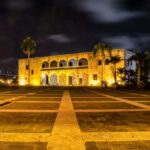
- The first walk: Alcázar de Colón, Museo de las Casas Reales, and getting your bearings
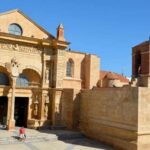
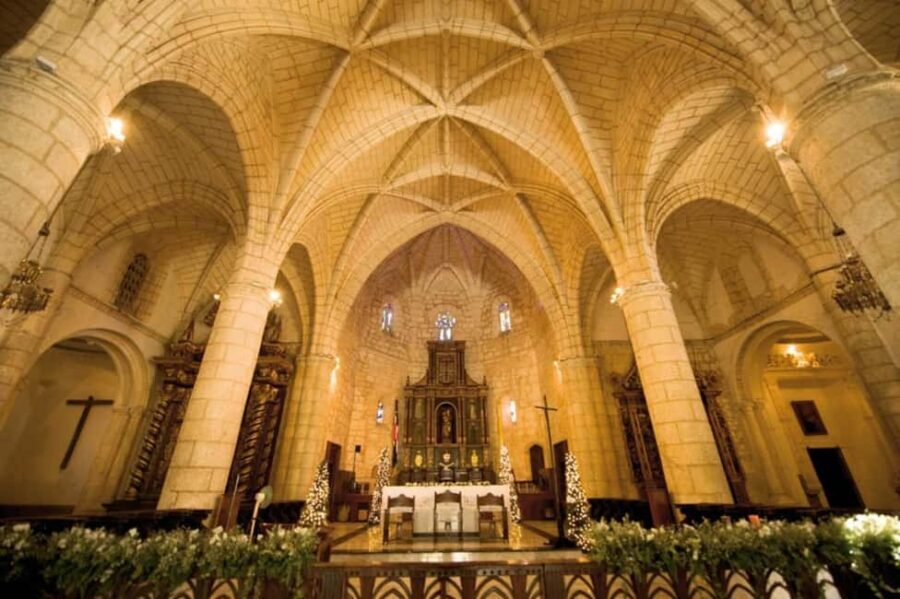
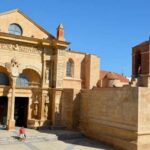
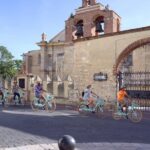
- Landmarks on foot: Calle de las Damas, Plaza España, and the Catedral Primada de América
- Tea, chocolate, and Mamajuana tasting: a cultural shortcut to Dominican flavors
- Larimar workshop visit: seeing how a Dominican-only stone becomes jewelry
- Rum Museum lesson and tasting: Dominican rum from production to pour
- Price and value: why $20 can make sense here
- Best way to get the most out of the 2-hour pace
- Who this tour suits best
- Should you book this Santo Domingo Colonial Zone tasting tour?
- FAQ
- How long is the Santo Domingo Colonial Zone walking tour?
- What does the tour cost?
- Where do I meet the guide?
- What tastings are included?
- Do I visit a Larimar workshop?
- Is there a rum-related stop?
- What’s included in the tour price?
- What languages are available?
- What about cancellation and refunds?
Key things to know before you go
- Tea, chocolate, and Mamajuana tasting so you understand the drinks, not just sample them
- Larimar workshop visit to see how a Dominican-only stone becomes jewelry
- Rum Museum entrance with tasting to connect production with what’s in your glass
- Colonial Zone walking route with major stops like Catedral and Plaza España
- Local guide energy that helps you notice details and stay curious
Why the Colonial Zone walking route works so well
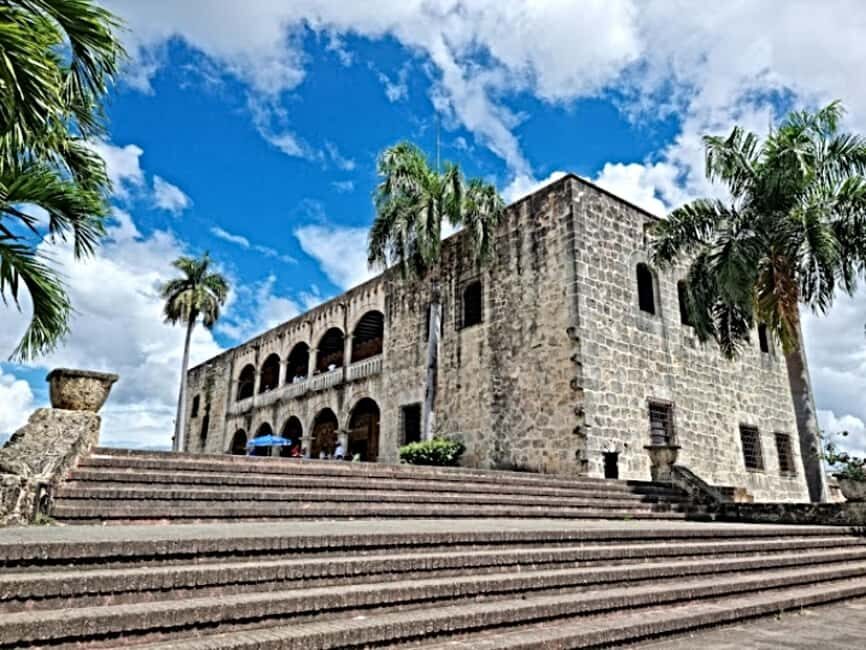
Santo Domingo’s Colonial Zone is the kind of place where a car window won’t teach you much. The streets are walkable, the sights are close enough to link together, and the architecture helps everything feel connected. This tour leans into that: it keeps you moving, but not fast, with short guided segments and time to look.
What makes it especially practical is the mix of “see” and “taste.” You’re not just touring buildings. You’re also meeting the Dominican Republic through everyday culture—drinks, craft, and rum—so the trip has texture.
And yes, it’s also UNESCO World Heritage territory, so you’re walking through a place with real cultural weight, not just pretty streets.
You can also read our reviews of more walking tours in Santo Domingo

Finding your meeting point: two starting options in the same area
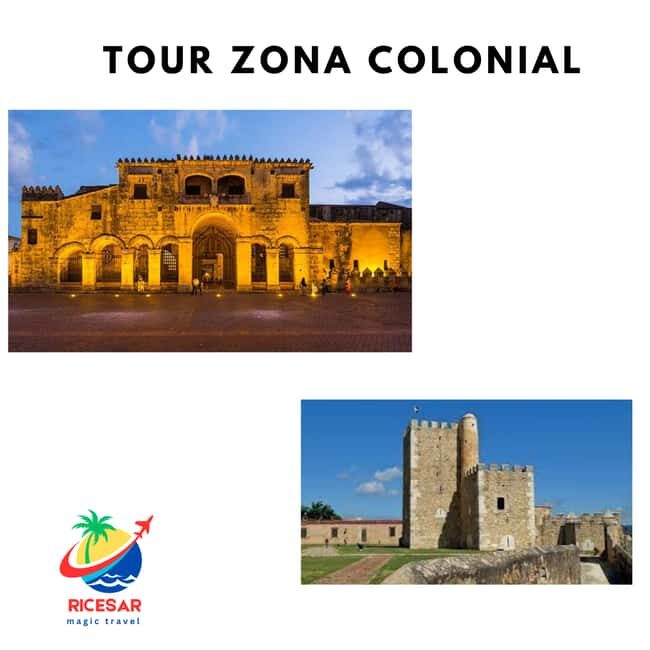
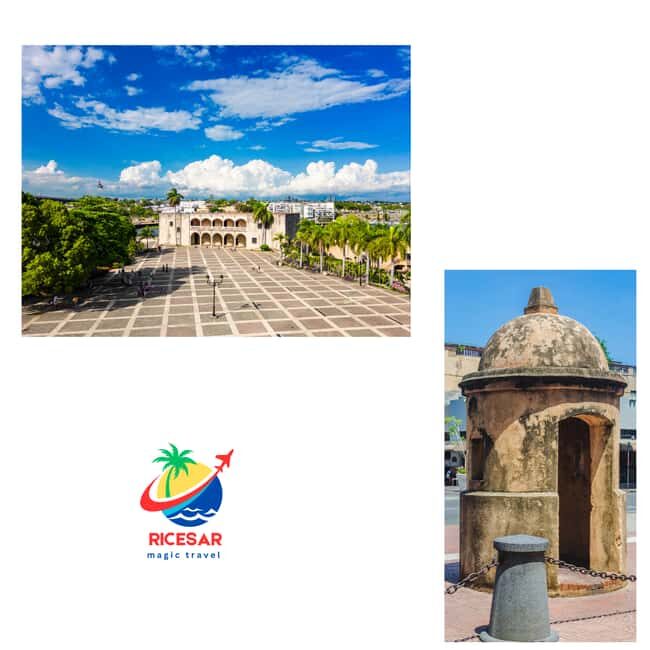
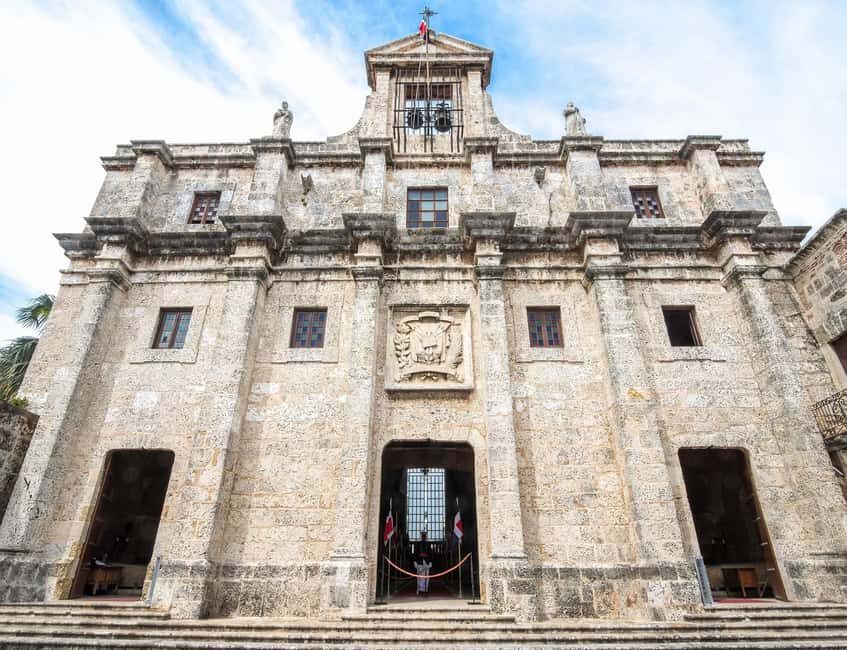
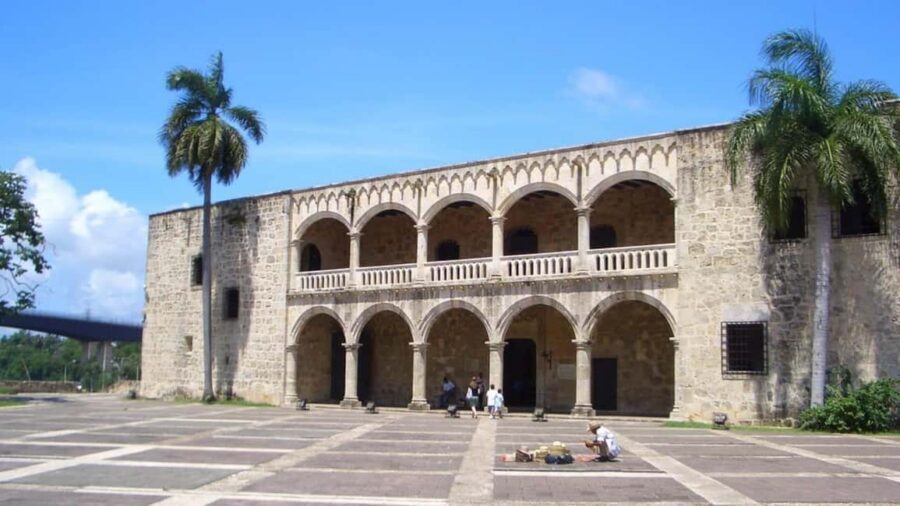
Your day starts at a Casas Real museum zone meeting point, with two possible starting locations depending on what you booked: the Fortress of Columbus or Museo de las Casas Reales. That flexibility is useful because both options keep you in the heart of the Colonial Zone so you don’t waste the first part of the tour commuting.
If you’re trying to plan calmly, pick one starting option and treat it like your anchor. Arrive a little early so you can settle in before the walking portion begins. (Street activity can be lively here, and you’ll feel better if you’re not hunting for your guide at the last second.)
The first walk: Alcázar de Colón, Museo de las Casas Reales, and getting your bearings
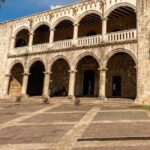
The early part of the route is designed to get you oriented fast. You’ll get a short guided stop at Alcázar de Colón (about 10 minutes) before continuing through the Colonial Zone main sights. Then you’ll pass by or include another brief visit around the Royal House museum area (also around 10 minutes), which helps put dates and names to what you’ll see next.
This is the part where a good guide matters. A strong guide doesn’t only state facts. They point out what to notice—shapes, layouts, and street patterns—so your brain starts mapping the neighborhood while you’re still fresh.
From a practical view, those first stops also help break up the walk. You’re not thrown into one long “just walk” stretch before you get a payoff.
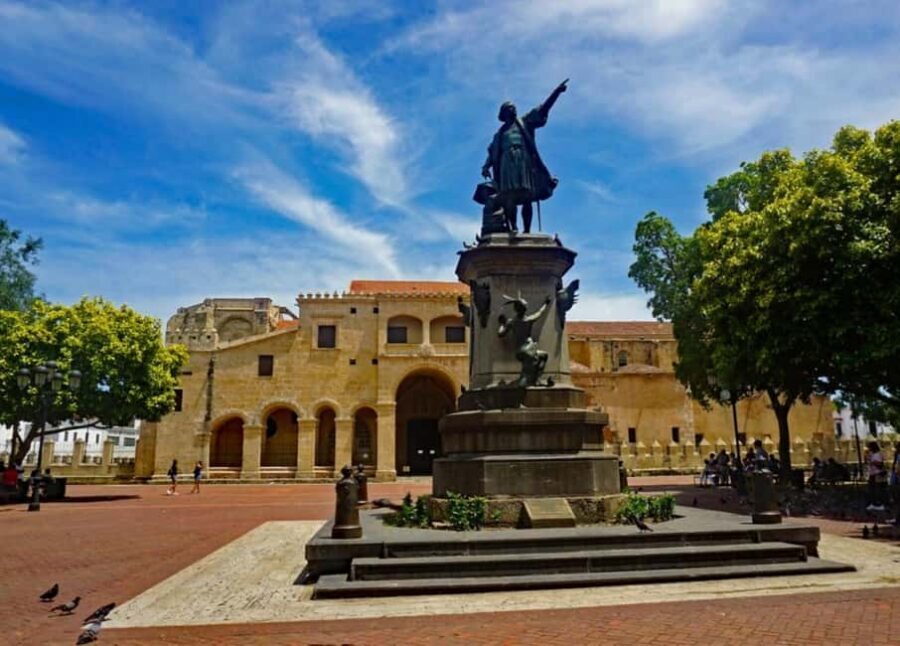
Landmarks on foot: Calle de las Damas, Plaza España, and the Catedral Primada de América
Once the route locks in, you’ll move through several core sites that shape Santo Domingo’s identity.
Here’s what the walking flow tends to feel like:
- A guided walk through the main monument area (about an hour total for the Colonial Zone portion)
- Stops that include Catedral Primada de América and the surrounding historic core
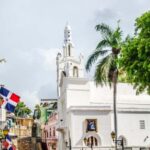
- Short segments for look-and-photos, including areas like Calle de las Damas and Plaza España
A big reason I like this style is how it keeps you from missing the main actors. The Catedral is a must in this area, and getting guided time there is valuable. Without guidance, you might see a stunning building and still miss the “why this place mattered” piece.
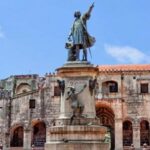
There are also quicker stops that are worth using well. Calle El Conde and Parque Colón give you a feel for how the Colonial Zone functions today. Even if you only have brief time, being guided means you know what to look for—street life, architecture details, and the little cues that tell you where the neighborhood’s pulse is.
Tea, chocolate, and Mamajuana tasting: a cultural shortcut to Dominican flavors
The tour includes a tasting stop for tea, chocolate, and Mamajuana. This is more than a snack break. It’s a quick way to understand how Dominican flavors and traditions travel through daily life.
Teas and chocolate are easy to taste, but what matters is the context you get while tasting. You’ll learn about cultural significance—how these drinks fit into identity and tradition—so you’re not just chewing sweetness and moving on.
Then there’s Mamajuana, which is a big Dominican signature. Since the tour includes it specifically, you’ll be able to place it in the bigger rum and tradition story rather than treating it like a random local experiment. And because the tasting is scheduled as one of the main features, you get it at a point when you’ll still be interested, not at the end when your feet are already demanding a break.
One note for your planning: this tour’s tastings include alcohol-adjacent experiences (Rum Museum tasting and Mamajuana). If you don’t drink, you can still enjoy the learning side. Just be ready that you may need to choose what you sip.


Larimar workshop visit: seeing how a Dominican-only stone becomes jewelry
Next comes the craft stop: a Larimar workshop where artisans turn this rare blue stone into jewelry. Larimar is found only in the Dominican Republic, and that “only here” detail is the hook that makes the visit feel real, not generic.
What I think you’ll like most is the workshop format. You see the transformation process, which gives you a better sense of why Larimar jewelry costs what it costs. It’s not just a pretty color. It’s a specific material, handled by people who do this work regularly.
This stop also helps you shift from “history and buildings” to “living craft.” In a place like the Colonial Zone, it’s tempting to treat everything as museum material. This workshop reminds you that Dominican culture includes hands-on skills and ongoing production.
As for purchases: personal buys at the Larimar shop are not included, so if you want to bring something home, plan on it. If you don’t, you can treat it as a learn-only visit and just enjoy watching.
Rum Museum lesson and tasting: Dominican rum from production to pour
The final major experience is the Rum Museum, where you learn about how Dominican rum is produced and then enjoy a tasting session. For rum fans, this is the part that turns a bottle on a shelf into something you can describe after the tour.
Even if you’re not a serious rum drinker, the educational setup is a plus. You’re not only tasting. You’re learning what goes into the final product. That makes your tasting smarter: you’ll pay attention to differences and know what you’re reacting to.
And because it’s built into a two-hour tour, it stays efficient. You get the museum entrance, the explanation, and the tasting without needing a whole separate afternoon plan.
If you’re watching how much alcohol you drink, you can take it slow. A tasting doesn’t require turning it into a party. You’re there for the learning and the flavor cues.
Price and value: why $20 can make sense here
At $20 per person for a two-hour guided walk, this is a fairly efficient deal—mostly because you’re bundling several paid elements into one format. You’re paying for:
- A local certified guide
- Walking time through key Colonial Zone areas
- A structured tasting that includes tea, chocolate, and Mamajuana
- A visit to a Larimar workshop
- Rum Museum entrance plus a tasting
If you were to piece those components together separately, you’d likely spend more time and more money. The big value isn’t only the price. It’s the pacing and the sequence: you start with landmarks, then move into Dominican flavors and craft, ending with rum education.
So this is a good pick if you want to do a lot of “real Santo Domingo” without setting aside half a day. If you already have a strong plan for the museums and you only want food, then this might feel like too many stops at once.
Best way to get the most out of the 2-hour pace
This is a compact tour. That’s great, but it also means your comfort choices matter.
Bring comfy walking shoes, since you’ll cover multiple streets and several stops over about two hours. Bring sunscreen and water if you tend to get hot easily, because walking in historic areas can still mean sun exposure.
Also, give your guide permission to steer the focus. When the guide points out small details—street layout, building features, or what to pay attention to during tastings—it makes the whole experience feel less rushed and more connected.
If you’re language-dependent, you’re in good shape: the guide operates in Spanish, English, and French.
Who this tour suits best
This tour fits you if you like history but don’t want a purely lecture-style visit. It also fits you if you enjoy food culture and want tasting stops that come with context.
You’ll probably be especially happy if:
- You’re short on time and want the Colonial Zone plus tastings
- You like seeing craft work in person, not only browsing souvenirs
- You want a rum and Dominican drinks introduction that’s structured
It might be less ideal if:
- You can’t be around alcohol tastings at all
- You dislike walking tours and prefer vehicles or slower museum-only pacing
Should you book this Santo Domingo Colonial Zone tasting tour?
Yes, I’d book it if you want a tight, high-value sampling of Santo Domingo. The combination of guided landmark walking, tea/chocolate/Mamajuana, a Larimar workshop, and a Rum Museum tasting gives you more than one kind of memory.
The deciding factor for many people will be the guide. If you can request or get assigned to Medina, go for it. The style described for Medina is exactly what you want on a walking tour: friendly, energetic, and good at helping you notice the small details that turn a route into a story.
If you don’t drink alcohol, consider it anyway with the mindset that you can skip or limit tastings and still enjoy the cultural explanation.
FAQ
How long is the Santo Domingo Colonial Zone walking tour?
It runs for about 2 hours.
What does the tour cost?
The price is $20 per person.
Where do I meet the guide?
The meeting point can vary based on the option booked. It may be at the Fortress of Columbus or at Museo de las Casas Reales, and the tour notes a meeting at the Casas Real museum zone.
What tastings are included?
You’ll have a tea, chocolate, and Mamajuana tasting.
Do I visit a Larimar workshop?
Yes. The tour includes a visit to a Larimar workshop/factory where artisans work with the stone.
Is there a rum-related stop?
Yes. You’ll visit the Rum Museum, learn about Dominican rum production, and enjoy a tasting session.
What’s included in the tour price?
A local certified guide, the walking tour in the Colonial Zone, the tea/chocolate/Mamajuana tasting, the Larimar workshop visit, and Rum Museum entrance with tasting.
What languages are available?
The tour guide offers Spanish, English, and French.
What about cancellation and refunds?
You can cancel up to 24 hours in advance for a full refund.
If you’d like, tell me your travel dates and which starting option you’re considering, and I’ll help you pick the smoother plan around your other Santo Domingo stops.