REVIEW · SANTO DOMINGO
Full-Day Adventure Tour of Culture through Santo Domingo
Book on Viator →Operated by Oasis Humpack RD · Bookable on Viator
Santo Domingo feels compressed into one day. This full-day guided adventure mixes Colonial City landmarks with a nature stop at Los Tres Ojos, so you get both the stone-and-stories side of the capital and the cooler, cave-and-lake side. It’s a smart way to get your bearings fast in the oldest permanent European settlement in the New World.
I especially like the focus on major sites you can’t easily stitch together yourself, like the Colonial City, the Columbus Lighthouse, and the San Francisco Monastery ruins. I also like that the tour includes hotel pickup and a planned lunch, which makes it feel like a real day out instead of a string of stressed taxi rides.
One thing to consider: Los Tres Ojos involves going down many stairs and it can be noticeably hot and humid inside the caverns, so it’s not the best fit for anyone who struggles with steps.
In This Review
- Key highlights to know before you go
- Morning Start: How the 10:30 Plan Shapes Your Day
- Zona Colonial: Where Santo Domingo’s Story Begins
- Columbus Lighthouse (Faro A Colón): A Monument Turns Into a Museum Stop
- Alcázar de Colón: Power, Prestige, and the Plaza de España Setting
- Basilica Cathedral of Santa María la Menor: Faith, Continuity, and Craft
- Calle El Conde: The Street That Holds a Name and an Era
- Los Tres Ojos National Park: Caves, Lake Views, and Heat
- Monasterio de San Francisco: Ruins That Feel Like a Time Machine
- Fortaleza Ozama (Ozama Fortress): Spanish-Era Defense in Stone
- Lunch and Transfers: The Hidden Value in This Price
- Price and Value: Is This $125 Deal Worth It?
- Who Should Book This Santo Domingo Tour
- Should You Book This Culture Through Santo Domingo Tour?
- FAQ
- How long is the Santo Domingo full-day tour?
- What time does the tour start?
- Does the tour include hotel pickup and transfers?
- Is there an admission cost for the stops?
- Does the tour visit Los Tres Ojos National Park?
- How big is the group?
- What happens if the weather is bad?
- What is the cancellation policy?
Key highlights to know before you go
- Zona Colonial in a timed, guided route that hits the big historical markers without wandering
- Columbus Lighthouse (Faro a Colón) for a quick museum-style stop tied to Columbus
- Los Tres Ojos National Park caves with freshwater lakes and a inside-vs-outside viewing split
- Monasterio de San Francisco ruins inside the World Heritage area
- Fortaleza Ozama (Ozama Fortress) for a feel of Spanish-era defensive architecture
- Lunch plus transfers so you spend less time figuring out logistics
Morning Start: How the 10:30 Plan Shapes Your Day
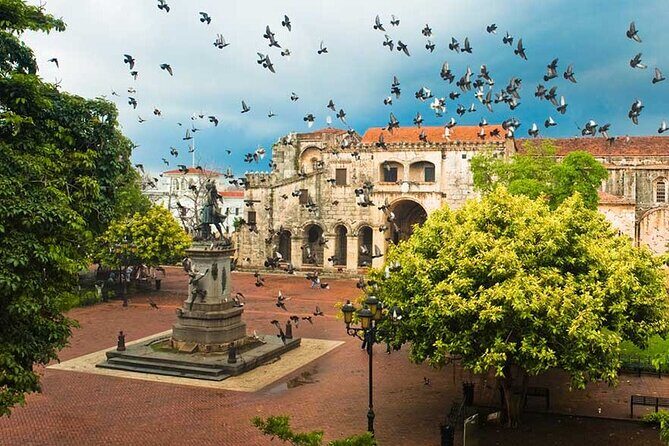
This tour starts at 10:30 am, which is a nice middle ground. You avoid the late start that eats your afternoon, but you also don’t feel rushed before the day gets hot. If you’re staying somewhere in Santo Domingo, the pickup matters because it turns the day into a guided loop instead of a puzzle.
With a maximum group size of 40 travelers, you should expect a bus-based rhythm. That’s not a bad thing in the Colonial City, where traffic and parking can be a headache. The guide keeps the pace moving, and your time gets split into predictable chunks rather than free-form wandering.
Also, the tour uses a mobile ticket, which is simple. You don’t need to think about paperwork once you’re ready to go. The main thing you’ll want to think about is clothing and shoes, especially if Los Tres Ojos is on your must-do list.
You can also read our reviews of more tours and experiences in Santo Domingo

Zona Colonial: Where Santo Domingo’s Story Begins
The first stop is the Zona Colonial, the oldest urban core in Santo Domingo. The big claim here is the founding date: it was the first permanent European settlement in America, founded in 1502 by Spanish colonizers. Even if you’ve heard that before, standing in this area is where it starts to feel real.
You get about 45 minutes here. That’s enough time to see the layout, spot key buildings, and let your guide connect the dates to what you’re looking at. If you’re the type who likes to understand why a place matters, this is where the tour earns its keep.
What I like about this approach: you don’t just see one building. You’re given context for the whole neighborhood, so later stops make more sense. The Colonial City can feel like a museum corridor, but a good guide helps you read it as a living, layered place.
Possible drawback: because the stop is time-based, you won’t have hours to wander slowly. If you prefer unstructured time, plan to return to Zona Colonial on your own another day after this tour gives you the map.
Columbus Lighthouse (Faro A Colón): A Monument Turns Into a Museum Stop
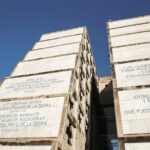
Next up is the Columbus Lighthouse, also known as Faro a Colón. It’s a Dominican monument and museum built in honor of Christopher Columbus, tied to the idea of the New World. This stop is less about a quick photo and more about understanding how a nation narrates its own connections to that era.
Again, you get around 45 minutes. That can be enough to absorb the main exhibits and take in the monument setting without dragging your day to a crawl. It’s also a good mental reset between Colonial City walking and the more natural-feeling stop to come.
If you’re curious about how history gets interpreted through monuments, this is a worthwhile stop. Even if the messaging isn’t your favorite, it still helps you understand what people around Santo Domingo choose to emphasize.
Alcázar de Colón: Power, Prestige, and the Plaza de España Setting
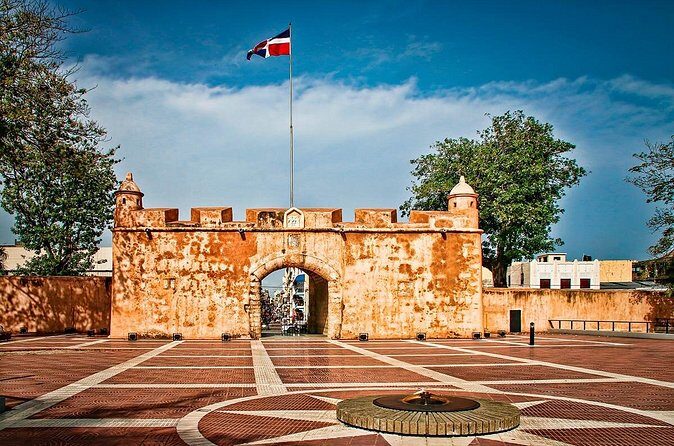
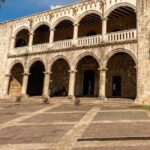
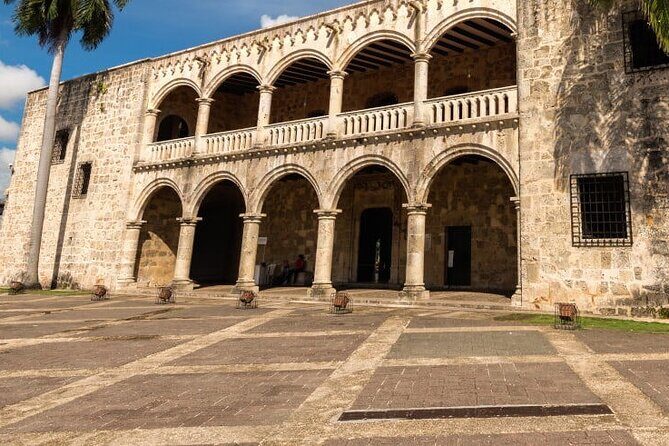
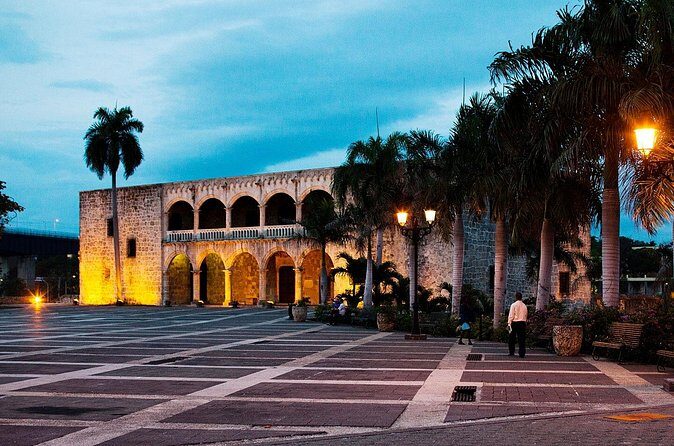
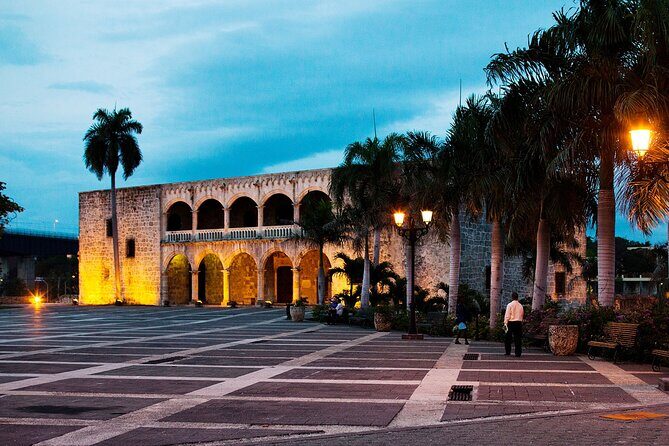
The tour then moves to Alcázar de Colón, or the Viceregal Palace of Don Diego Colón. You’ll find it in the Plaza de España area within the Colonial City. This stop is tied to the idea that the region wasn’t just about exploration and settlement. It was also about governance and status.
You’ll spend about 45 minutes. That’s a good window for a palace stop, because you’re typically looking at exterior form, key interior features (depending on what’s available), and details explained by the guide. If you like architecture and want the stories behind the stones, this works well.
What to watch for: because it’s a palace setting, the atmosphere can feel formal. Don’t expect it to be a casual street experience. Take it as a short lesson in how colonial life translated into buildings and public space.
Basilica Cathedral of Santa María la Menor: Faith, Continuity, and Craft
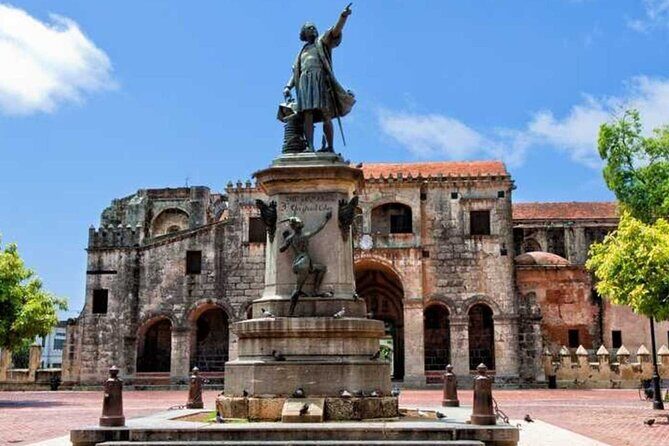
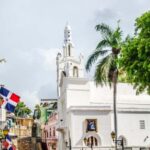
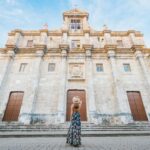
The Basilica Cathedral of Santa María la Menor (also known as Catedral Primada de América / Catedral de Santo Domingo) is next. It’s dedicated to Santa María de la Encarnación, and it’s one of the religious anchor points in the Colonial City.
You get another 45-minute block. In that time, you can usually appreciate the scale and layout, then have the guide fill in what makes the site significant for the city’s identity. Even if you’re not a church-only kind of person, cathedrals in old capitals have a way of revealing how communities organized themselves.
Why this stop matters: a lot of the day’s history is tied to conquest and administration. This one adds the other half: religious continuity and the cultural center role that churches often played.
If you’re visiting during a busy time of day, just remember: old cathedrals can be warm and crowded depending on local schedule. Go with calm expectations, not the idea of a private viewing.



Calle El Conde: The Street That Holds a Name and an Era
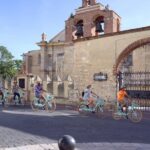
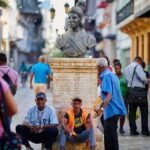
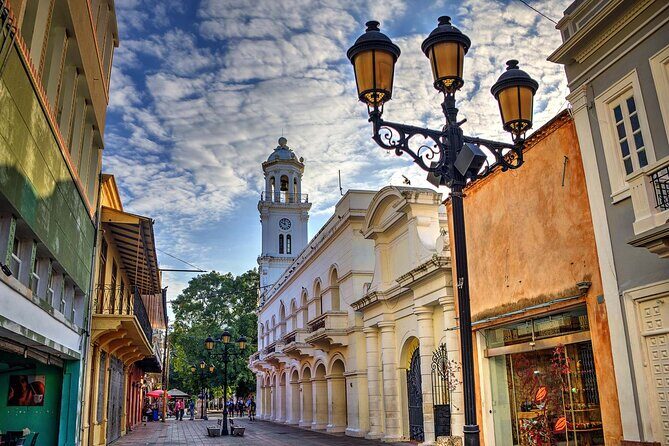
Then you’re on Calle El Conde, an old street in the Colonial City that once served as a main thoroughfare. It’s named after the Count of Peñalva. This is the kind of stop that’s easy to overlook if you only care about the biggest monuments.
But in practice, it’s a great pause. After palace and cathedral stops, a street lets you reset your eyes and understand how people moved through the area. A guide can point out which buildings face the street, how the street’s importance fits the city’s structure, and how the Colonial City’s layout shaped daily life.
My advice: treat this like a reading break. Stand in one spot for a minute, look both ways, and let the guide’s story help you build a mental map.
Los Tres Ojos National Park: Caves, Lake Views, and Heat
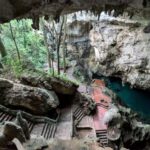
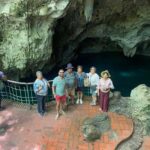
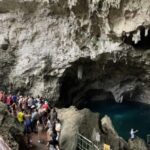
This is the nature curveball: Los Tres Ojos National Park. It’s a cavern system with a freshwater lake, naturally divided into three lakes that you can see from inside, plus a separate single lake you can view without going inside. You’ll spend about 45 minutes here.
A key detail from real-world experience: it can be hot and humid, and getting in means descending a lot of stairs. If you go, wear shoes you’re comfortable walking in for steps, not just flat sightseeing sandals.
What you’ll enjoy: the inside-versus-outside concept gives you variety in a short time. Even if you’re not a big cave person, the chance to see the lake system from within adds a different kind of Santo Domingo memory than the colonial stops.
Possible drawback: the physical side. If stairs are a problem for you, you’ll want to think carefully, since this is built into the experience. The tour doesn’t describe it as optional.
Monasterio de San Francisco: Ruins That Feel Like a Time Machine
Next comes Monasterio de San Francisco, one of the most important ruins in the Dominican Republic. It’s located in the Colonial City and has been declared a World Heritage Site. Even if ruins aren’t your thing, this kind of site works on you because it turns history into visible fragments.
You’ll get about 45 minutes. That’s enough time to understand what the monastery was and what you’re seeing now, especially with a guide framing it. It’s also a good stop for photos, but don’t let your camera take over. Ruins reward attention to shape and space.
Why it’s valuable on this tour: after the cathedral and palace stops, the monastery ruins show another layer of colonial-era life. It’s not just power and worship as finished structures. It’s what’s left, how it decays, and how the city remembers.
Fortaleza Ozama (Ozama Fortress): Spanish-Era Defense in Stone
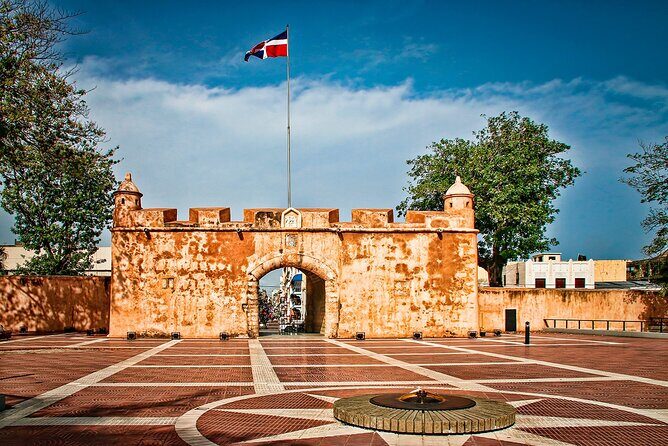
Finally, you’ll visit Fortaleza Ozama, also called Ozama Fortress. The fortress is one of the historical Cultural Monuments of the Colonial City and was built by the Spanish during colonial times. This is where the day’s timeline feels like it changes tone: from religion and administration to defense and control.
This stop is also about 45 minutes, which works well for fortress viewing because you’re typically walking edges, looking at layout, and taking in the defensive logic explained by your guide.
What you’ll likely feel: fortresses make you imagine movement. Where people stood, where they watched, where pressure came from. It’s a different lens on the same historical era you saw at earlier stops.
Lunch and Transfers: The Hidden Value in This Price
Let’s talk about what makes this tour feel like good value for $125 per person. The price isn’t just paying for access to landmarks. It’s also paying for transfers and lunch, plus a full-day guided structure across sites that are hard to coordinate quickly on your own.
In Santo Domingo, time costs. If you try to do a custom day alone, you’ll spend money on transportation and lose time figuring out where to go next. Here, you get a pre-set route from Zona Colonial into Los Tres Ojos and back through key monuments.
With 6 to 8 hours on the clock, the pacing matters. The stops being around 45 minutes each means you’re rarely stuck for long, but you also aren’t sprinting nonstop. It’s a rhythm that suits first-timers and history lovers, because it keeps you moving through the essentials while still giving your brain time to digest.
One caution: the tour is weather-dependent. If conditions are poor, the tour may be canceled due to weather and you’ll be offered a different date or a full refund.
Price and Value: Is This $125 Deal Worth It?
At $125, you’re paying for a guided day with a defined schedule. Here’s how I’d judge the value:
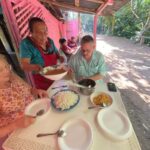
- Lunch included. Food logistics alone can add up and eat time.
- Hotel pickup and transfers. Transportation is usually the silent expense when you DIY this kind of day.
- Guided context. Several stops are deep-history sites. A guide helps connect them so you don’t just collect photos.
- Admission listed as free for the stops on this itinerary. That means you’re not paying extra at each stop based on what’s provided here.
Where the value can wobble is in the operator side. There have been reports of a seriously unprofessional experience and even a cancellation that disrupted plans. I can’t sugarcoat that risk. If your schedule is tight or you’re traveling on a fixed itinerary, it’s smart to confirm details and keep flexibility where possible.
Who Should Book This Santo Domingo Tour
This tour fits best if you want a guided overview without the stress of planning. It’s especially good for:
- First-time visitors who want Colonial City structure and a quick hit of the major monuments
- History buffs who like a timeline that moves from early European settlement to the city’s later colonial-era architecture
- People who want a single day that mixes city sights with a nature stop at Los Tres Ojos
It may not fit you as well if you need an easy-going day with lots of independent wandering, because the route is tightly scheduled. It’s also not ideal if you’re avoiding stair-heavy sites, since Los Tres Ojos can involve descending many steps and higher humidity.
Should You Book This Culture Through Santo Domingo Tour?
If you’re aiming for one solid day in Santo Domingo that hits the big Colonial City landmarks and includes Los Tres Ojos, I’d say yes, as long as you’re comfortable with stairs and heat in the caves.
This tour’s best strength is its structure: pickup, lunch, and a guided route that helps you understand what you’re seeing. The main reason to hesitate is the operator reliability risk that has shown up in past experiences. If your plans are flexible and you’re ready for a guided, history-and-caves day, this is a strong way to get oriented fast.
FAQ
How long is the Santo Domingo full-day tour?
It runs about 6 to 8 hours.
What time does the tour start?
The meeting start time is 10:30 am.
Does the tour include hotel pickup and transfers?
Yes. The tour includes pickup offered and lunch and transfers.
Is there an admission cost for the stops?
The listed stops include admission ticket free entries (including Zona Colonial, Columbus Lighthouse, and several others).
Does the tour visit Los Tres Ojos National Park?
Yes. You’ll visit Los Tres Ojos National Park, including time in the cavern area.
How big is the group?
The tour has a maximum of 40 travelers.
What happens if the weather is bad?
This experience requires good weather. If it’s canceled due to poor weather, you’ll be offered a different date or a full refund.
What is the cancellation policy?
You can cancel for a full refund up to 24 hours in advance. If you cancel less than 24 hours before the start time, the amount paid is not refunded.