REVIEW · NATIONAL PARKS
Santo Domingo: Three Eyes National Park Guided Tour
Book on GetYourGuide →Operated by Dominican Adventures Tours · Bookable on GetYourGuide
Cenotes hide under Santo Domingo. This guided walk through Los Tres Ojos (Three Eyes National Park) turns the city above into something you can’t see coming—cool caves, mineral formations, and inland lakes you’d swear are too big to be underground. I especially like that the timing is before big tour crowds, so you can actually look, not just pass through.
What I liked most is the human side: a real local guide, speaking English or Spanish, who connects what you’re seeing to indigenous stories and rituals. I’ve also seen named-guide praise for Francis, which lines up with what you want in a tour like this—someone who can translate wonder into understanding. One catch: plan on lots of stairs, and the tour is not built for reduced mobility.
If you go, go prepared. Expect a rain-or-shine experience, cave steps with no elevator, and be ready for a bit of on-site logistics (like walking, sometimes boat-related moments) that can affect how smooth it feels.
In This Review
- Key highlights to watch for on this Underground Adventure
- Santo Domingo’s Three Eyes: what Los Tres Ojos feels like in real life
- Price and what $35 buys you (and what to budget extra)
- Pickup, meeting point, and getting there before the park gets crowded
- Inside the caves: the 4-lake route, step by step
- Sulphur Lake: where the water starts and why it matters
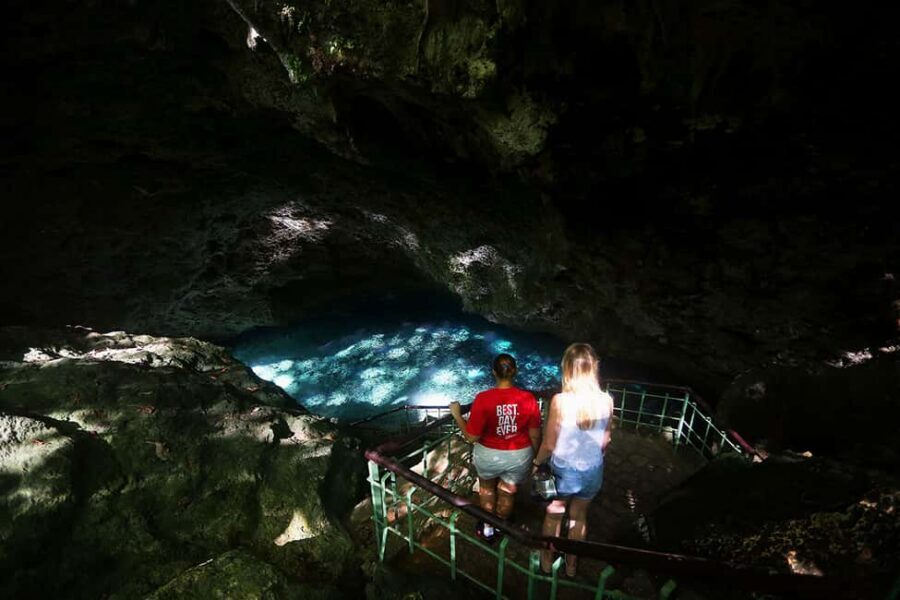
- La Nevera Lake: colors inside an impressive cave
- The rafting adventure: reaching the fourth lake
- Lake of Ladies: a story, a pause, and touching the water
- Why the guide makes (or breaks) this tour
- What to wear: stairs, shoes, and the “rain or shine” reality
- Who this tour is for (and who should skip it)
- Is it worth it? My honest booking advice
- FAQ
- FAQ
- How long is the Santo Domingo Three Eyes National Park guided tour?
- Is hotel pickup included?
- Where do I meet the guide?
- What languages are the guides?
- Is the tour wheelchair accessible?
- What’s included in the price, and is food provided?
Key highlights to watch for on this Underground Adventure
- Early entry helps you see the caves with fewer people milling around.
- Four-lake route: three interior lakes plus one exterior lake on the park’s circuit.
- Espeleotemas + interior waters: mineral formations and lakes inside caves are the main event.
- Rafting to the fourth lake adds an active, memorable step to the route.
- Lake of Ladies story includes a chance to touch the water during the stop.
- Confirm any boat fees in advance, since one unhappy report mentioned extra payment for a crossing.
Santo Domingo’s Three Eyes: what Los Tres Ojos feels like in real life
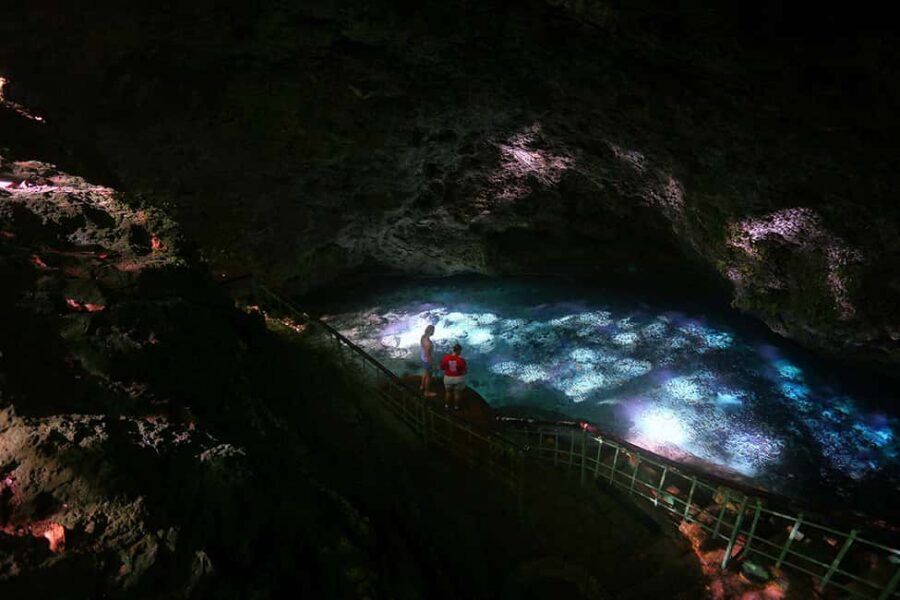
Los Tres Ojos is one of those Santo Domingo experiences that scrambles your expectations. You’re in the Dominican Republic’s largest city, then—step by step—your world turns into a cool, echoing system of cave rooms and lakes.
The tour is built around that shift. You’re guided through multiple stops where each lake has a different mood: some feel scientific and misty, others feel story-driven and almost ceremonial. And because you go at a special time, the experience tends to be calmer than the usual crush of park visitors.
This is also a tour for people who like “hands-on watching.” You’re not just looking at a viewpoint sign. You’re walking the trails, counting steps, and paying attention to formations and water colors as you move.
You can also read our reviews of more guided tours in Santo Domingo

Price and what $35 buys you (and what to budget extra)
At around $35 per person, this tour is aiming at good value for a guided cave circuit plus park entry. What you’re getting on paper is hotel pickup/drop-off if you select it, plus the park ticket, a guide, and a bottle of water.
Where you should be smart is what’s not included: food and drinks. Also, cave tours can have small “on-site reality” costs depending on how water transport is handled. One review complaint specifically mentioned an extra payment for a boat crossing. That doesn’t mean it’s universal, but it’s enough that I’d treat it as a question to ask before you arrive.
My practical take: if you want this to feel truly hassle-free, pack a light snack (even if food isn’t included) and plan on having a little cash or card ready for any park-related crossing you might not expect.
Pickup, meeting point, and getting there before the park gets crowded
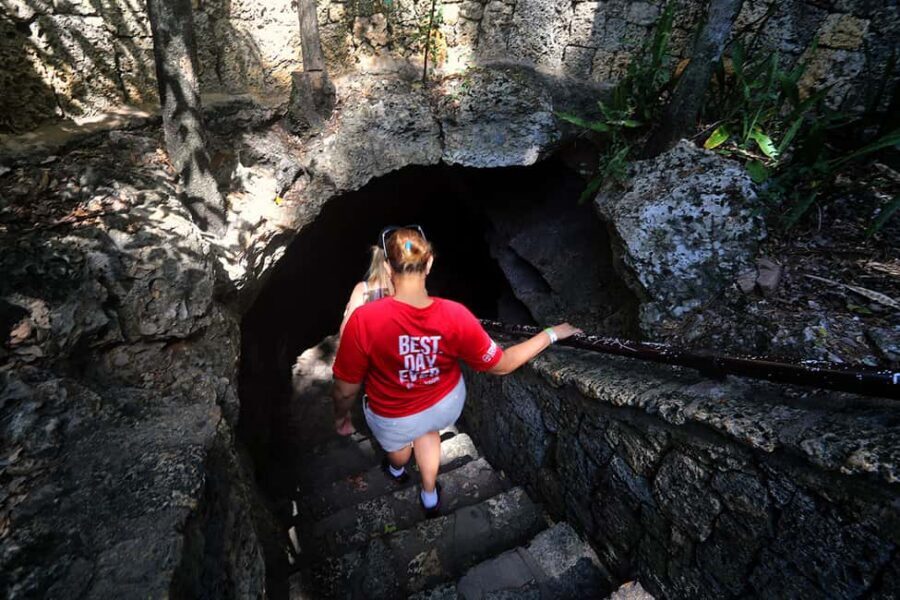
This tour uses a straightforward meeting system. Your guide wears a blue polo shirt, and the meeting coordinates are listed near the park area (18.4798333, -69.8430386). If you’re doing pickup, it’s optional and geared toward Santo Domingo city center and Colonial City hotels.
Timing matters here, and not in a vague way. You’ll be visiting the park at a time set to avoid the largest tour groups. That means less jostling, more room to take photos, and more time to ask questions while the guide is pointing out details in each cave area.
The tour duration is listed from 90 minutes to 3 hours, with a 1.5-hour guided tour inside the park. In practice, your real time will depend on walking pace, steps, and how long you linger at each lake.
Inside the caves: the 4-lake route, step by step
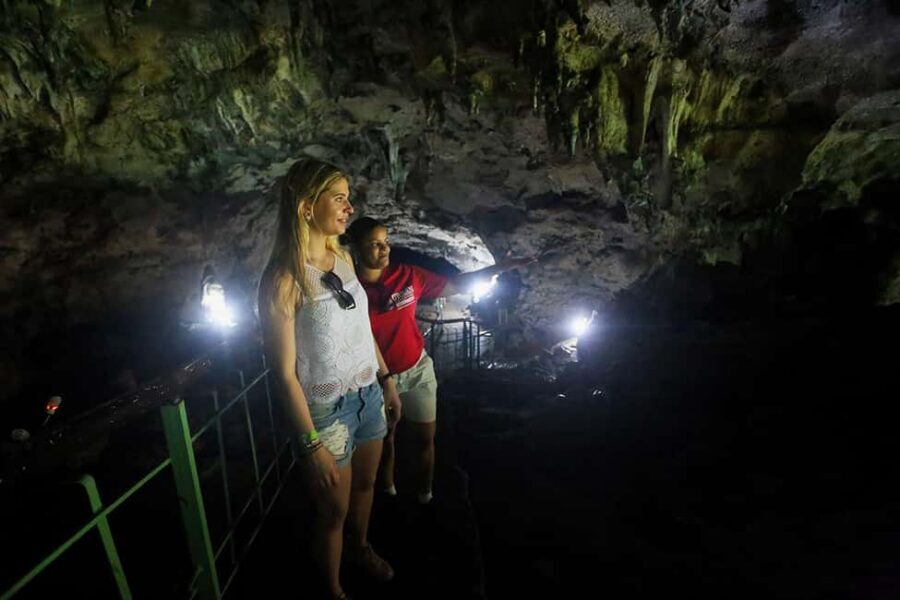
The heart of this experience is the park circuit. You’ll visit three interior lakes and one exterior lake, with cave viewing, walking trails, and an active moment to reach the final stop.
There’s also a lot of stair work. The park is set up with steps between areas, and there’s no elevator. So if you’re carrying a small daypack, keep it light and secure—your knees will notice.
Sulphur Lake: where the water starts and why it matters
Your route kicks off with the caves’ lakes, starting with the Sulphur Lake stop. This is where the guide explains the origin of the cenotes’ waters and their ecological significance.
Even if you don’t care about geology, this stop helps you understand what you’re seeing. Cenotes aren’t random holes in the ground. They’re connected to how water moves through the region and how the cave environment stays alive.
This is one of those moments where the guide’s storytelling turns into a practical lens: suddenly the minerals, the humidity, and the color of the water make more sense.






La Nevera Lake: colors inside an impressive cave
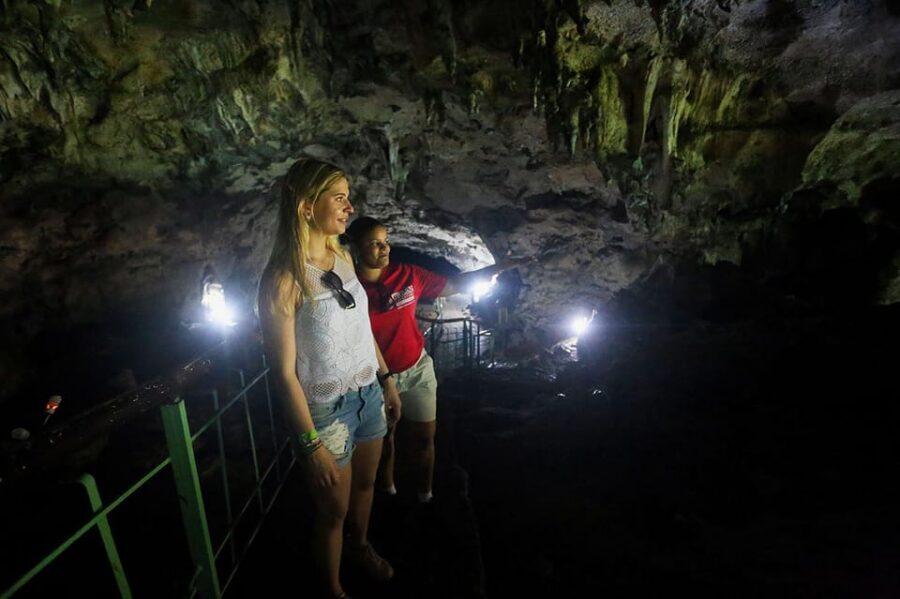
Next comes La Nevera Lake—named like the refrigerator, and known for its striking colors inside the cave setting. You’ll walk in, look around, and see that the cave doesn’t feel like a single room. It has angles, dark corners, and reflective water that changes how light behaves.
This is a good photo stop, but don’t only photograph. Take a minute to look with your eyes, too—espeleotemas and water surfaces can shift as people move and as your angle changes.
If you prefer tours where the guide points things out quickly and clearly, this is usually a strong segment because there’s a lot to notice in a short time.
The rafting adventure: reaching the fourth lake
One of the most memorable parts is the rafting adventure used to reach the fourth lake. This is where the tour stops feeling like a “walk-and-look” experience and becomes more active.
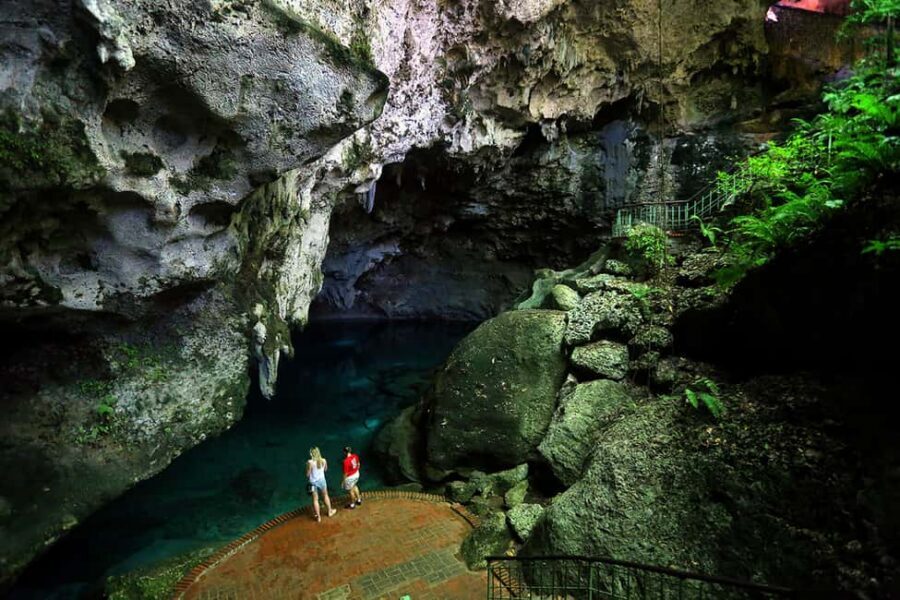
You’ll reach the most beautiful cenote in the country during this final phase, with emerald waters and lush vegetation around it. The exact language of what makes it the most beautiful might be marketing, but the description you’ll get is consistent with why people react strongly here: the water color and the greenery create a dreamlike contrast to the cave darkness behind you.
One practical note: because a complaint mentioned a separate boat payment to cross to see an eye, I’d ask your guide on the spot whether any transport fee is included in your tour or handled at the park. That way you don’t get surprised mid-ride.
Lake of Ladies: a story, a pause, and touching the water
After the emerald-water moment, you’ll reach Lake of Ladies. This stop comes with a touching story related to women and their children, and the experience includes a moment where you can touch the water and feel the positive energy from the place.
Even if you’re not the type to treat that as literal, it’s still valuable as a cultural moment. Your guide helps you understand why the lake is treated with respect and why it’s not just another photo spot.
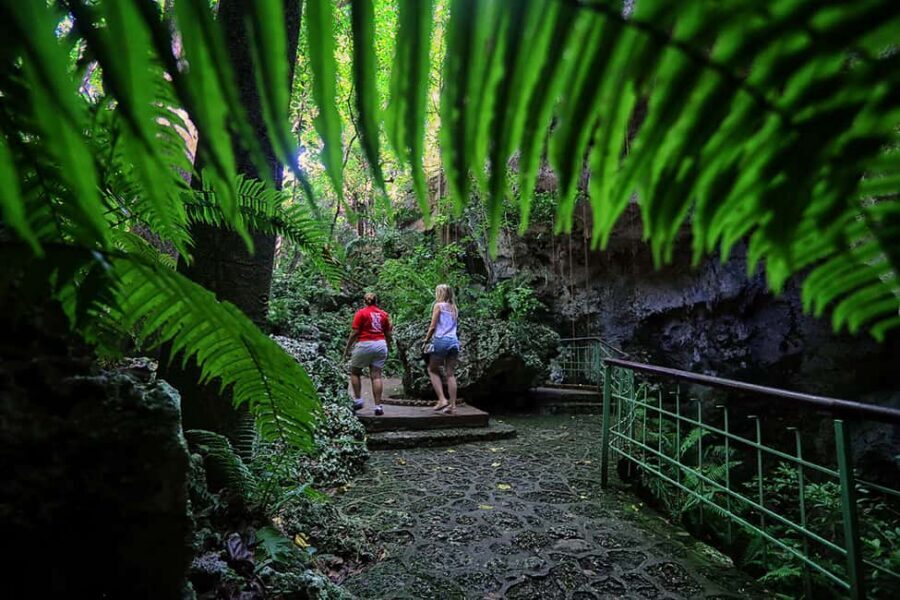
Then you’ll finish with a stroll along the park trails, taking in flora and fauna around you—an easy way to come back down from the cave intensity and stretch your legs before the tour ends.
Why the guide makes (or breaks) this tour
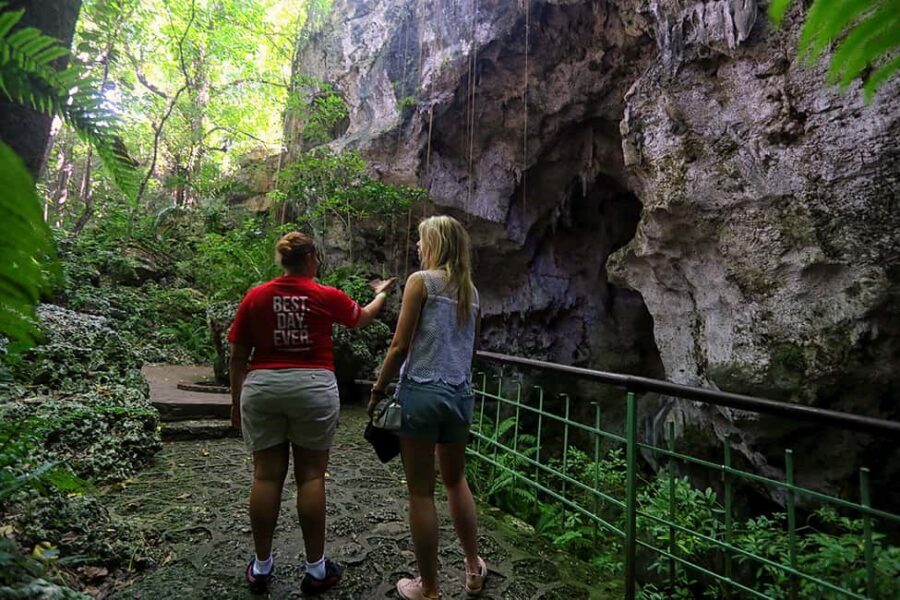
This is a guided experience, and cave tours live or die by the guide. A good guide doesn’t just name the lakes; they explain what you’re seeing and why it’s interesting.
A couple of things to look for:
- Do they connect espeleotemas and water to the “why” behind the park?
- Do they speak clearly in your language?
- Do they keep the pace so you can actually enjoy the lakes instead of rushing past them?
English and Spanish are available, and the guide’s presence is part of what you pay for. On the other hand, one issue reported was that the booked guide wasn’t there and the tour ended early. That’s not something you should assume will happen, but it’s a reminder: be at the meeting point on time, and if your guide isn’t visible, don’t wait indefinitely—ask the operator right away.
What to wear: stairs, shoes, and the “rain or shine” reality
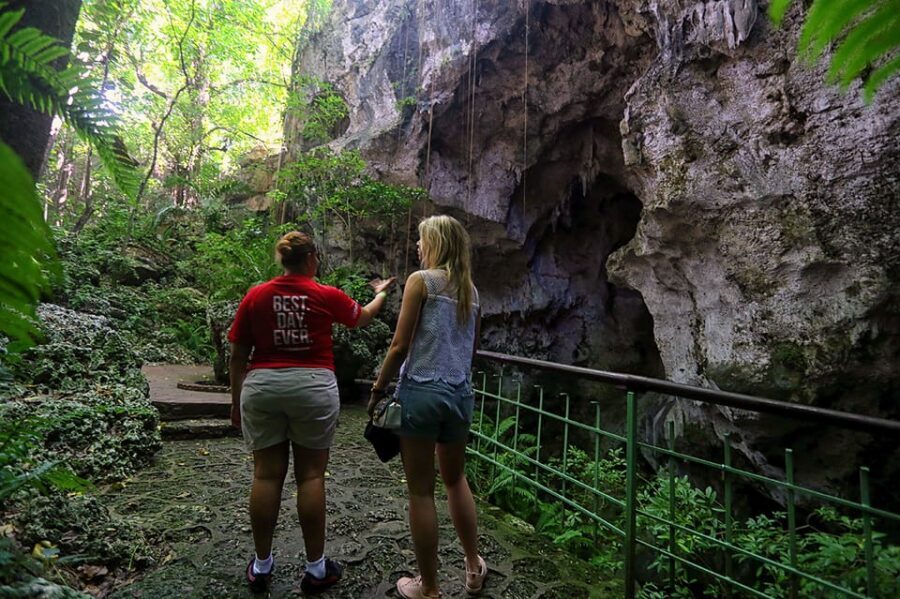
This tour is rain or shine, so clothing and shoes matter. You’ll descend many steps and move between cave areas. There’s no elevator, and the stair surfaces may be uneven.
Not allowed items include high-heeled shoes, mobility scooters, electric wheelchairs, alcohol and drugs, explosive substances, and making fire. So plan for practical footwear with grip and clothes that can handle humidity.
If you’re going with kids, or you’re planning to carry a baby, I’ve seen one positive note about feasibility with a baby around 16 months in portage. Still, remember this is a stair-and-steps tour, so your gear choices matter a lot.
Who this tour is for (and who should skip it)
This experience works best for:
- You like guided explanations and local storytelling.
- You’re comfortable walking and handling lots of steps.
- You want a more natural, less superficial way to experience Santo Domingo’s surroundings.
- You appreciate timing that avoids the biggest crowds.
It’s not a match if:
- You use a wheelchair (not suitable).
- You’re dealing with severe mobility limits.
- You’re over the listed age thresholds (not suitable for people over 80; also not for people over 95).
- You need an elevator or step-free access.
This is one of those tours where your body needs to keep up so your brain can enjoy the wonder.
Is it worth it? My honest booking advice
For most people who can handle stairs, this is a solid value. You’re paying for park entry + a guide + the core circuit through multiple cenotes, not just standing in one place.
My biggest “should I book” checklist is simple:
- Do you want a guided, story-led cave experience, not self-guided wandering?
- Can you handle lots of steps and humid conditions?
- Are you okay with the possibility of minor on-site logistics (like transport crossings) that might not be listed as included?
If you answered yes, booking is easy to justify. If not—if stairs are a problem or you prefer fully self-paced travel—then you may want to consider a different option that matches your comfort level better.
FAQ
FAQ
How long is the Santo Domingo Three Eyes National Park guided tour?
The duration is listed as 90 minutes to 3 hours, depending on the starting time and how the visit runs. The guided tour inside the park is about 1.5 hours.
Is hotel pickup included?
Hotel pickup and drop-off are included only if you choose the pickup option. If you don’t select pickup, you’ll use the meeting point to meet the guide.
Where do I meet the guide?
The guide will be wearing a blue poloshirt. The activity uses a park-area meeting point near the coordinates 18.4798333, -69.8430386.
What languages are the guides?
The live tour guide is available in English and Spanish.
Is the tour wheelchair accessible?
No. It’s not suitable for wheelchair users, and there’s no elevator because the caves involve descending many steps.
What’s included in the price, and is food provided?
Included items are the park entry ticket, the guide, and a bottle of water. Food and drinks are not included.