REVIEW · DESSERT TOURS
Dominican Republic: 3-Hour Chocolate Lovers Tour
Book on GetYourGuide →Operated by Kahkow Experience · Bookable on GetYourGuide
Chocolate has a backstory.
This 3-hour Dominican Republic tour turns that backstory into hands-on learning. I love the organic cacao plantation focus and the chance to sow your own cacao plant, so you’re not just watching—you’re participating. I also like how the tasting is built around the senses, which makes chocolate feel like something you can actually train your palate to notice. One consideration: even though it’s listed as 3 hours, the experience can feel closer to about 2.5 hours in real pacing.
You’ll move through key stages that shape flavor: harvest work, extraction, then the post-harvest steps like fermentation and drying that determine quality. After that comes lunch and a structured chocolate tasting session, plus another plantation stop where you can see cacao processing at a small, more automated scale. Transportation is on you, since it’s not included—so plan your ride to the meeting point at El Sendero del Cacao in Duarte.
In This Review
- Key highlights that make this cacao tour worth your time
- Kahkow Experience in Duarte: a chocolate tour with real process (not just samples)
- Meeting at El Sendero del Cacao: quick planning notes before you go
- The organic cacao plantation: sowing your own plant and learning the basics
- Fermentation and drying: where quality gets decided
- Following your nose to the chocolate factory
- Lunch included: a local break that keeps the tour from dragging
- Five-sense chocolate tasting: how to notice flavor like a pro
- Second plantation stop: small-scale processing you can actually see
- Price and 3-hour timing: is $83 good value?
- Who should book this Dominican chocolate lovers tour?
- FAQ
- How long is the Dominican Republic Chocolate Lovers Tour?
- Where do I meet for the tour?
- What’s included in the price?
- Is transportation to the meeting point included?
- What languages are the live guides?
- What should I wear or bring?
- Is the tour wheelchair accessible?
- Can I cancel for a refund?
- Should you book this cacao and chocolate tour?
Key highlights that make this cacao tour worth your time
- Sow your own cacao plant during the plantation experience
- Step-by-step cacao education, from pod to grain to the flavor-shaping steps
- Fermentation and drying lessons tied to what you’ll taste later
- Five-sense chocolate tasting, not just a quick sample
- Lunch and hot chocolate included, so you’re not stuck hungry mid-tour
- A second plantation stop showing different processing at small scale
Kahkow Experience in Duarte: a chocolate tour with real process (not just samples)
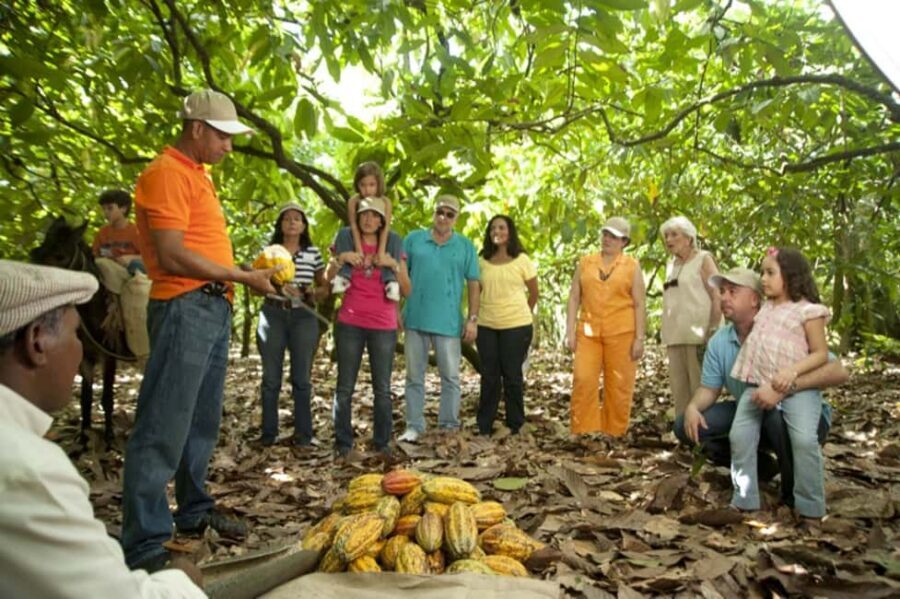
If your idea of a chocolate tour is mostly tasting, you may find this one refreshingly practical. The core value here is process: you learn what growers and processors do, why they do it, and how those steps show up in the final cup. It’s the kind of tour that makes chocolate feel less like a candy bar and more like food science meeting agriculture.
And because you’re in the Dominican Republic, you also get culture through the lens of cacao. The tour is structured to explain why the ecosystem and growing conditions matter for fine cacao—so you’ll understand the “where” as well as the “how.”
You can also read our reviews of more tours and experiences in Santo Domingo
Meeting at El Sendero del Cacao: quick planning notes before you go
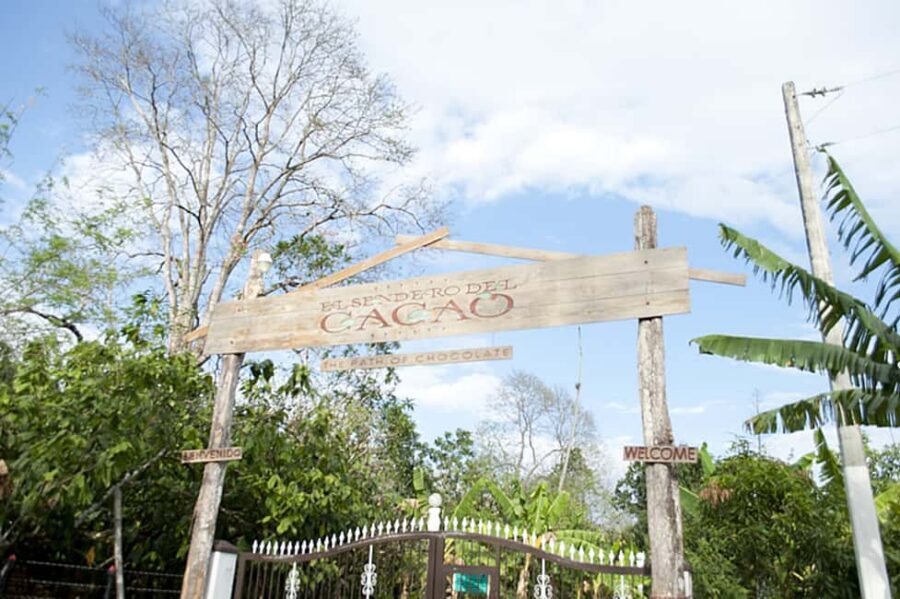
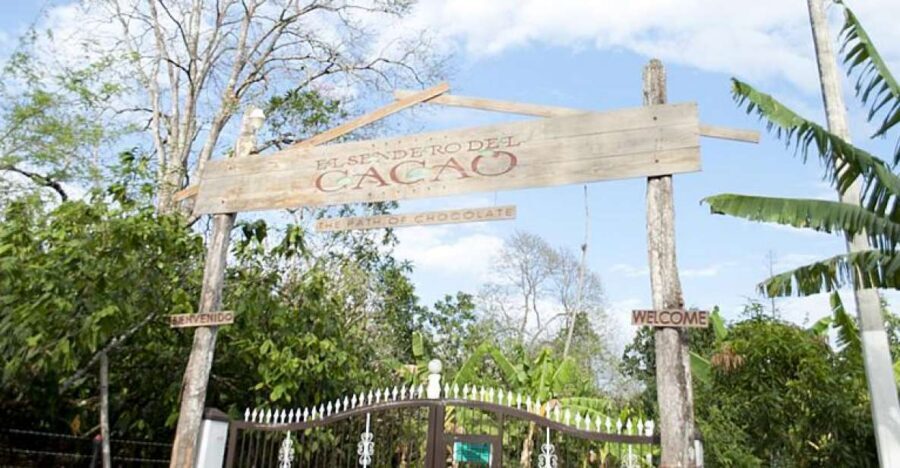
The meeting point is El Sendero del Cacao, Duarte, 31000, Dominican Republic. Transportation isn’t included, so you’ll want to line up your own ride in advance. That matters because cacao tours often run on a schedule where being late can mean missing parts of the plantation time.
Bring comfortable shoes and comfortable clothes. Plantation work environments can be uneven, and you’ll likely spend time walking and standing. If you’re the type who likes to take notes, bring a small notebook—your brain will want to keep up with the steps (and your nose will keep trying to steal the show).
The organic cacao plantation: sowing your own plant and learning the basics
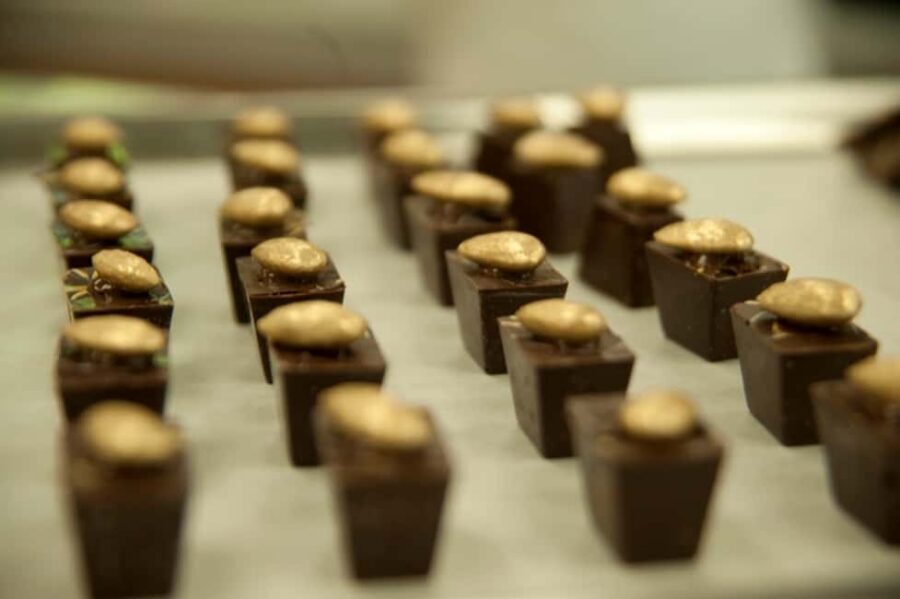
The tour starts with an organic cacao plantation experience focused on quality cacao. You’ll learn the secrets behind fine chocolate, but in a way that’s grounded in actual field work.
One of the most memorable parts is the chance to sow your own cacao plant. That’s not a gimmick. It gives you a mental anchor for everything else you’ll hear—because later, when you learn about harvest and extraction, you’ll remember that cacao doesn’t start as chocolate. It starts as a plant with a real growth cycle.
You’ll also follow the cacao workflow from pod to grain. Expect guidance on steps like how cacao pods are cut and how the grains are extracted. The tour explains what happens next, and why those early steps set the stage for fermentation and drying later.
Fermentation and drying: where quality gets decided
Here’s the heart of the flavor story, and the tour treats it that way. After harvest and grain extraction, you’ll learn about the post-harvest process—especially fermentation and drying—and how these are determining factors in chocolate quality.
This is the part that often gets skipped on quick chocolate stops. But if you care about why one chocolate tastes fruity while another tastes earthy or more balanced, fermentation and drying are the reason. The idea you’ll walk away with is simple: the cacao beans aren’t just “soaked” or “dried.” They’re transformed, and the timing and conditions shape taste.
Following your nose to the chocolate factory
Next comes the fun sensory element. You’ll follow your sense of smell to the chocolate factory, where the tour explains the final process of making chocolate.
Even if you already think you know how chocolate is made, this portion helps connect the earlier field work to the finished product. You’re basically building a timeline in your mind—plant → pod → grain → fermentation/drying → chocolate making—so when you see and smell the factory work, it doesn’t feel random. It feels like the payoff.
If you’re someone who learns best with multiple inputs (eyes, hands, and yes, your nose), you’ll enjoy how the tour uses scent cues to guide you.




Lunch included: a local break that keeps the tour from dragging
After your plantation and factory time, you get an excellent local lunch. Lunch isn’t just a time filler here—it’s part of the pacing. Chocolate tours can go long if you start sampling too early or if you’re hungry while learning. Having lunch included keeps the experience comfortable and focused.
You also get hot chocolate, which is a nice bridge between what you’re learning and what you’re tasting later. It’s warm, it’s comforting, and it gives you a base reference point for flavor.
Five-sense chocolate tasting: how to notice flavor like a pro
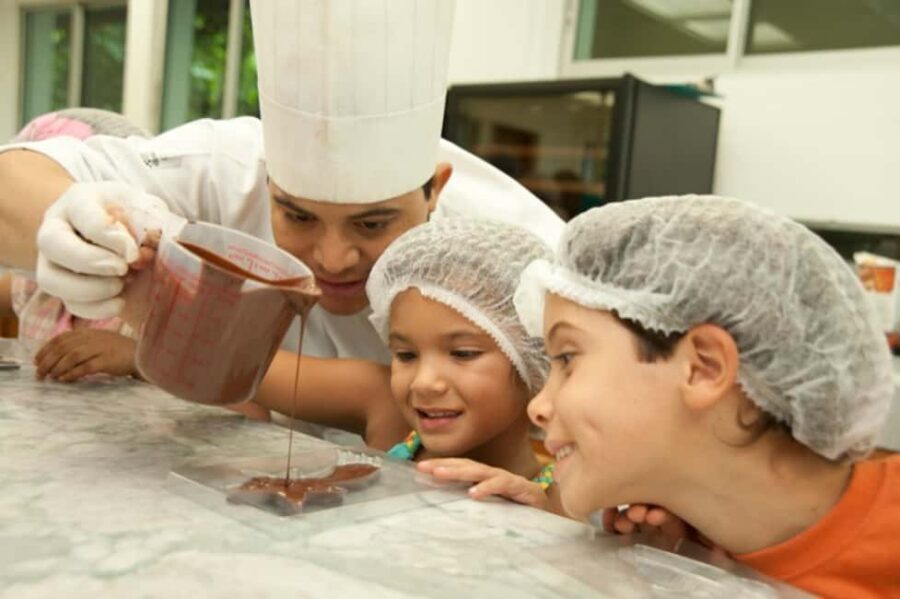
Then you’ll shift into tasting mode with a session designed to use your five senses. This isn’t a random sampling tray. The point is to help you taste with intention.
Here’s what that looks like in practice: you’ll slow down and pay attention to the different ways chocolate shows up—aroma, texture, how it melts, and how flavors develop. You’re learning a framework, so even if you’re not a confirmed chocolate expert, you can still understand what you’re experiencing.
This is also where the fermentation and drying lessons pay off. Once you’ve heard how those steps affect quality, tasting stops being guesswork. You start looking for evidence of those earlier decisions.
Second plantation stop: small-scale processing you can actually see
After tasting, you visit another plantation where you can observe more automated cacao processing at a small scale. This stop helps you compare how cacao can be handled in different ways and why processing style affects the final product.
You’ll hear more about fermentation and drying again, but now it’s reinforced by what you’re seeing. The tour keeps circling back to the idea that these steps matter—because they do. If you only remember one thing from the tour, make it this: fermentation and drying are where many quality differences start to form.
Price and 3-hour timing: is $83 good value?
At $83 per person for a roughly 3-hour experience, the value depends on what you want most.
You’re getting:
- Guided tour with cacao education
- Organic plantation time and the chance to sow a cacao plant
- Factory experience tied to the final chocolate process
- Lunch included
- Hot chocolate included
- A structured tasting session
That’s a lot packed into a half-day format, and the meal component matters. Many food tours either charge extra for meals or keep tasting as the main event without giving you the full workflow education. Here, lunch and hot chocolate lower the “hidden costs” feeling.
Timing can be a little tight in the real world, too. Even though the listing says 3 hours, the pacing may land closer to about 2.5 hours. I’d plan your day with a little buffer, especially if you’re connecting to another activity.
Who should book this Dominican chocolate lovers tour?
This is a strong fit for you if:
- You love chocolate but want to understand why it tastes the way it does
- You enjoy farm-style education where you can see steps in context
- You like hands-on moments like sowing a cacao plant
- You’re curious about Dominican cacao culture through the lens of production
It may feel less ideal if you want a strictly city-based experience or if you expect long, leisurely downtime. This tour is active and structured—built to teach and then taste with purpose.
FAQ
How long is the Dominican Republic Chocolate Lovers Tour?
It runs for 3 hours.
Where do I meet for the tour?
The meeting point is El Sendero del Cacao, Duarte, 31000, Dominican Republic.
What’s included in the price?
The tour includes hot chocolate, lunch, and a guided tour.
Is transportation to the meeting point included?
No, transportation is not included.
What languages are the live guides?
The tour guide is available in English, Spanish, and French.
What should I wear or bring?
Wear comfortable shoes and comfortable clothes.
Is the tour wheelchair accessible?
Yes, it’s wheelchair accessible.
Can I cancel for a refund?
You can cancel up to 24 hours in advance for a full refund.
Should you book this cacao and chocolate tour?
If you want more than a chocolate tasting box, I’d book it. The best part is how the experience connects the full chain—planting and harvest work through fermentation and drying, then into a guided chocolate tasting built around your senses. Add in lunch and hot chocolate, and $83 starts to feel like paying for a guided food education session rather than just samples.
One more practical tip: since transportation isn’t included and plantation timing can be tight, make your schedule easy. If you give yourself a little buffer and arrive ready to walk, you’ll get a satisfying, hands-on Dominican cacao experience.