REVIEW · DESSERT TOURS
Zona Colonial: Recorrido Histórico con Chocolate y Mamajuana
Book on GetYourGuide →Operated by COPRIXA TRAVELS, S.R.L. · Bookable on GetYourGuide
Santo Domingo’s old streets have serious pull. This short guided walk through the Zona Colonial mixes big-ticket Spanish colonial sites with smaller, story-driven stops like the Museum of the Royal Houses and the Alcázar de Colón. I especially liked how the tour keeps things practical and walkable, and how you get clear context at each stop instead of just photos. One thing to consider: the title says Chocolate y Mamajuana, but the experience focus here is architecture and historical interiors, not a heavy chocolate or mamajuana moment.
You’ll also appreciate the guide-led flow: you start near the Sundial at the Reloj del Sol, then the route threads through key landmarks down to Calle El Conde and the Primate Cathedral of the Americas. The group pace feels designed for real sightseeing rather than a marathon. Still, if you want a deep political backstory of the island, this tour may not be your best match.
With a price of $5 per person and an overall rating of 4.8 from 76 bookings, the value is hard to ignore. Just know museum tickets aren’t included, so if you want to go inside everything on your own time later, plan a little extra.
In This Review
- Key things you’ll notice right away
- Starting at the Reloj del Sol: fast orientation in Santo Domingo’s Colonial Zone
- From the Sundial to the Museum of the Royal Houses: stories you can see on the walls
- Plaza España and the Columbus statue: a short stop with big visual impact
- Alcázar de Colón: where colonial opulence becomes tangible
- Wax Museum and Nicolás de Bari Hospital: turning dates into people
- Calle El Conde and Parque Colón: street energy, then a breather
- Catedral Primada de América: the tour’s grand finale
- Price, value, and the Chocolate y Mamajuana question
- Should you book this Zona Colonial tour?
- FAQ
- Where does the tour start?
- How long is the tour?
- What languages is the guide available in?
- Are museum tickets included?
- What should I bring?
- Is this tour wheelchair accessible?
Key things you’ll notice right away
- Meeting at the Reloj del Sol makes orientation easy before you start walking
- Museum of the Royal Houses + Alcázar de Colón get real guide attention, not a rushed walk-by
- Plaza España is a quick photo and story stop, including the Columbus statue
- Calle El Conde and Parque Colón give you a street-life moment, then a calmer pause
- Primate Cathedral of the Americas ends the tour with impressive architecture and religious significance
- Live guide options in English, French, and Spanish help you follow every stop
Starting at the Reloj del Sol: fast orientation in Santo Domingo’s Colonial Zone
The easiest way to enjoy this tour is to arrive with your shoes on and your plan simple: meet at the Reloj del Sol (Sundial), right in front of the Museum of the Royal Houses. The meeting point is listed at 18.47559621681003, -69.88294794166414, and you can plug in the map pin here: https://maps.app.goo.gl/oNHUA6hjGj7smQvq6.
From that spot, you’ll begin in the heart of the Colonial Zone, where the streets feel like a living museum. The tour’s opening sets a tone of mystery and legends around the Sundial area, which matters because it helps you look at the details instead of treating everything like background.
This is a walking-focused experience, and it stays tight—expect about 2 hours, though pacing can run shorter depending on the day. The practical tip: keep water handy, wear comfortable shoes, and be ready for cobblestones. If you need wheelchair access, this one is not suitable, so you’ll want to choose another option.
You can also read our reviews of more tours and experiences in Santo Domingo
From the Sundial to the Museum of the Royal Houses: stories you can see on the walls
After you get your bearings at the Sundial, the tour heads into the Museum of the Royal Houses area, where the guide brings the colonial era to life through what’s displayed and what’s implied by the spaces. This stop is one of the best examples of how this tour earns its value: it doesn’t just name buildings, it gives you a way to understand why these spaces mattered.
You can think of it like this: the Colonial Zone is a cluster of landmarks, but it becomes meaningful when someone explains who lived there, what the buildings were for, and how the past shaped the present street layout. That’s exactly the kind of storytelling this route is built around.
What I like about this approach is that it doesn’t require you to already know Dominican history. You leave with a mental map: which buildings are connected to colonial life, and how the architecture creates its own narrative. The trade-off is that if you want a full, lecture-style political history, you may feel the stop is more about daily life and interpretation than a detailed timeline.
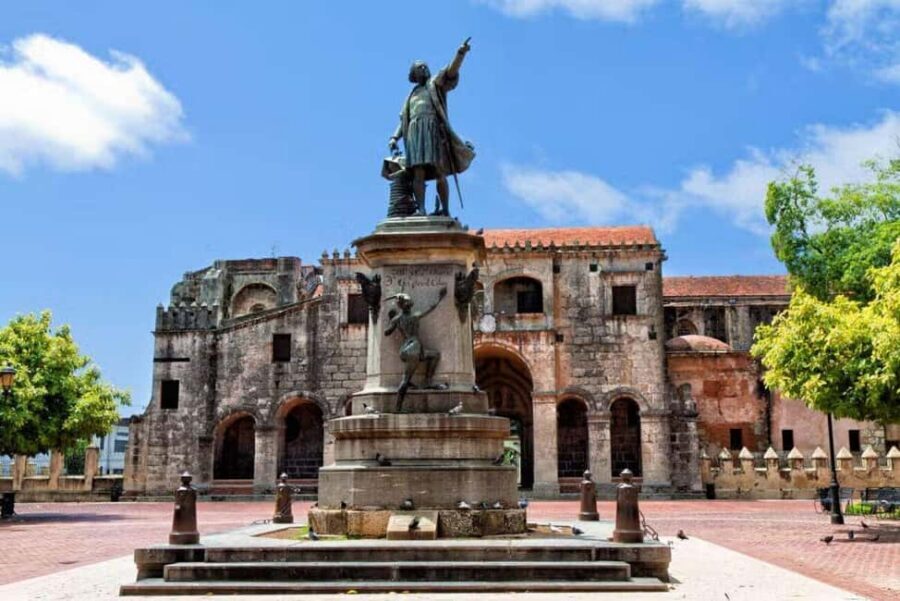
Plaza España and the Columbus statue: a short stop with big visual impact
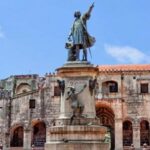
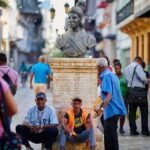
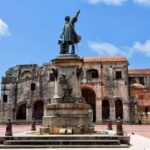
Next up is Plaza España, a classic checkpoint in the Colonial Zone. You’ll see the famous Christopher Columbus statue, and you’ll also be walking through cobblestoned space where Spanish colonial architecture still shapes what you see.
Even if you’ve seen photos of the statue before, this is the kind of place where your sense of scale changes in person. The plaza is also useful because it acts like a reset button: you can catch photos, regroup, and then move into the most ornate interiors next.
A practical point: plazas get sun fast. Bring sunscreen and treat this as your cue to drink water before you head deeper into the next stops. Also, keep your camera ready—you’ll want it for the street and the building facades more than for long video moments.
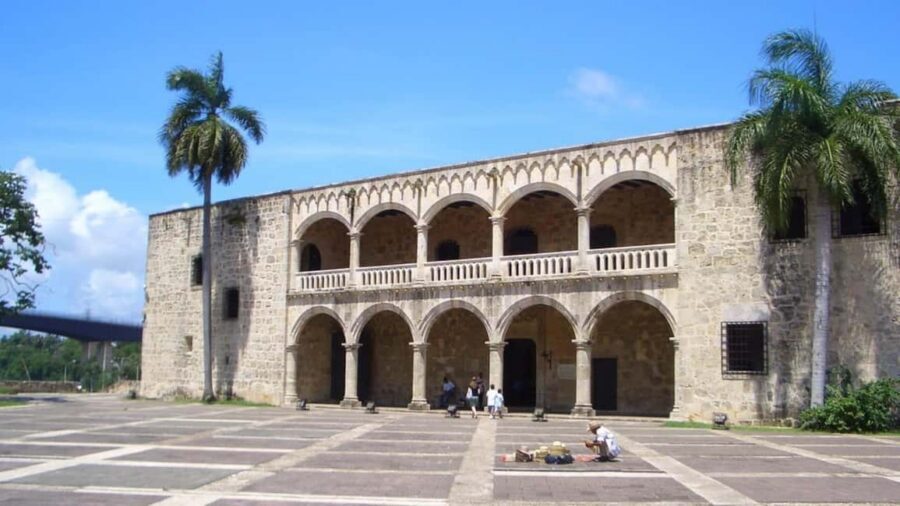
Alcázar de Colón: where colonial opulence becomes tangible
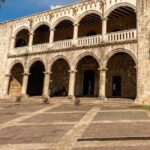
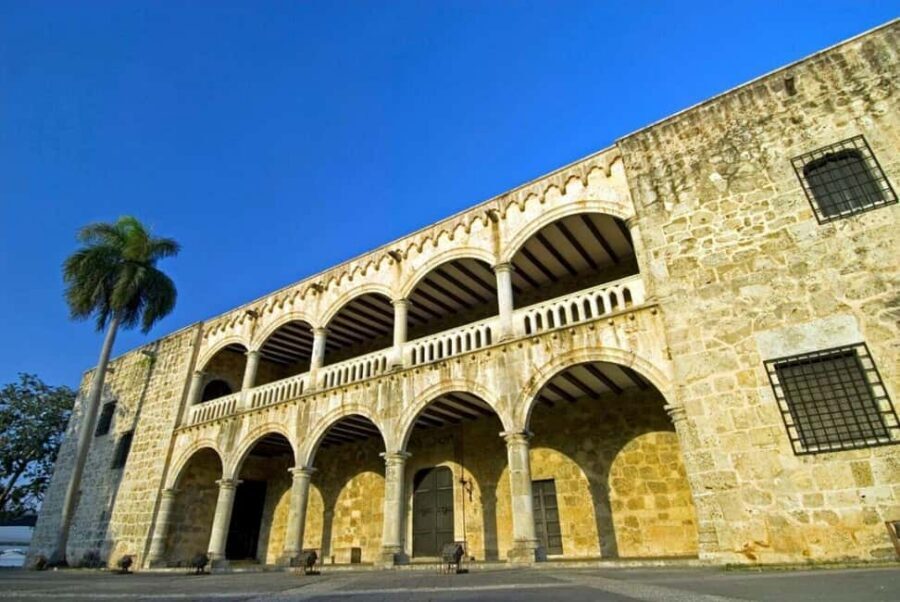
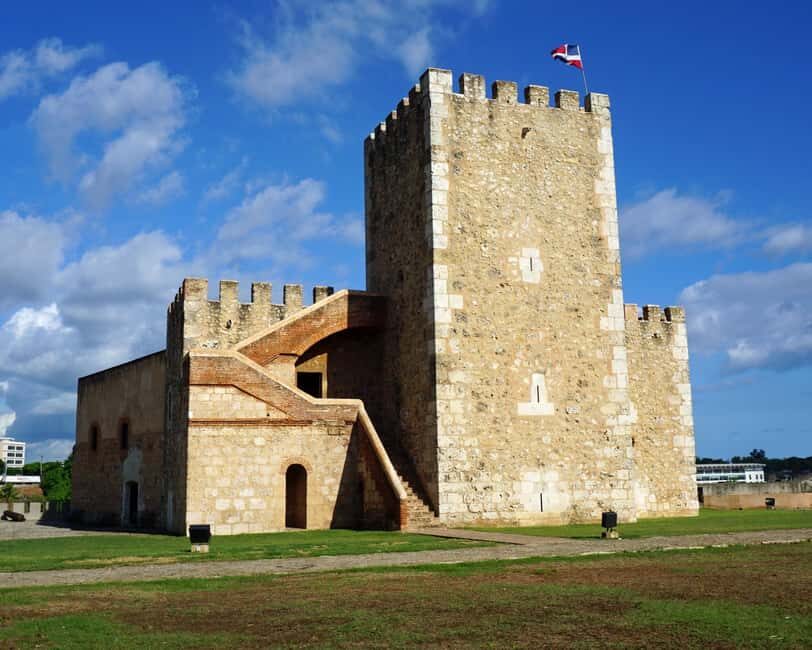
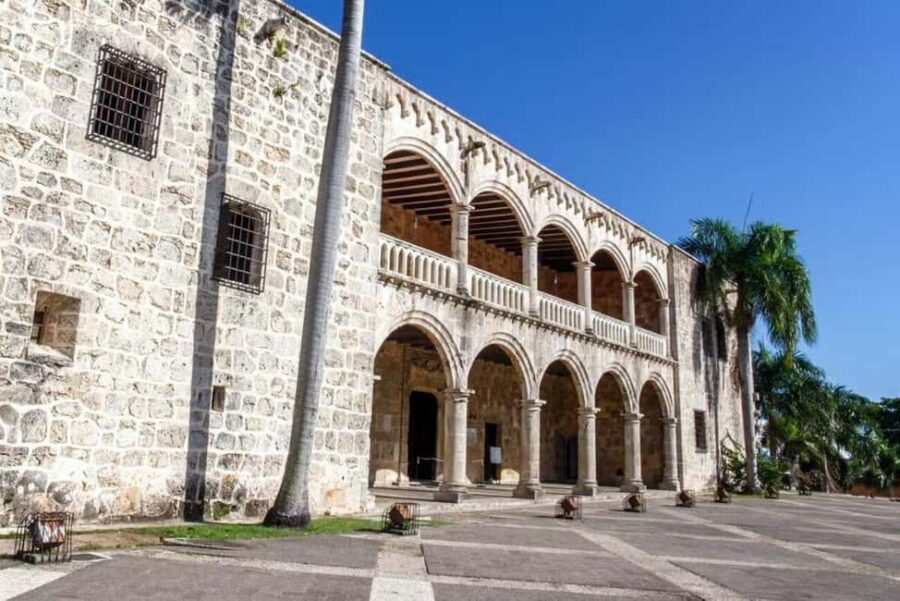
Then comes the Alcázar de Colón, one of the tour’s anchor stops. This is the residence of the first governors of the Americas, and the guide focuses on the grandeur you can feel in the halls and courtyards. The best part here is that the tour gives you enough time to actually look—this isn’t a single photo and a sprint.
What you’ll likely notice is how the building’s design and layout do a lot of storytelling on their own. Rooms and walkways aren’t just decorative. They communicate status, power, and how colonial administration worked in real physical space.
There’s also a small bonus built into this stop: it changes your pace. After museums and exterior streets, the Alcázar brings you into a more immersive look at colonial style, which makes the rest of the tour feel connected rather than random.
If you’re sensitive to crowds or prefer quiet, plan for the reality of a popular landmark. But overall, this is one of the most satisfying stops on the route because you get guide-led meaning and time to absorb it.
Wax Museum and Nicolás de Bari Hospital: turning dates into people
After the architectural highlights, the tour shifts into “history you meet” mode with two very different stops.
First is the Juan Pablo Duarte Wax Museum, where wax figures bring Dominican history’s major moments into view. The guide’s framing focuses on key themes like the fight for independence and cultural milestones. This is a smart inclusion if you’re visiting with limited time—wax figures can feel cheesy if they’re just decorative, but with a guide explaining what you’re looking at, they become a shortcut to understanding.
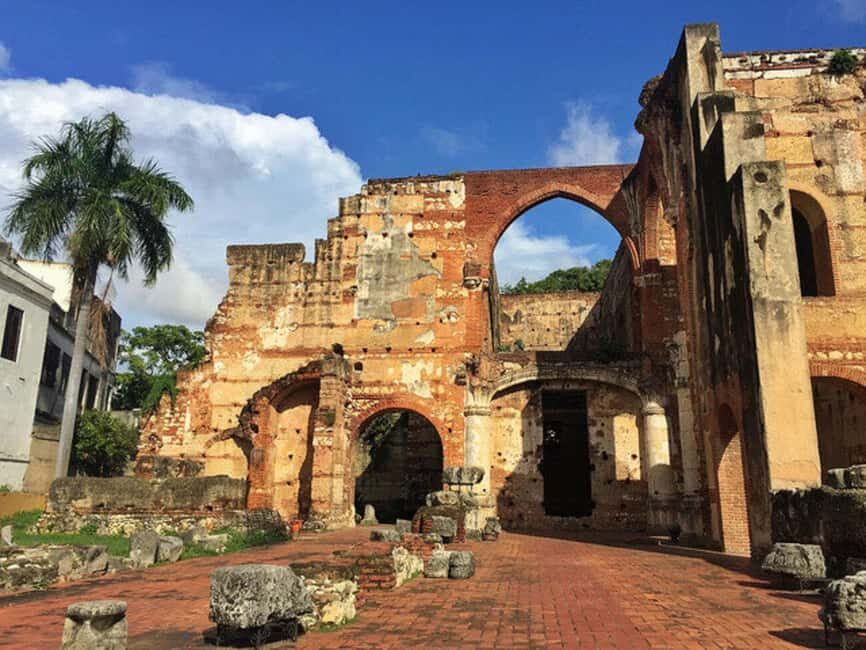
Second is Nicolás de Bari Hospital, which adds a different kind of perspective: how care and healing evolved on the island. This stop is especially useful if you’re tired of history that only talks about politics and wars. Medicine and institutions are a different lens, and you’ll likely walk away thinking about how society works over time—what changes, what stays, and how priorities develop.
If you’re expecting a deeper discussion of independence including how Haiti connects to the wider story, know that the tour’s emphasis here is more on interpretation across multiple landmarks than on one big political narrative.


Calle El Conde and Parque Colón: street energy, then a breather
One of the reasons I’d recommend this tour for first-timers is that it balances “big sights” with a real sense of street life.
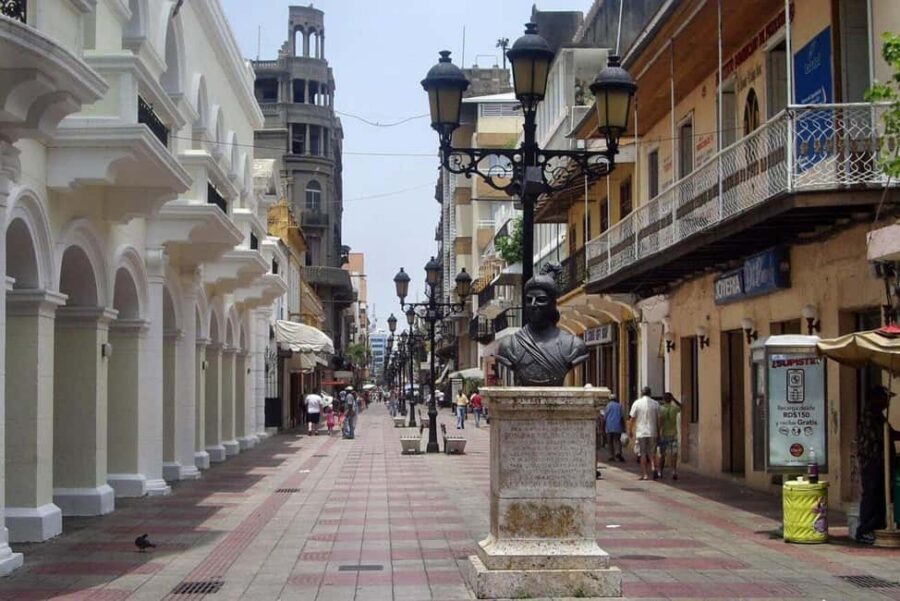
You’ll walk along Calle El Conde, described as one of the oldest and liveliest streets in the city. This is where you get the everyday Santo Domingo experience—shops, restaurants, and street performers. It’s also a reminder that the Colonial Zone isn’t just ruins and museums. It’s a place people live in now, and that makes the earlier stops feel less like history in a box.
Then the route gives you Parque Colón, a calmer pause with a little breathing space and a statue connected to the explorer who began the history of the Americas. Think of it as a quick reset between the kinetic street and the grand finale at the cathedral.
Practical tip: this is a good time to grab water and regroup your photos. If your feet start to protest, you’ll want that small green-space break.
Catedral Primada de América: the tour’s grand finale
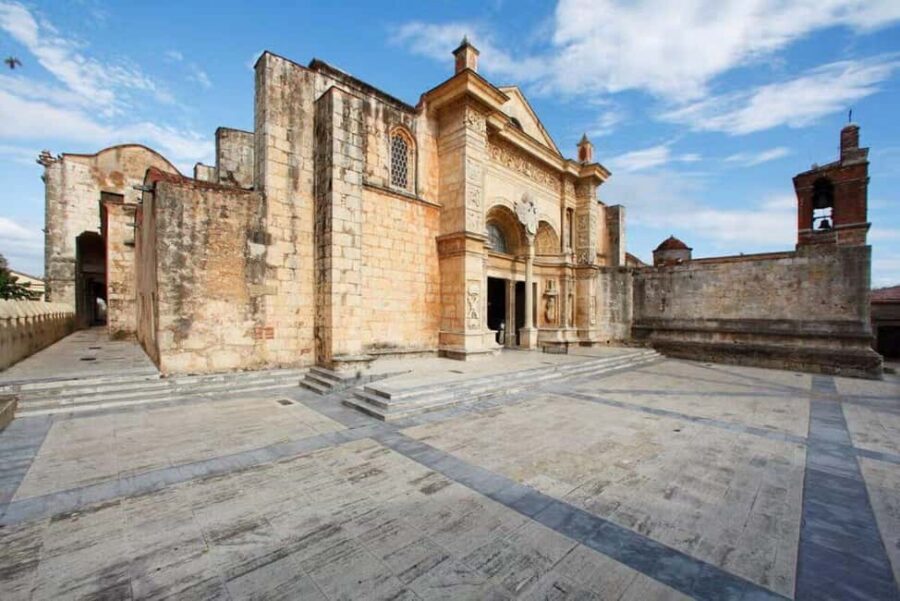
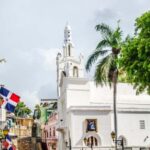
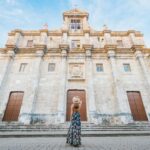
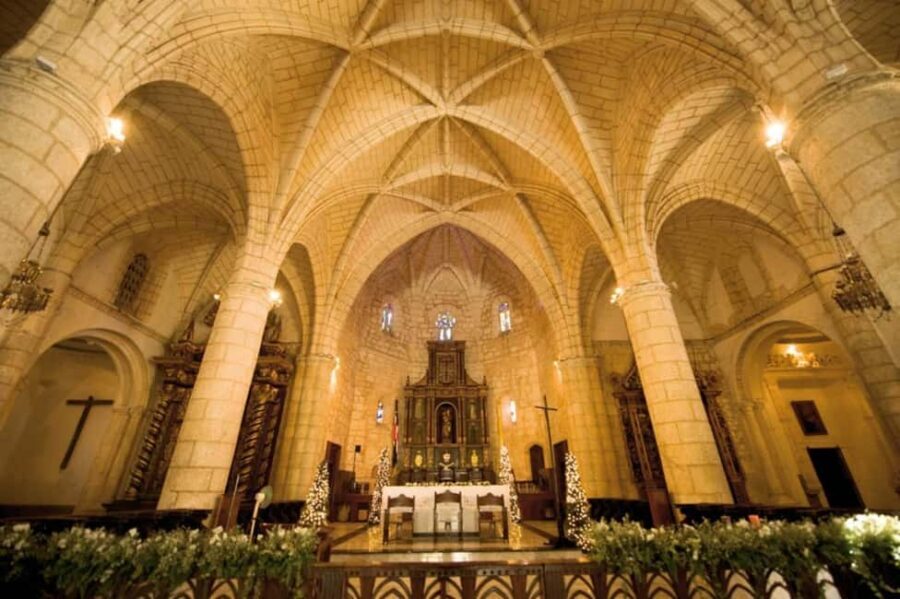
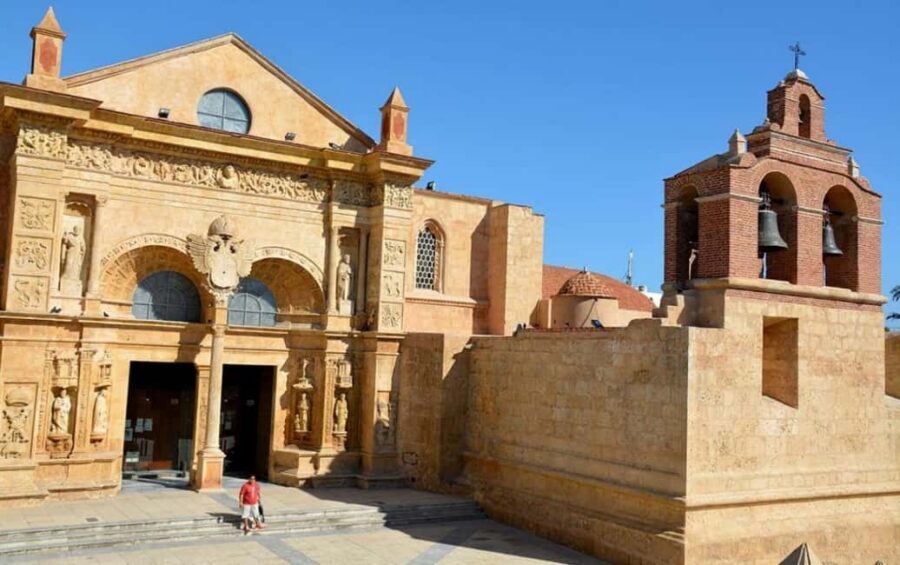
The last major stop is the Primate Cathedral of the Americas, and it’s a fitting end. The guide points out impressive architectural details, and the cathedral’s long presence makes it more than a pretty building. You come away with the sense that this is one of the religious anchors of the region.
This stop also helps the whole tour click. Earlier you saw colonial administration spaces and everyday street life. Here you see the spiritual and cultural center—stone and structure meant to last, and a place built around centuries of devotion.
Time is tight, so focus your attention. Don’t try to photo everything. Instead, pick a couple of angles: one for the facade details and one for a broader view so you understand the scale.
Afterward, you’ll return back toward the start area in the Colonial Zone near the Chapel of Our Lady of Remedies.
Price, value, and the Chocolate y Mamajuana question
Let’s talk value first. At $5 per person for a guided route that hits multiple major landmarks, this is the kind of deal that makes sense even if you’ve got limited time in Santo Domingo. The tour includes guided visits to places like the Museum of the Royal Houses, Alcázar de Colón, Plaza España, the Wax Museum, Nicolás de Bari Hospital, plus walking time on Calle El Conde and visits to Parque Colón and the Primate Cathedral.
The main “budget reality” is that museum tickets are not included. If you’re the type who loves going inside every possible space, factor in extra entry costs for anything you want to add on your own before or after.
Now for the title mismatch: the activity name mentions Chocolate y Mamajuana, and the itinerary you’ll follow in practice is mostly history stops, architecture, and interiors. So if you’re booking specifically for a featured chocolate or mamajuana tasting, you might leave a little underfed on that front. I’d treat the title as branding rather than a guaranteed food experience.
One other practical note: this tour works best as a guided walk with stories, not as a full academic lecture. It’s ideal if you want a strong overview fast, especially with a live guide in English, French, or Spanish. In at least one case, the guide Fernando earned high praise for making the experience fun and engaging.
Should you book this Zona Colonial tour?
I’d book it if you want a 2-hour guided loop that gives you a clean introduction to Santo Domingo’s Colonial Zone with standout stops like the Alcázar de Colón and the Primate Cathedral. It’s also a good choice if you like architecture and guided interpretation more than deep political history.
Skip or choose something else if you need heavy focus on independence narratives and broader island politics, or if you’re expecting chocolate and mamajuana to be a central feature. And if you have mobility needs, remember it isn’t suitable for wheelchair users.
If you’re on the fence, go for it when you want solid value, a guide-led route you can follow easily, and a chance to see the Colonial Zone without planning every turn yourself.
FAQ
Where does the tour start?
You meet your guide at the Reloj del Sol (Sundial), in front of the Museum of the Royal Houses.
How long is the tour?
The experience is listed as 2 hours.
What languages is the guide available in?
Live guides are available in English, French, and Spanish.
Are museum tickets included?
No. Museum tickets are not included.
What should I bring?
Bring comfortable shoes, a camera, sunscreen, and water.
Is this tour wheelchair accessible?
No, it is not suitable for wheelchair users.