REVIEW · SANTO DOMINGO
Zona Colonial Hictorical Tour with a local artist
Book on GetYourGuide →Operated by Kiskeyana By Mercy Bar · Bookable on GetYourGuide
Santo Domingo history walks fast. This 90-minute Zona Colonial tour starts at Las Ruinas de San Francisco and ends at Puerta del Conde, with guide GaudyMercy turning big colonial-era shifts into a walk you can actually track. I also love the small group cap (up to 6), which keeps the pacing comfortable and makes it easier to ask questions in English or Spanish.
One thing to plan for: it is not a long museum day. You do get entrance to the National Pantheon, but other museum entrances are not included, so you’ll mostly experience many stops from the outside with a guided story attached.
In This Review
- Key highlights you’ll care about
- Why GaudyMercy turns the Colonial Zone into a story you can follow
- The storyline: from 1492 Spanish arrival to 1965 April Revolution
- Walking through the stops: what each place adds to the bigger picture
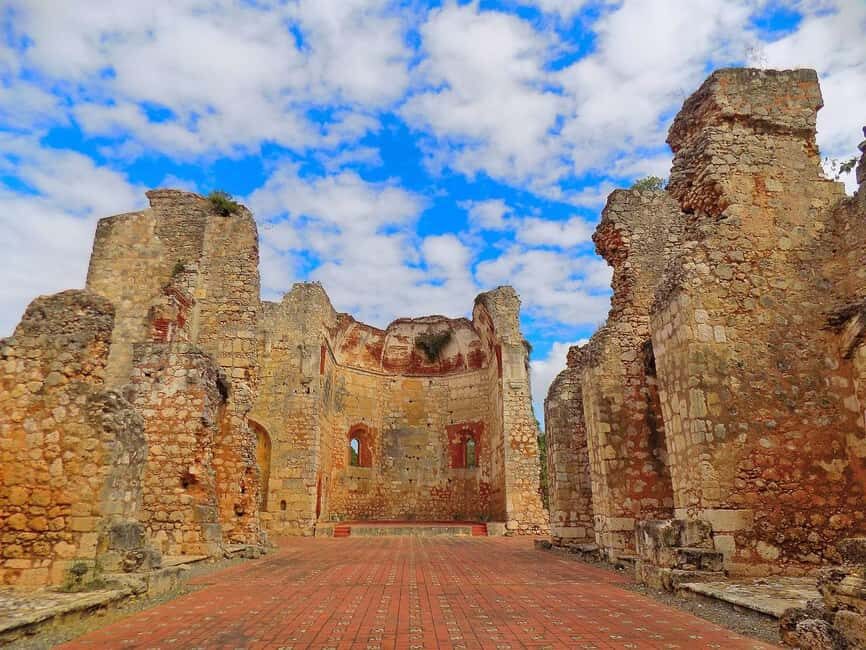
- Monument Ruinas del Monasterio de San Francisco: starting with the shell of something older
- Ruins of the Convent of Saint Francis: early colonial faith and change
- Plaza de la Hispanidad: big themes in an open space
- Alcázar de Colón: a marker of power along the way
- Museum of the Royal House: learning through proximity
- National Pantheon of the Dominican Republic: the one included entrance
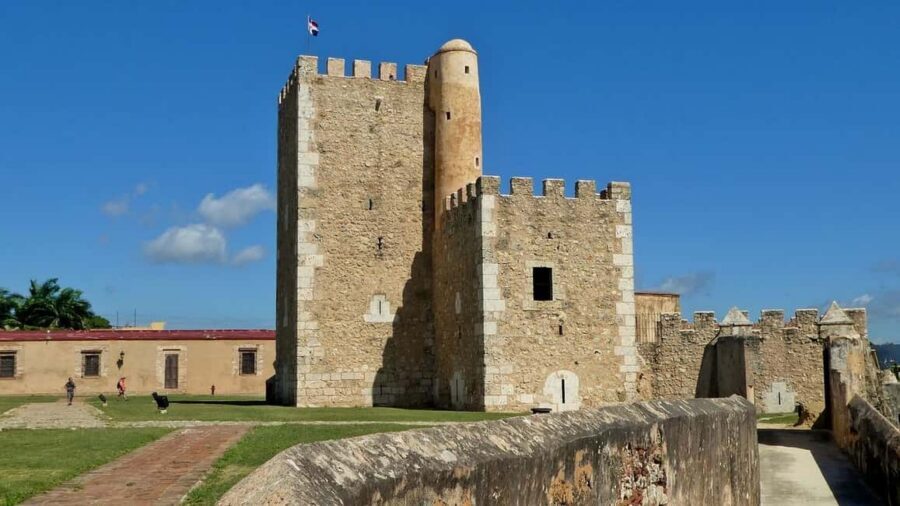
- Fortaleza Ozama: defense as part of the narrative
- Monument to Friar Antonio of Montesino: ideas in stone
- Fray Bartolomé de las Casas Park: reflection instead of hurry
- Santo Domingo Convent and Duarte Park: faith and national identity
- Iglesia y Convento Regina Angelorum: religious architecture as context
- Puerta de la Misericordia and Puerta del Conde: gates with meaning
- Kiskeyana by Mercy Bar: snacks and the human side of the city
- Price and value: what $30 buys you in real time
- What it feels like in your day: timing, pace, and group size
- Practical tips so the walk stays fun
- Who should book this tour, and who might skip it
- Should you book Zona Colonial Hictorical Tour with a local artist?
- FAQ
- FAQ
- How long is the Zona Colonial historical tour?
- Where does the tour start and where does it end?
- What languages is the tour offered in?
- How many people are in the group?
- Is the tour wheelchair accessible?
- What is included, and is museum entrance included?
Key highlights you’ll care about
- GaudyMercy’s mix of historian + hip hop culture makes the colonial story feel human, not like a textbook
- A tight 90 minutes that moves from the arrival of the Spanish in 1492 through to the April Revolution context in 1965
- Only one included museum entrance (the National Pantheon), so it stays focused on walking and storytelling
- A small group feel (max 6), with a pace that works even when the heat is up
- Snacks and a souvenir finish things off at Kiskeyana by Mercy Bar
Why GaudyMercy turns the Colonial Zone into a story you can follow
If your goal is to understand Santo Domingo beyond a checklist of landmarks, this tour is built for that. The standout here is the guide: GaudyMercy is a local cultural artist and a historian for over 15 years, and she also has deep ties to the world of hip hop music and culture. That combination matters. It changes how history is explained.
I like that the tour doesn’t treat the Colonial Zone like a frozen museum. It connects architecture, invasions, devastation, independence, and social and political growth into one line you can mentally keep hold of while you walk. And since the group is capped at 6, the guide can slow down for questions instead of rushing the crowd onward.
The other big win: the tour’s format feels designed to keep you moving. You get short guided stops at important points, then you physically re-orient in the city, and the guide ties what you just saw back to the bigger timeline. It’s a smart way to make the place stick in your mind.
You can also read our reviews of more tours and experiences in Santo Domingo.
The storyline: from 1492 Spanish arrival to 1965 April Revolution
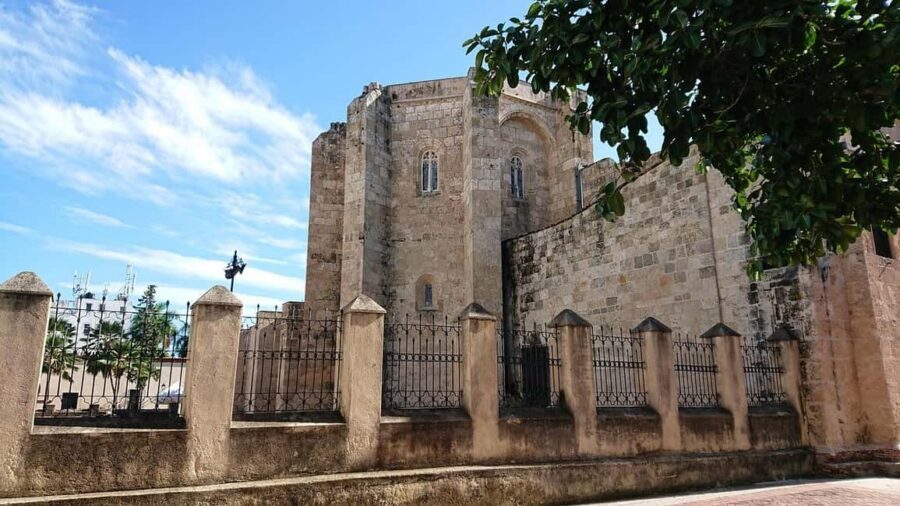
The walk has a clear arc. It begins at Las Ruinas de San Francisco, and it is framed as a journey that starts with the arrival of the Spanish in 1492. From there, the guide walks you through major turning points like invasions and devastations, then onward to independence and the island’s cultural, social, and political growth.
It ends in a powerful way: you finish in front of Puerta del Conde, next to the statue of Francisco Alberto Caamaño Deñó, with the guide placing that moment into the context of the April Revolution of 1965. That ending helps you avoid the common problem with walking tours, where you see sights but don’t know why the timeline matters.
If you want the Colonial Zone to feel like a living cause-and-effect story—then you’re in the right place.
Walking through the stops: what each place adds to the bigger picture
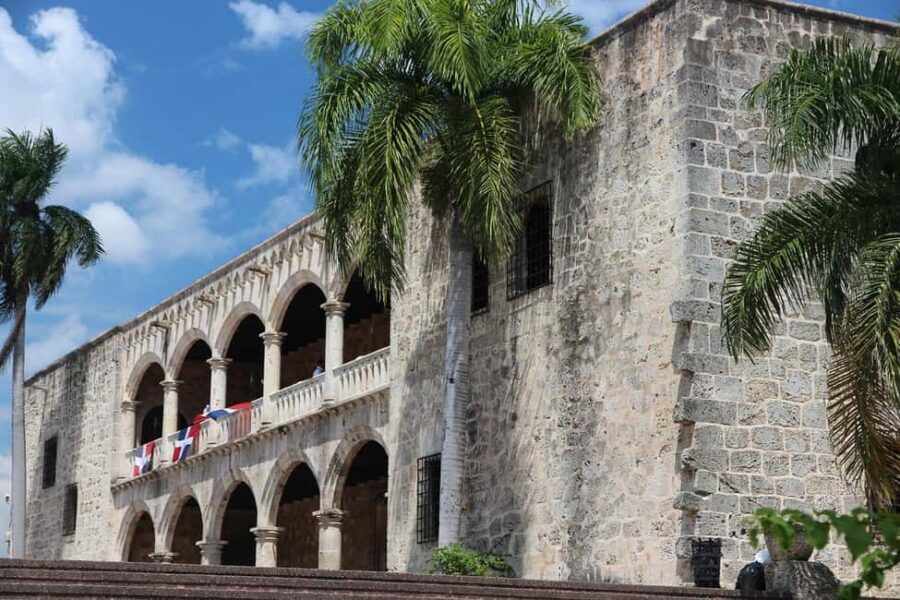
This is a guided walking tour with short visits at each site (often around 5 to 15 minutes). The value is not one long lecture at one spot. The value is how the guide layers meaning as you pass each landmark.
Here’s how the route comes together.
Monument Ruinas del Monasterio de San Francisco: starting with the shell of something older
You begin at Monumento Ruinas del Monasterio de San Francisco (the starting point is right by Las Ruinas de San Francisco). Starting at ruins sets the tone. It tells your brain to expect change over time—destruction, rebuilding, and shifts in power.
This is also a good first moment because it’s easy to focus. Before you get swept up in the rest of the walk, you get a foundation: how the guide will connect the Colonial Zone to the long timeline that follows.
Ruins of the Convent of Saint Francis: early colonial faith and change
Next is the Ruins of the Convent of Saint Francis, with a short guided stop. Even without going deep into museum-style interpretation, ruins are useful teaching tools. They let the guide explain how early structures sat in the path of later events.
You’ll spend about 5 minutes here, which is perfect if you want context without feeling like you’re stuck waiting your turn.


Plaza de la Hispanidad: big themes in an open space
At Plaza de la Hispanidad, Santo Domingo, the guide uses the openness of the plaza to broaden the story. This kind of stop is helpful because it gives you a mental pause. After the ruins, you shift from fragments to larger ideas: how a city’s identity forms and changes.
This is where the tour’s storytelling style—mixing education, entertainment, and culture—starts to feel like a conversation instead of a lecture.
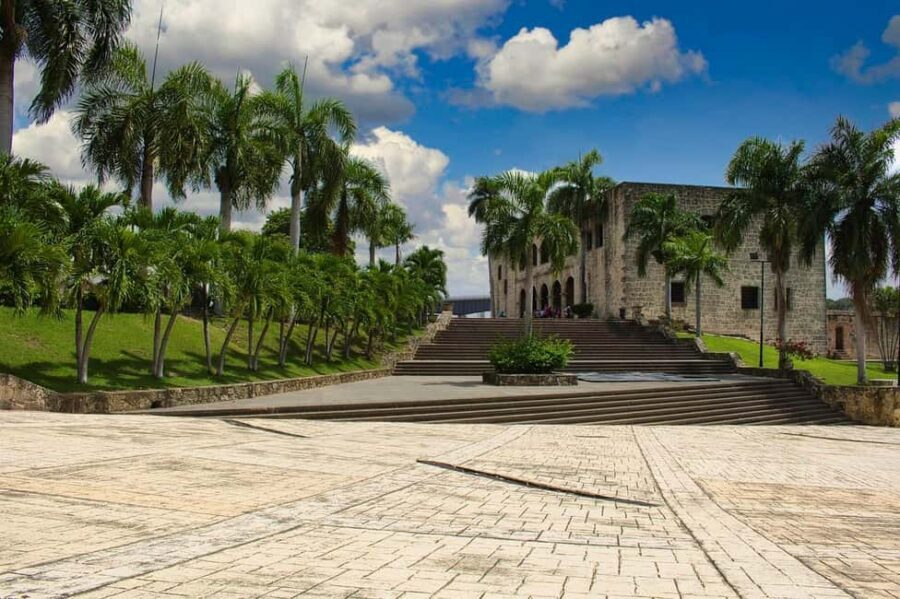
Alcázar de Colón: a marker of power along the way
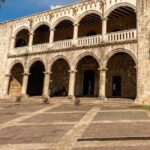
Then you hit Alcázar de Colón for a short guided stop. On tours like this, places named for notable figures and eras often work best when you treat them as checkpoints. The guide does that: you’re not just looking at a famous building, you’re using it to track the flow from early settlement to later upheavals.
Museum of the Royal House: learning through proximity
The route also includes the Museum of the Royal House with a brief guided stop. Since the tour does not promise full museum time at every stop, this kind of visit can be ideal if you’re okay with “guided look + story” rather than full gallery wandering.
A good strategy for you: keep an eye out for what your guide points to. Even a short time window can make the place feel clearer.
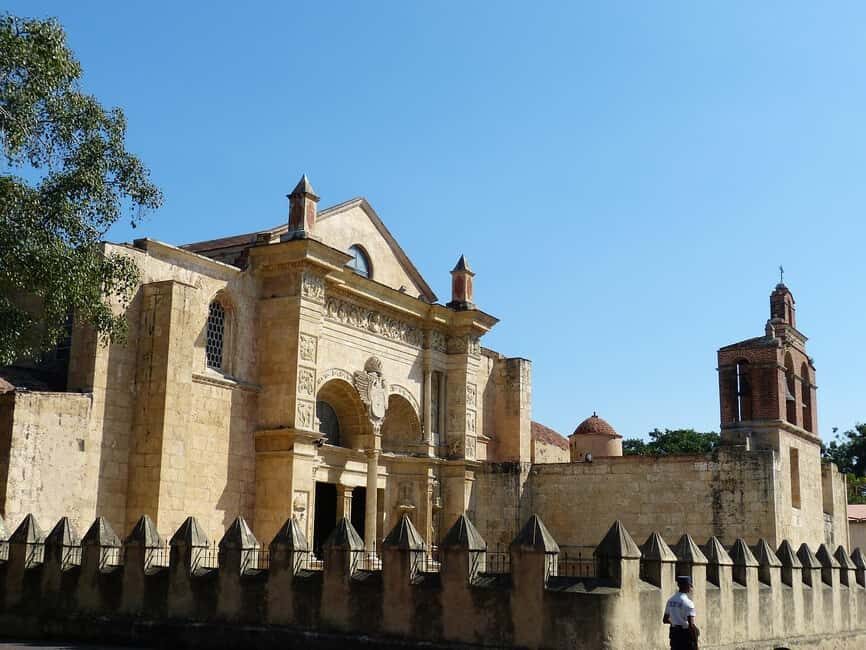
National Pantheon of the Dominican Republic: the one included entrance
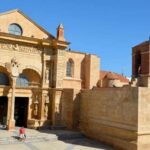
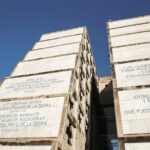
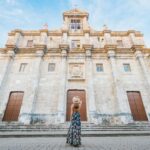
The National Pantheon of the Dominican Republic is the big exception. The tour includes entrance here, and it’s given more time (about 15 minutes). This is the place where you’re most likely to feel you are inside something, not just passing by it.
You should plan to use that added time well. This is your moment to slow down a bit, look around, and let the guide connect the site to the larger historical arc.
Fortaleza Ozama: defense as part of the narrative
Next is Fortaleza Ozama with a guided stop (about 10 minutes). Fortresses are never only about the building. They represent insecurity, control, and who had the leverage at different points in history.
If you like understanding why power shifts, this stop helps. You’ll likely appreciate it even more because the guide keeps tying it back to invasions and devastations mentioned as part of the overall storyline.
Monument to Friar Antonio of Montesino: ideas in stone
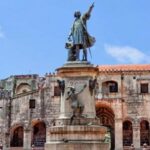
The tour pauses at the Monument to Friar Antonio of Montesino (around 10 minutes). Monuments like this shift the feeling of the walk from military history to moral and social debate—ideas made visible.
This is also one of those stops where a good guide matters. A name alone can feel like a label. A guided explanation turns it into a reason you’ll remember.
Fray Bartolomé de las Casas Park: reflection instead of hurry
Then you step into Fray Bartolomé de las Casas Park for about 5 minutes. A park stop is practical on a walking tour: it breaks the wall-to-wall sightseeing flow and gives you space to reset your eyes and thoughts.
It also fits the theme. The tour uses spots like this to connect social change to physical places.
Santo Domingo Convent and Duarte Park: faith and national identity
You visit Santo Domingo Convent (about 5 minutes), then Duarte Park (about 5 minutes). These are shorter stops, but they matter because they keep the tour from becoming one-note. Instead of only defense and gates, you get a slice of faith and identity.
At this point, you’ll probably start noticing how the guide’s pacing works. The short stops keep energy up, and the story keeps moving forward.
Iglesia y Convento Regina Angelorum: religious architecture as context
Next is Iglesia y Convento Regina Angelorum, again about 5 minutes. A guided pass like this works best if you stay present. Don’t mentally rush ahead. Let the guide’s explanation give you a framework for what you’re seeing.
For many people, this is a spot where the tour’s cultural side shows up more clearly: the guide can connect religious structures to the social growth themes promised in the tour description.
Puerta de la Misericordia and Puerta del Conde: gates with meaning
You then see Puerta de la Misericordia (about 5 minutes) and later Puerta del Conde (about 5 minutes). Gates are perfect for history walks because they are literal boundaries. You can feel how a city’s movement, control, and identity would have mattered.
The finish at Puerta del Conde is placed specifically next to the statue of Francisco Alberto Caamaño Deñó, and the guide anchors it in the context of the April Revolution of 1965. That matters for you if you want the tour to end with a clear takeaway instead of a random stop.
Kiskeyana by Mercy Bar: snacks and the human side of the city
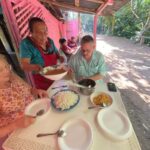
After Puerta del Conde, you finish with snacks at Kiskeyana by Mercy Bar (about 15 minutes). This is a smart wrap-up for a history walk. It gives you a chance to cool down a bit, talk with the guide, and take a breath before you head back on your own.
It also ties back to the tour theme: this isn’t history locked behind glass. It’s history in a real neighborhood rhythm.
Price and value: what $30 buys you in real time
At $30 per person for 90 minutes, the value comes from three things.
First, you’re paying for a small-group experience with a cap of 6 participants. That matters because you get better engagement and less downtime.
Second, the tour includes snacks and a souvenir. Even if you ignore the souvenir for daily life, it’s a sign the tour is designed to feel complete, not like a short lecture that stops abruptly.
Third, the guide is a major part of the cost. GaudyMercy is not just a reader of facts. She’s a local cultural artist and a historian with over 15 years of background, and she uses her hip hop and culture connection to make the story easier to hold.
So while it’s not priced like a full museum day, it’s priced like what it is: a focused walking tour that uses time efficiently and keeps the experience moving toward context and understanding.
What it feels like in your day: timing, pace, and group size
This tour runs for about 90 minutes, and the stops are short. That structure helps if you’re sightseeing in heat or humidity. You’re constantly shifting locations, so your body stays engaged even if you’re not moving fast.
The group size matters here. With up to 6 participants, the guide can adjust her pace. In practice, that also means if your group is small, you’re more likely to get a more direct conversation rather than a broadcast tour.
You should also expect that most of the experience is guided walking plus short guided site looks. The only included museum entrance is the National Pantheon, so if you want long interior time at multiple sites, you may need to plan separate museum visits on another day.
Practical tips so the walk stays fun
Here’s how to set yourself up well.
- Wear comfortable shoes. The tour is mostly walking with multiple short stops.
- Bring water. You’re moving through outdoor streets, and the pace is constant.
- Be ready for a compact museum moment. Plan to spend your longer attention on the National Pantheon, since that entrance is included.
- Check your language preference (English or Spanish) when you book, because the guide runs live in both.
- Know the meeting point: the guide meets you at the Monument Ruinas del Monasterio de San Francisco area (coordinates 18.4766021, -69.8855771). Showing up a few minutes early helps you avoid stress.
If you’re coming with teenagers, this tour can work well because the guide’s storytelling style blends education with entertainment, and the hip hop culture connection can make the history feel less distant.
Who should book this tour, and who might skip it
You should book if you:
- want a walkable overview of the Colonial Zone with a clear historical storyline
- like when a guide uses storytelling instead of just reciting dates
- appreciate a guide who can connect past events to how the culture feels today
You might skip it if you:
- want a day full of multiple full museum admissions, since only the National Pantheon entrance is included
- prefer long stops and slow browsing over short, guided checkpoints
Should you book Zona Colonial Hictorical Tour with a local artist?
My take: yes, especially if you care more about meaning than about ticking boxes. This tour works because it stays focused—90 minutes, a clear arc from 1492 to 1965, and a guide who blends history with Dominican culture through GaudyMercy’s artistic background.
If you’re on a first trip to Santo Domingo and you want the Colonial Zone to make sense quickly, this is a strong value at $30. You’ll leave with a story you can repeat, and you’ll have had a proper cooldown snack finish instead of ending on an empty stomach.
FAQ
FAQ
How long is the Zona Colonial historical tour?
The tour lasts about 90 minutes.
Where does the tour start and where does it end?
It starts at Monumento Ruinas del Monasterio de San Francisco and ends at Puerta del Conde.
What languages is the tour offered in?
The live guide works in English and Spanish.
How many people are in the group?
It’s a small group limited to 6 participants.
Is the tour wheelchair accessible?
Yes, it’s listed as wheelchair accessible.
What is included, and is museum entrance included?
The tour includes snacks and a souvenir. Entrance to the National Pantheon of the Dominican Republic is included, but it does not include entrance to other museums.