REVIEW · SANTO DOMINGO
Santo Domingo: Latin dance classes: Salsa and more
Book on GetYourGuide →Operated by Saoko Experience · Bookable on GetYourGuide
Salsa and bachata lessons in Santo Domingo are a lot of fun. This 1-hour dance class teaches salsa, bachata, and merengue with personal attention (and you can choose English, Spanish, or French). You’ll practice in a studio in the middle of the city, so you can learn steps without guessing what to do next.
I like the patient, encouraging teaching style you’ll see highlighted in feedback, even if you start from zero. I also like that you’re not locked into just one dance, you get basics for salsa, bachata, and merengue in the same session. One thing to consider: the nighttime part includes social dancing, which is not the same thing as an extra lesson, and the meet-up happens in a different place than the studio.
In This Review
- Key things to know before you go
- Your 1-hour dance lesson in Santo Domingo’s studio
- A quick note on who this fits best
- What you actually learn: salsa, bachata, and merengue basics
- Salsa: timing and weight shifts
- Bachata: getting comfortable with the groove
- Merengue: simpler footwork, stronger rhythm
- Classroom pacing and why it helps you improve fast
- The instructor vibe you’ll want to look for
- When and where: morning, afternoon, and nighttime options
- Daytime classes (9 a.m. to 5 p.m.)
- Nighttime studio classes (5 p.m. to 9 p.m.)
- The nighttime social dancing option: what it is and what it isn’t
- What you’ll do
- Where you meet for the social dancing
- Social dancing days and end time
- Price and value: why $35 can be a good deal
- How to get the most out of your session (without overthinking it)
- A smart plan for your night out
- What you should watch for before booking
- So should you book it?
- FAQ
- How long is the dance class?
- Where is the class held during the day?
- What time are daytime and nighttime studio classes?
- Is there social dancing in the evening?
- Is the nighttime social dancing part a class?
- Where do you meet for the nighttime social dancing?
- What dances do you learn?
- What languages are classes offered in?
- What should I bring?
- Is smoking allowed?
- Who is it suitable for?
Key things to know before you go
- Personalized to your level: beginner or intermediate, you’ll get help that matches where you are with the steps
- Three dances in one hour: you’ll learn foundations for salsa, bachata, and merengue
- Pick your language: classes run in English, Spanish, or French
- Studio teaching, city location: classes happen in a dance studio near Cervecería Nacional
- Night option is social, not a class: after 10 p.m., you’ll mingle in clubs/bars on the schedule listed
Your 1-hour dance lesson in Santo Domingo’s studio
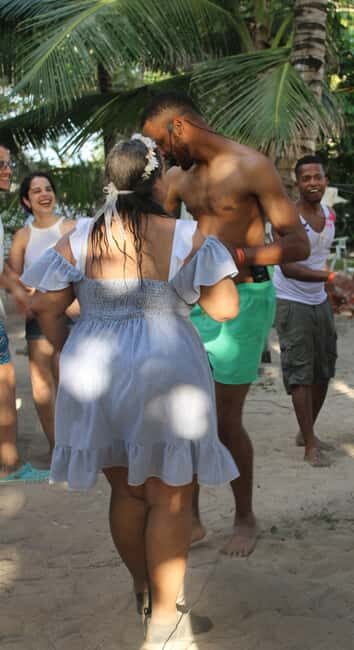
If you want to learn Latin dance without standing on the sidelines, this format is a smart pick. The experience centers on a single, focused hour in a studio in Distrito Nacional. That matters because you get enough time to learn a step pattern, practice it, and feel progress before you’re off to the next thing in the city.
The class covers three styles: salsa, bachata, and merengue. Even if you only care about one dance, it’s useful to see how the rhythms and body movement shift from style to style. The teacher also adjusts for your skill level, so you’re not stuck copying moves at the speed of someone who already knows the basics.
You can also read our reviews of more tours and experiences in Santo Domingo

A quick note on who this fits best
This is aimed at adults and teens, with a note that it’s not suitable for children under 12. It’s also listed as wheelchair accessible, while another note says it’s not suitable for people with mobility impairments. If mobility is a factor for you, I’d treat this as a “confirm first” situation so you know what the studio setup will be like for your specific needs.
What you actually learn: salsa, bachata, and merengue basics
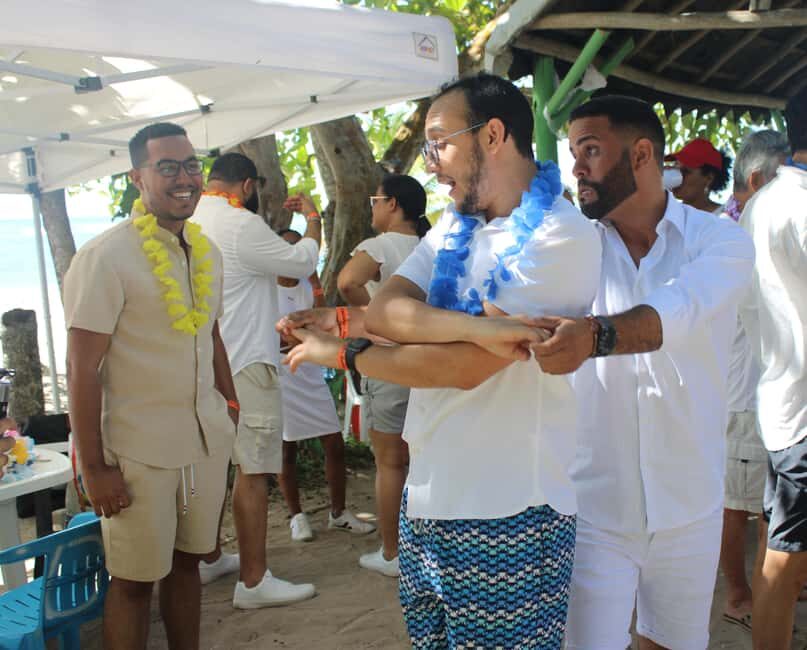
The big value here is not just that you see steps. You get coached through them. You’ll usually start with the simplest building blocks so your body understands the rhythm before you try bigger combinations.
Salsa: timing and weight shifts
Salsa is where many people get stuck because the rhythm feels like it’s moving faster than your feet. In a well-taught beginner lesson, the goal is straightforward: you learn timing and the way you shift your weight so the steps feel natural. In feedback, the tone is consistent: the instruction is patient, and mistakes are treated as part of learning, not something that slows the class down.
If you’ve never danced socially, salsa is also your best gateway. It’s widely used in clubs across the region, so once you understand the basic timing, you can recognize what’s happening even when a song gets busy.
Bachata: getting comfortable with the groove
Bachata is the dance many people fall for first because it can feel more forgiving in the early stages. The emphasis tends to be on the groove and the comfort factor—how to move through the rhythm without overthinking your feet.
Feedback also points out that beginners leave with more than a vague idea. You’ll learn a view of steps you can actually try at public dancing places, which is exactly what you want if your goal is to join the fun instead of watching from the edge.






Merengue: simpler footwork, stronger rhythm
Merengue can be a great confidence builder. It’s often taught with a clearer beat and simpler patterns, which makes it easier to get your rhythm right during a short session. Even if you’re not planning to become a “merengue person,” learning it helps you train your sense of rhythm across the trio of styles.
Classroom pacing and why it helps you improve fast
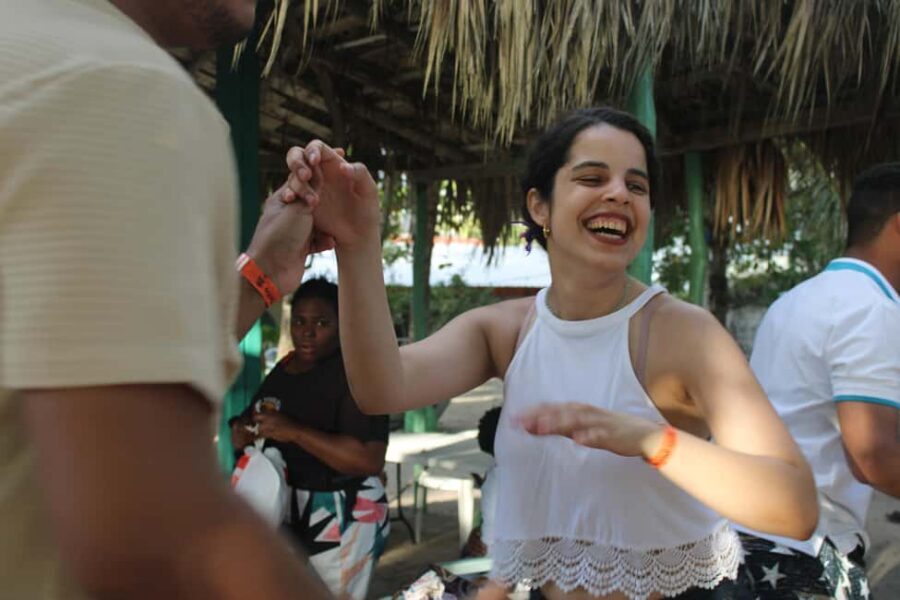
A common fear with dance classes is that you’ll feel lost. Here, the structure is designed to reduce that stress. The class is personalized to your needs and level, and the teaching style is described as encouraging and patient. If you’re learning from scratch, that matters because you need time to repeat the basics and reset your posture and footwork.
There’s also something practical: it’s a studio setting. You can focus on the instructor, hear guidance clearly, and practice without the distractions you’d get in a loud club. In other words, you’re not just learning moves, you’re learning how to execute them.
The instructor vibe you’ll want to look for
In feedback, a teacher named Alexa shows up repeatedly for being kind and patient, with a “laugh through mistakes” approach that keeps the energy light. I can’t guarantee every session includes the same instructor, but the teaching approach is consistent in what people mention: instruction that lets you learn without embarrassment.
When and where: morning, afternoon, and nighttime options
You have two ways to do it: daytime studio classes or nighttime studio classes. Both follow the same core idea (a lesson in the studio), but the surrounding vibe changes depending on the hour.
Daytime classes (9 a.m. to 5 p.m.)
Daytime sessions run from 9 a.m. to 5 p.m. at the dance studio. This is the option I’d pick if you want your evening free for exploring Santo Domingo. It also tends to feel more relaxed, because you’re not racing against club schedules right after the class.
Meeting point for daytime: Saoko Experience Dance studio, close to Cervecería Nacional. If you’re arriving by taxi or rideshare, that reference point is helpful.
Nighttime studio classes (5 p.m. to 9 p.m.)
Night studio classes run 5 p.m. to 9 p.m.. If you like learning while the city is waking up into evening mode, this timing can feel better. It also sets you up for the later social dancing option, if you choose to stay out.
The nighttime social dancing option: what it is and what it isn’t
After 10 p.m., the experience shifts from lesson mode to social mode. This part is designed for mingling and practicing what you learned, but it is explicitly not a class.
What you’ll do
You’ll go out for social dancing in the best bars/clubs and mingle with locals. The description also mentions live music, street music, and live performance, plus night parties and a dance tour. That suggests a lively evening atmosphere where you can try moves in real-world conditions.
Where you meet for the social dancing
For the nighttime practice starting around 10 p.m., the meeting point is listed as the Colonial Zone (Zona Colonial) or a different place in the city. A coordinate point is provided: 18.4449499, -69.9408854.
Social dancing days and end time
Social dancing is available starting from 10 p.m. and only from Wednesday until Sunday, with social dancing listed as available until 1 a.m. If you’re traveling on a Monday or Tuesday, you should expect the social portion to be different or not offered.
Price and value: why $35 can be a good deal
At $35 per person for a 1-hour personalized class, the value comes from three things:
First, you’re paying for coaching, not just time in a room. Personalized instruction matters a lot in dance. If you’re getting corrected while you practice, you compress the learning curve.
Second, you get exposure to three dances: salsa, bachata, and merengue. Many dance experiences focus on only one style, or they teach one dance plus a long “show” portion. Here, your hour is built around foundations across the trio.
Third, the optional social dancing can turn the lesson into real experience. Even if you only stay for a shorter portion, you’re more likely to use what you learned than if you had a lesson with no social outlet.
If you’re traveling in a group, the “book for your entire group” angle is also a value point. A group lesson is often more fun and can lower the pressure if someone else is also learning.
How to get the most out of your session (without overthinking it)
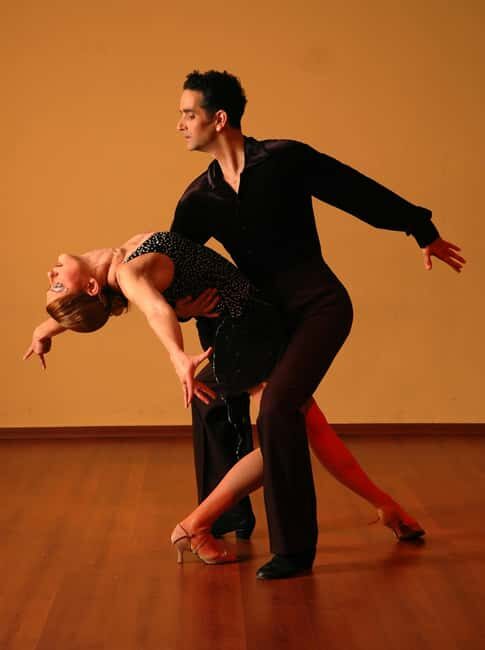
If you want quick progress, show up ready to move. The essentials are simple: comfortable shoes and comfortable clothes. Dance is physical, and you’ll learn faster if you can focus on rhythm instead of fighting your outfit.
A small mindset tip: treat the first few minutes like orientation, not performance. When feedback highlights patience and encouragement, it usually means you’ll get a chance to figure out posture, step placement, and timing before you’re expected to chain everything together.
A smart plan for your night out
If you’re doing the social dancing option, your goal should be practice and fun, not perfection. Try the step you learned most clearly in the studio, and don’t worry if you need to reset. Social dancing nights are about rhythm, connection, and getting comfortable in motion.
What you should watch for before booking
Here are the key practical checks I’d make:
- Language choice matters: make sure you pick the class language that matches your comfort level: English, Spanish, or French.
- Night social is separate from the class: once you go out after 10 p.m., you’re in social mode, not lesson mode.
- Timing affects the day’s plan: daytime studio works well if you want sightseeing later; nighttime works if you want a lively evening right away.
- Age guidance: it’s marked as not suitable for children under 12.
- Mobility notes conflict: it’s listed as wheelchair accessible, but also marked not suitable for people with mobility impairments. If you’re concerned, confirm with the provider.
So should you book it?
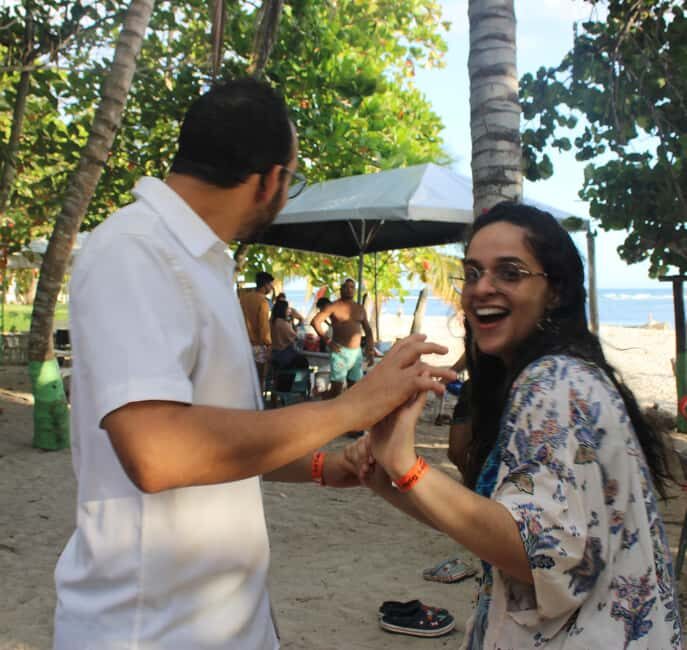
I’d book this if you want a short, structured way to learn real Latin dance basics in Santo Domingo, and you like the idea of trying what you learn soon after. The strongest reason to choose it is that instruction is described as patient and encouraging, even for absolute beginners, and you leave with actual steps you can use.
I would skip it or choose a different option if your main goal is a deep, advanced technique class. This is a foundations-and-fun experience, plus optional social time. It’s not presented as a long training program.
If you’re the type who learns best by doing, and you want to spend less time watching and more time moving, this one earns a yes.
FAQ
How long is the dance class?
The class lasts 1 hour.
Where is the class held during the day?
Daytime classes meet at Saoko Experience Dance studio, close to Cervecería Nacional.
What time are daytime and nighttime studio classes?
Daytime classes are listed from 9 a.m. to 5 p.m. Nighttime studio classes are listed from 5 p.m. to 9 p.m.
Is there social dancing in the evening?
Yes. Social dancing starts from 10 p.m. and includes going to bars/clubs to mingle.
Is the nighttime social dancing part a class?
No. The guide notes that the evening time from 10 p.m. is not a class.
Where do you meet for the nighttime social dancing?
Meeting is listed as the Colonial Zone (Zona Colonial) or a different place in the city, with the provided coordinates 18.4449499, -69.9408854.
What dances do you learn?
You learn basics of salsa, bachata, and merengue.
What languages are classes offered in?
Classes can be taught in English, Spanish, or French.
What should I bring?
Bring comfortable shoes and comfortable clothes.
Is smoking allowed?
Smoking is listed as not allowed.
Who is it suitable for?
It’s listed as not suitable for children under 12. Wheelchair accessibility is listed, but there is also a note that it is not suitable for people with mobility impairments, so you may want to confirm based on your needs.