REVIEW · SANTO DOMINGO
Santo Domingo: Bachata or Salsa Dance Classes
Book on GetYourGuide →Operated by Salsa Bachata Classes · Bookable on GetYourGuide
Salsa and bachata here feel personal fast. What I like most is the private, level-matched coaching and the focus on learning to hear the music before you chase steps. You’ll get structured work on basic fundamentals, partner connection, and styling so it feels like dancing instead of memorizing.
The main drawback to think about: this is a 1-hour session, so if you want full choreo or lots of complicated patterns, you’ll need follow-up practice (or another class) after.
In This Review
- Key things you’ll notice right away
- Where Santo Domingo’s Park Meeting Makes the Class Feel Easy
- What You Learn in One Hour: Salsa, Bachata, and the Skill Under the Steps
- The Music-First Method: How Timing Starts Clicking
- Salsa and Bachata Together: Why It’s Not Just Two Lists of Moves
- Partner Work and Connection: The Part That Usually Feels Awkward
- Styling and Expression: Turning Steps Into Your Own Dance
- Instruction Quality: Clear Explanations in English (and Room for Questions)
- What to Expect at the Café in Parque Iberoamérica
- Home or Hotel Sessions: Convenient, But Confirm First
- Optional Night Out Practice: Dance Bars and Events
- Who This Class Is Best For
- The $40 Price: Why It Feels Fair for What You Get
- Practical Tips So Your Lesson Actually Sticks
- Should You Book This Salsa and Bachata Class in Santo Domingo?
- FAQ
- Where is the meeting point for the class?
- What is the duration of the class?
- How much does it cost?
- Is the class private or group-style?
- Do beginners get included?
- What dances will I learn?
- What language is the instructor?
- Can the class happen at my hotel or home?
- Is the activity wheelchair accessible?
- Who should avoid booking?
- Is there a cancellation policy?
- Can I reserve and pay later?
Key things you’ll notice right away
- Private 1-on-1 instruction tailored to your current ability, from first-timer to experienced dancer
- Music-first teaching so timing and rhythm start to make sense in your body
- Salsa and bachata both included in one focused session
- Partner work and connection, even if you’re a beginner
- Flexible meeting options, including a meeting spot inside Parque Iberoamérica or sometimes your hotel/home
- English instruction with clear explanations and room for questions
Where Santo Domingo’s Park Meeting Makes the Class Feel Easy
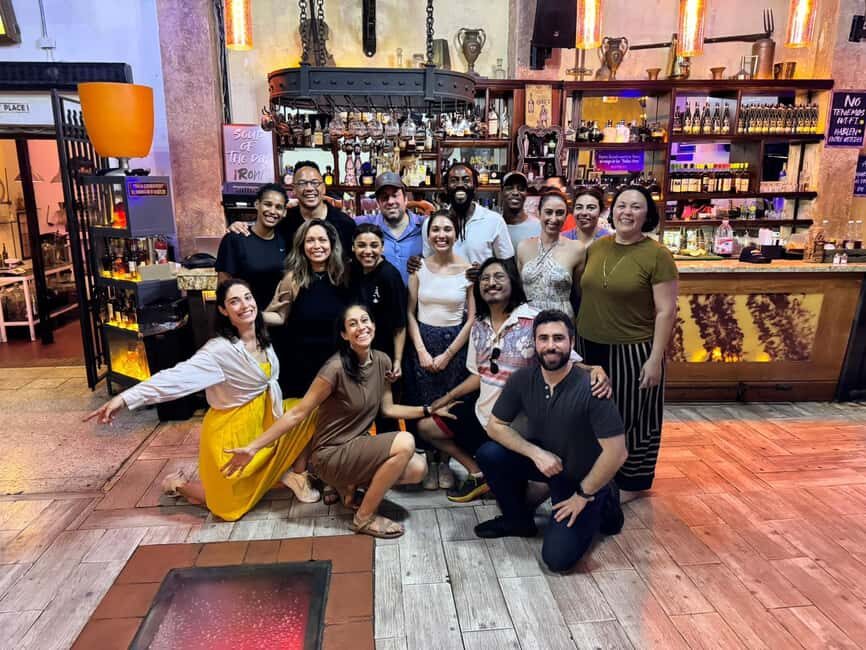
Your lesson starts in a place that removes the pressure. The meeting point is inside Parque Iberoamérica, at the café in the center of the park (coordinates: 18.4671778, -69.9190303). That matters because you’re not hunting down a studio address, and the park setting makes the whole thing feel casual and local.
Parque Iberoamérica is also a smart choice for a short class. You can arrive, get oriented, and not lose your momentum before the first count of music. If you prefer a less public setup, you may also be able to do the class at your home, hotel, or Airbnb, depending on your location—just contact first to confirm.
You can also read our reviews of more tours and experiences in Santo Domingo


What You Learn in One Hour: Salsa, Bachata, and the Skill Under the Steps
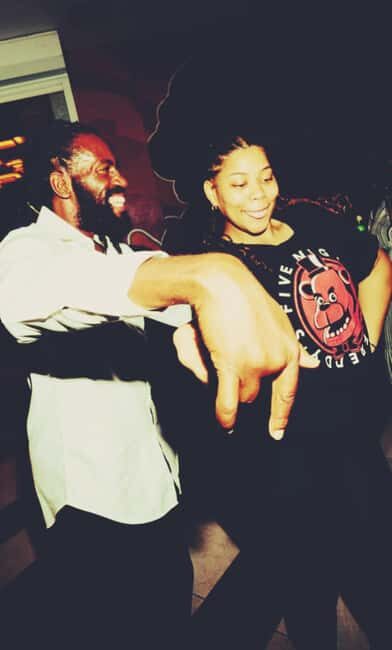
This class is designed for real beginners and real dancers, which is rare in quick lessons. You’ll work through basic steps and fundamentals for both salsa and bachata, and the instructor keeps the pace aligned with your level. The goal is that, by the end, you can actually move with the rhythm instead of only hitting positions.
A big focus is the way the lesson begins. You start with an introduction to Latin rhythms, listening to the music, feeling the beats, and learning why the dances matter culturally. Only then do the step patterns come in, so your brain has something solid to attach the movement to.
The Music-First Method: How Timing Starts Clicking
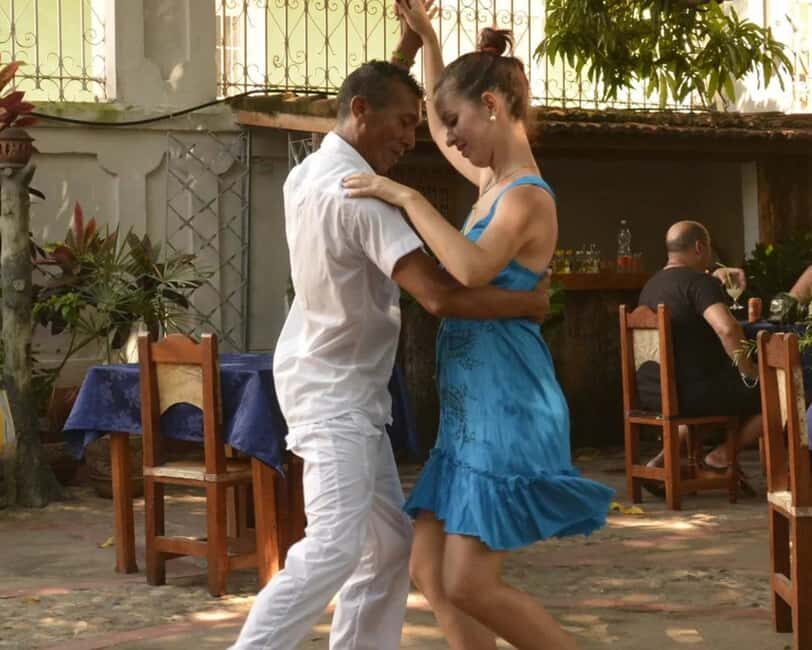
If you’re worried you won’t “get it,” this is where the class earns strong reviews. Many people love the attention to listening with intention, not just counting counts. The instructor helps you feel timing through the body—so even simple steps start to feel natural.
You might notice that the teaching approach targets more than technique. It’s about alignment between what you do and what the music is saying, including how your body expresses the rhythm. In at least some sessions, the teaching method even includes creative ways to experience rhythm with less visual reliance, like practicing the feel of the dance with eyes closed.
Salsa and Bachata Together: Why It’s Not Just Two Lists of Moves
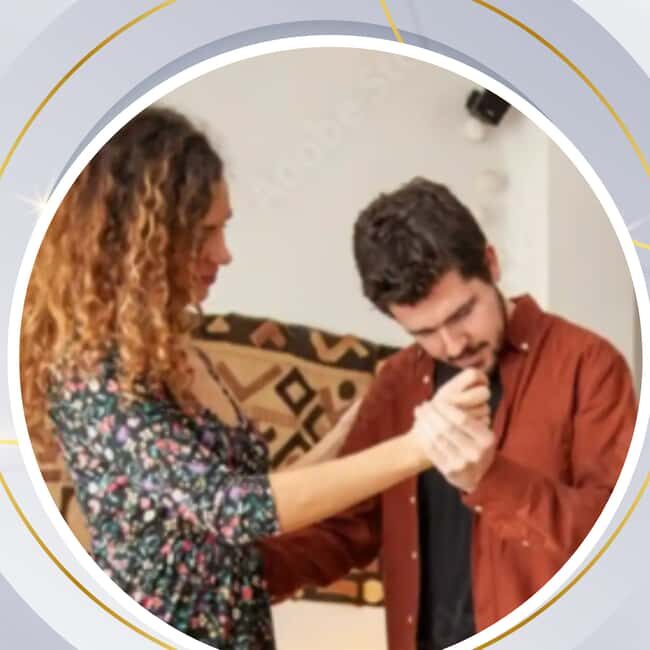
Getting both dances in one hour sounds ambitious, but the structure helps. You’ll learn salsa fundamentals and bachata fundamentals, then practice partner work and expression that apply to both styles. That means you’re not just memorizing separate routines; you’re building transferable rhythm and movement skills.
Salsa tends to reward clarity in timing and connection, especially when you start partner work. Bachata often makes you focus on the groove and the feel of the beat, plus how you carry yourself through the music. Pairing them back-to-back can actually speed up your understanding because you hear what’s different immediately.
Partner Work and Connection: The Part That Usually Feels Awkward
Partner dancing is where many first-timers get nervous. The good news is that this class introduces connection in a guided way, rather than dropping you into a social dance situation. You’ll practice moving in sync, learning how to respond to your partner’s lead or your own follow role.
This is also why the class can work for mixed skill couples. One partner may already dance, and the other may be brand new, but the instruction is built to thread that needle. You still learn something without feeling left behind.






Styling and Expression: Turning Steps Into Your Own Dance
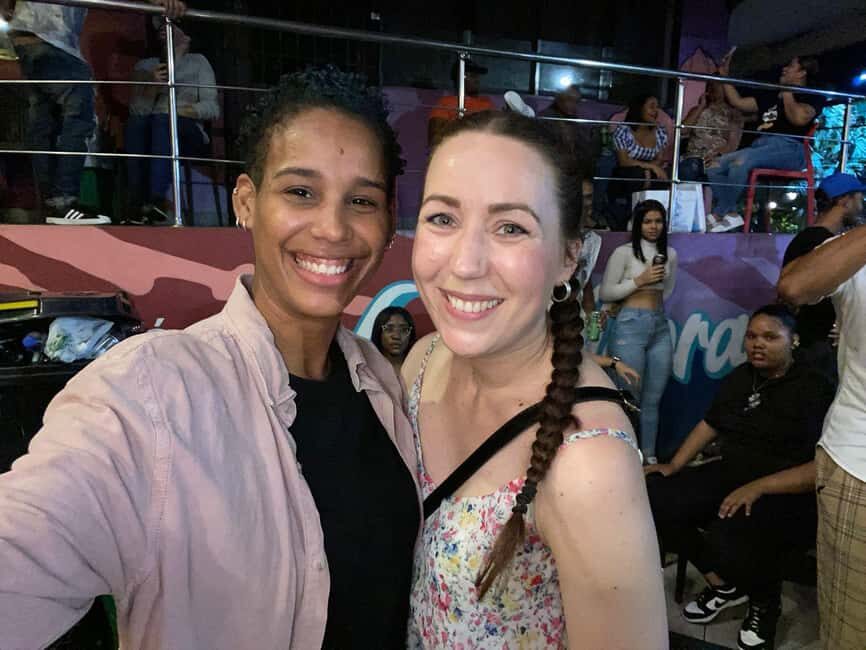
A key part of the lesson is styling and expression. Instead of only teaching footwork, the instructor encourages personal flair—how to move in a way that feels like you. For people who have danced before, this can be the difference between looking busy and actually communicating with the music.
What I like about this approach is that it gives you permission to be imperfect. You’re not aiming for a performance. You’re aiming for comfort, musicality, and control you can repeat.
Instruction Quality: Clear Explanations in English (and Room for Questions)
You’ll have an English-speaking instructor, and that matters for confidence. When you can ask questions and get precise answers, the learning curve gets way gentler. Many comments highlight thorough explanations, patience, and the way the instructor keeps the lesson moving while still making sure you understand what you’re doing.
A few people also mention that the instructor analyzes their dance style and gives specific feedback. That’s valuable because it helps you stop repeating a habit that looks right but feels wrong. If you’re brand new, that same feedback becomes guidance on what to focus on first.
What to Expect at the Café in Parque Iberoamérica
Plan to meet inside the park at the central café so you can start quickly. From there, expect the lesson to be structured and hands-on, with the instructor guiding your steps and then giving you time to practice. Because it’s private, you’re not stuck watching from the side while others take the spotlight.
If you run late, don’t panic. One review mentions traffic delays, and the instructor adjusted the plan on the spot. That’s a practical sign that the teaching isn’t rigid, and you won’t just lose your lesson because the city has traffic.
Home or Hotel Sessions: Convenient, But Confirm First
The activity offers flexible locations, including your home, hotel, or Airbnb, depending on where you’re staying. This can be great if you want to skip transport and keep your schedule tight.
The trade-off is simple: you need to confirm details first so the instructor knows the setting. Dancing needs a bit of space, and a home environment can vary. If you want this option, message ahead and ask what works best for your location.
Optional Night Out Practice: Dance Bars and Events
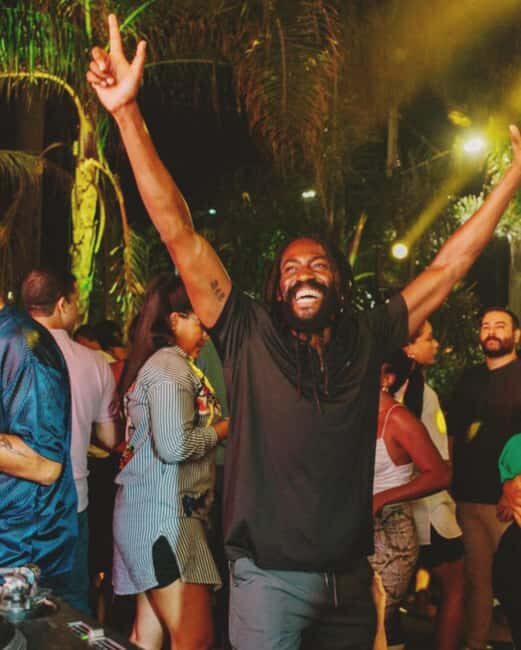
There’s also an added value angle that doesn’t show up in most one-hour classes. The instructor may offer tours to local dance bars or events so you can practice what you learned in a real social setting. For many people, that turns learning into an experience, not just a lesson.
Even if you don’t do the night out, the idea is smart: you learn the basics, then you test them in the environment they were meant for. That’s how you build real confidence.
Who This Class Is Best For
This class fits a wide range of dancers because it’s private and tailored. It’s a great pick for:
- Beginners who want fundamentals without embarrassment
- Intermediate dancers who want a cleaner sense of timing and rhythm
- Couples who want partner work and a shared activity in Santo Domingo
- Solo travelers who want a structured way to learn and then go practice
A few reviews also point to special moments. One person booked with a proposal plan in mind, and the instructor helped create the right scene. If you’re planning something personal and thoughtful, it’s worth mentioning it early so the instructor can shape the flow.
The $40 Price: Why It Feels Fair for What You Get
At $40 per person for one hour, the value depends on what you compare it to. If you’re used to group classes, private coaching is usually where your money goes: you get direct feedback, no waiting, and a plan built around your current ability.
This class leans into the things that make private lessons worth it:
- Personal instruction instead of generic choreography
- Both salsa and bachata covered in one session
- Music coaching that helps you understand timing, not only repeat steps
You’re not paying for a long show. You’re paying for focused learning time with an instructor who works around your level. For short trips to Santo Domingo, that’s often the best use of limited hours.
Practical Tips So Your Lesson Actually Sticks
Since the lesson is short, you’ll get more out of it if you show up ready to practice, not just observe. Wear comfortable clothes you can move in, and keep your focus on rhythm cues rather than trying to perfect every step on day one.
After the class, give yourself a simple next task. For example, pick one thing the instructor emphasized—like listening for timing or matching body movement to the music—and practice it during downtime. If you learned partner work, try the basics with a friend or on video practice if that’s available in your situation.
Also, be honest about fitness and comfort. This activity isn’t listed for children under 12, and it’s noted as not suitable for people with low level of fitness. If movement is difficult for you, it’s worth considering a slower-paced alternative.
Should You Book This Salsa and Bachata Class in Santo Domingo?
I think you should book if you want private instruction, clear English explanations, and a quick path to musicality. The strongest reasons to choose it are the level-matched teaching and the music-first method that helps salsa and bachata start to make sense.
Skip it if you’re expecting a long, fully choreographed dance workshop or lots of advanced combinations for free. For that, you’ll want more time or additional lessons. But for a one-hour experience that teaches you how to dance with confidence, it’s a smart, efficient buy.
If your trip includes Santo Domingo and you want an activity that’s both cultural and practical, this is exactly the kind of class that gives you something you can carry home: timing, connection, and your own styling.
FAQ
Where is the meeting point for the class?
You meet inside Parque Iberoamérica at the café in the center of the park.
What is the duration of the class?
The class lasts 1 hour.
How much does it cost?
It costs $40 per person.
Is the class private or group-style?
It’s a private class with one-on-one instruction.
Do beginners get included?
Yes. The class is designed to welcome all levels, including complete beginners.
What dances will I learn?
You’ll learn to dance Salsa and Bachata.
What language is the instructor?
The instructor teaches in English.
Can the class happen at my hotel or home?
It can be possible. The activity offers flexible locations, including home, hotel, or Airbnb, depending on your location, and you should contact first.
Is the activity wheelchair accessible?
Yes, it is listed as wheelchair accessible.
Who should avoid booking?
It’s noted as not suitable for children under 12 and for people with low level of fitness.
Is there a cancellation policy?
Yes. There is free cancellation up to 24 hours in advance for a full refund.
Can I reserve and pay later?
Yes. There is a reserve now & pay later option.