REVIEW · DESSERT TOURS
Santo Domingo: Chocolate Tour + Optional Workshops
Book on GetYourGuide →Operated by Kahkow Experience · Bookable on GetYourGuide
Chocolate, but you get to touch it.
This KahKow Organic Chocolate tour in Santo Domingo turns cacao into a hands-on story, starting with a Holographic Theater that explains how chocolate traveled from early origins to Hispaniola and then the wider world. I also love the sensory tastings built into the route, where you sample cacao beans and then test chocolate by percentage after a 5-senses challenge. One thing to consider: the full experience is on the short side (about 25–50 minutes), so if you want a long, slow tasting with time to linger, this is more of a brisk crash-course.
You’ll move through real production spaces, guided by an English, Spanish, French, German, or Russian-speaking host (wheelchair accessible). It’s set up for an intimate, small-group feel, with a focus on what matters in cacao quality: post-harvest steps like fermentation and drying, not just the final candy. I like that the route ends right where you can see how machines convert ingredients into the finished product, including a stop on the Spanish Patio inside a glass-box setup.
In This Review
- Key points to know before you go
- The Holographic Theater: chocolate origins, ghost-style
- Cocoa Plantation sampling: fruit, forest vibes, and real context
- Fermentation Room: where quality gets made
- Sensory Room: the 5-senses challenge and percentage tastings
- Glass-box factory view on the Spanish Patio: how machines finish the job
- Optional workshops after the tour: chocolate bar or cacao-butter soap
- Price, timing, and what $21 buys you
- Who should book this KahKow chocolate tour
- Should you book this Santo Domingo chocolate tour?
- FAQ
- How long is the KahKow chocolate tour?
- What is included in the tour price?
- Are food and drinks included?
- Where does the tour start?
- What languages are offered for the live guide?
- What should I bring with me?
- How often do tours start?
- Is there an option to make something during the visit?
Key points to know before you go
- Holographic Theater starts the story fast, including how cocoa reached Hispaniola and spread worldwide
- Cacao bean tasting is part of the flow, not an afterthought
- Fermentation and drying get explained clearly, since they shape chocolate flavor
- Sensory Room uses a 5-senses game, with chances to taste different chocolate percentages
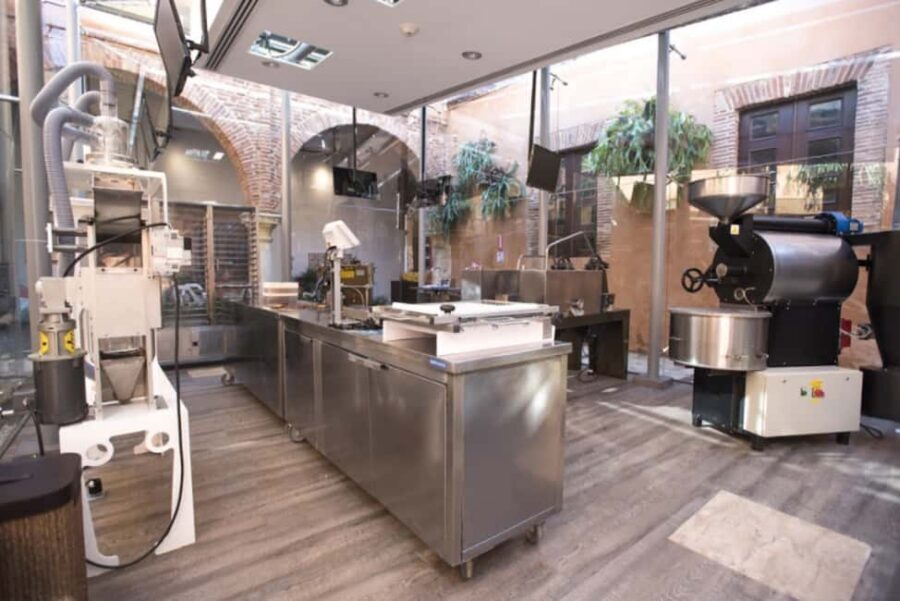
- You finish by seeing factory machinery in action, in a glass-box view on the Spanish Patio
- Optional upgrades let you make either a chocolate bar or cacao-butter soap
The Holographic Theater: chocolate origins, ghost-style
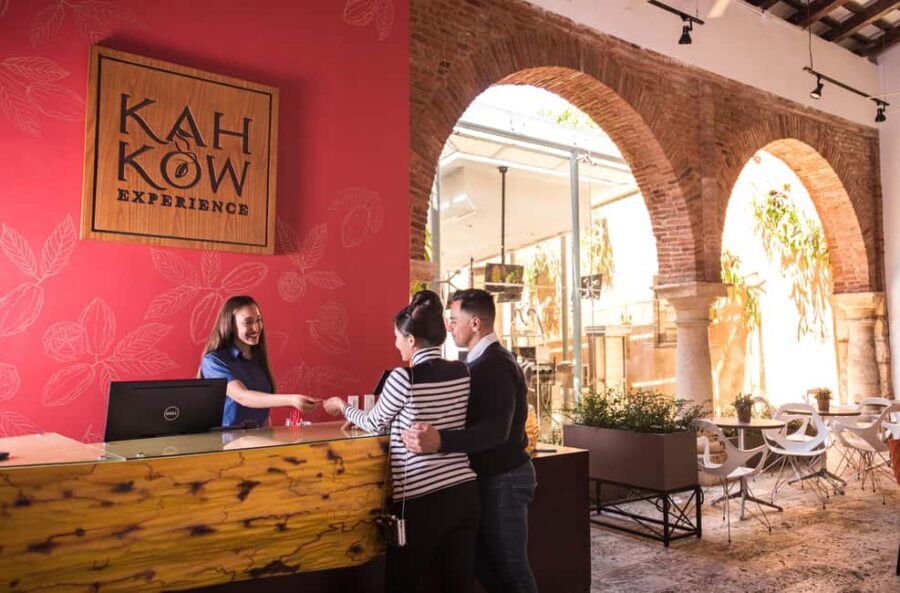
Your tour begins at the Kahkow Experience at Calle Las Damas 102. Before you get anywhere near cacao, you’ll start in the Holographic Theater, where chocolate history comes to life. The show uses chocolate-themed “ghosts” to tell the story from the beginning, including how cocoa reached Hispaniola and then traveled to the rest of the world.
Why this start works: it gives you a mental map before the smells and textures start. If fermentation, fermentation again, and drying sound like food-science homework, the theater framing makes it feel like the logical next chapter. Also, the theater format is naturally engaging for mixed ages and attention spans, which is a big win when you’re trying to make a short tour feel complete.
A practical tip: since tours start every 11 minutes, arrive on time. You want to settle in before the show kicks off, especially if you’re traveling with kids or anyone who gets flustered by tight schedules.
You can also read our reviews of more tours and experiences in Santo Domingo
Cocoa Plantation sampling: fruit, forest vibes, and real context
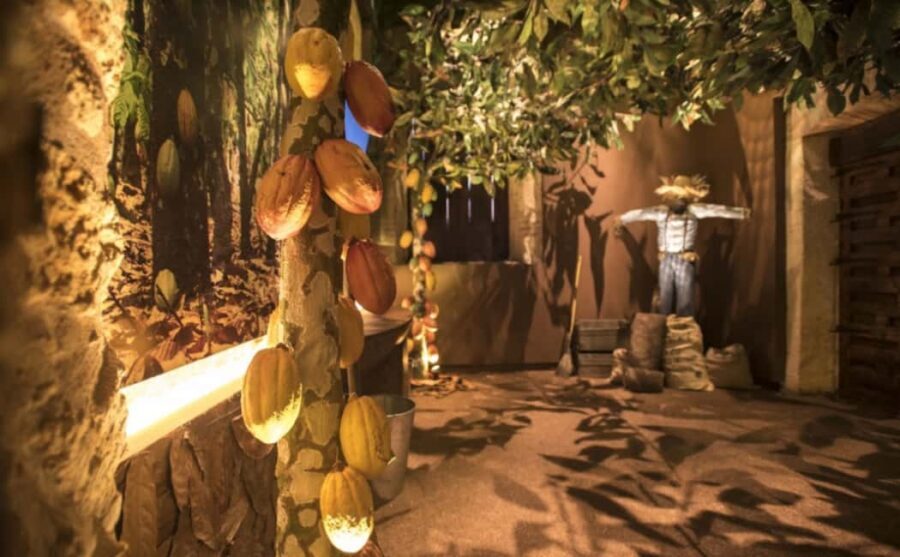
Next you head to the Cocoa Plantation area. This is where you switch from story to senses. You’ll be able to sample cocoa fruit and get a feel for what a cocoa-growing environment is like, with a guided walkthrough designed to make you feel as if you’re in an actual forest.
This stop matters because chocolate doesn’t start with chocolate. It starts with cacao fruit, and the path from fruit to bean is where the character of the final product begins. The tour’s structure helps you understand that fermentation isn’t optional flavoring. It’s one of the major steps that turns raw material into chocolate you can actually enjoy.
Keep your expectations realistic: you’ll taste cocoa fruit and cacao beans, but this is not set up as a huge buffet. It’s a tasting-led education route, so take your time with each sample, and notice the differences in aroma and flavor as you move forward.
Fermentation Room: where quality gets made
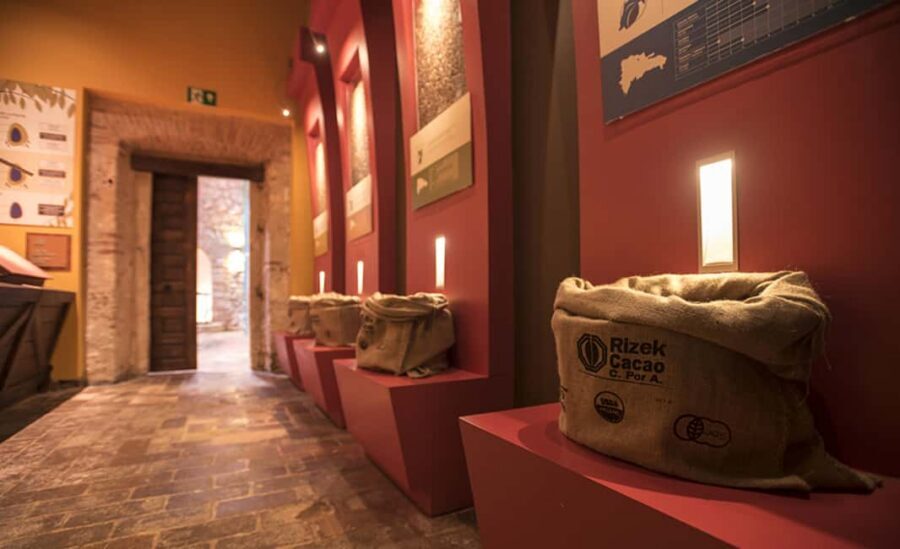
After the plantation stop, you’ll move into the Fermentation Room. This is one of the key learning points of the whole experience. Your guide shows you the processes of fermentation and the drying that follows, and explains why these steps are so important for creating quality chocolate.
Here’s the value for you: most people think chocolate quality is only about the finished bar. This tour pushes you to see it as a chain reaction. When fermentation and drying are handled well, you’re building the foundation for the flavors that later show up in different chocolate percentages.
Also, this part of the tour keeps things practical. Even if you don’t remember every detail, you’ll leave understanding that cacao beans are not automatically “good chocolate.” They need time, care, and the right steps after harvesting.
Sensory Room: the 5-senses challenge and percentage tastings
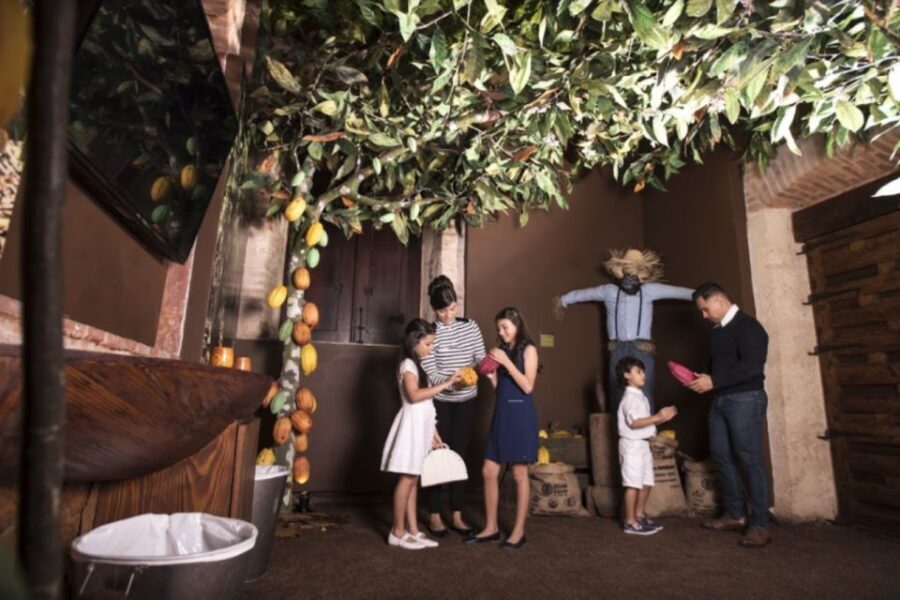
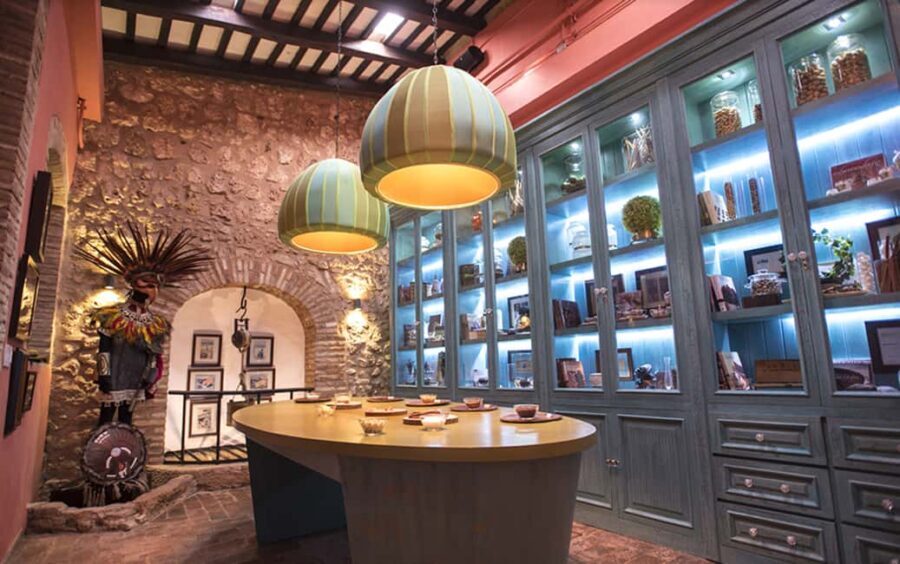
Then comes the Sensory Room, where you’ll use your five senses for ingredients that go into what makes awesome chocolate. The guide challenges you to guess correctly, and if you get it right, you’ll have a chance to taste different KahKow Organic Chocolate percentages.
This is where I think the tour earns its keep. It’s not just listen-and-watch. It asks you to participate, then rewards you with tasting. And because you taste by percentage, you’ll start connecting what you feel—bitterness, sweetness, aroma intensity—with what the cacao base is doing.
One consideration: since tasting depends on the guessing portion, you might not get every tasting if the timing doesn’t line up exactly with your group’s turn. Still, the tour is built to include tastings in the overall experience, and it’s structured enough that you’re not left out just because you’re not the fastest guesser.
Glass-box factory view on the Spanish Patio: how machines finish the job
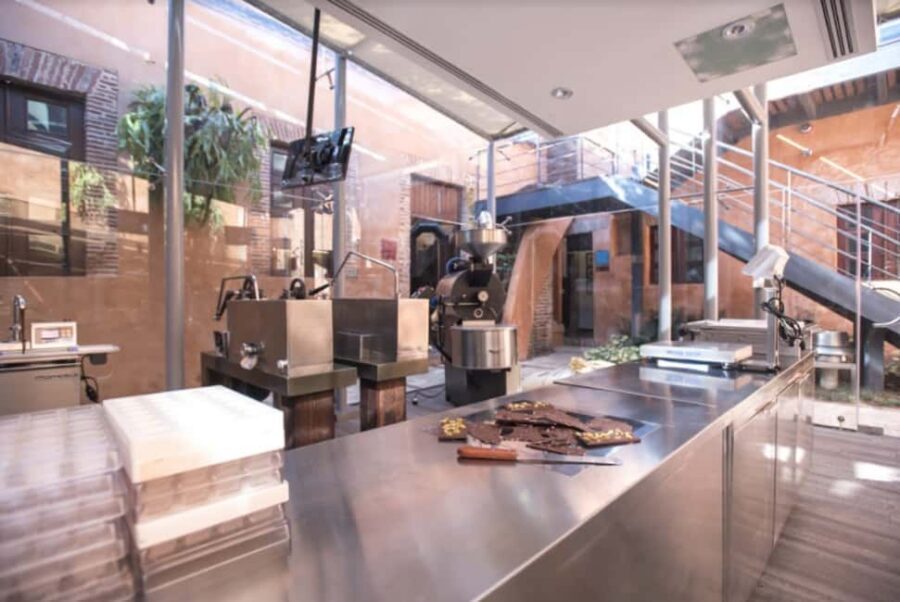
To end, you’ll be directed to the glass box on the Spanish Patio. This is a good closer because it brings everything together: after learning about cacao fruit and post-harvest processing, you finally see how the factory machines turn ingredients into the final product.
If you like seeing how the behind-the-scenes stuff works, this stop will click. It’s one thing to hear about fermentation and drying. It’s another to watch a guided explanation of machines and the workflow that turns cacao into chocolate.
I also appreciate that the tour ends in an outdoor-feeling setting (the Spanish Patio), rather than pushing you into another indoor lecture. It’s easier to absorb what you learned when you can breathe and reset before you head back into the city.
You can also read our reviews of more tours and experiences in Santo Domingo

Optional workshops after the tour: chocolate bar or cacao-butter soap
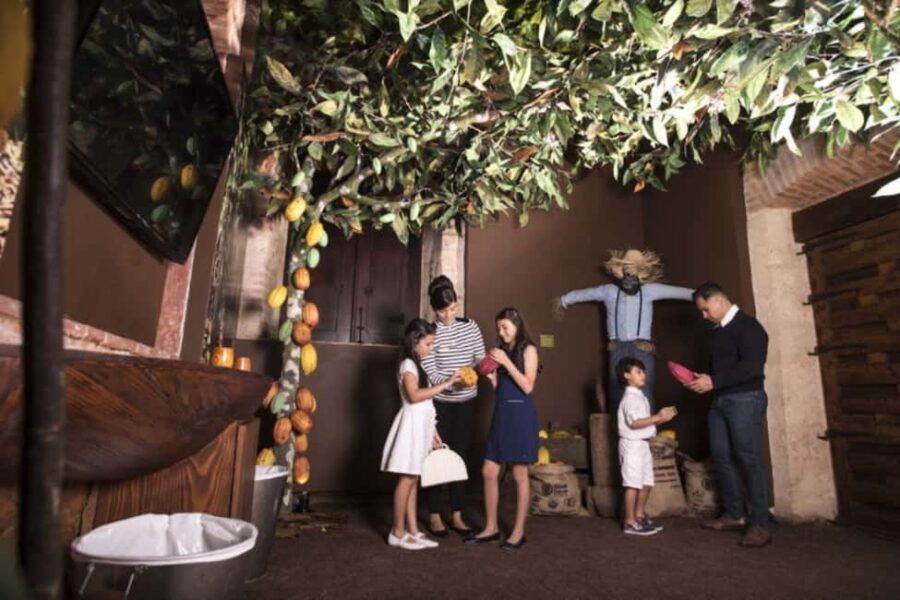
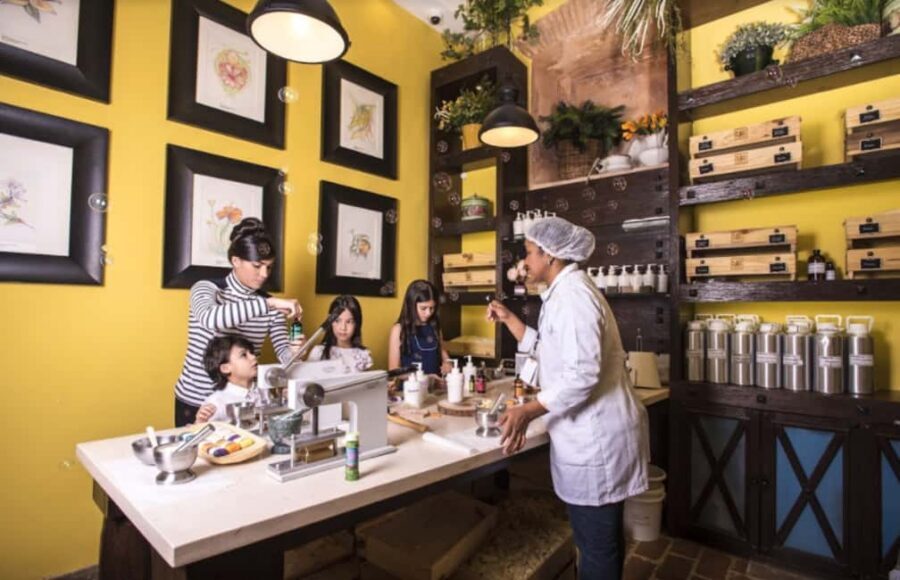
You can upgrade your visit with an optional workshop at the end. You have two choices:
Chocolate Workshop: you create your own chocolate bar.
Soap Workshop: you make your own soap using a cacao butter formula made by workers at La Esmeralda, and you add a special touch with your preferred aroma.
These upgrades add value if you want a take-home item that feels connected to what you just learned. A tasting teaches you flavor. A hands-on workshop gives you a memory you can use at home.
A practical way to choose:
- Pick the chocolate bar if you’re focused on flavor, percentages, and cacao-to-finished-product transformation.
- Pick the soap if you like DIY crafts and want something that uses cacao butter (and the La Esmeralda connection in the ingredients is a nice detail).
One thing to watch: the workshop is an add-on, so it may change the total time your day needs to account for. The standard tour is 25–50 minutes, but an upgraded experience will run longer in practice.
Price, timing, and what $21 buys you
The price is $21 per person for the chocolate tour experience. For that money, you’re not just buying a ticket to a tasting counter. You’re paying for an interactive route with multiple stages: a holographic origin show, cacao fruit sampling, fermentation and drying explanation, sensory challenges, cacao and chocolate tastings, and a factory-machine walkthrough.
That matters because chocolate tours can easily become either short and shallow or long and crowded. This one is designed as a tight, small-group experience with personalized attention and an intimate atmosphere, and you still get several distinct stops instead of repeating the same exhibit in different rooms.
Timing-wise, tours start every 11 minutes. The total duration is listed as 25–50 minutes, so it’s easy to plug into a day in Santo Domingo, especially if you’re also visiting nearby historic sights. Just build a little buffer so you’re not sprinting from one plan to the next when the show start times are frequent.
And one practical point: food and drinks are not included. Plan to have a drink or snack before or after, or you may find yourself thinking about lunch while you’re tasting.
Who should book this KahKow chocolate tour
This works best if you want a short, structured way to understand chocolate beyond the candy aisle. I’d steer you toward it if you like hands-on experiences, enjoy sensory activities, and want a clear explanation of why fermentation and drying change flavor.
It’s also a strong pick for a mix of ages because the tour includes an engaging theater start, guided tastings, and visual explanation of process steps. The small-group setup and personalized attention help, too.
You might skip or adjust expectations if you’re a total chocolate nerd who wants hours of deep technical tasting notes. This tour is educational and interactive, but it is time-limited. Think of it as a highly focused primer plus tastings, not a full research station.
If you’re traveling with mobility needs, it’s listed as wheelchair accessible and stroller accessible, which makes it easier to plan when not everyone moves at the same pace.
Should you book this Santo Domingo chocolate tour?
Yes, if you want a compact, interactive chocolate experience that actually explains the process. The combination of Holographic Theater storytelling, guided cacao and percentage tastings, and a fermentation-focused stop makes it a good value at $21. The option to upgrade into a chocolate bar or cacao-butter soap workshop is a bonus if you’d rather bring something home than just samples.
Before you book, make sure the short format fits your day. If you’re okay with a 25–50 minute pace and you’ll plan food and drinks separately, this tour is one of those activities that leaves you with both flavor memories and a clearer understanding of how quality chocolate is made.
FAQ
How long is the KahKow chocolate tour?
The duration is listed as 25 to 50 minutes.
What is included in the tour price?
The tour includes an interactive chocolate tour and cacao bean tasting. If you choose an option, it also includes a chocolate workshop or a soap workshop.
Are food and drinks included?
No. Food and drinks are not included.
Where does the tour start?
The meeting point is Kahkow Experience, Calle Las Damas 102, Santo Domingo 10210, República Dominicana.
What languages are offered for the live guide?
The live tour guide is available in English, Spanish, French, German, and Russian.
What should I bring with me?
Bring a passport or ID card.
How often do tours start?
The tour starts every 11 minutes.
Is there an option to make something during the visit?
Yes. You can add an optional workshop at the end of your tour, either a soap workshop (with cacao butter formula from La Esmeralda and an aroma you choose) or a chocolate workshop where you create your own chocolate bar.