REVIEW · CITY TOURS
Santo Domingo City Tour with Pickup in Santo Domingo
Book on Viator →Operated by Oasis Humpack RD · Bookable on Viator
Santo Domingo can feel like a time machine. This 6-hour city tour threads together the oldest European-settled streets in the New World with major landmarks like the Colonial City and the strange-and-fun Los Tres Ojos cave park.
I especially like that you get hotel pickup and a real guide, not just a driver. In past groups, guides such as Anthony (often called Papa Anthony) and Leo have worked in English and Spanish, which helps you actually follow what you’re seeing.
The biggest watch-out is pickup and timing. A few experiences reported late or missed pickup and then rushed adjustments, which can throw off your day if you’re tight on other plans.
In This Review
- Key highlights at a glance
- A tight six-hour plan through Santo Domingo’s oldest streets
- Price and what you actually get for $120
- Morning logistics: pickup, start time, and small group pacing
- Zona Colonial: the 1502 streets where Santo Domingo began
- Columbus Lighthouse and Alcázar de Colón: monuments with context
- Basilica Cathedral of Santa Maria la Menor: when names tell you the focus
- Calle El Conde: the street that carries the old-town beat
- Los Tres Ojos National Park: three lakes, one cave-world mood
- Monasterio de San Francisco and Fortaleza Ozama: ruins and stone power
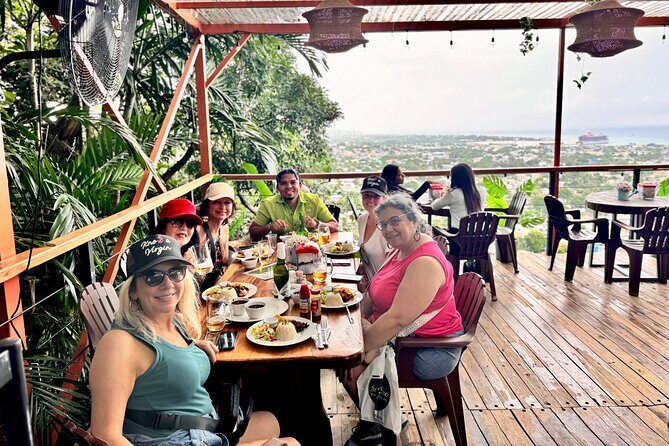
- Lunch included: your recharge point in a packed day
- Guide styles: Anthony and Leo, plus the shopping question
- What to bring and how to set yourself up for a smooth day
- Should you book this Santo Domingo City Tour with pickup?
- FAQ
- What time does the tour start?
- How long is the tour?
- Is pickup from my hotel included?
- Does this tour include lunch?
- What major places are included?
- Are admission tickets included?
- Is there a group size limit?
- What about weather conditions?
- Do I get a mobile ticket?
- How far in advance is it commonly booked?
Key highlights at a glance
- Colonial City focus: the oldest permanent European urban area in the New World, founded in 1502
- Los Tres Ojos National Park: a cavern freshwater lake area split into three inside views
- All major admission tickets listed as free for each main stop
- Hotel pickup plus lunch included, which makes the day easier for first-time visitors
- Small group size with a maximum of 20 travelers
A tight six-hour plan through Santo Domingo’s oldest streets
This is the kind of tour that helps you get your bearings fast. You cover the high-impact landmarks of Santo Domingo without needing to study a map for hours. The schedule is built around compact time blocks, with many stops set at about 45 minutes each, which is plenty to look around and ask questions, even if you move at a relaxed pace.
What makes it work well is the mix. You’ll see historic architecture in the Zona Colonial, plus a nature-and-geology detour at Los Tres Ojos National Park. That contrast is a nice change from the usual, purely museum-style tours.
Still, six hours is not a full slow wander. If you prefer unhurried photo time and long conversations in one spot, you’ll want to plan extra time before or after your tour day.
You can also read our reviews of more city tours in Santo Domingo

Price and what you actually get for $120
At $120 per person, this isn’t a bargain-basement excursion. The value comes from the bundle: hotel pickup, lunch included, a local guide, and listed free admission tickets for the main stops.
Here’s how I think about it in real terms. If you tried to DIY this, you’d pay for transport, you’d still need to figure out timing between sites, and you’d probably end up paying for at least some entry fees. This tour tries to cover those gaps so you can spend your energy on the places themselves.
The trade-off is that the itinerary is packed, so you are paying for access and coordination more than for deep lingering. Also, some people felt the tour was pricey for what they experienced, which is often a sign of two things: timing slipped, or the pacing felt rushed. If you’re the type who needs everything to run like clockwork, consider building in buffer time.
Morning logistics: pickup, start time, and small group pacing
The tour starts at 10:30 am and runs about 6 hours. You’ll also have mobile ticket access, and you should get confirmation at booking.
The group is kept to up to 20 travelers, which usually means you can actually hear the guide and not feel like part of a marching crowd. That said, logistics are where the experience can vary. Some groups reported confusion at the beginning about pickup and had to use an Uber to meet the tour, and others described late pickup that then threatened access to Los Tres Ojos.
So here’s my practical advice: get ready a little early, keep your phone charged, and have a backup plan in mind if your pickup seems delayed. This is especially important if you have anything scheduled after the tour.
Zona Colonial: the 1502 streets where Santo Domingo began
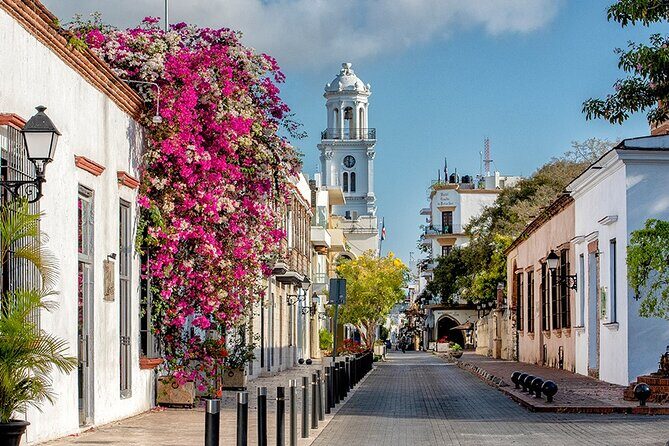
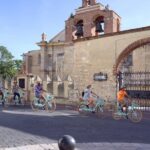
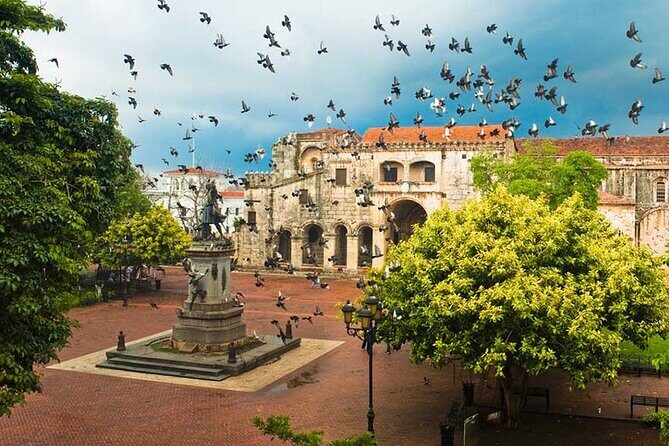
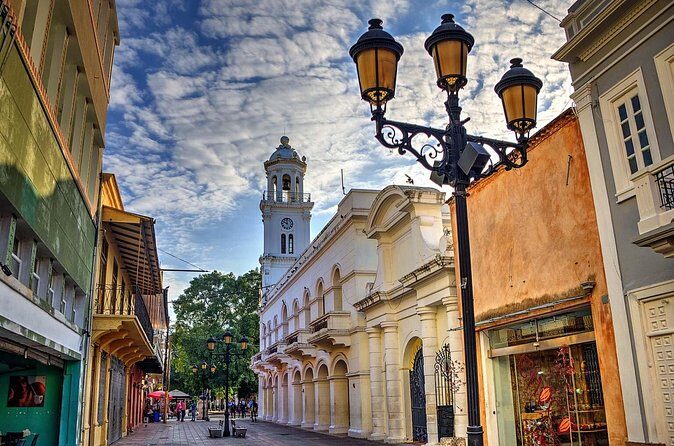
Your day kicks off in the Zona Colonial, described as the oldest urban core in Santo Domingo. The key point here is why it matters: this area was the first permanent European settlement in America, founded in 1502 by Spanish colonizers.
What I like about starting here is that the rest of the tour starts to click. Once you see the core, the buildings and names stop being just labels and start being a timeline you can walk through.
Expect about 45 minutes to get your eyes on the layout and pick a few anchors. Even within a short time, you can spot how the Colonial City keeps showing up in multiple places throughout the day: the Cathedral zone, palace structures, fortifications, and the street that everyone associates with colonial-era life.
Columbus Lighthouse and Alcázar de Colón: monuments with context
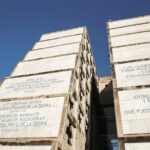
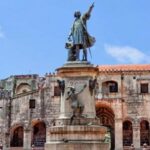
Next up is the Columbus Lighthouse (Faro A Colón), a monument and museum built to honor Christopher Columbus. The value of this stop is not just the building itself. It’s a reminder that Santo Domingo’s story is tied to early European exploration and the way those narratives get commemorated in stone.
You’ll get around 45 minutes here, listed with free admission. A short museum time is enough to understand the big message, but not enough to absorb every detail. If you like reading carefully and taking notes, plan to skim and then decide what you want to revisit.
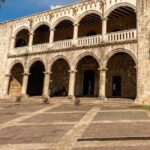
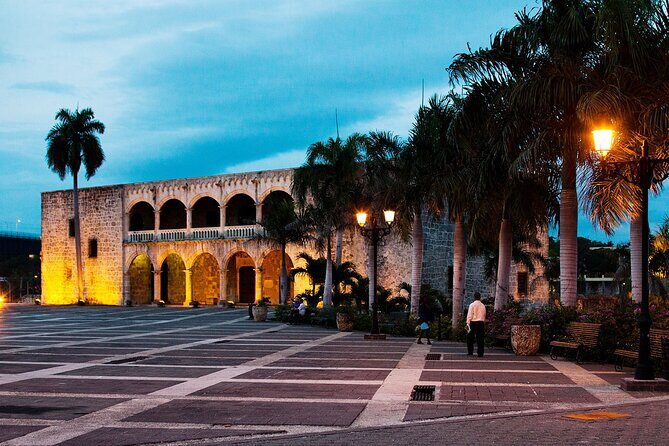
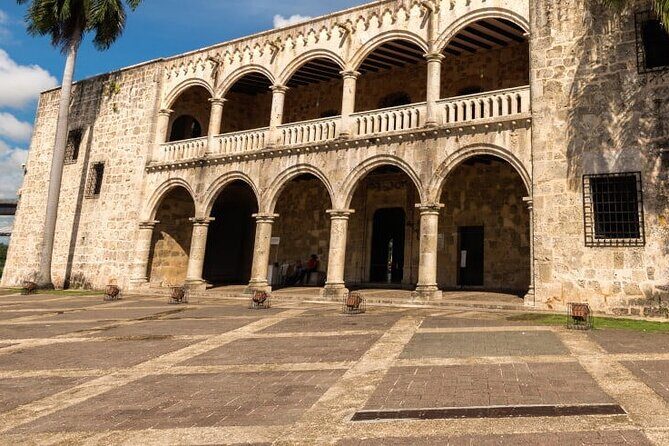
Then comes the Alcázar de Colón (also known as the Viceregal Palace of Don Diego Colón). It’s located in the Plaza de España area of the Colonial City. Even without overthinking it, you’ll get a sense of the power and presence behind the colonial administration.
As with many palaces, the short visit is best used for orientation: look at the setting, notice how the space connects to the rest of the historic district, and take photos from angles that show the building’s place in the streetscape.




Basilica Cathedral of Santa Maria la Menor: when names tell you the focus
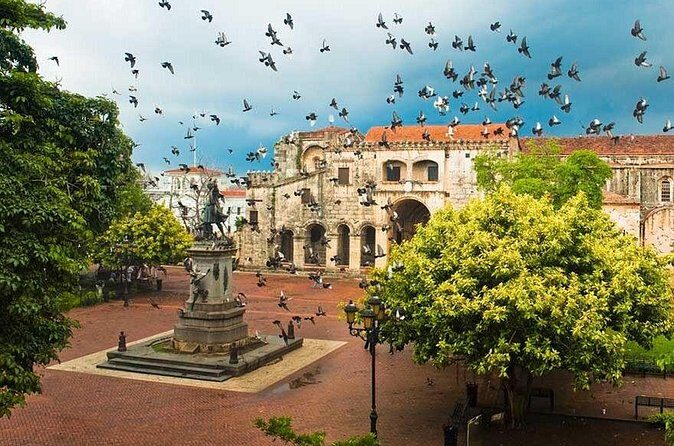
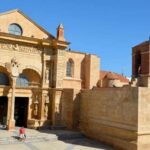
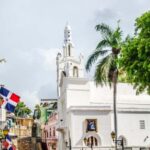
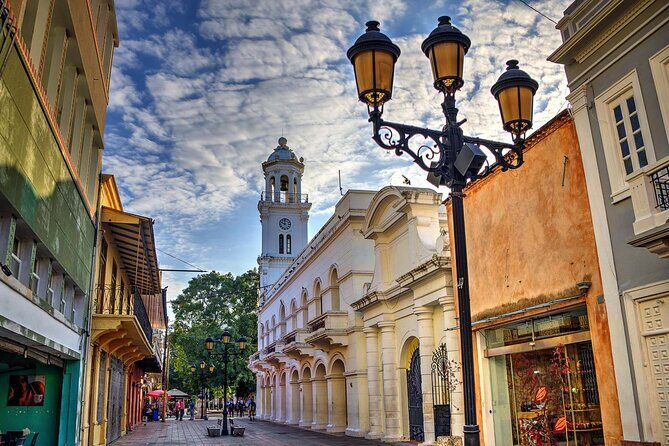
The Basilica Cathedral of Santa Maria la Menor is also referred to by other names, including the Catedral Primada de América and other longer formal titles. The important detail for your visit is its dedication to Santa María de la Encarnación.
A 45-minute stop is enough to appreciate the scale and the atmosphere, especially if you pause before rushing into photo mode. Cathedrals can feel overwhelming when you’re moving fast, so use the guide moment to learn what to look for, then spend your time where it feels meaningful.
If you’re a history buff, this is one of those stops where the guide’s pacing helps you link the church to the larger colonial story you’re seeing across town.
Calle El Conde: the street that carries the old-town beat
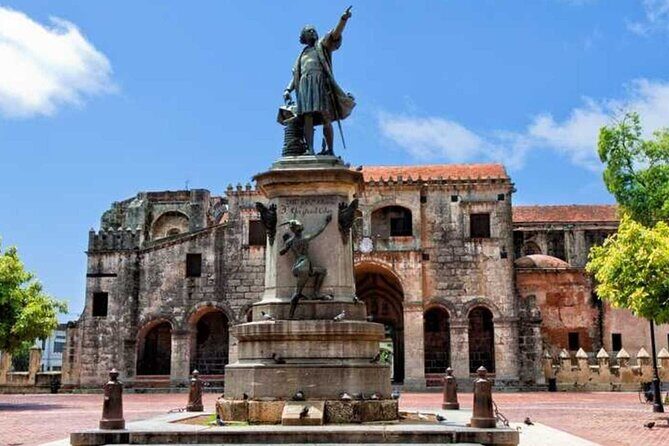
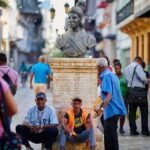
Then you’ll walk through Calle El Conde, described as an old street in the Colonial City and once a main street of Santo Domingo. It’s named after the Count of Peñalva.
This is the kind of stop that can be quick or memorable, depending on your travel style. With only about 45 minutes, the best use is to treat the street like a living corridor: look at storefronts and architecture, and notice how the street feels compared with the larger monument sites.
If you like buying small local items, Calle El Conde is the sort of area where you might find opportunities. If you do not want a shopping-heavy vibe, keep your focus on walking, photos, and people-watching.
Los Tres Ojos National Park: three lakes, one cave-world mood
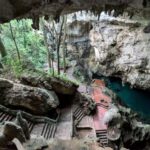
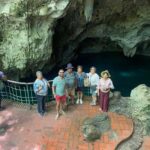
Now for the change of scenery. Los Tres Ojos National Park is a cavern with a freshwater lake area where it’s naturally divided into three lakes that can be seen from inside, plus a single lake you can see without going inside.
This stop is one of the most memorable parts of the tour for many people because it feels different from the colonial sights. Instead of architecture, you’re dealing with a natural space, with a cool, enclosed feeling and views that depend on where you stand.
Because it’s weather-dependent and the schedule is tight, it helps to treat this as a priority stop. If timing is running late for any reason, this is the one you least want to miss, since it’s also the stop that can’t be replaced easily by another photo location.
Tip: wear shoes you trust for uneven surfaces. Even if the tour stays organized, a cavern environment is not ideal for slippery footwear.
Monasterio de San Francisco and Fortaleza Ozama: ruins and stone power
You’ll visit the Monasterio de San Francisco, described as one of the most important ruins in the Dominican Republic and noted as a World Heritage Site. Even with limited time, ruins can be powerful because they show you what survived, what changed, and what the original scale must have been.
This is followed by Fortaleza Ozama (also called the Ozama Fortress), another Colonial City landmark. It was built by Spanish forces during colonial times, and it’s part of the area’s historical cultural monuments.
Fortress stops are great for visualizing the practical side of history. Rather than focusing only on titles and religion, you can think about control, defense, and how early settlements protected themselves.
If you’re the type who likes to understand how people lived and protected what they had, these two stops together work well. They give you both the spiritual-ruins feeling and the fortification feeling in one go.
Lunch included: your recharge point in a packed day
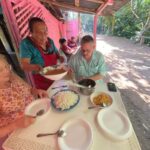
Lunch is included, which matters more than it sounds. With a schedule that hits multiple major sights in a row, you want one planned break so you’re not hunting food on the fly.
I suggest using lunch to reset your pace. Eat, refill water if you can, and then decide which two sights you want to focus on more heavily during the final stretch. With a guided tour, that choice helps you avoid the common trap: spending too much energy sprinting for photos at every stop.
Also, if it rained, one guide experience included managing things well with umbrellas. That’s a reminder that comfort matters on days when weather shifts.
Guide styles: Anthony and Leo, plus the shopping question
A standout theme is the guide. People highlighted bilingual guiding, and names like Anthony and Leo came up with strong positive energy and clear explanations.
That’s the real difference-maker on a tour like this. When your guide can connect what you see to a simple story, you don’t feel like you’re just checking boxes. You understand why a street got its name, why a lighthouse is where it is, and why the cave park feels like a totally separate planet.
One note to watch: there was a complaint about some shopping push. That doesn’t mean it will derail your day, but it does mean you should be mentally prepared. If you prefer zero detours for purchases, keep your priorities clear and politely steer the conversation back to the sights.
Language quality can also vary. One person felt a main guide’s English was hard to follow. If English clarity matters a lot to you, the bilingual nature of the guiding can still be helpful, but I’d go in expecting that explanations might be clearer in one language than the other.
What to bring and how to set yourself up for a smooth day
Since this tour requires good weather, check conditions before you head out. If the day turns, you’ll still want to be comfortable enough to keep moving.
Bring:
- Comfortable walking shoes for the Historic City streets and a cavern setting at Los Tres Ojos
- A light layer or rain cover, since weather can change fast
- A phone charged and ready, since you’ll be using a mobile ticket and relying on pickup coordination
And mentally prepare for pacing. With many 45-minute stops, the day favors travelers who like a structured overview. If you’re the type who loves slow museum-style time, you’ll still enjoy this, but you may want to plan follow-up visits after the tour day.
Should you book this Santo Domingo City Tour with pickup?
Book it if you want a guided, high-coverage overview of Santo Domingo’s core sights, with hotel pickup and lunch included. It’s especially solid for first-time visitors and for anyone who likes the Colonial City concept as a starting point. The inclusion of Los Tres Ojos is a major plus because it adds a natural wonder moment instead of only buildings.
Don’t book it (or at least think twice) if your schedule is ultra strict or you can’t handle a possible pickup/timing hiccup. Some experiences included late pickup and confusion, and those problems can affect whether you fully enjoy the cave park.
Also, if you dislike any shopping pressure, go in with a plan to keep your focus on the sights.
If you do decide to go, treat it as a smart orientation day. Then, if a place really grabs you, you’ll be in a great position to return on your own time and slow down where you want.
FAQ
What time does the tour start?
The tour starts at 10:30 am.
How long is the tour?
It’s about 6 hours.
Is pickup from my hotel included?
Yes, pickup is offered from your hotel.
Does this tour include lunch?
Yes, lunch is included.
What major places are included?
You’ll visit the Zona Colonial area, Columbus Lighthouse (Faro A Colón), Alcázar de Colón, Basilica Cathedral of Santa Maria la Menor, Calle El Conde, Los Tres Ojos National Park, Monasterio de San Francisco, and Fortaleza Ozama.
Are admission tickets included?
Admission tickets for the listed main stops are shown as free.
Is there a group size limit?
Yes. The maximum group size is 20 travelers.
What about weather conditions?
The tour requires good weather.
Do I get a mobile ticket?
Yes, the tour uses a mobile ticket.
How far in advance is it commonly booked?
On average, it’s booked about 9 days in advance.