REVIEW · SAMANA
Samana: Half Day Whale Watching Humpback Whale Watching
Book on GetYourGuide →Operated by Whale Punta Cana · Bookable on GetYourGuide
If you want a fast hit of wildlife, this is it. A half-day whale-watching trip in the Bay of Samaná puts humpbacks in your line of sight during winter mating season. I like how simple it is to join in: meet at the office/dock, head out from the private dock, and then spend the morning searching the water with a guide’s help.
Two things I really like about this experience are the live specialized guide (English, Spanish, French) and the fact you’re not just drifting—you’re traveling through the Bay with a plan, all the way toward the Marine Mammal Sanctuary. One drawback to consider: in real life, departures and time on the water can shift, so your actual whale-watching window may feel shorter than what you expect.
In This Review
- What makes this half-day whale watch worth your time
- Half-day humpback season in the Bay of Samaná
- Timing, departures, and why 9:00 am can be a little flexible
- From the dock to the Marine Mammal Sanctuary: what the morning actually feels like
- The catamaran ride: comfort, space, and the “crowd factor”
- Guide info and what to listen for beyond the whale sighting
- Snacks on board: small comfort that helps you enjoy the scan
- How much you’re paying and when it’s a bargain
- Whale sightings: what success can look like (and what can go wrong)
- Who this half-day tour suits best (and who should skip it)
- Should you book this Samaná humpback half-day?
- FAQ
- How long is the Samaná half-day whale-watching trip?
- Where do we meet for the tour?
- What time does the boat depart?
- What whales are you looking for?
- Is a guide included?
- What’s included besides the boat trip?
- What should I bring?
- Is this tour suitable for pregnant women?
What makes this half-day whale watch worth your time
- Bay of Samaná, peak season timing: humpbacks come in every year, and winter is the mating season window.
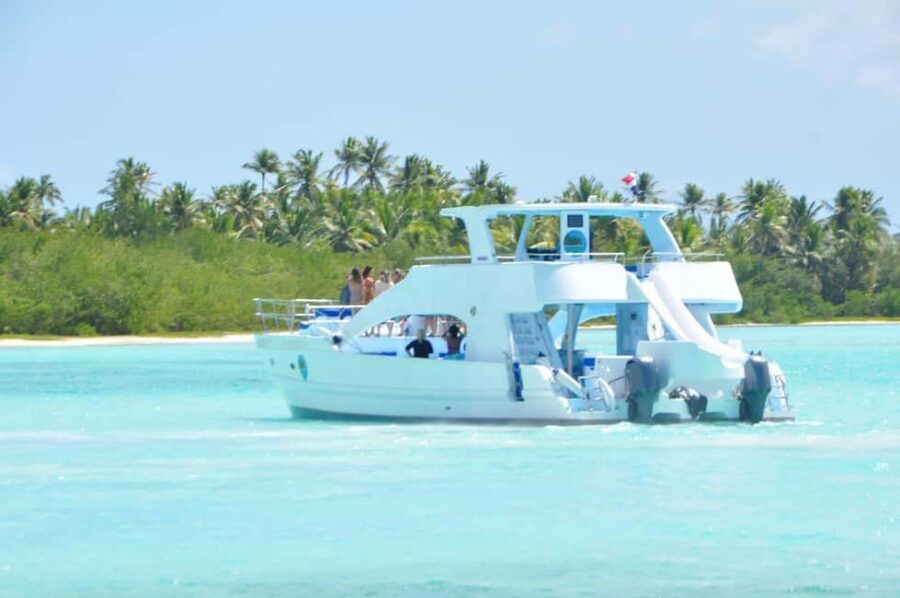
- Secure catamaran ride: you’re on a stable craft designed for group sightseeing.
- A guide’s search strategy: you get live info while the boat looks for whales around the Bay.
- Snacks on board: coconut, soda, and water keep you comfortable without needing extra stops.
- Marine Mammal Sanctuary entry tickets: the trip is built around reaching the right area, not just cruising aimlessly.
Half-day humpback season in the Bay of Samaná
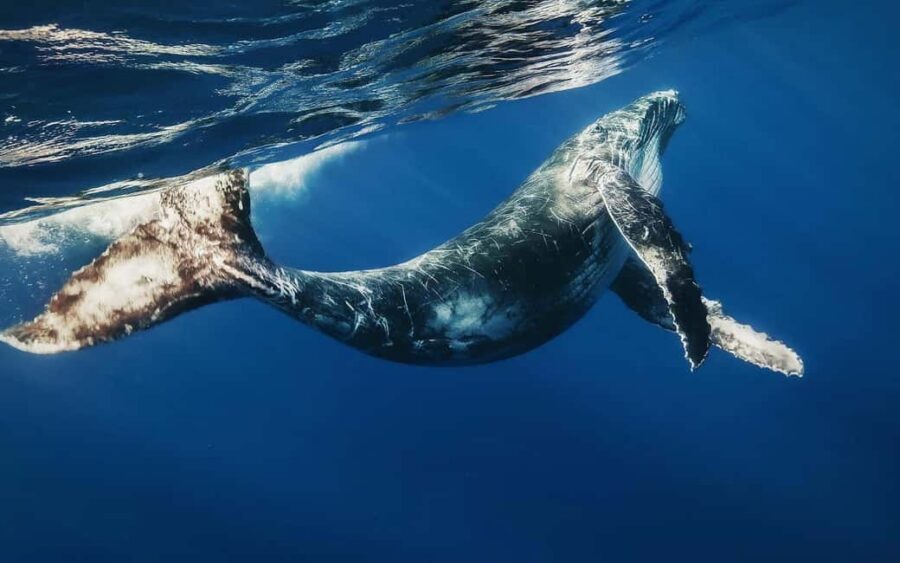
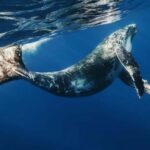
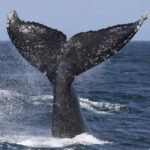
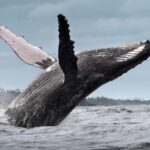
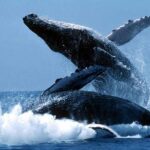
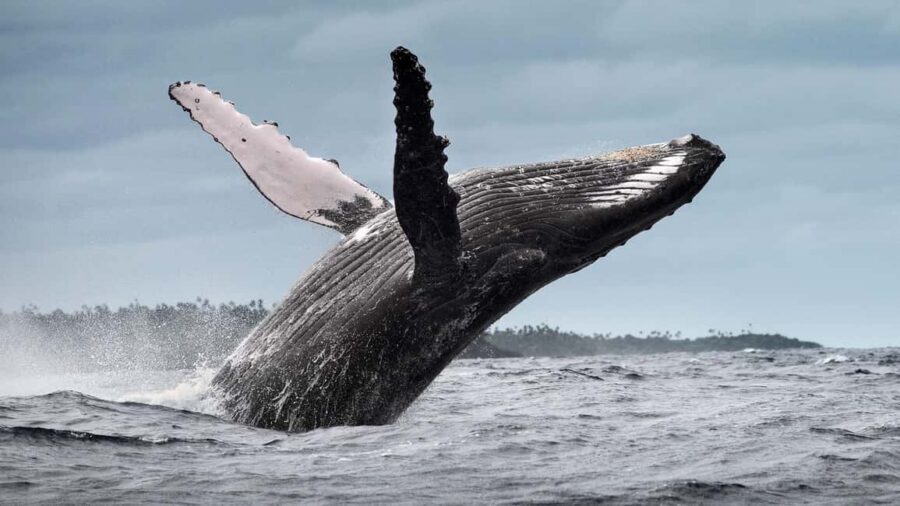
Samaná is one of the Dominican Republic’s best places to see humpback whales, and the key word is consistency: they visit every year. During winter mating season, humpbacks gather in the Bay in numbers you can actually hope to spot on a morning trip. That matters because whale-watching is never fully guaranteed, but it’s much easier when the animals are known to be there on schedule.
This tour is designed for people who want the experience without tying up the whole day. You’re scheduled for a half-day outing, with the trip returning around 12:30 pm. Even if you only get a couple of whale sightings, the setting does the heavy lifting: calm ocean stretches, birdlife, and the feeling that the whole Bay turns into a giant viewing area.
I also like that the tour isn’t positioned as just a boat ride. It’s explicitly a whale-watching trip with entry tickets and a route that aims toward the Marine Mammal Sanctuary area.
You can also read our reviews of more whale watching tours in Samana

Timing, departures, and why 9:00 am can be a little flexible
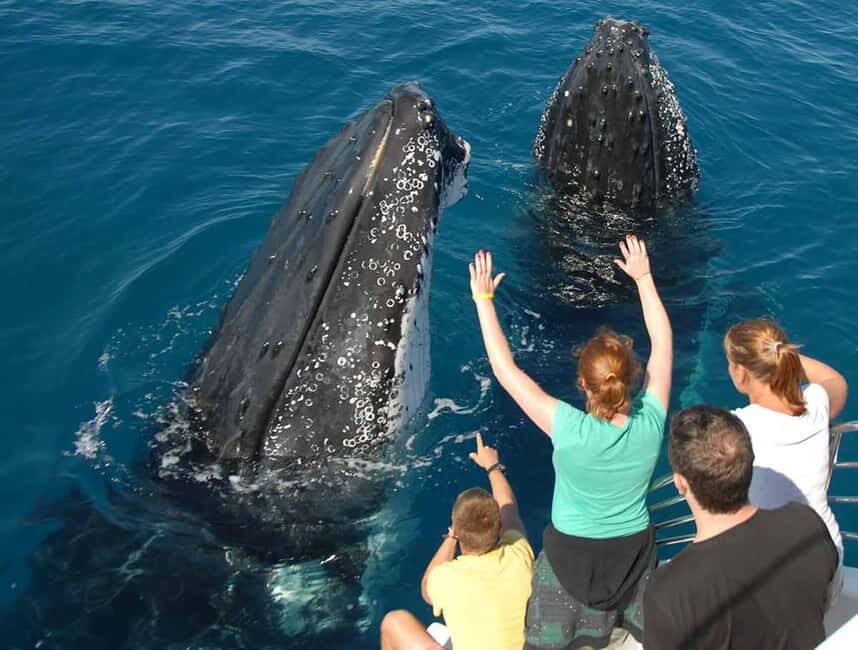
The trip is set up to depart from the private dock at 9:00 am. In theory, that gives you a solid morning chunk of time on the water. In practice, I’d treat that time as a target, not a promise.
Some departures can run late, and when that happens, you may still return close to the planned half-day window, which can squeeze the time spent scanning for whales. The upside: later departures may still get you to the right part of the Bay. The downside: if your goal is maximum observation time, a late start can make the experience feel rushed.
Here’s the practical way to handle it. When you plan your day in Samaná, give yourself buffer time after the tour. Don’t stack a tight appointment immediately after the return time. Also, if your priority is just seeing whales, you can be pleasantly satisfied even with a shorter window—but if you’re expecting a long, slow search, plan mentally for the possibility that the trip is more about momentum than waiting quietly for every moment.
From the dock to the Marine Mammal Sanctuary: what the morning actually feels like
Your day starts with meeting at the tour office area and then gathering at the dock with the guide and group. The meeting point can vary depending on the option booked, but the tour data gives coordinates for reference: 19.2029375, -69.3400156. If you’re using a map app, that can help you confirm you’re heading to the right dock area.
Once you head out, the tour follows a search pattern across the Bay of Samaná, with the stated plan to travel all the way to the Marine Mammal Sanctuary area. That portion matters because whale-watching works like a game of probability. You want the boat to be moving through the areas where whales are most likely to surface, not just staying near the starting point.
What to expect on the water:
- You’ll be looking for humpbacks as you travel through the Bay.
- Your guide will share facts while you scan the horizon and the waterline.
- You’ll experience ocean sounds and the mood of open sea time on a catamaran.
A few real-world considerations can shape how it feels. If the sea is a bit choppy, your ability to spot surfacing behavior can drop, and the whole boat may feel more crowded or distracting. Also, whale sightings can be clustered in bursts—meaning you might see plenty in a short stretch, or you might go quiet for a bit before something happens.
One thing I appreciate about this tour structure is that it gives you a defined goal (Marine Mammal Sanctuary area) rather than a vague cruise. Even when conditions or timing aren’t perfect, you still end up in the part of the Bay where whale-watching is supposed to be worth the time.
The catamaran ride: comfort, space, and the “crowd factor”
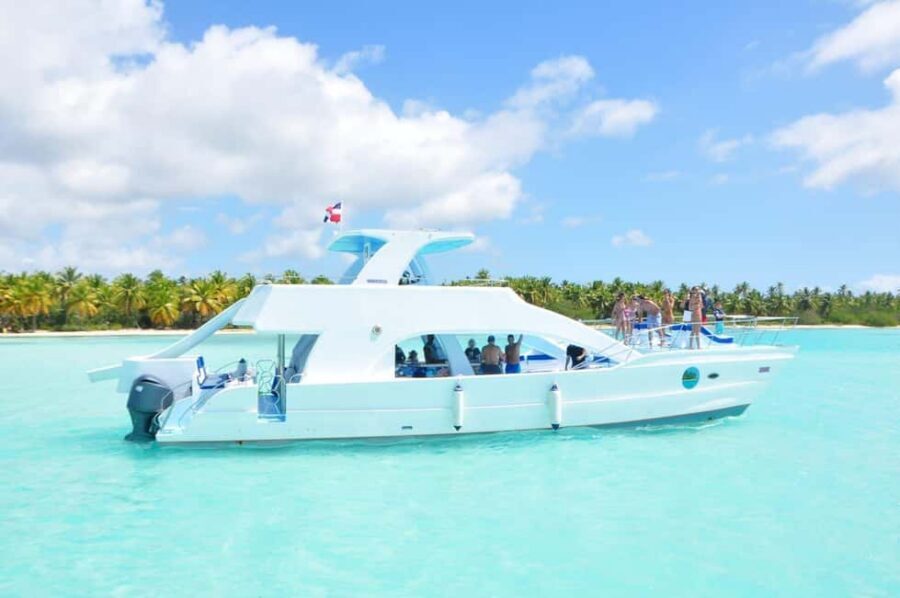
You’re on a catamaran, and that choice isn’t random. Catamarans generally offer stability compared with smaller boats, and they often feel better for morning rides when passengers are moving around and settling in for spotting.
Still, there’s one factor you should think about: spacing. Whale watching is better when boats can maintain distance and when the group isn’t packed tightly. When a boat feels crowded or not ideally set up for observation, it can become harder to get a clear view. It can also affect how comfortably you watch behavior unfold.
In some conditions, you may end up dealing with more people on board than you expected for a half-day experience. If the sea is a little rough, that crowd factor can make it feel like the focus is split between riding discomfort and spotting whales. When that happens, sightings can feel fewer or quicker, even if whales are in the area.
My practical advice: if you’re booking for the best chance of seeing whales well, show up ready to stand, look out, and stay flexible. Bring your towel, and be prepared to shift your position depending on where the guide is directing attention.
Guide info and what to listen for beyond the whale sighting
A guide is included, and the tour is available in English, Spanish, and French. That matters more than you might think. Whale watching isn’t just sight lines. It’s learning to read the water: the pattern of surfacing, the timing between breaths, and the kind of behavior that hints at what the whales are doing in mating season.
The guide’s role also changes the experience mood. Instead of you feeling like you’re searching blindly, you’re getting context as the boat moves. That can turn a short viewing window into something you understand and remember, rather than just something you hoped would happen.
One extra detail worth knowing: there’s evidence of helpful on-the-ground support tied to transfers and coordination. For example, a US-based booking mentioned Barbara helping organize the transfer from nearby areas. That’s a small signal that the operator and local staff may do more than hand you a ticket—they may help you get moving smoothly when you’re coordinating around Samaná’s roads and pickup points.


Snacks on board: small comfort that helps you enjoy the scan
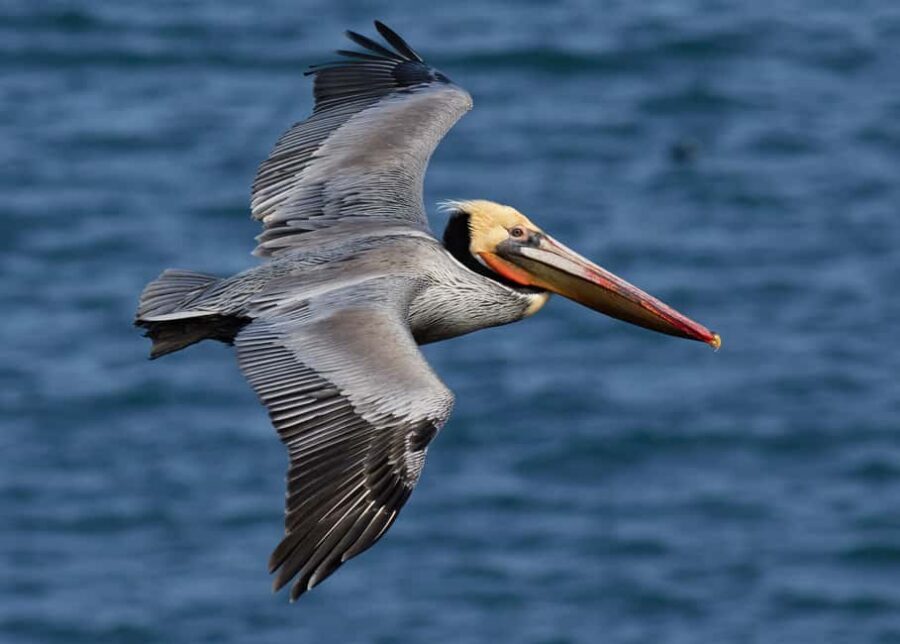
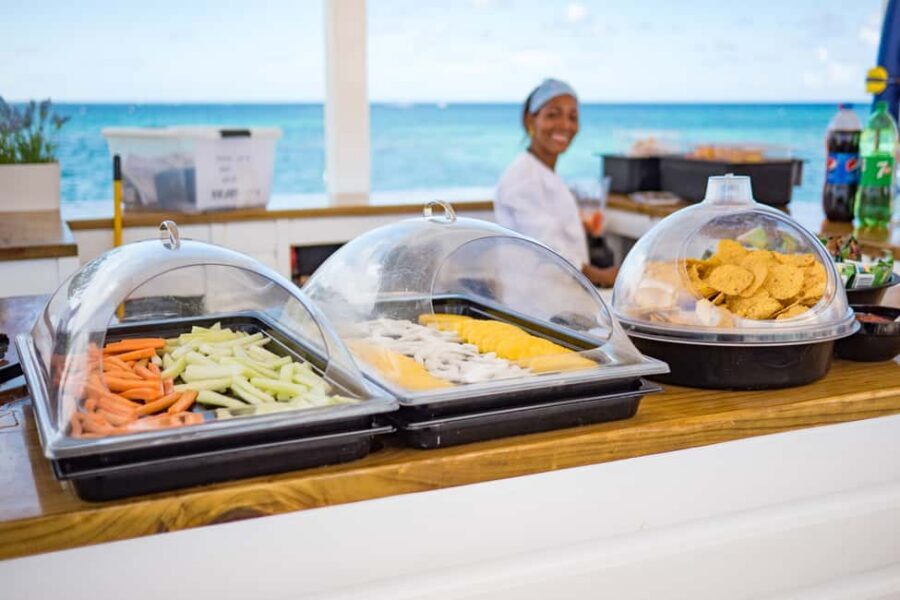
Snacks are included, which sounds minor until you’re on open water for a morning. You’ll have coconut, soda, and water on board. For a half-day trip, that hits the sweet spot: enough fuel and hydration to stay comfortable without needing an extra stop.
I’d think of it this way. Whale watching is a waiting game disguised as excitement. You might go from alert, to quiet, to suddenly focused again when a whale surfaces. Snacks help you stay in that mental mode without feeling like you should have eaten earlier or that you’ll get cranky halfway through.
Also, having water matters if you’re prone to getting dehydrated when you’re out in sun and wind. Even short trips feel longer when you don’t stay hydrated.
How much you’re paying and when it’s a bargain
The price shown is $6 per person, and that’s unusually low for a structured whale-watching outing that includes a guide, life jackets, snacks, and entry tickets. If that price is accurate for the specific option you’re booking, the value is strong—especially compared with the much higher cost you often see for whale tours elsewhere.
But here’s the reality check I’d use for any whale-watching deal: the main value question is how much of your paid time is actually spent watching whales. Some people report feeling like the half-day window can compress, which shifts value away from “more whale time” and toward “reach the area and hope for sightings.”
So, when evaluating whether this is a good deal for you, focus on:
- Whether your tour includes enough minutes in the whale-search zone
- Whether the ride feels structured for spotting (not distracted by crowding)
- Whether timing and departure align with your expectations
If you’re flexible and you mainly want the experience of seeing humpbacks in Samaná, the price can be a major win. If you’re extremely time-sensitive or you only want the longest possible viewing window, you’ll want to double-check that the half-day option truly matches what you want.
Whale sightings: what success can look like (and what can go wrong)
Humpbacks are the target, and during mating season, the chances are better. In practice, sightings can range from fewer, spaced-out moments to multiple whales appearing in a run.
A booking in Germany reported about 10 humpback whales sighted, which is the kind of result that makes a morning trip feel like a highlight reel. On the other end, another experience described limited sightings when the sea was rough and the boat felt less than ideal for whale observation.
And there’s an important ethical factor to keep in mind. One account described whales being chased with not enough distance or respect, which is a red flag for animal welfare and for the quality of the viewing experience. I can’t confirm how every trip runs, but I can tell you what to watch for so you can protect your own experience:
- If the boat is pushing too aggressively toward a whale’s path, you’ll often see confusion rather than calm behavior.
- If you can’t maintain safe distance, the whale may surface sooner or move differently than it would under quieter conditions.
- If you’re surrounded and unable to see cleanly, you’ll miss details even if whales are present.
If you care about responsible viewing, pay attention to how the guide and captain handle distance and positioning. You should be able to watch behavior without feeling like the boat is crowding the animals.
Who this half-day tour suits best (and who should skip it)
This is a good match if:
- You want humpback whale season in a shorter format
- You like having a guide share facts while you search
- You don’t want to spend the entire day commuting, eating out, and waiting around
It’s not a good match if:
- You’re pregnant (the tour data says it’s not suitable)
- You have low tolerance for choppy water, since morning sea conditions can affect comfort and spotting
A towel is the only explicit item to bring. Life jackets are provided, and you’ll likely want to keep your hands free for camera use and quick spotting.
For most visitors, the half-day format is the sweet spot. It gives you a real whale-watching attempt with a clear return time, without swallowing your whole day.
Should you book this Samaná humpback half-day?
Yes, if seeing humpbacks in the Bay of Samaná is your priority and you’re okay treating it like a morning hunt with real odds. The low price, the included guide, and the fact you’re traveling toward the Marine Mammal Sanctuary make this feel like strong value for the time.
I’d think twice or adjust expectations if you’re counting on a very long whale-search window. Timing slips can happen, and some conditions can reduce sightings. If you’re booking mainly for animal-welfare vibes and maximum distance, keep an eye on how the boat positions during sightings.
Bottom line: book it if you want a practical half-day whale experience, bring a towel, and stay flexible on timing and sea conditions.
FAQ
How long is the Samaná half-day whale-watching trip?
The duration is listed as 1 to 5 hours, depending on the option and starting time. The typical half-day return is around 12:30 pm.
Where do we meet for the tour?
The meeting point may vary depending on the option booked. The tour data provides coordinates of 19.2029375, -69.3400156 for reference.
What time does the boat depart?
The scheduled departure is 9:00 am from the private dock in Samaná, though real-world timing can sometimes run late.
What whales are you looking for?
The tour focuses on humpback whales that visit the Bay of Samaná every year during winter mating season.
Is a guide included?
Yes. A live tour guide is included, with languages available in English, Spanish, and French.
What’s included besides the boat trip?
Life jackets, snacks (coconut, soda, and water), tour guide service, and entry tickets are included.
What should I bring?
You should bring a towel.
Is this tour suitable for pregnant women?
No. The tour data states it is not suitable for pregnant women.