REVIEW · CANOES & KAYAKS
From Samana: Los Haitises Hike, Boat Trip, and Kayaking
Book on GetYourGuide →Operated by Whale Punta Cana · Bookable on GetYourGuide
Los Haitises feels like another planet, and in good ways. This day trip from Samana strings together four things that rarely share the same day: a rainforest hike, cave stops, boat time, and kayaking in the mangroves around Caño Salado and Samaná Bay. I like that it’s active without being a full-day grind, and I like the bird-and-plant spotting you get along the way. One possible drawback: you should expect some physical effort, since this isn’t suitable for pregnant travelers, people with back problems, or anyone over 70.
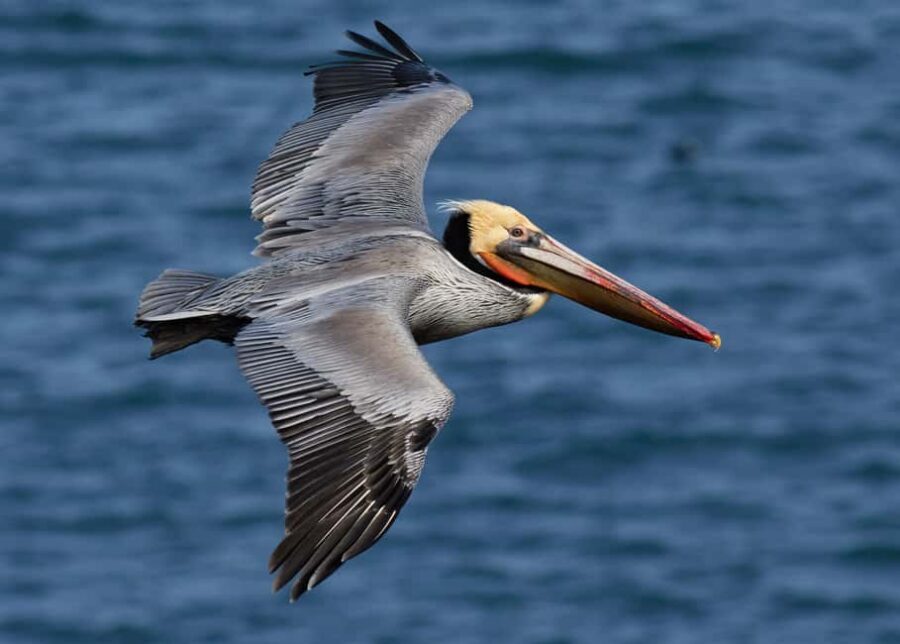
You’ll start from the Samaná Bay area, reach Los Haitises, then move through a mix of jungle trails, limestone formations, and coastal water routes. Along the hike, you’re set up to look for medicinal plants and birds like Ridgway’s hawk and the Hispaniolan Emerald, plus herons and pelicans when you’re near the water.
The best part for most people is how the trip keeps changing—walking, then boats, then paddling—so the scenery doesn’t go stale. If you’re hoping for a super-deep museum lecture, you may find the guide style varies day to day, even though the guidance is attentive.
In This Review
- Key things to know before you go
- Entering Los Haitises from Samaná Bay
- The rainforest hike: birds, medicinal plants, and limestone vibes
- Caño Salado and the big rock formations that look unreal
- Cave time in Los Haitises: petroglyphs, erosion, and the Taino story
- Cueva de la Arena: pictographs along a 940m cave corridor
- Kayaking the mangroves: calm water, close-up nature
- What about lunch, drinks, and energy?
- Price and value: does $65 make sense?
- Who this tour suits best (and who should skip it)
- The guide experience: attentive, but skills can vary
- Practical planning tips that make the day easier
- Should you book Los Haitises Hike, Boat Trip, and Kayaking?
- FAQ
- How long is the Los Haitises hike, boat trip, and kayaking tour?
- What’s included in the price?
- Is lunch included?
- Where does the tour start?
- What languages is the tour guide available in?
- Who should avoid this tour?
Key things to know before you go
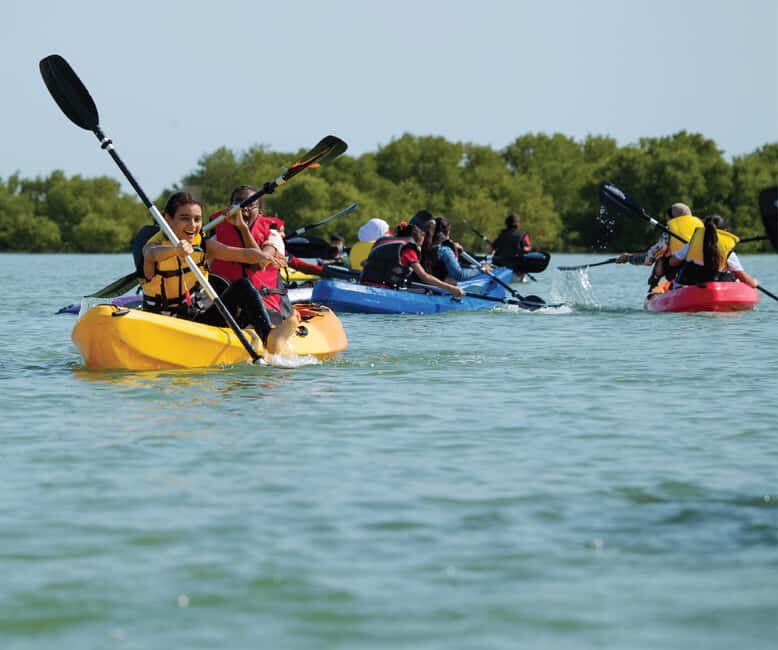
- Kayaking through mangroves in the coastal Caño Salado area, not just standing on a dock for photos
- Cueva de la Arena visit, including pictographs and a cave that runs about 940 meters along the cliff to the coast
- Rainforest hike with chances to spot birds and medicinal plants in Los Haitises National Park
- Caño Salado and big rock formations—sinkholes, caverns, and tall formations (around 30 meters) rising from the water
- Taino cave art and petroglyphs, with time to interpret the ancient drawings
Entering Los Haitises from Samaná Bay
Los Haitises National Park sits in the Dominican Republic’s northeast region, and it’s vast enough to feel remote even when you’re doing a one-day visit. People learn the name means hilly land in the Taino language, and that fits the feel: lots of rock forms, caves, and water cutting through the terrain.
From Samana, your day trip starts from the Samaná Bay side and heads toward the park area. You’re not just riding to a single viewpoint. The route sets you up for a full “movement day,” which is exactly why this tour works for many visitors: you get the jungle experience, plus the coastal mangrove and cave sides that make Los Haitises special.
Practical note: this is a 6–7 hour outing, so you’ll want your energy steady. Pack for humidity (even if the day is cloudy) and wear shoes that grip well on uneven, natural ground.
You can also read our reviews of more boat tours in Samana
The rainforest hike: birds, medicinal plants, and limestone vibes
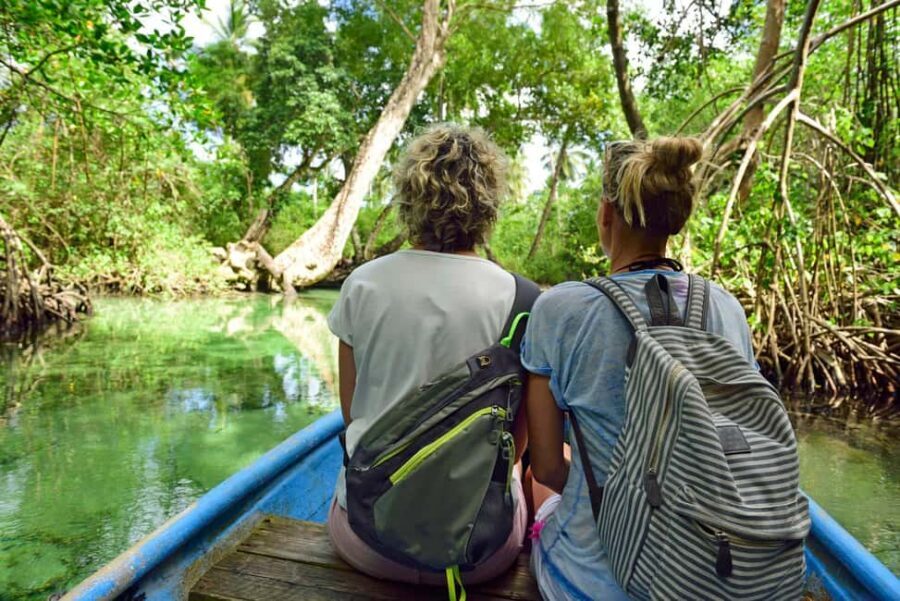
Once you reach the park, you’ll trek through the rainforest. This is where the day starts to feel real, because Los Haitises isn’t a flat walk in a groomed garden—it’s a living patch of jungle, with birds and plants that respond to your pace.
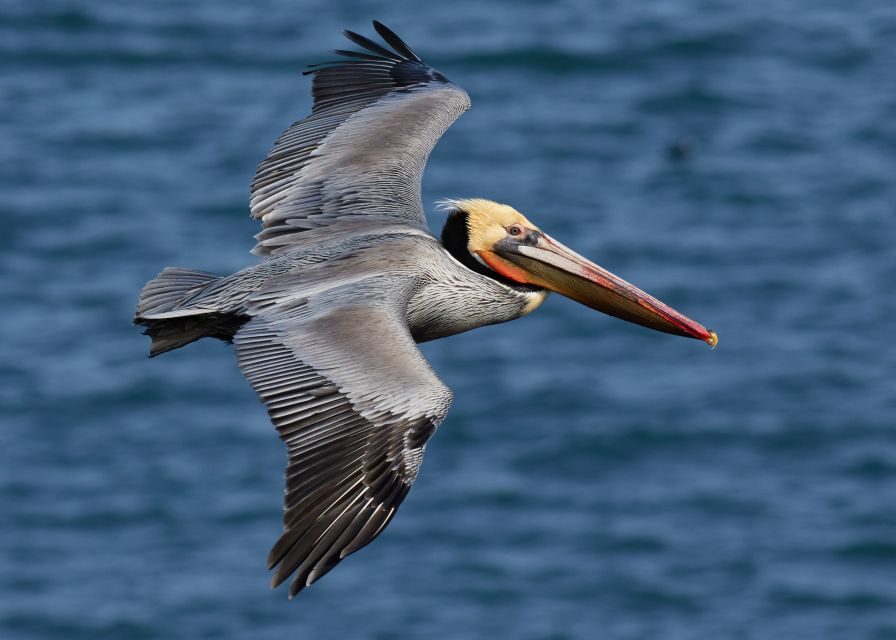
You’ll learn about medicinal plants as you go, and you’ll have chances to spot birds such as Ridgway’s hawk and the Hispaniolan Emerald. Near the water routes, keep an eye out for herons and pelicans as well. Even if you’re not a bird expert, the guide’s role here is to help you notice what you’d otherwise miss.
Why this part is valuable: hiking in Los Haitises is the “get your bearings” stage. It puts you in the rhythm of the park—how water shapes the rocks, how the canopy changes the light, and why the caves are part of the same system as the mangroves. You’ll also be moving before you get into cave time, which matters because caves tend to make people slow down and brace themselves.
Drawback to weigh: the hike is not for everyone. If you have back issues, pregnancy, or if you’re over 70, this one is not a match based on how the activity is classified.
Caño Salado and the big rock formations that look unreal
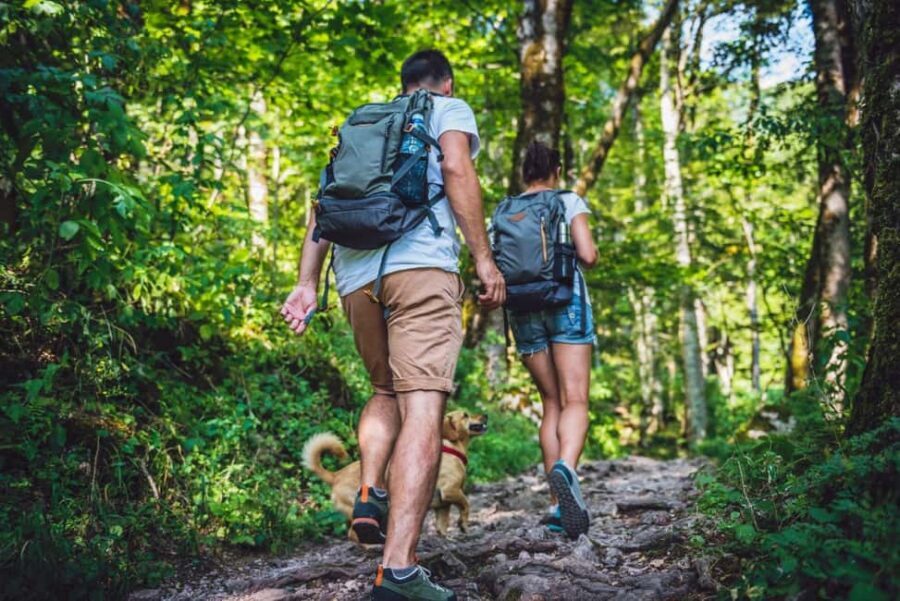
After the first hike stage, the tour brings you toward Caño Salado and the park’s impressive rock formations. Expect formations that can rise roughly 30 meters out of the water, plus the kind of terrain that includes sinkholes and caverns. From a distance, it can look staged. Up close, you see it’s just geology doing its thing over ages.
This is also where the day’s rhythm shifts from “jungle trail” to “coastal water world.” You’ll be headed into the kind of scenery where birds and mangroves matter more than big city landmarks do. If you’re the type who likes nature photography, you’ll likely appreciate that the lighting and angles change often as you move between water and rock.
Cave time in Los Haitises: petroglyphs, erosion, and the Taino story
The caves are a central reason to pick this tour, and the itinerary gives you more than a quick stop. The caverns were created by water erosion, and you’ll be there to see and hear about what that means in real terms—how the water carved paths over time and why the cave walls preserve evidence.
You’ll visit the cave area where there are petroglyphs and ancient drawings from the pre-Columbian era. You’ll have a chance to interpret the Taino artwork. This isn’t “read a brochure and move on.” The idea is to slow down enough to look at the wall and connect what you see with what the guide explains.
What to expect: cave interiors tend to be cooler and dimmer than the rainforest, so your phone camera might struggle. If you can, keep your expectations realistic: this is better for careful viewing than for a perfect low-light shot.
A small realism check: cave interpretation depends on the guide and the pace of the group. One guide can frame the artwork with extra context; another may be more focused on logistics and safety. Either way, the physical experience—standing in a space shaped by erosion—does a lot of the work.
Cueva de la Arena: pictographs along a 940m cave corridor
Then comes the cave stop people tend to remember: Cueva de la Arena. This is a cavern about 940 meters long, stretching along a cliff toward the coast of Samaná Bay. Because it runs like a corridor, it feels different from caves that are short and closed off.
Inside and along the visit, you’ll see intriguing pictographs. The tour is set up so you can take in the visuals and then understand what they mean in context. This is also where the day turns into water-adjacent exploration, setting the stage for the kayaking portion.
Why Cueva de la Arena is worth your time: it combines two things that don’t always meet in one tour—coastal geography and ancient markings. You’re literally moving through the same broad environment where the park’s coastal water shapes the rock structures.
Kayaking the mangroves: calm water, close-up nature
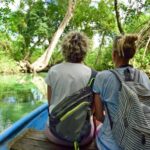
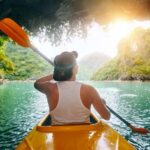
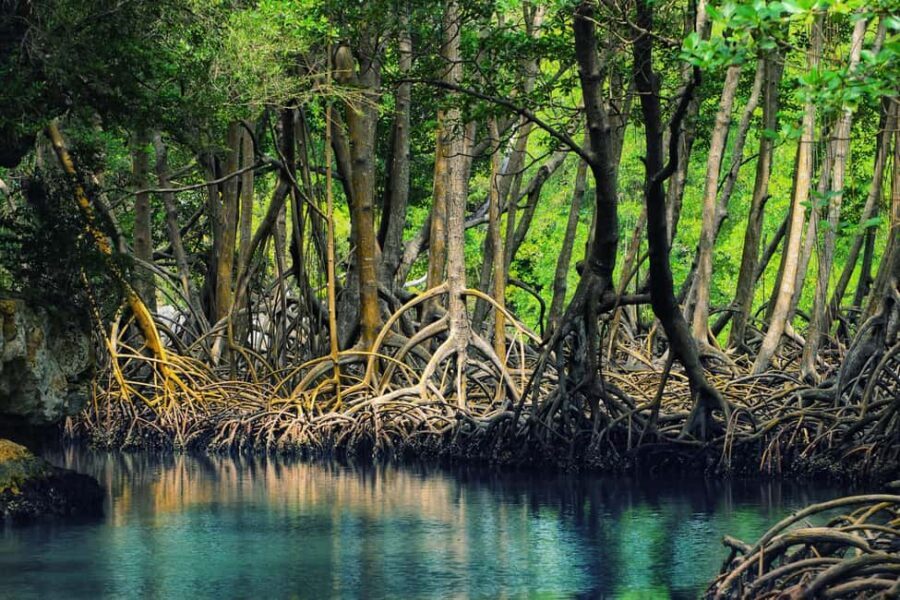
After the cave portion, you’ll shift toward kayaking through the mangroves. This is one of the main highlights, and for many people it’s the “best payoff per minute,” because you’re not just watching the mangroves from a boat—you’re moving through them.
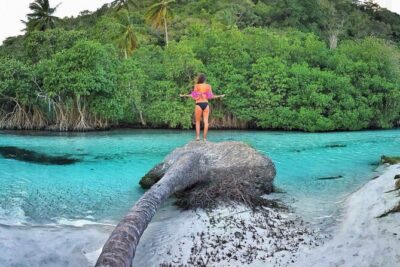
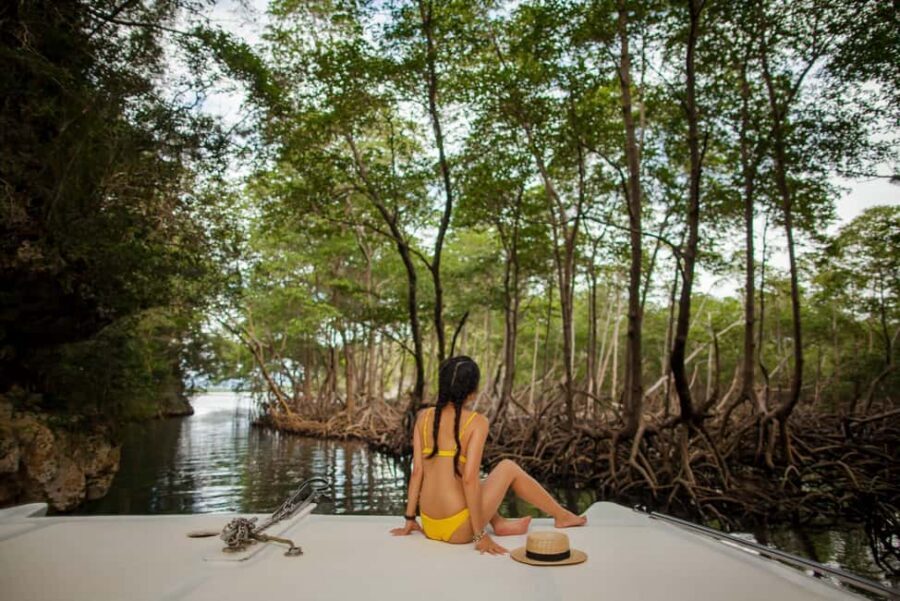
Mangroves have a different feel than open water. The channels are tighter, the plant roots change the visual patterns, and birds often work the edges. In a tour like this, your paddling time is the moment you’ll likely notice the park as an ecosystem rather than a series of stops.
If you want the most from the kayaking, slow down your mind as much as your paddle. Don’t sprint the route just to reach the end. You’ll see more by keeping a steady pace and watching what’s happening at water level—reflections, bird movement, and how the mangrove walls frame the scenery.
What about lunch, drinks, and energy?
This tour doesn’t include lunch or alcoholic drinks, so plan like an adult with a schedule. Bring your own snack if you know you get hungry during active days, and expect a full 6–7 hour run without a guaranteed meal included.
Hydration matters. Even if temperatures don’t feel extreme, you’re doing physical work in a tropical environment. Drink water when you can.
Price and value: does $65 make sense?
$65 per person is in the realm of what you’d pay for an active day trip that combines hiking, boat time, cave visits, and kayaking. The real value here is not just that you get multiple activities—it’s that they’re connected by location and timing. You’re not hopping between unrelated sights. Everything is tied to Los Haitises and the Samaná Bay coast.
You should feel good about the cost if you want:
- a true nature day in a national park setting
- a cave-and-art component, not just scenery
- hands-on kayaking instead of only “look from the boat”
You might question value if you mainly want a relaxed sightseeing day with minimal walking and no uncertainty in cave pacing. This is active by design.
Who this tour suits best (and who should skip it)
This works well if you:
- like rainforest walks and want chances at bird spotting
- enjoy caves and ancient markings, especially Taino petroglyphs/pictographs
- want a mix of walking, boating, and kayaking
- are okay with a full 6–7 hours outdoors
Skip it if you’re:
- pregnant
- dealing with back problems
- over 70
That’s not a “maybe.” The activity is clearly classified with those limits.
The guide experience: attentive, but skills can vary
A key part of enjoying Los Haitises is how the guide handles interpretation and pacing. The tour description calls out a live guide in English, Spanish, and French, and you should expect guidance during hiking and cave time.
In practice, what you want is an attentive guide who helps you see what’s there. For example, one booking noted a guide who was attentive and willing to handle what the group wanted, while also suggesting there may have been a bit less depth in certain areas. So if you care a lot about deep historical interpretation, go in ready to learn in a more practical, on-the-ground way rather than expecting a specialist lecture.
Practical planning tips that make the day easier
Here are the things I’d do before you show up:
- Wear shoes with grip. You’re walking natural terrain in rainforest conditions.
- Bring a small day bag for water and any personal essentials. The day runs long.
- Expect changing light: rainforest shade, then cave dimness, then water glare.
- If you’re a careful photo taker, keep your expectations realistic inside caves.
Also, the meeting point can vary by option booked, but you can use the provided coordinates (19.0705099, -69.4485819) as a reference point for your planning in the Samana area.
Should you book Los Haitises Hike, Boat Trip, and Kayaking?
Book it if you want a single day that actually moves—rainforest hike, cave viewing with Taino artwork, and kayaking through mangroves—without feeling like you’re trapped in a bus all day. For many visitors, the combo is the whole point: caves plus kayaking is a rare mix.
Pass or look for an easier alternative if you need minimal walking, have mobility constraints, or you’re not comfortable with active outdoor time. Also consider bringing your own food since lunch isn’t included.
If your travel style is “show me the real place,” this tour fits that vibe nicely.
FAQ
How long is the Los Haitises hike, boat trip, and kayaking tour?
It runs about 6 to 7 hours, depending on the starting time available.
What’s included in the price?
The tour includes a boat trip, kayaking, mangroves, caves, a tour guide, and rainforest hiking.
Is lunch included?
No. Lunch is not included.
Where does the tour start?
The meeting point can vary depending on the option booked. The provided reference coordinates are 19.0705099, -69.4485819.
What languages is the tour guide available in?
The guide is available in English, Spanish, and French.
Who should avoid this tour?
It’s not suitable for pregnant women, people with back problems, or people over 70 based on how the activity is classified.