REVIEW · HISTORICAL TOURS
Punta Cana: Santo Domingo – Cultural History
Book on GetYourGuide →Operated by Dominicos pro activitis · Bookable on GetYourGuide
Santo Domingo can feel like time travel.
This full-day tour takes you from Punta Cana to the Dominican Republic’s historic capital to see why Santo Domingo is often called the first city founded in the Americas. You’ll also get a nature break at Los Tres Eyes National Park, so it’s not only museums and monuments.
I especially like how the day mixes big-name landmarks with smaller, story-based stops, with both a live guide and an audio guide to keep things moving. The colonial streets and viewpoints are the kind of scenes where you can actually understand the city, not just photograph it.
One real consideration: pickup and timing can be a weak spot. There are reports of groups not being picked up, so I’d treat this as a day that needs extra confirmation, not a wait-and-hope situation.
In This Review
- Key things to know before you go
- From Punta Cana to Santo Domingo: the 10-hour value math
- First City in the Americas: Santo Domingo’s colonial zone at street level
- Alcázar de Colón and the Royal House museum: power, art, and architecture
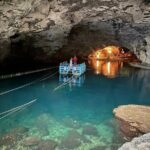
- Los Tres Eyes National Park: the cenote break you’ll feel
- The Columbus thread: Pantheon, lighthouse, and major monuments
- Dominican amber and the Museum of Dominican Amber: learning by objects
- Lunch and shopping: how to use the time without losing the day
- Language and group pacing: when the day works, and when it doesn’t
- Who this tour suits best (and who should consider alternatives)
- Tips to make your day smoother
- Should you book the Punta Cana to Santo Domingo cultural history tour?
- FAQ
- How long is the Punta Cana: Santo Domingo cultural history tour?
- Is hotel pickup and return included?
- What’s included besides the guided sightseeing?
- What places will I visit in Santo Domingo?
- Do we visit Los Tres Eyes National Park?
- What languages are available for the live tour guide?
- How much does the tour cost?
- Is free cancellation available?
- What if I need to reserve now and pay later?
Key things to know before you go
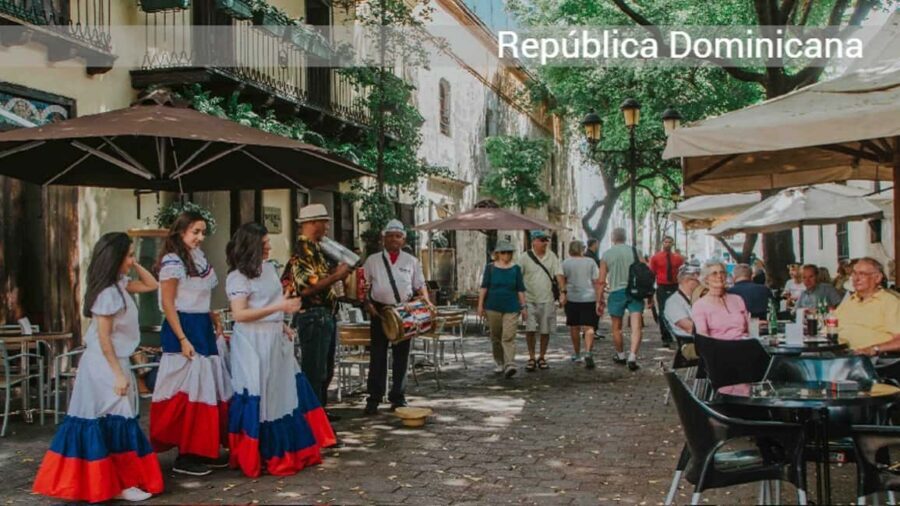
- A true first-city-and-colonial-zone day focused on what shaped Santo Domingo
- Los Tres Eyes National Park adds a cooler, calmer cenote experience
- Multiple guided museum stops instead of one quick hit
- Lunch plus water and soda are included, which helps you pace the day
- Language may not match perfectly for every group, even if a language is advertised
From Punta Cana to Santo Domingo: the 10-hour value math
Let’s start with the big reality check: this is a long day. You’re looking at about 2 hours by coach to get into Santo Domingo, then you spend the rest of the day moving through sights, guided visits, and a lunch break. In exchange, you get a lot packed into one trip without the hassle of figuring out transport, entrance logistics, and route order yourself.
At $65 per person, the value mostly comes from bundling. You get hotel pickup and return, a tour guide plus audio guide, museum entrances, Los Tres Eyes National Park, and lunch with a buffet plus water and soda. If you tried to build this day on your own, the transport and admission pieces can add up fast, even before you consider the time cost.
Here’s the tradeoff: when the day is structured, you’re on the clock. That’s great if you like clear plans, but it can feel rushed if you want lots of free time. One more practical point—wait time and group pickup can influence how much walking you actually do once you arrive, so build flexibility into your expectations.
You can also read our reviews of more historical tours in Punta Cana


First City in the Americas: Santo Domingo’s colonial zone at street level
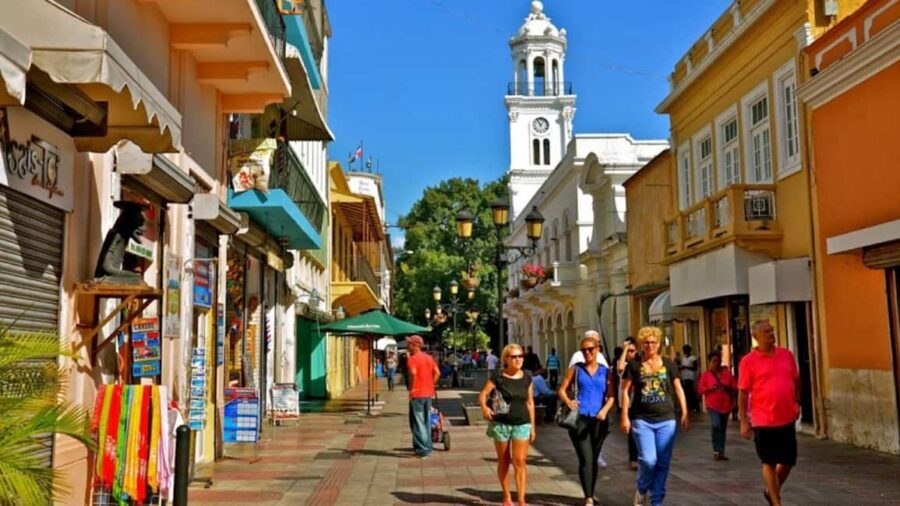
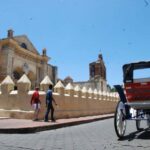
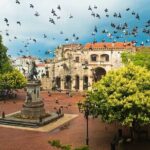
Santo Domingo isn’t only a headline. It feels like a place where the layers are right there on the sidewalk. Once you’re in the historic center, the tour focuses on major symbols of the Dominican Republic’s past and the colonial zone’s street-level atmosphere.
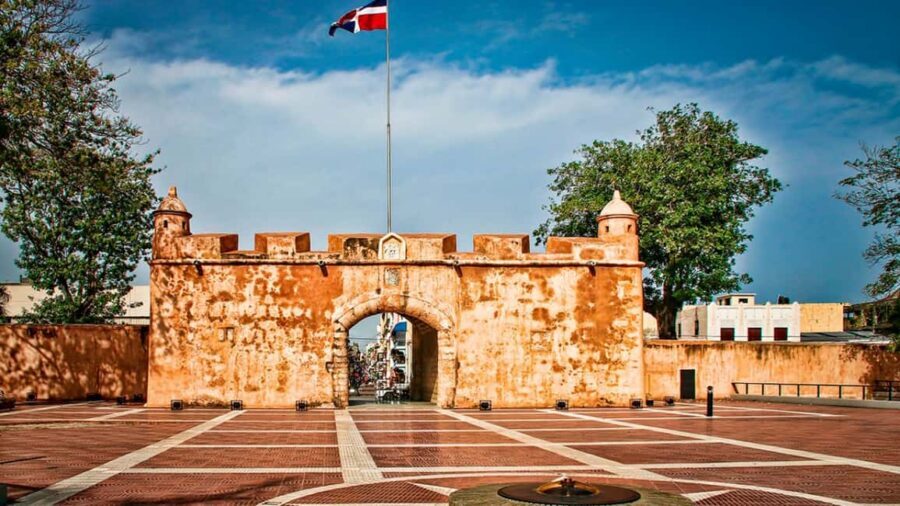
You’ll spend guided time around the city’s emblematic sights, including the feel of the colonial streets and viewpoints tied to key moments in the early Spanish era. One memorable feature is the walk in the area known as Las Ladies, described as the first street of America. Even if you don’t memorize every historical detail, the point of walking there is understanding how the city was laid out and how that planning shaped daily life.
You’ll also get a sense of why this place attracts history lovers: Santo Domingo’s story connects the arrivals, the buildings, and the power centers. This is where it helps to have a guide who can connect architecture to people. The tour is set up for that kind of explanation, not just stop-and-go photo time.
Practical tip: wear comfortable shoes. This part of the day is about walking, and you’ll want your feet ready for uneven pavement and sun.
Alcázar de Colón and the Royal House museum: power, art, and architecture
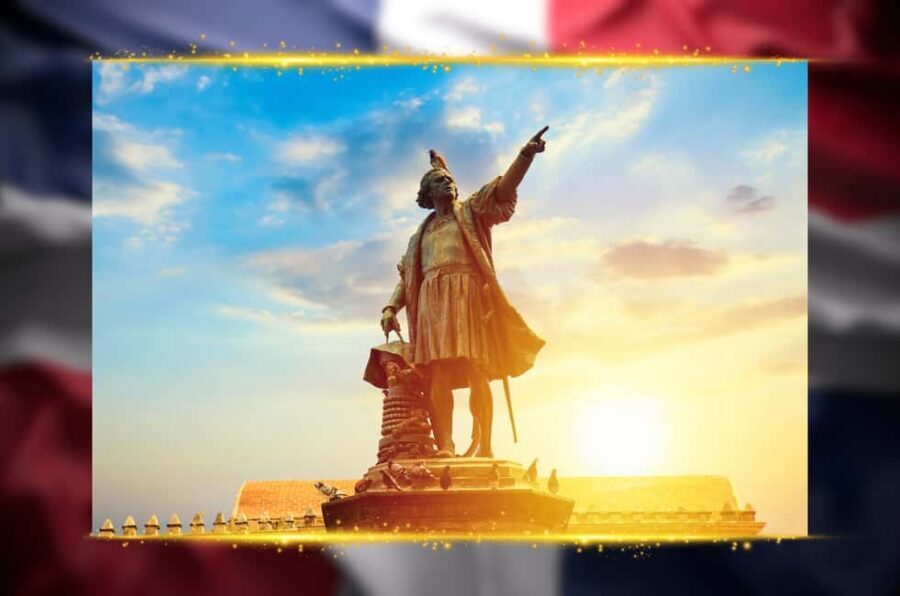
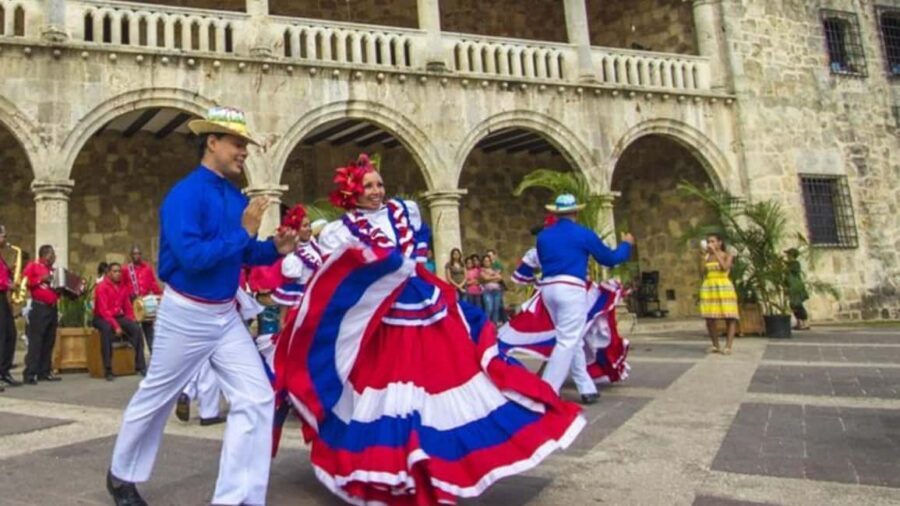
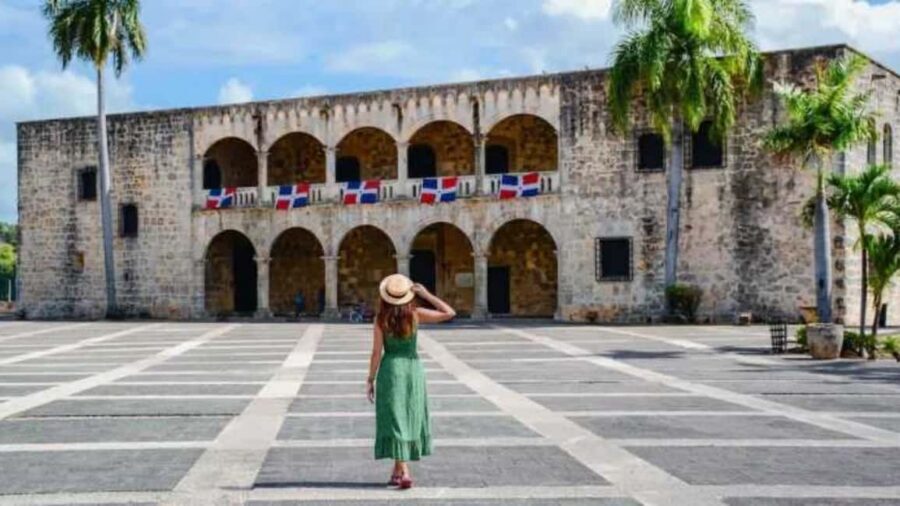
One of the best uses of a guided day is when the stops aren’t just famous—they’re interpretable. The Alcázar de Colón is one of those places. In a short guided window, you’ll get the key context that turns a grand building from a postcard into a story about colonial power and status.
Then you continue to another museum stop: the Museum of the Royal House. This kind of visit works well on a day trip because it gives you a narrative anchor. You’re not only seeing buildings; you’re learning why people built them the way they did and what the spaces were used for. Even if your Spanish is basic (or your language comfort is limited), the structure of guided time plus audio support makes it easier to follow.
Possible drawback to keep in mind: museum time is timed. A guided tour of 30 to 40 minutes per stop means you’ll likely leave wanting more. That’s normal. The upside is that you’ll see more in one day, instead of spending hours on just one site.
Los Tres Eyes National Park: the cenote break you’ll feel
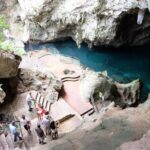
Here’s why I like the itinerary’s pacing: it gives you a nature pause mid-day. Los Tres Eyes National Park is built around freshwater cenotes, and the experience shifts from colonial streets to a cooler, more atmospheric setting.
You’ll get a guided visit that helps you understand what you’re looking at—natural sinkholes turned into a landscape shaped by water and geology. This is also a mental reset. After hours of history buildings, the cenotes bring you back to something you can sense more than memorize.
If you’re traveling with kids or anyone who gets restless in museums, this stop is often the sanity saver. You can look around, take in the unusual environment, and enjoy a change of pace without the pressure of another long lecture.
Practical tip: bring a light layer if you run cold, and keep your phone ready for photos—but don’t treat this like a theme park. It’s a nature site with rules, so follow your guide’s pacing.
The Columbus thread: Pantheon, lighthouse, and major monuments
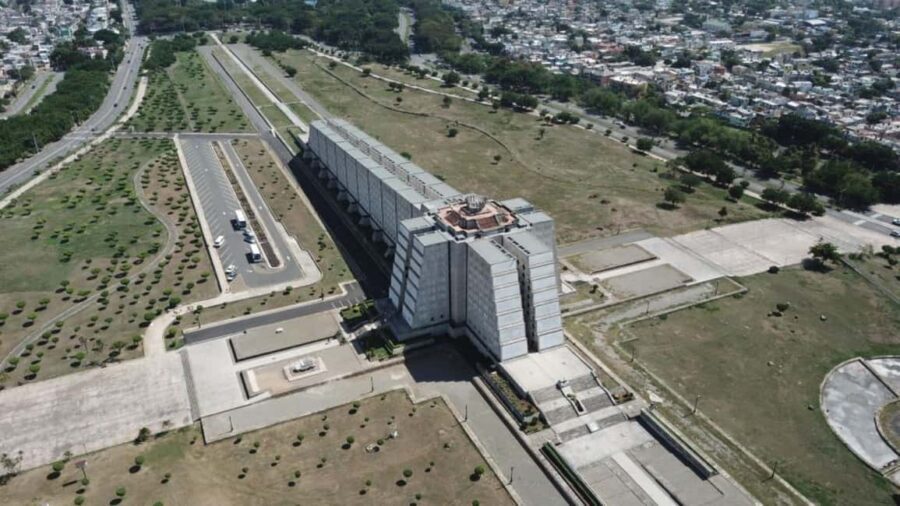
Santo Domingo’s history is not shy about its symbols. The tour includes the National Pantheon, plus connections to the lighthouse to Columbus area. Even if you already know the basics of Columbus’s arrival in the region, the value here is seeing how the city has chosen to frame that legacy through monuments and institutions.
This part of the day tends to work best when you let the guide’s sequencing do the heavy lifting. When you see the Pantheon nearby major colonial landmarks, the story clicks. It’s not only about a single person—it’s about how a city uses architecture to tell its own version of the past.
What to expect: guided time that gives you the “why should I care” behind the “what am I seeing.” This is especially helpful if you’re visiting for the first time and don’t want to wander in the historic center with zero context.



Dominican amber and the Museum of Dominican Amber: learning by objects
Another stop is the Museo del Ambar Dominicano, with guided time. This is a nice change because it shifts the focus from buildings and battles to materials—what people made, collected, and valued.
Amber is a great topic for a day trip because you can connect it to trade, crafts, and local identity. Even if you only catch part of the explanation, the objects themselves tend to hold attention better than long text. The museum format also makes it easier to move in a group while still feeling like you’re seeing something meaningful.
One more reason I like this stop: it helps break up the day so you don’t only feel like you’re absorbing history through architecture. You’ll end up with a broader sense of Dominican Republic culture.
Lunch and shopping: how to use the time without losing the day
The schedule includes lunch for about 1 hour, plus water and soda included. That’s important because Santo Domingo isn’t next door to Punta Cana. When you’re spending a full day away from your resort, meals matter for energy more than for food nostalgia.
For lunch, you can expect a buffet style meal. I’d treat lunch like fuel, not like a second vacation. Eat, hydrate, and get ready to walk again.
There’s also a shopping stop around 20 minutes. That’s brief by design, so don’t assume it’s enough time to do real browsing. If you want souvenirs, think small and practical: things you can carry easily back to Punta Cana and don’t need a second decision loop for.
Language and group pacing: when the day works, and when it doesn’t
The tour includes a live guide and an audio guide, and languages listed for the live guide are English, French, Portuguese, Russian, and Spanish. That sounds great on paper, but one practical issue can affect your experience: language consistency.
In at least some situations, guides may deliver the commentary primarily in English and Spanish, even when someone expects a different language. If you’re depending on Russian or another language for the full experience, I recommend arriving with a backup plan: travel with someone who can translate, or accept that you’ll catch the highlights through the audio guide and the sights themselves.
Group timing is another factor. One review account noted a slow start with group collection and bus switching that cut into free time in the city. Even if your day runs smoother, you should still plan mentally for delays during pickup and transfers.
Finally, a serious downside shows up in a few reports: pickup problems, including cases where the excursion did not take place and the vehicle did not arrive. I can’t sugarcoat that. If you book this, confirm pickup details directly, stay reachable, and don’t schedule anything tight right after your return time.
Who this tour suits best (and who should consider alternatives)
This is a good match if you want a structured cultural history day with minimal planning. It’s also a strong fit for people who enjoy both big monuments and guided museum explanations, because the stops are designed to connect.
It’s especially appealing if you’re:
- visiting Santo Domingo for the first time and want an efficient route
- traveling with family members who still want history but also appreciate a nature break at Los Tres Eyes
- okay with a long day and a schedule that prioritizes covering several key sights
It might be less ideal if you:
- need strict timing with no delays possible
- require the guide to speak one specific language end-to-end
- hate group logistics, pickup waits, or bus transfers
Tips to make your day smoother
- Confirm pickup details the day before with Dominicos pro activitis, and be ready to go when they say.
- Arrive early enough for pickup. The tour info says to wait in the hotel lobby about 10 minutes before your scheduled pickup time.
- Bring sun protection and comfortable walking shoes. Santo Domingo’s historic areas are easiest on foot.
- Keep your expectations realistic. You’ll see a lot, but you won’t have hours of unstructured wandering.
- If you care most about history explanations, pay attention to the audio guide and ask your guide to repeat key points if you miss them.
Should you book the Punta Cana to Santo Domingo cultural history tour?
If you want a high-coverage day—colonial Santo Domingo, major monuments, museums, plus the cenotes at Los Tres Eyes—this tour has a lot going for it. The price bundles transport, guide service, museum entrances, and lunch, which is hard to beat for a single-day package.
But book with your eyes open. There’s enough feedback about pickup problems and some language mismatch that I’d treat this as a tour where confirmation matters. If you’re flexible, enjoy guided structure, and can tolerate a long day, it’s a solid way to experience Santo Domingo’s cultural storyline without doing it piece by piece.
If you’re the type who needs everything to be perfect, you may want to compare with other options that have stronger pickup reliability—or at least choose a morning when you can handle delays.
FAQ
How long is the Punta Cana: Santo Domingo cultural history tour?
The tour lasts about 10 hours.
Is hotel pickup and return included?
Yes. Pickup is included from your hotel in Punta Cana, and you’ll be returned to your hotel.
What’s included besides the guided sightseeing?
It includes a tourist guide and audioguía, museum admissions, National Park 3 Eyes (Los Tres Eyes), lunch (buffet), and water and soda.
What places will I visit in Santo Domingo?
You’ll visit major sites in Santo Domingo, including the Alcázar de Colón, the Museum of Dominican Amber, and the Museum of the Royal House, plus time in the colonial zone.
Do we visit Los Tres Eyes National Park?
Yes. You’ll have a guided visit at Los Tres Eyes (The Three Eyes National Park).
What languages are available for the live tour guide?
The live guide is available in English, French, Portuguese, Russian, and Spanish.
How much does the tour cost?
The price is $65 per person.
Is free cancellation available?
Yes. You can cancel up to 24 hours in advance for a full refund.
What if I need to reserve now and pay later?
The activity offers a reserve now & pay later option, so you can book your spot without paying immediately.