REVIEW · HISTORICAL TOURS
From Punta Cana: History and Culture Tour with River Swim
Book on GetYourGuide →Operated by Los Corales Transporte turistico · Bookable on GetYourGuide
This tour is interesting because it strings together rural life, religious landmarks, and a beach day, all in one smooth arc. You get coffee and cocoa tastings from working plantations, time in Higüey’s local market scene, and a classic Dominican lunch near the Anamuya River—then you cool off with free time at Macao Beach.
What I like most is how much culture you pack into the day for the price, plus how the guides (Francisco, Robinson, Wester/Wester Martinez, Franklin, Darwin, and others) tend to keep things funny and personal. Even when the schedule runs busy, the stops feel connected, not random.
One thing to consider: this is a packed 5-hour outing, and some people find certain moments (like market browsing or the basilica stop) a bit rushed. Also, depending on timing and conditions, the river portion may be better for hanging out than for swimming.
In This Review
- Key highlights to look for
- Price and value for a 5-hour culture loop
- Getting out of Punta Cana and into La Altagracia
- Countryside farm stops: coffee, cocoa, vanilla, and fruit in plain terms
- Higüey Basilica and the local market: religious landmark meets everyday life
- Typical Dominican lunch by the Anamuya River
- Cigar factory and tobacco craft: watching artisans work
- Horseback riding and countryside house visits: when it fits your style
- Macao Beach free time: where the day loosens up
- Guide quality matters more than you think
- Transportation size and comfort: plan for the “packed van” reality
- What I’d pack and plan for (so the day feels easy)
- Who this tour is best for (and who should choose differently)
- Should you book this Punta Cana history and culture tour?
- FAQ
- How long is the tour from Punta Cana?
- What stops do you visit during the day?
- Is lunch included?
- Do you get coffee and cocoa tastings?
- Is there horseback riding?
- Is Macao Beach included?
- What languages are available for the guide?
- Is pickup from my hotel included?
Key highlights to look for
- Coffee, cocoa, vanilla, and fruit on a real countryside farm, with tastings
- Higüey’s Basilica plus market and handicraft time for local color
- Dominican lunch by the Anamuya River, cooked with fresh countryside ingredients
- Cigar factory watching artisans roll cigars and make local products
- Macao Beach free time on a public beach where locals actually show up
- Optional add-ons like horseback riding depending on the departure type
Price and value for a 5-hour culture loop
At about $31 per person for a 5-hour day from Punta Cana, this tour hits a sweet spot: it’s short enough to fit a beach vacation, but full enough that you actually leave the resort bubble. The value is strongest because it bundles more than sightseeing. You’re also getting coffee and cocoa tastings, a Dominican lunch with drinks, and entry/experiences at multiple cultural stops (including Higüey and a tobacco/cigar workshop), plus transport in an air-conditioned vehicle.
Here’s how I’d think about value: in Punta Cana, day trips often cost far more once you add transport, food, and multiple sites. This one stays priced for people who want variety without turning the day into a splurge. The trade-off is that the day moves. You’ll have fun, but you won’t do deep research at each stop. If you want slow travel, you might need to pair this with extra time in one place.
You can also read our reviews of more historical tours in Punta Cana
Getting out of Punta Cana and into La Altagracia
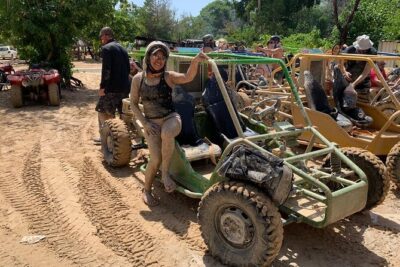
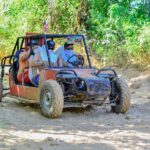
Your day starts with pickup from your Punta Cana hotel or Airbnb in the area. The route is set up to give you a countryside view fast, not a long waiting game. Transportation is in a modern vehicle with air-conditioning, and some departures run in an open-style truck or safari format.
What this means for you in practice: you’ll trade the beach-and-buffet rhythm of the resort for a real slice of La Altagracia province life. Higüey and the countryside around it aren’t just backdrops. You’ll see how coffee and cocoa connect to daily work, how tobacco shows up in local craft, and how the market functions beyond souvenirs.
Timing is the only variable. A few people report pickup delays. That can happen anywhere with tourism logistics, so I suggest you plan your day with flexibility. If you’re catching a later flight or you hate uncertainty, make sure you have buffer time afterward.
Countryside farm stops: coffee, cocoa, vanilla, and fruit in plain terms
One of the best parts of this day is the farm experience. You’ll visit a countryside place where coffee, cocoa, vanilla, and fruit trees are grown. The goal isn’t a lecture. It’s hands-on context—what grows, how it’s harvested or processed, and how these crops shaped the local economy.
Then comes the tasting. You’re not just shown products in glass cases. You get coffee and cocoa tasting, and you’ll likely see local fruit as well. This is the kind of stop that’s great if you like food history: cocoa and coffee aren’t only drinks in your hotel mug. Here, they’re work, weather, soil, and people.
Practical note: farms are outdoors. Bring sunscreen, and wear footwear that can handle uneven ground. Also, consider going light with bags—some vans can feel tight with a full group, and bulky daypacks can make movement awkward.
Higüey Basilica and the local market: religious landmark meets everyday life
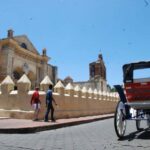
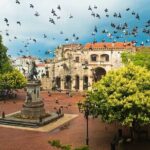
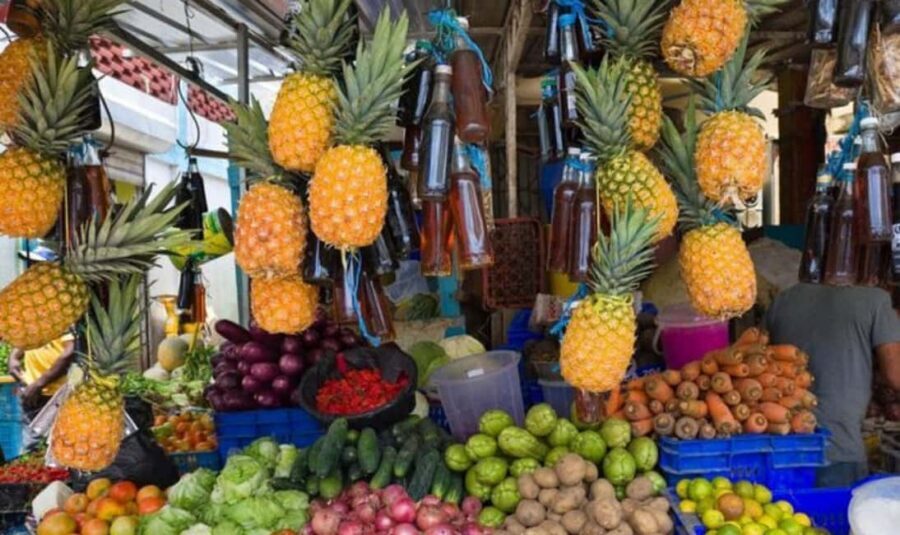
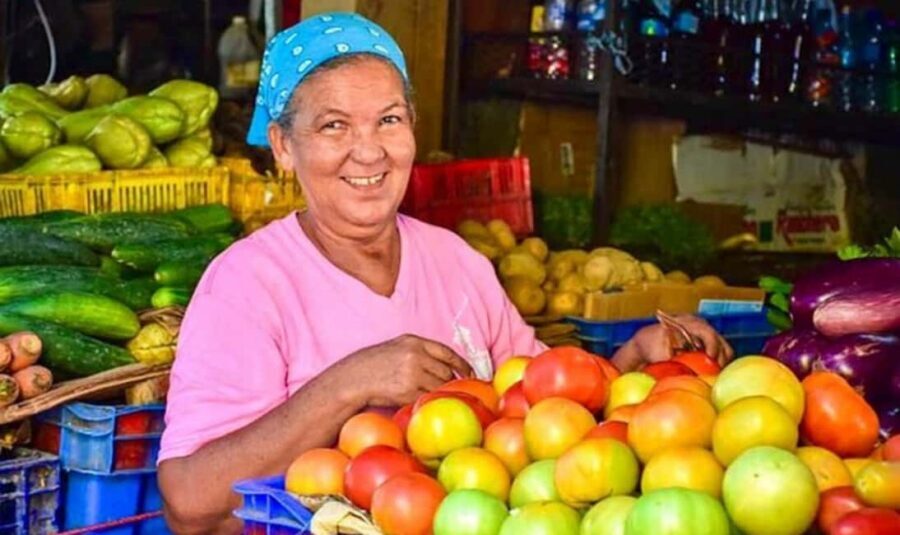
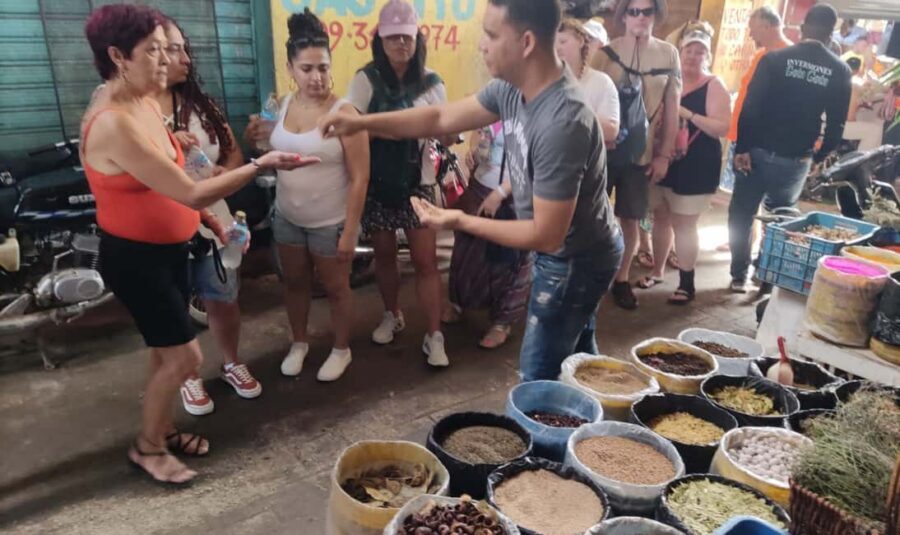
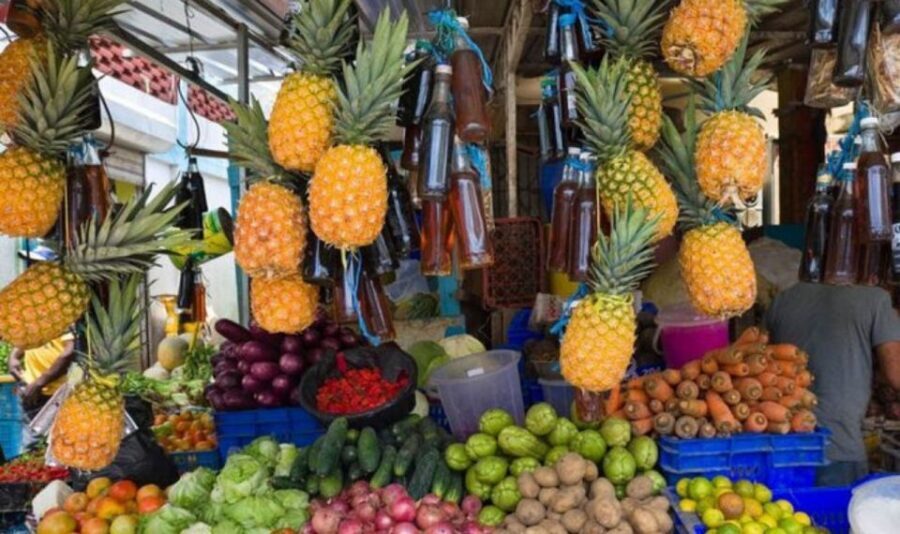
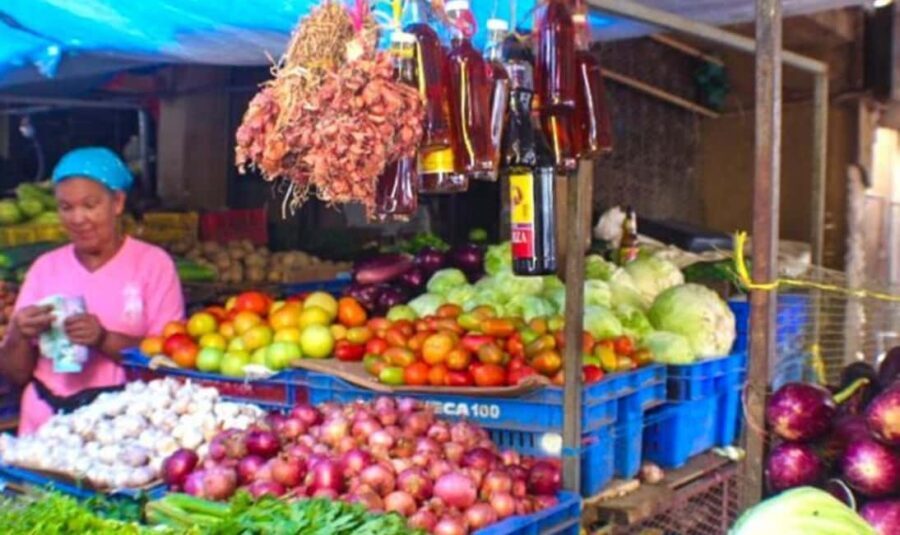
Higüey is where the tour becomes both scenic and socially real. You’ll visit Higüey Basilica, described as one of the oldest cathedrals in America, and you’ll also spend time in the area market where farmers sell agricultural products and goods.
This blend works well because it mixes two sides of community life:
- The basilica gives you the Dominican Republic’s public faith and architecture, with a sense of place that’s bigger than tourism.
- The market gives you daily economy—talking with vendors, seeing produce, and getting a feel for what locals actually buy.
Possible drawback: the market can be a quick pass. If your goal is shopping for food products or crafts, don’t count on having unlimited time. I’d treat the market as a place to learn and browse, not a place to plan a big haul. Some people also find prices in certain shops along the route higher than at beach areas, so if you’re price-sensitive, do comparisons later during your free time.
Typical Dominican lunch by the Anamuya River
The Anamuya River stop is a highlight for a lot of people because it’s not just a pretty view. You get a typical Dominican lunch cooked with fresh countryside products. This is one of those meals that changes your perception of “local food.” It’s hearty, simple, and connected to the day’s stops—less menu performance, more real eating.
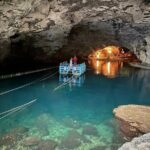
A key consideration: the itinerary includes river time with swimming mentioned, but water access can vary depending on conditions. If swimming is a must-do, keep expectations flexible and be ready to treat it as relaxing river scenery plus lunch, with swimming being optional.
What to do: come hungry. Also, plan for warm weather. Even with AC on the way back, your energy will depend on hydration. Water is commonly provided during the day, but it’s smart to bring a small bottle of your own too.



Cigar factory and tobacco craft: watching artisans work
If there’s one stop that adds instant “wow” without needing a translation of culture, it’s the tobacco/cigar factory visit. You’ll see artisans roll cigars and learn how this craft is made locally. It’s not only watching—your experience is built around the idea that you’ll understand the process and get a closer look at how local products are created.
People tend to remember the cigar factory because it’s active. Hands move, skills show up in details, and you can often taste what’s being made. It’s a good counterbalance to the more food-and-church moments earlier in the day.
Two tips for you:
- Don’t treat the factory stop like a shopping trip. Treat it like a workshop.
- If you want to buy cigars or related products, set a budget in advance. That keeps you from being pulled into impulse decisions when someone offers a deal.
Horseback riding and countryside house visits: when it fits your style
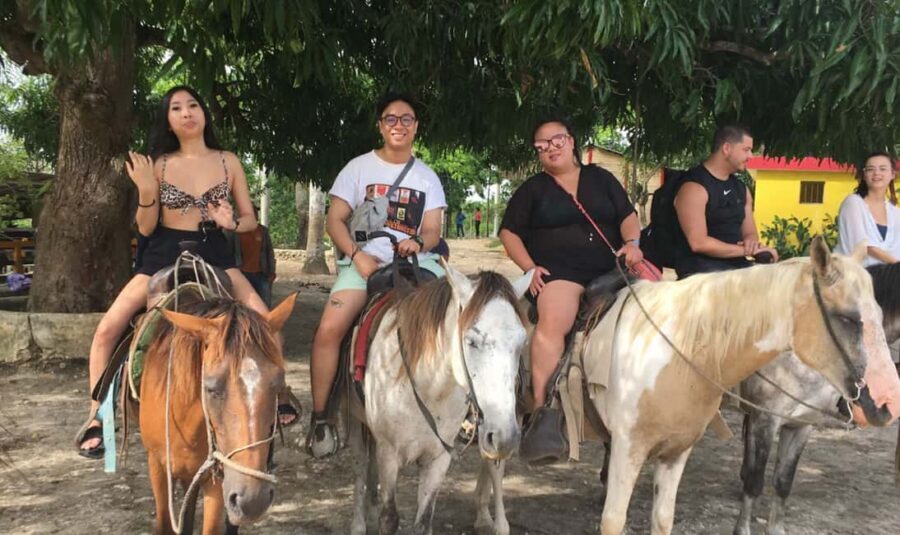
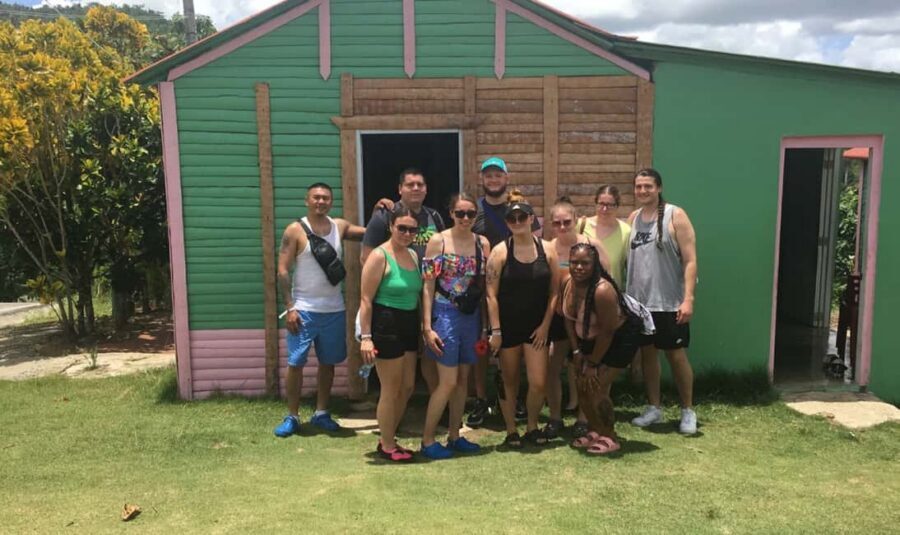
Depending on the departure type, you might add horseback riding and you’ll likely visit a countryside house. This part of the day is where the tour can feel especially human—less about big-ticket sites and more about everyday settings.
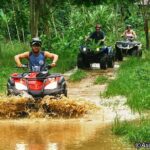
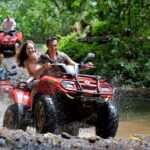
If you like animals, this can be a fun change of pace. If you don’t, you can still enjoy the house and the scenery. Either way, expect the day to feel active. It’s not a slow stroll tour. It’s more of a “see a lot in a short time” format.
Macao Beach free time: where the day loosens up
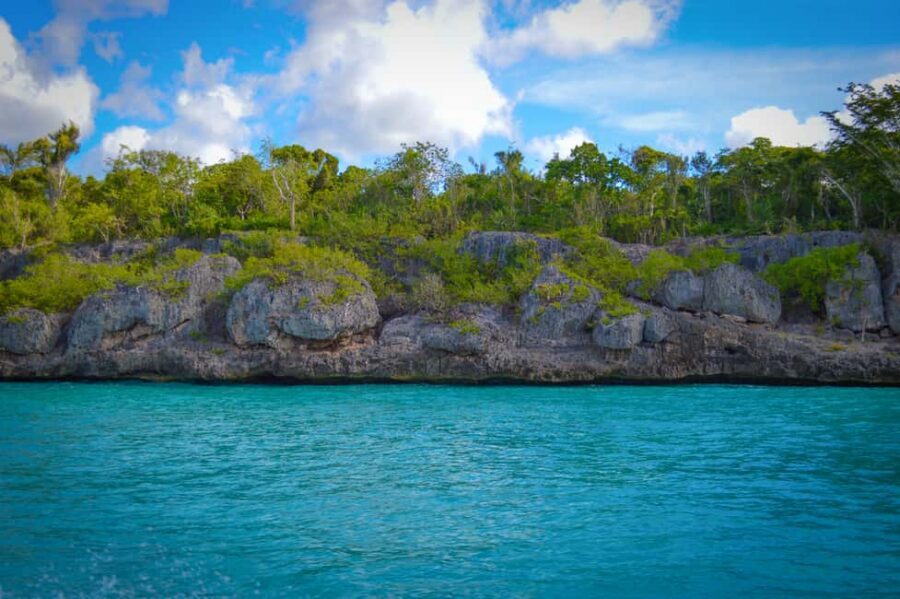
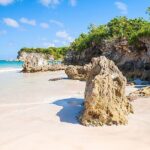
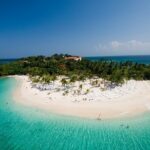
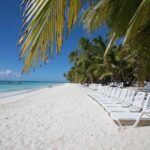
After all the culture stops, you land at Macao Beach, a public beach where you can walk, hang out, and enjoy the view. This is a smart design choice for your energy level. You get time to cool down, take photos, and decompress before heading back to Punta Cana.
What I like about this end-of-day setup: you finish with something physical and relaxed, not another “sit and listen” segment. You can swim if conditions allow, and you can also just enjoy being around locals and not only people on organized excursions.
Bring beach basics: sunscreen, a hat, and a cover-up. Even if the earlier stops included snacks or drinks, you’ll feel the midday sun here.
Guide quality matters more than you think
A lot of what makes this tour work isn’t the checklist. It’s the guide. The names that pop up strongly across experiences include Francisco, Robinson, Wester/Wester Martinez, Franklin, and Darwin—and the common thread is how they keep groups comfortable, explain what you’re seeing, and add a light humor layer.
When guides are strong, you notice it in small things:
- You get context during drives, not just at stops.
- People feel comfortable asking questions.
- The group atmosphere stays friendly, even when the schedule is tight.
It also means your experience can vary a bit from day to day depending on the guide and group mix. My advice: if you’re shy, pick the small-group departure when possible. Smaller groups usually feel easier to manage, and you’re more likely to get personal attention.
Transportation size and comfort: plan for the “packed van” reality
This tour is often described as a small-group option, but group size can still make the vehicle feel tight. Some people mention cramped seating in a mini van with larger groups. That doesn’t ruin the trip, but it can affect comfort—especially on roads that take time between rural stops.
What you can do:
- Wear comfortable clothes and skip heavy layers.
- Keep bags small.
- Sit where you can hear the guide clearly (front tends to be better).
Also, heat is real. Even with air-conditioning, the open-air feel of some vehicle types can be more noticeable when you’re near stops and waiting.
What I’d pack and plan for (so the day feels easy)
You’ll be moving through farms, markets, religious sites, and a beach. So aim for practical packing.
Bring:
- Sunscreen and sunglasses
- Light clothing plus a hat
- Water bottle (even if drinks are provided)
- Cash in small bills for tips (many people suggest having ones ready; it makes tipping smoother)
- Beach footwear if you plan to walk or swim
Plan:
- Expect a busy rhythm. It’s not a slow wander.
- If you’re picky about shopping time, understand you might get limited market browsing before moving on.
- If you care about the river swim part, treat it as flexible and not guaranteed.
Who this tour is best for (and who should choose differently)
This is a great match if you:
- Want to see more than the resort corridor
- Like food culture (coffee, cocoa, lunch)
- Enjoy hands-on craft experiences (tobacco/cigars)
- Want a short day trip with big variety
It’s less ideal if you:
- Want lots of free time in just one place
- Hate shopping stops or feel turned off by higher-priced souvenir areas
- Need very slow, unhurried pacing and deep explanations at every location
If your priority is only one thing—like pure beach time—this might feel too packed. But if you want a real slice of Dominican life between resort hours, it’s well designed.
Should you book this Punta Cana history and culture tour?
I’d book this tour if you want a strong “outside the resort” day that mixes Higüey, countryside food culture, and a real craft stop, then ends with Macao Beach breathing room. For about $31, the combination of lunch, tastings, multiple sites, and transport is hard to beat on a short schedule.
Skip it or choose a different format if you’re sensitive to rushed timing, vehicle comfort, or you expect the river stop to reliably be swimmable. Also, go in ready to browse and learn more than you plan to stock up on shopping.
If you book, do one smart thing: pick a guide-forward mindset. The experiences tied to names like Francisco, Robinson, Wester/Wester Martinez, and Franklin are often the ones people remember most—because the guide turns the route into a story you can actually follow.
FAQ
How long is the tour from Punta Cana?
The experience runs about 5 hours, including pickup and return.
What stops do you visit during the day?
You’ll visit a countryside farm with coffee and cocoa tastings, the city of Higüey (including the Basilica), a local market, the Anamuya River area for lunch, a tobacco or cigar factory, and you finish with free time at Macao Beach.
Is lunch included?
Yes. A typical Dominican lunch is included, along with drinks.
Do you get coffee and cocoa tastings?
Yes. Coffee and cocoa tastings are included as part of the countryside farm visit.
Is there horseback riding?
Horseback riding is included in some options, such as the small group and open safari formats. The exact activity can depend on which option you choose.
Is Macao Beach included?
Yes. Macao Beach is the final stop with free time for you to walk and relax.
What languages are available for the guide?
The live tour guide is available in English, Spanish, and French.
Is pickup from my hotel included?
Pickup is optional, but the service offers pickup from Punta Cana hotels and nearby areas.