REVIEW · PUNTA CANA
Group Surf Lessons Punta Cana– Fun, Easy & Beginner-Friendly
Book on GetYourGuide →Operated by Macao Surf Camp · Bookable on GetYourGuide
Punta Cana has a real surfer-school vibe.
This beginner-friendly group lesson takes you to Macao Beach, where the waves are friendly enough to learn without feeling totally lost. You start on land with quick basics, then you hit the water with coaching you can actually use right away.
Two things I really like: the tight instructor-to-student setup (max three students per instructor) and the hotel pickup and drop-off, so you spend less time figuring out transport and more time on the sand. It also helps that the team brings extra hands to assist with paddling back out, which matters when you’re learning.
One watch-out: pickup timing can vary a bit, so if you’re on a strict schedule, plan a little buffer. Bring the basics—especially cash—since lunch and photos are extra.
In This Review
- Key Highlights Worth Your Attention
- Macao Beach: The Right Place to Learn Without Fear
- Punta Cana Pickup and Transfer: How the Day Starts
- Two Hours on the Water: What Happens Once You Arrive
- Instructor Ratios: The Difference Between Trying and Learning
- Gear, Rash Guard, and Water: The Practical Stuff That Saves You
- The Human Touch: Photos, Names, and Real Coaching
- Price and Value: Why $115 Can Make Sense
- What to Bring (So You Don’t Turn This Into a Problem)
- Language and Comfort Level: What If You Don’t Speak Spanish?
- Who This Surf Lesson Fits Best
- Should You Book Macao Surf Lessons in Punta Cana?
- FAQ
- Where does the surf lesson take place?
- How long is the surfing experience?
- Is hotel pickup included, and where is pickup offered?
- How big are the groups?
- What equipment is provided?
- What should I bring, and what costs extra?
- Can I cancel for a refund, and is pay later available?
Key Highlights Worth Your Attention
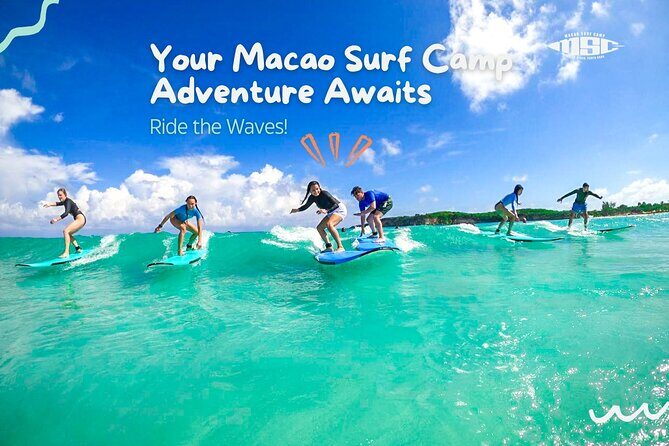
- Macao Beach learning area with calmer conditions for first rides and larger waves as you improve
- Small group coaching with a maximum of 3 students per instructor (and extra help in the water)
- Hands-on technique basics for balance, paddling, and wave-catching, taught before you go out
- Convenient Punta Cana pickup zones including Bávaro, Uvero Alto, Macao, and Uvero Alto/Macao area drop-offs
- Surf gear included (board + rash guard), plus water like coconut water or bottled water on request
- Progress-friendly adjustments like board changes when needed
Macao Beach: The Right Place to Learn Without Fear
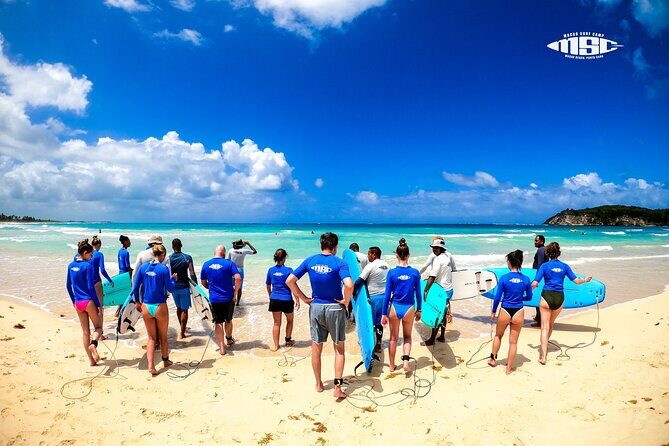
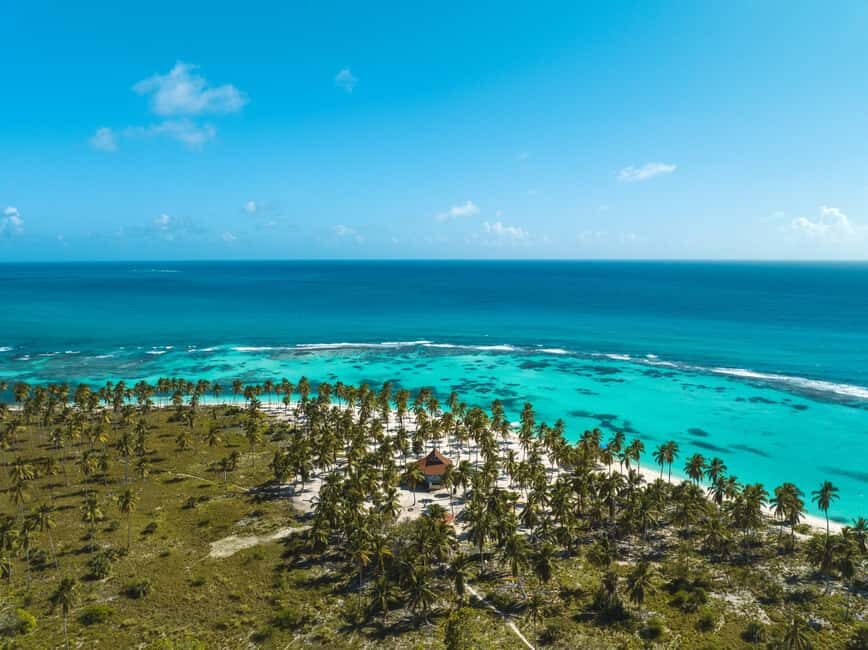
Macao Beach is a smart choice for a first surf lesson because it feels like a beach day first, not a survival test. The shoreline gives you room to practice, and the instructors can manage the group so you’re not constantly getting slammed by waves that are too big for beginners.
In one clear example, the lesson included a section of the beach with quieter waves for learning, while more skilled surfers could move toward larger waves for a next step. That kind of simple setup matters. You get the rhythm of surfing—paddle, catch, rise—without the lesson turning into a stressful fight for your board.
Even better: the atmosphere is laid-back. You’re at a beautiful Punta Cana beach with enough structure from the team that you can focus on learning instead of worrying about timing, equipment, or what everyone else is doing.
You can also read our reviews of more tours and experiences in Punta Cana


Punta Cana Pickup and Transfer: How the Day Starts
The experience is built around convenience. After you book, you send your room number or exact address, and the team replies with a specific pickup point—often your resort’s gate, lobby entrance, or a designated pickup zone. That detail matters because Punta Cana resorts can be spread out, and “meet at the lobby” isn’t always simple.
There are four pickup options: Bávaro, Punta Cana area, Uvero Alto, and Macao. The van ride is short—about 30 minutes—which keeps the day from feeling like a long logistics project.
Why you’ll care: for beginners, the most annoying part of a surf lesson is not the ocean. It’s arriving rushed, cold, or flustered with nowhere to sit or wait. A smooth pickup reduces that stress. You’re also not stuck hunting a taxi while everyone else is already suited up and ready.
One small caution: if you’re the type who hates being late, give yourself a buffer. In one case, the pickup was a bit late, though the instructor kept the experience moving with good energy once everyone was together.
Two Hours on the Water: What Happens Once You Arrive
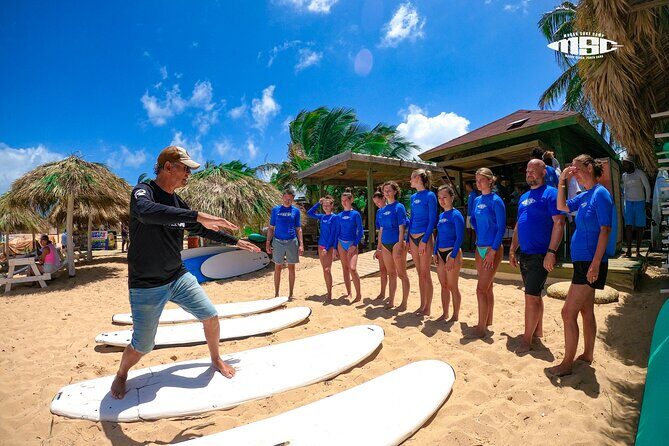
Once you reach Macao Beach, you meet your instructor and get set up with everything you need: a surfboard and a rash guard. If you’ve ever tried to find the right size and fit for surf gear on vacation, you’ll appreciate that it’s handled for you.
Then the lesson follows a simple, practical rhythm:
1) Onshore instruction first
You start with a short explanation and practice focused on the real basics: balance, how to paddle, and how to catch a wave. This is key for beginners because it gives you a mental checklist before you get tossed into the fun chaos.
2) Into the water with coaching
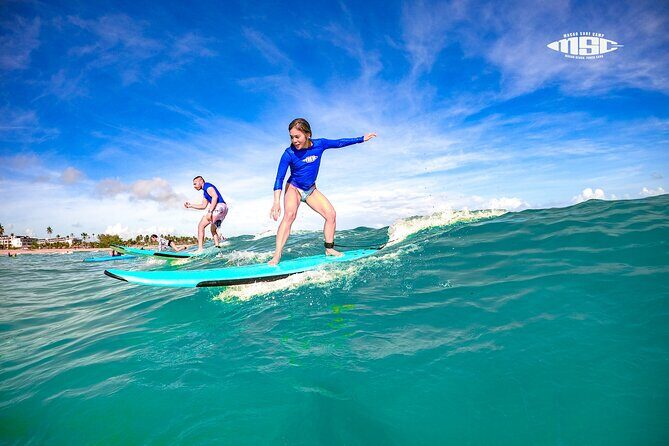
Next you head out to try what you just learned. The instructors guide you in real time, and you’re not just being shouted tips from the shore. The coaching is the point.
3) Reps, not speeches
Surfing improves fast when you get repeated attempts. In at least one experience, there were extra helpers to assist with paddling your board back out for another try. That support reduces downtime and helps you keep momentum through the session.
The whole surf time is planned as about two hours. That’s a sweet spot: long enough to actually feel progress, short enough that you can still enjoy the rest of your day on the beach or at your resort.
You also get the choice of a morning or afternoon session, so you can match it to your vacation energy. If you like sleeping in, go afternoon. If you want the rest of the day free, mornings are usually easier.
Instructor Ratios: The Difference Between Trying and Learning
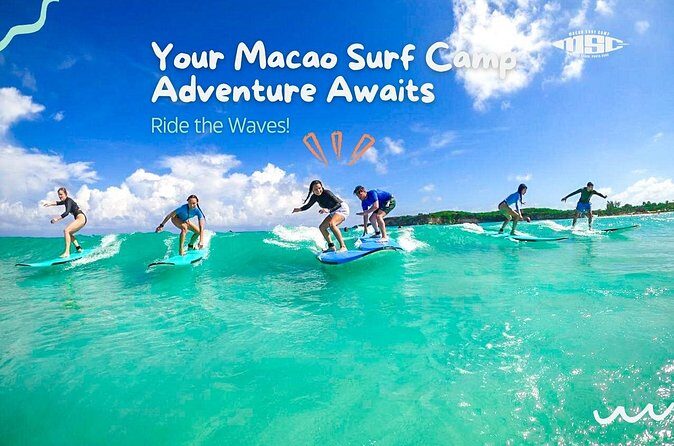
This is one of the most praised parts for a reason. The lesson limits group size so you’re not stuck waiting your turn while everyone else gets coached.
The guideline is maximum 3 students per instructor, which gives you better feedback when you’re correcting balance and paddling technique. In one reported experience, the instructor-to-student ratio felt like 1 to 1, and there were additional helpers in the mix. That combo is what makes beginners feel safe and capable, especially when you’re learning something physical and new.
What you’ll notice in the session:
- You get coached on posture and timing, not just generic advice
- You’re shown what to do when a wave doesn’t work
- You get help when you’re working to paddle back out
Also, the instructors adjust on the fly. One example: an instructor used a board change when a student progressed quickly enough that a different board made sense. That’s how you avoid the common beginner problem of fighting equipment instead of learning waves.
If you’ve tried a “group lesson” that felt like watching from the sidelines, this format will feel different. You should come away with real technique you can repeat, not just a few photos and a story.
Gear, Rash Guard, and Water: The Practical Stuff That Saves You
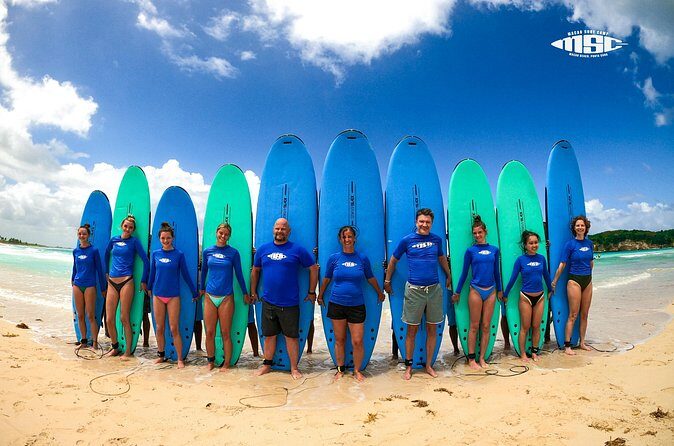
You don’t have to bring surf gear. The lesson includes:
- A surfboard
- A rash guard
- A professional instructor
- Group instruction
You also get water: coconut water or bottled water upon request. That’s a small detail, but when you’re sweating on the beach and working hard in the sun, having hydration handled is a comfort.
What’s not included is also useful to know:
- Lunch (available for purchase at the beach)
- Photos (available for purchase)
- Videos (available for purchase)
The practical takeaway: if you want photos or videos, budget for it before you get there. If you’d rather keep costs low, you can still enjoy the lesson without adding anything.
And yes, bring sunscreen. You’re in the sun for part of the day, and beginners often underestimate how quickly salt air and beach brightness add up.






The Human Touch: Photos, Names, and Real Coaching
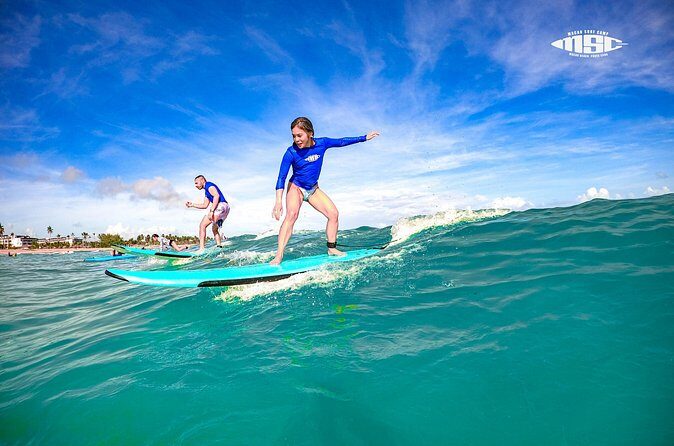
A good surf lesson has two jobs: teach you how to ride and keep you relaxed enough to actually try.
In one experience, the instructor was Guillermo, described as very fast and effective at teaching technique. Another team member handled photos under the name Rodolfo, and the key point wasn’t just picture-taking—it was that he also knew surf, so he understood what to capture and how to set people up.
These aren’t just name drops. When your team is competent in both safety and technique, your confidence climbs. And confidence is what turns a first session from scary to fun.
One more example of professionalism: when scheduling didn’t go as expected for a participant, the team offered a private session at the same price for the person who could join, and they helped coordinate a refund for the unused spot. That tells you the operation cares about outcomes, not just check-ins and quick handoffs.
Price and Value: Why $115 Can Make Sense
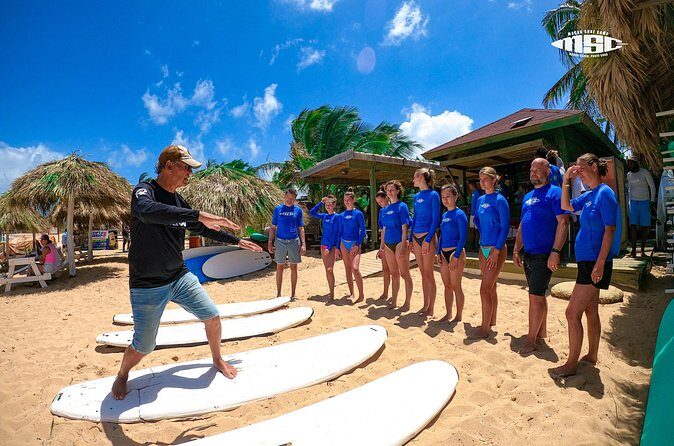
At $115 per person for a 2-hour surfing lesson, you’re paying for more than a board and a beach outing.
You’re covering:
- Instructor time and active coaching
- Group organization and safety management
- Surfboard and rash guard
- Punta Cana hotel pickup and drop-off
- Included water (coconut or bottled on request)
The value is strongest if you don’t want to spend your day figuring out transport, equipment rental, and where to go for a beginner-friendly spot. The lesson format is designed to reduce friction. That matters because a first surf experience is already mentally demanding.
If you’re bringing friends, note the group is kept small (limited to 10 participants). That’s a sign you’ll get attention instead of being background scenery.
What to Bring (So You Don’t Turn This Into a Problem)
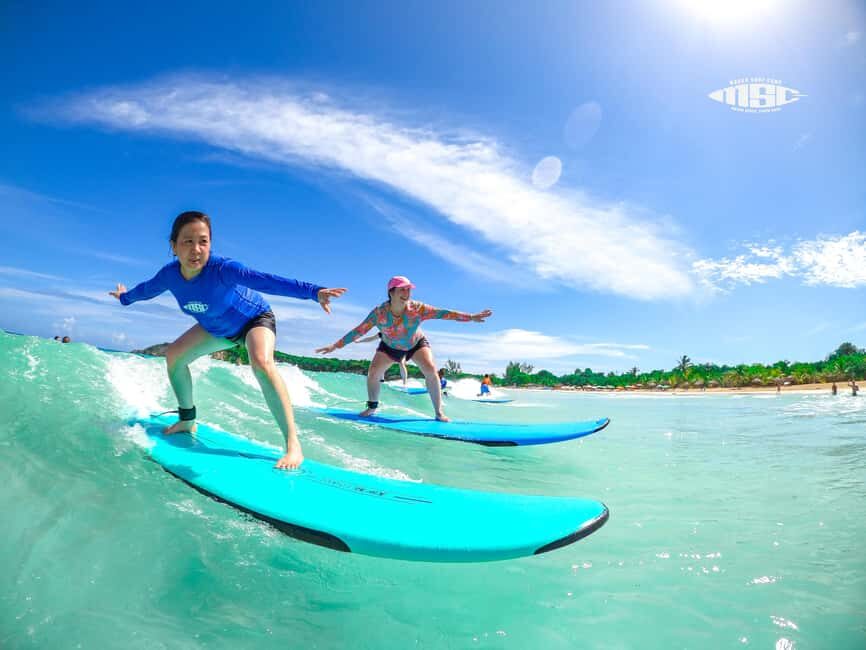
This is an easy activity to prep for, but don’t skip the basics. Bring:
- Swimwear
- Towel
- Sunscreen
- Cash
Why cash: photos and videos are sold separately, and lunch is also available for purchase on the beach. If you want flexibility, having cash helps you handle small extras without scrambling.
Also think about comfort:
- Wear swimwear you don’t mind getting sandy
- Bring a towel that’s big enough for post-water drying
- Sunscreen before you go out, not after you realize you’re already turning red
Language and Comfort Level: What If You Don’t Speak Spanish?
The instructors offer multiple languages, which is a big plus for nervous beginners. Instruction is available in:
- English
- Russian
- Italian
- Spanish
- Ukrainian
You’ll usually still get the main surf terms explained through both action and coaching, but shared language helps when the instructor needs to correct balance or timing quickly.
Who This Surf Lesson Fits Best
This is a great match if:
- You’re a true beginner or returning after a long break
- You want structured coaching instead of trial-and-error
- You prefer small groups and hands-on feedback
- You want a Punta Cana activity that’s fun but not overly complicated
It’s also a good choice if you’re traveling with a friend or family member and you want a shared experience without turning it into a logistics headache.
You might consider a different style of surfing lesson if:
- You only have time for a super short activity
- You’re looking for advanced tricks and you already have strong wave skills
But for first rides? This is exactly the kind of session that helps you build real confidence.
Should You Book Macao Surf Lessons in Punta Cana?
If you want a beginner surf lesson that feels organized, teaches the basics in a way you can use immediately, and includes pickup plus gear, I’d book it. The small-group format and the extra help for paddling back out are the difference between trying once and actually learning.
Do it if you’re excited to feel waves under your board and you’re okay with the normal beginner learning curve. Give yourself a little schedule buffer for pickup timing, and bring sunscreen and cash so you can add photos or lunch without stress.
Overall, this is a solid value for the kind of experience it is: short, focused, and coached in the water—at the beach where you can progress without panic.
FAQ
Where does the surf lesson take place?
The lesson takes place at Macao Beach in Punta Cana, Dominican Republic.
How long is the surfing experience?
The surfing portion is 2 hours. Session times vary, so you’ll want to check availability for the start times.
Is hotel pickup included, and where is pickup offered?
Yes, hotel pickup and drop-off are included. Pickup options include Bávaro, Punta Cana, Uvero Alto, and Macao, with drop-off at the same general areas.
How big are the groups?
The lesson is designed as a small group with a maximum of 10 participants, and instructors keep a maximum of two or three students per instructor.
What equipment is provided?
You’ll receive a surfboard and a rash guard. Water is also included (coconut water or bottled water upon request).
What should I bring, and what costs extra?
Bring swimwear, a towel, sunscreen, and cash. Lunch, photos, and videos are not included and can be purchased.
Can I cancel for a refund, and is pay later available?
Yes. You can cancel up to 24 hours in advance for a full refund. You can also reserve now and pay later, so you don’t have to pay immediately.