REVIEW · DESSERT TOURS
Chocolate Master Class & Taino concept Store
Book on GetYourGuide →Operated by Taino Gourmet Cooking Lab · Bookable on GetYourGuide
Chocolate lessons move fast.
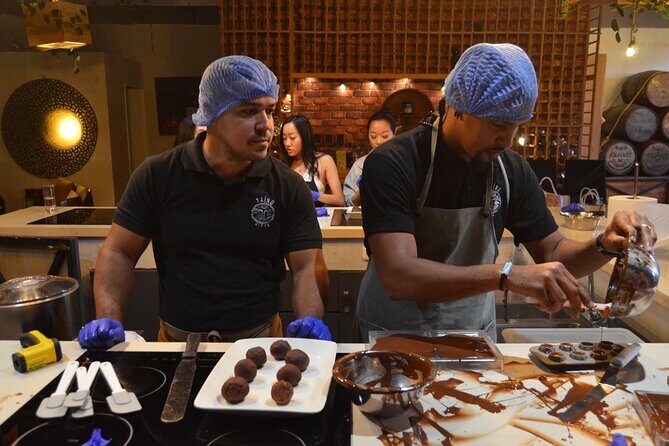
In La Altagracia, this Chocolate Master Class at the Taino Gourmet Cooking Lab is a fun mix of cocoa know-how, repeated tastings, and a modern chocolate lab where you actually make chocolate—not just watch. You’ll get expert-led guidance (in English, Spanish, or French) and a chance to learn the steps behind tempering and molding.
I like two things a lot: the small group size (up to 10 people), which keeps the vibe calm and personal, and the way hosts and instructors such as Rudi and Santiago keep the class friendly while you work. You’ll also get lots of hands-on time plus guidance that fits both beginners and experienced foodies.
One thing to consider: the schedule can be anywhere from 2 to 90 minutes, so it helps to check the exact start time you book and plan your day with some buffer.
In This Review
- Key things you’ll remember from this master class
- Chocolate Master Class in La Altagracia: what this is really like
- Getting there from Bávaro or Punta Cana without stress
- Step-by-step: what happens when you walk in
- 1) Welcome drink and quick orientation
- 2) Cocoa and chocolate craft, explained in human language
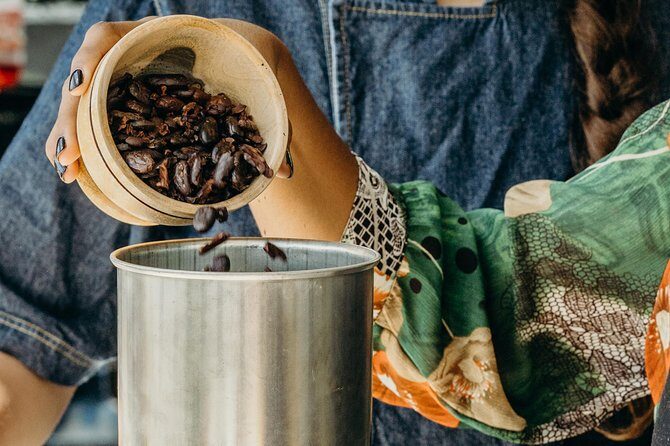
- 3) Tastings while you learn
- Inside the chocolate laboratory: tempering and molding (and why safety matters)
- Making your own bars and decorating them
- The cooling-and-shop window
- Exploring flavors beyond basic chocolate
- Price and value: is $57 actually fair?
- Who should book this class?
- Practical tips to get the most out of your session
- Should you book the Chocolate Master Class & Taino concept Store?
- FAQ
- Where is the Chocolate Master Class located?
- What does the $57 price include?
- How long does the class last?
- What languages are offered during the class?
- Is pickup included from Bávaro or Punta Cana?
- Is the experience wheelchair accessible, and are groups small?
- Can I cancel, and can I book without paying right now?
Key things you’ll remember from this master class
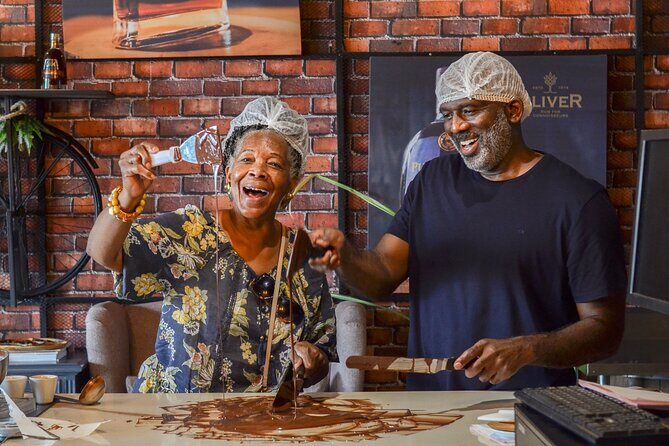
- Small group, hands-on lab work with up to 10 participants so you don’t feel like you’re waiting in the back row
- Guides who set a relaxed pace, including hosts like Rudi and instructors like Santiago known for patience
- Tempering, molding, and flavor infusions—you learn the steps, not just the results
- Repeated tastings and time to decide what to buy, with no hard sell
- You make your own chocolate creations, and you can also decorate and take your work with you
Chocolate Master Class in La Altagracia: what this is really like
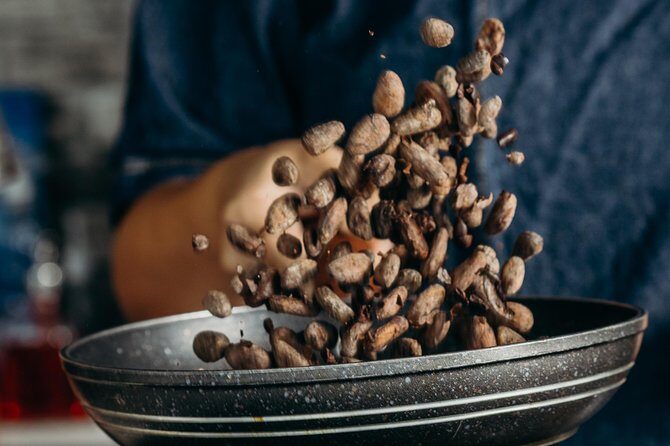
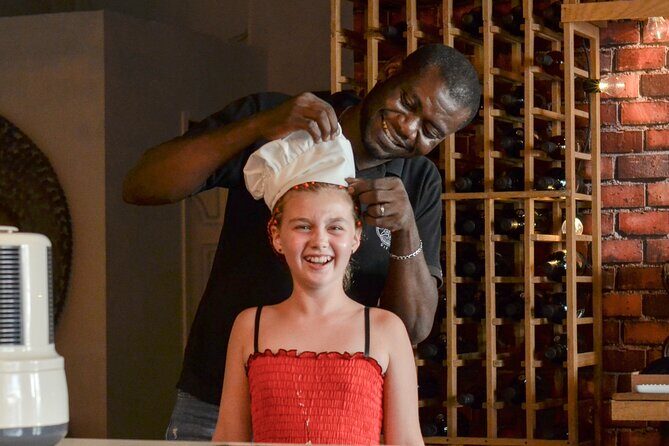
This is the kind of activity that’s great when you want something more than a standard “sit and get” tour. The setting is a state-of-the-art chocolate laboratory, and the whole point is to turn you into an active chocolate maker for a short stretch of time. Even if you’ve never tempered chocolate before, the class is designed to be approachable, with a guide talking you through both the how and the why.
Think of it as three layers: learning cocoa basics, tasting different styles and flavor ideas, and then making your own pieces in the lab. The fun part is that those layers overlap. As you learn a step, you’re using it right away. That means you leave with a better sense of why chocolate behaves the way it does, instead of just collecting samples.
And because it’s a small group, the energy stays friendly. It’s the opposite of chaotic. If you’re traveling with kids, it generally works well, and you’ll also notice it’s not “locked to one age.” One review highlighted a group spanning ages from 30 up to 88, and that matters because it signals the class isn’t overly technical or overly baby-ish. It’s paced so mixed groups can keep up.
You can also read our reviews of more shopping tours in Punta Cana

Getting there from Bávaro or Punta Cana without stress
This is one of the easiest “day plan” options in Punta Cana because transportation is included. The experience offers free round-trip transport in the Bávaro/Punta Cana area, with pickup on buses that have a sign for MARESISCA. In plain terms: you don’t have to figure out local rides or guess where to meet.
In one example, the group arrived in an air-conditioned van and the team handled mobility needs with care (including help for a grandmother who had a hard time walking). That’s not a guarantee for every trip, but it’s a strong signal about how seriously the team takes comfort and accessibility.
Also keep in mind the exact timing: the class duration is listed as 2 to 90 minutes depending on availability and starting times. In real-world terms, that means you should treat this as a scheduled block for your day, not something you stack too tightly with other excursions.
Step-by-step: what happens when you walk in
Most classes like this follow a familiar flow, and this one does too, with enough variety to keep it interesting.
1) Welcome drink and quick orientation
You start with a welcome drink, then you’re guided into the chocolate lab experience. This short moment matters because it sets the tone. It tells you what kind of class this is: practical, friendly, and focused on making.
2) Cocoa and chocolate craft, explained in human language
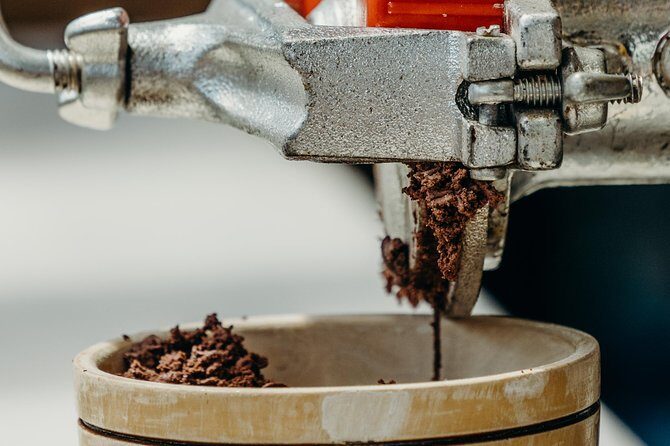
Then the instructor shifts into the core lesson: how chocolate goes from cocoa to finished bars. You’re not just given a lecture. The focus is on craftsmanship—how to understand the ingredient, what changes during processing, and why the steps matter for the final texture.
One standout from the way the instructors teach: Santiago (named in a review) was described as patient and clearly explaining both the steps and, importantly, why you do them. That’s the difference between a fun activity and an actually useful one. If you want to make better chocolate later, you need the logic, not just the motions.
You can also read our reviews of more tours and experiences in Punta Cana




3) Tastings while you learn
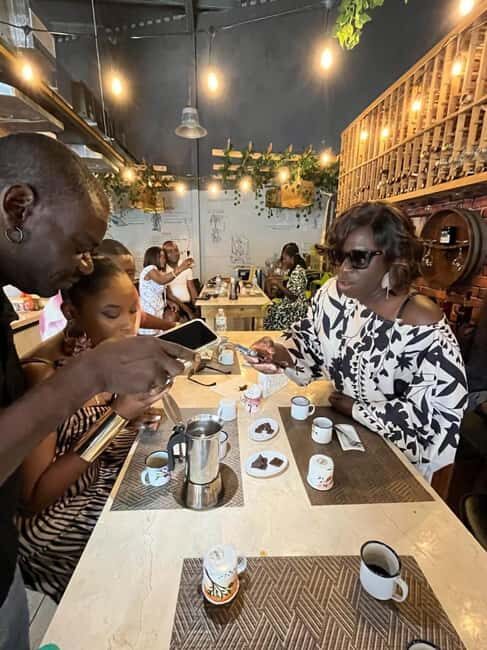
Next comes the tasting part. You’ll sample chocolate throughout the class, and you’ll have the chance to compare flavors and styles. A review described sampling as being repeated as often as needed, which is exactly what you want if you’re trying to decide what you like rather than being rushed through it.
This is where the class earns its keep: you can learn the craft and also build your personal flavor preferences right on site.
Inside the chocolate laboratory: tempering and molding (and why safety matters)
The lab is the heart of the experience. The class highlights a state-of-the-art chocolate laboratory, and the activities revolve around three key skills:
- Tempering (so chocolate sets correctly instead of staying grainy)
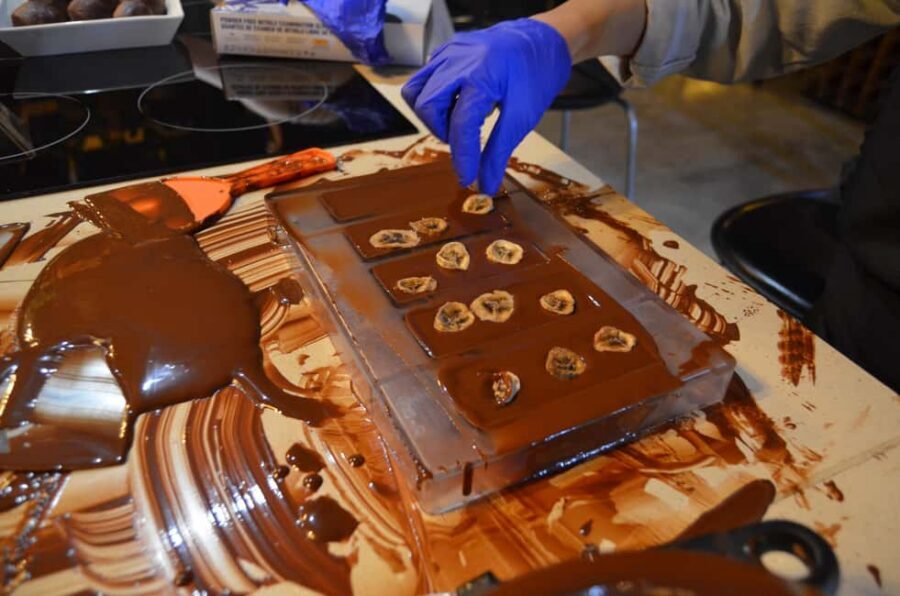
- Molding (shaping chocolate into bars or forms)
- Flavor infusion (adding ideas and ingredients so chocolate becomes your creation)
You don’t need a culinary degree to participate, but you do need to pay attention for a short stretch. Tempering, in particular, is one of those steps where timing and temperature matter. That’s also why expert guidance is valuable—you’re getting corrections in real time.
Safety is part of the design too. The experience states it uses rigorous safety measures, and in a hands-on class, that’s not just “nice to have.” It’s what keeps the vibe fun instead of stressful. You should feel comfortable asking questions and moving through the process without worrying that you’re doing something risky.
Making your own bars and decorating them
This is where the class turns from “learning” into “I made that.”
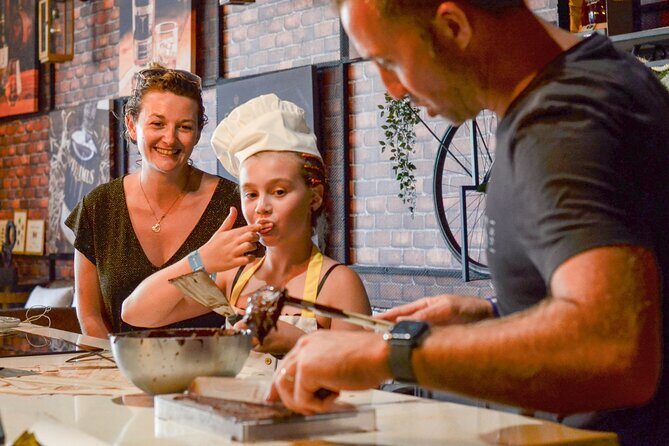
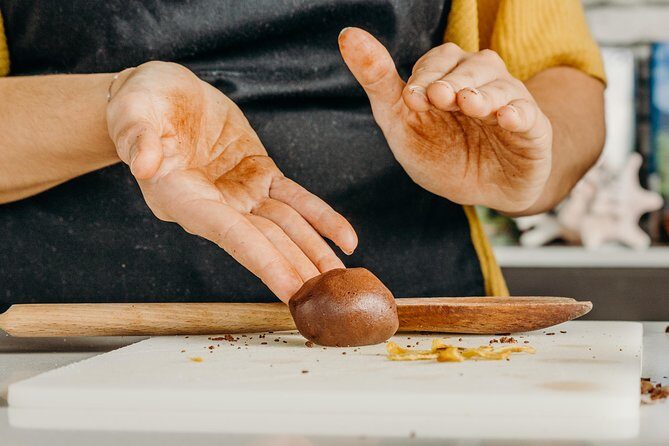
You’ll create your own chocolate creations, including chocolate bars and chocolate balls. You’ll also have opportunities to decorate. One review specifically mentioned making four chocolate bars each and being provided with different toppings. That detail is important because it points to real participation: you’re not just adding one small garnish and calling it a day.
You’re also likely to get guidance on how to handle the shaping and finishing steps so your chocolate comes out looking and tasting the way it should.
The cooling-and-shop window
Here’s a clever rhythm detail: one review mentioned about 20 minutes to shop as the chocolate cooled. That’s a smart use of time. It means you’re not stuck waiting bored with nothing to do. You get a short, practical break and a chance to browse the Taino concept store to buy chocolates you liked during tasting.
The best part? The same review noted it was not pushy. That matters in a chocolate shop setting, where some places can feel like a sales pitch. Here, it sounds more like a casual browse with help if you want it.
Exploring flavors beyond basic chocolate
The class includes a “global flavors” angle, meaning you’ll have ideas for different kinds of infusions and flavor combinations. The goal isn’t just to make something sweet—it’s to help you understand how flavor works with cocoa.
That’s also why repeated tastings help. If you taste a few styles back-to-back, you start recognizing patterns: what tastes brighter, what tastes deeper, and what works with fruit or spice-like notes.
If you’re someone who always buys the same bar in stores back home, this part can gently change your habits. It gives you a little “flavor vocabulary” you can take with you when you shop later.
Price and value: is $57 actually fair?
At $57 per person, this class sits in the mid-range for workshops, but the value comes from what’s included:
- Free round-trip transportation from the Bávaro/Punta Cana area
- Taxes
- Welcome drink
- Expert-led instruction in a hands-on chocolate laboratory
- Time to make your own chocolate creations and taste along the way
- A small-group setup capped at 10 participants
When you compare that to paying for a chocolate tour and then separately dealing with transport, this package is easier to justify. You’re paying for a focused experience, not just for a place to stand and watch.
The other value factor: you get a tangible outcome. Even the low-key classes are better when you leave with something you made and can share.
Who should book this class?
I’d put this in a few clear categories:
- Food lovers who want real technique, not just tasting
- Beginners who are curious about tempering and want it explained simply
- Families looking for a short, safe, engaging activity
- Groups that want low-stress fun, since the class is small and not rushed
It also works well for older visitors because the class has wheelchair accessibility listed, and the staff’s approach (including care for someone with limited walking ability) suggests they know how to help people keep included.
If you’re expecting a beach-style scenic tour or a long walking itinerary, this is not that. It’s a lab-and-store experience in La Altagracia with a strong food focus.
Practical tips to get the most out of your session
A few things can make your class smoother:
- Wear clothes you don’t mind getting a little chocolate-adjacent on you. Hands-on work can be messy in small ways.
- Plan for it to be a scheduled block of your day. Because the duration ranges up to 90 minutes, check your confirmed time and avoid tight connections.
- If you care about the flavors you’ll buy later, pay attention during tasting. The shopping time works best when you already know what you liked.
Also, if you’re traveling with kids, it helps to set expectations: they’ll be making and decorating, but it’s still a guided process with steps.
Should you book the Chocolate Master Class & Taino concept Store?
Book it if you want:
- a small-group, hands-on food activity in the Dominican Republic
- a real look at how chocolate gets made, especially tempering and molding
- the chance to taste, make, and then shop with help
Skip it (or think twice) if:
- you only want a quick snack stop with minimal time commitment
- you’re very schedule-bound and don’t have flexibility, since duration can vary from 2 to 90 minutes
- you prefer sightseeing-heavy tours over indoor lab experiences
For most people in Punta Cana who want one genuinely memorable food moment, this is a strong choice because it’s structured, friendly, and practical. You come away with a better understanding of chocolate—and usually with chocolate you made yourself.
FAQ
Where is the Chocolate Master Class located?
The class takes place in La Altagracia, Dominican Republic.
What does the $57 price include?
The price includes free transportations (round-trip) in the Bávaro/Punta Cana area, taxes, and a welcome drink.
How long does the class last?
Duration is listed as 2 to 90 minutes. The exact length depends on the available starting time you select.
What languages are offered during the class?
The instructor is listed as speaking English, Spanish, and French.
Is pickup included from Bávaro or Punta Cana?
Yes. There is free transportation in the Bávaro/Punta Cana area. Pickup is optional and you’ll be picked up on buses with the sign of MARESISCA.
Is the experience wheelchair accessible, and are groups small?
Yes. The experience is wheelchair accessible, and it’s a small group limited to 10 participants.
Can I cancel, and can I book without paying right now?
There is free cancellation up to 24 hours in advance for a full refund, and you can reserve now & pay later (book your spot and pay nothing today).