REVIEW · PUNTA CANA
Group Surf Lessons Punta Cana – Fun, Easy & Beginner-Friendly
Book on Viator →Operated by Macao Surf Camp · Bookable on Viator
Learning surf in Punta Cana is easier than you think. The beach sessions at Macao Surf Camp are built for first-timers, with small-group coaching and a format that keeps you moving across both sessions. Even better, people call out instructors by name, including Samuel, Rafael, and Kendro, for being patient and helpful.
I especially like that you travel light: they provide the surfboard, rashguard, and bottled water, plus coconut water or fruit during the break. You can also choose morning or afternoon timing, so it fits into a packed vacation day.
One thing to consider: some parts of the lesson can feel like waiting your turn for a wave, since the coaching is shared by a small number of students. And if you care a lot about safety gear, note that the lesson details do not mention helmets or flotation vests.
In This Review
- Key Things Worth Knowing Before You Go
- Macao Surf Camp at Punta Cana: What Makes This Lesson Work
- The Two-Session Plan: How the 2 Hours Feel
- Pickup, Drop-Off, and Getting There Without Stress
- Who You Learn From: Small Group Coaching That Moves Fast
- Gear and Comfort: What’s Included and What You Still Need
- Punta Cana Surf Spot Reality: Beginner-Friendly, Not Risk-Free
- Price and Value: What $115 Gets You (and What Can Cost Extra)
- Morning or Afternoon: Choosing the Right Time Slot
- Best Beach Day for Families, Teens, and First-Timers
- What to Expect in the Water: Push, Stand, Repeat
- Small Issues to Keep in Mind (So You Don’t Get Surprised)
- Should You Book Macao Surf Lessons in Punta Cana?
- FAQ
- FAQ
- How long is the surf lesson?
- Where does the surfing take place?
- Do I get hotel pickup and drop-off?
- How many students are in the group?
- What surfing gear is included?
- Is there a break during the lesson?
- Do I need to bring lunch or is it included?
- Are photos or video included?
- What should I bring with me?
- What is the cancellation and weather policy?
Key Things Worth Knowing Before You Go
- Macao Beach beginner waves with instruction that targets your specific skill level
- Two sessions in one 2-hour block, with a mid-lesson water/fruit break
- Gear included (surfboard and rashguard), so you only need sun protection
- Hotel pickup and drop-off in Punta Cana, plus a mobile ticket
- Photo/video add-ons cost extra, and pricing is a common question
- Age minimum is 4, and you’ll want a moderate fitness level for paddling
Macao Surf Camp at Punta Cana: What Makes This Lesson Work

If you’ve been nervous about surfing, this is the kind of surf lesson that helps you relax fast. The experience is designed around Macao Beach in Punta Cana, a place known for waves that are often approachable for beginners. The setup matters. When the beach and the instruction match your level, you spend less time struggling and more time actually learning.
This is a group lesson, but the group size stays small. The coaching is capped so your instructor can adjust to what you need, whether you’re starting from zero or trying to improve something specific. In practice, that means you’re not just watching someone else surf while you wait on the sand.
A big reason people feel the lesson is worth it is how quickly they get into the water. Several comments highlight getting onto the board early, rather than spending the whole day in theory. That is the difference between a fun outing and a real “I learned something” moment.
You can also read our reviews of more tours and experiences in Punta Cana


The Two-Session Plan: How the 2 Hours Feel
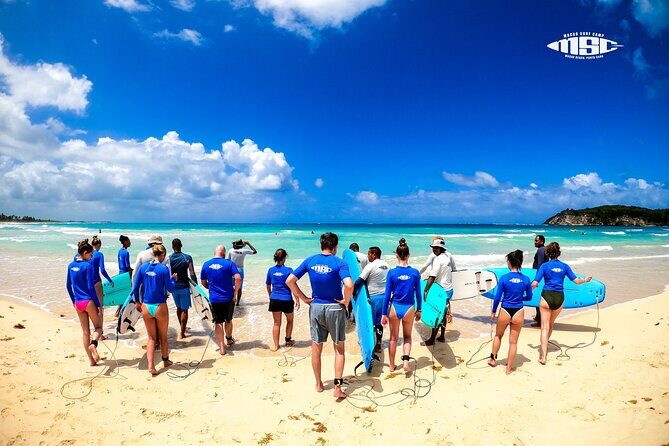
The lesson runs about 2 hours total. It’s split into two surfing sessions, with a half-time break in between. The break isn’t just a breather. It includes coconut water and/or purified water and some fruit, which is a smart touch in Punta Cana’s heat.
Here’s what that usually means for your body and attention:
- You’re not exhausted from start to finish. You get a chance to cool down, hydrate, and reset.
- You’ll likely get multiple attempts in each session. Beginners often improve faster when they get repeated chances rather than one long, frustrating run.
The flow is simple: you go in, surf for a while, take a short break to refuel, then go back out. If you’re doing this as a family activity, the two-session format is also easier to manage with kids or teens than a single long block.
Pickup, Drop-Off, and Getting There Without Stress
A lot of Punta Cana activities live or die by the logistics. Here, round-trip transportation is included, with hotel pickup and drop-off in Punta Cana. That means you don’t need to find a cab, negotiate a meeting spot, or worry about where your driver will be.
In the helpful-side details, people report pickup being on time and the ride being smooth. One person noted they were picked up from their resort entry gate (so you might want to plan for a quick walk from the lobby area). For most visitors, this part is straightforward, and it lets you stay in vacation mode.
Also look for the mobile ticket. It’s a small thing, but it can cut down on confusion when you’re trying to coordinate in a busy tourist area.
Who You Learn From: Small Group Coaching That Moves Fast
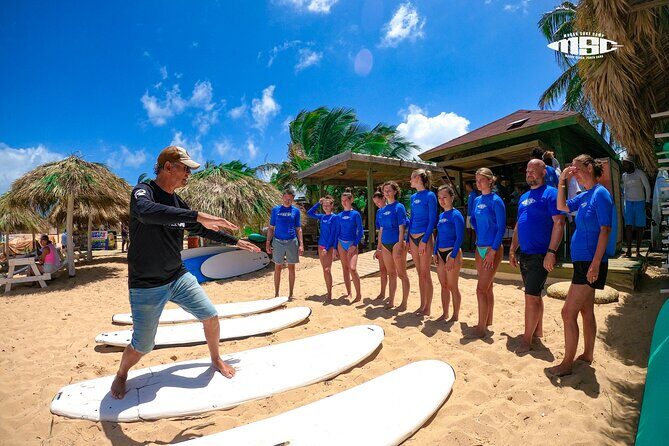
The instruction model is simple: one instructor works with two or three students. That keeps communication close enough that you can get real corrections, not just general tips.
Most people love this ratio because it speeds up progress. When an instructor can actually see what your stance looks like, it’s easier to get small fixes like how to position your body on the board or what to do right after getting pushed into the wave.
There’s also a realistic trade-off. Because the instructor is shared, you may wait your turn at times, especially when waves line up. If you want nonstop action every minute, you might find the shared coaching creates a bit of downtime between wave attempts.
That said, many comments praise instructors for being attentive and in the water, not standing back. One key detail from the feedback: better results often happen when the coach stays engaged and encourages you between attempts. Names that came up include Samuel, Rafael, Kendro, and others, all credited for helpful guidance.
Gear and Comfort: What’s Included and What You Still Need
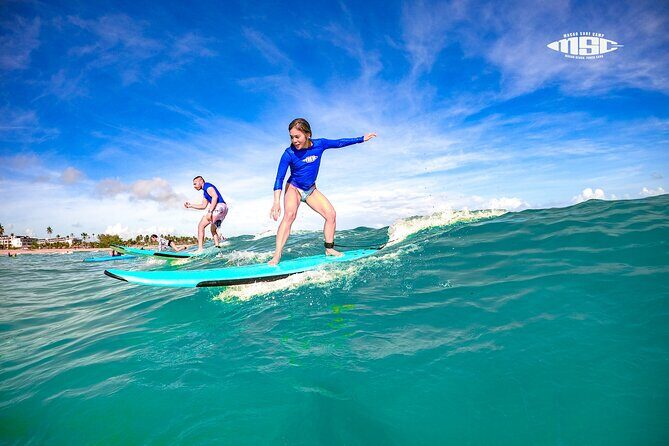
This lesson covers the surfing basics so you don’t have to shop or pack much.
Included:
- Surfboard
- Rashguard
- Bottled water
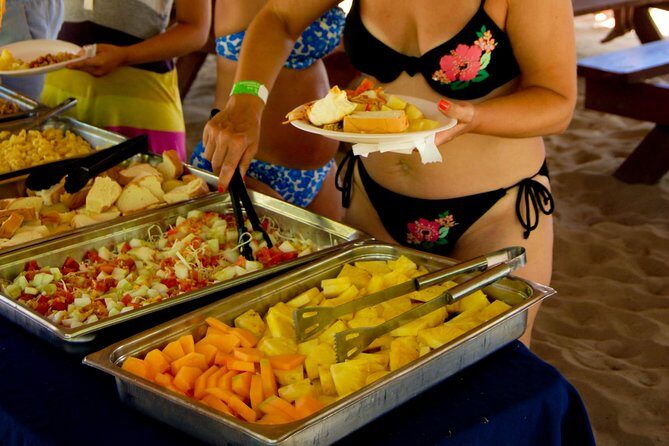
- Coconut water and/or fruit during the break
Not included:
- Lunch (you can buy it at the beach)
- Souvenir photos (optional add-on)
- Souvenir photo/video packages are not part of the base price
What you should still bring:
- A towel
- Sunscreen
- Extra cash (for lunch and for photos/video)
The rashguard is a big deal for comfort. It helps with sun exposure and can make paddling feel less irritating on the skin. The sunscreen part matters because surf sessions can still mean strong sun burn, even when you’re busy in the water.






Punta Cana Surf Spot Reality: Beginner-Friendly, Not Risk-Free
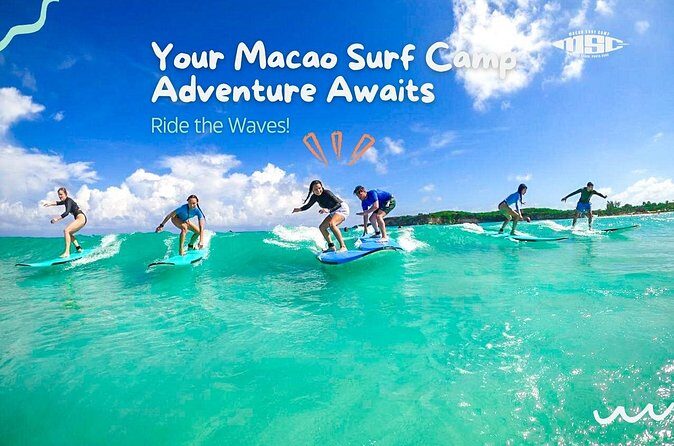
This is a beginner-oriented experience, but it’s still the ocean. Waves can be pushy, conditions can shift, and getting out to the lineup can take effort.
One thing to know from the feedback: instructors are focused on getting you into waves, but the lesson details don’t mention helmets or flotation gear. One participant specifically criticized the lack of safety gear and said help wasn’t always close enough when they needed it. That’s the kind of concern worth respecting.
So how should you think about it?
- If you want a laid-back first surf session, this kind of lesson often fits well.
- If you’re very concerned about safety equipment, bring that concern into your planning and consider asking questions before you get started.
Also consider physical comfort. The experience lists a moderate fitness level, which makes sense. You’ll be paddling, moving on the board, and getting back in position. If you’re comfortable swimming and doing short bursts of effort, you’re probably in the right zone.
Price and Value: What $115 Gets You (and What Can Cost Extra)
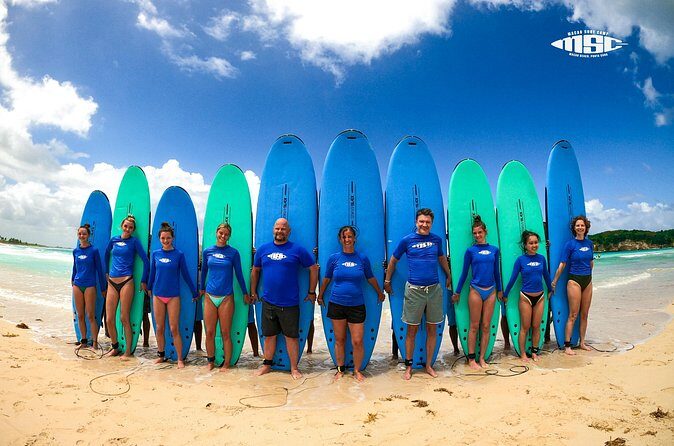
At $115 per person for about 2 hours, you’re paying for more than just a surfboard rental. You’re paying for instruction, gear, and transportation. The included pickup and drop-off can make this feel cheaper than it looks, especially if you’re staying farther from the beach.
Here’s where the value tends to land:
- You get coached, not just released onto a beach.
- Gear is included, so you avoid rental hassles.
- Transportation is included, so you’re not paying extra for taxis or waiting around.
Where you might spend more:
- Lunch is not included, and beach food can add up.
- Photo and video packages are sold separately. Some people think the add-ons are overpriced, while others say the photos and video were worth it for the memory.
My practical advice: decide in advance whether you want the photo/video package. If you do, bring extra cash. If you don’t, still enjoy the lesson without feeling pressure to buy every moment. The board time is the main event.
Morning or Afternoon: Choosing the Right Time Slot
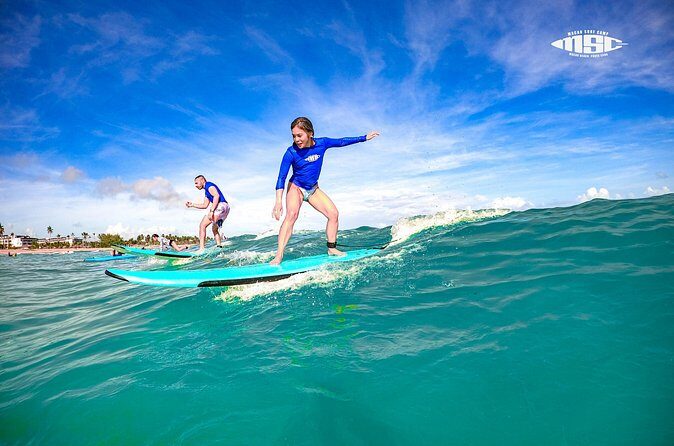
You can choose either morning or afternoon timing. That’s useful because Punta Cana days often move fast. An earlier slot can feel better if you’re more prone to getting tired in the afternoon heat. A later slot can work if you want a slow start or you’re pairing this with a beach day.
What matters most is weather. This experience requires good weather. If conditions are poor, you’ll be offered a different date or a full refund. Surf lessons are weather-dependent by nature, so it’s smart to plan with flexibility.
Best Beach Day for Families, Teens, and First-Timers
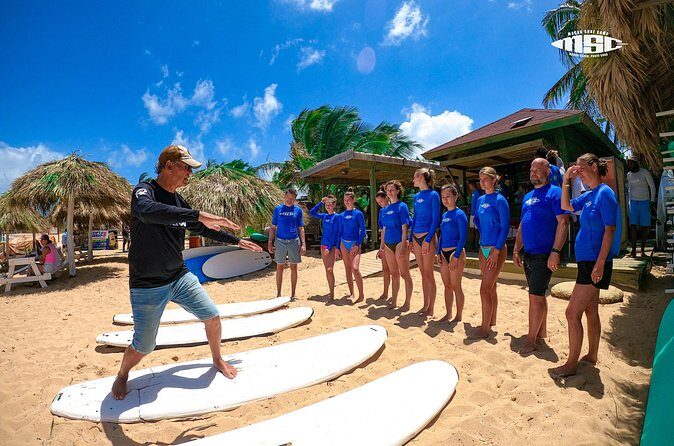
This is a strong family option. The age minimum is 4 years, and the lesson is built for beginners. People specifically mention it as a great activity for families with teenagers and young adults, and for kids who are excited but nervous.
If you’re bringing teens, this lesson often works because it blends effort with instant feedback. You try, you get coached, you try again. For adults, it can still feel fun even if you’re not an athlete, as long as you’re prepared for paddling and wave attempts.
Two group dynamics are common:
- First-timers improve quickly when instruction is close and encouragement is steady.
- Athletic people often get up fast, but beginners still usually make real progress within the session time.
One more good-to-know detail: the lesson includes a break with water and fruit. That’s helpful for kids who get cranky when they’re hot and hungry.
What to Expect in the Water: Push, Stand, Repeat
The learning process is not mysterious. You’ll start with basics on land, then get on the board and practice the key moves. A recurring theme in the feedback is that the push timing and coaching help you get to the standing point sooner than you’d do on your own.
In simpler terms, it’s a rhythm:
- Get positioned.
- Get pushed into the wave.
- Stand up.
- Repeat with feedback.
For beginners, the big win is getting your first clean stand and ride. Once that clicks, the ocean can feel more playful and less scary.
Also, you can expect the beach staff to provide what you need to stay in the water, including water and gear. You still need to listen and follow instructions closely, especially right after you’re pushed, because balance is everything in those first seconds.
Small Issues to Keep in Mind (So You Don’t Get Surprised)
Most of the feedback is positive, but it’s smart to plan for a few possible wrinkles.
1) Wave waiting time
Since your instructor is shared, you may wait your turn between wave attempts.
2) Pickup confusion can happen
One negative comment described a pickup confirmation mix-up and delayed communication. It sounds like this was handled by hotel staff, but it’s a reminder to double-check your confirmation details and be ready at the right pickup spot.
3) Board condition
One participant complained that the surfboards were old and worn. That doesn’t match the overall vibe, but it’s worth knowing if you’re picky about gear.
4) Photo/video upsell cost
Some reviews question the pricing. If you’re budget-conscious, plan what you’ll buy ahead of time.
Should You Book Macao Surf Lessons in Punta Cana?
I’d book this if you want a beginner-friendly surf day with real coaching and included logistics. You’ll like it most if:
- You’re new to surfing or you’re improving basics
- You want hotel pickup and drop-off
- You prefer small-group instruction (two to three students per instructor)
- You’re okay with an add-on photo/video option if you choose to buy
I’d think twice if:
- You strongly require helmets or flotation vests and want that explicitly included
- You don’t want any waiting for waves
- You’re trying to keep everything strictly budget-only (since lunch and photos are extra)
If you want an easy, authentic activity that feels like you learned something instead of just doing a tour, this is a solid bet. The Macao Beach setting and the coaching focus are the reason people come back to Punta Cana thinking about their next surf session.
FAQ
FAQ
How long is the surf lesson?
The lesson is about 2 hours total.
Where does the surfing take place?
The lesson happens at Macao Surf Camp in Punta Cana on the beach.
Do I get hotel pickup and drop-off?
Yes. Hotel pickup and drop-off are included.
How many students are in the group?
Your instructor works with a small group capped at two or three students (based on your own party).
What surfing gear is included?
You get use of a surfboard and a rashguard.
Is there a break during the lesson?
Yes. The lesson is divided into two sessions, and in the half-time break you’ll get coconut water and/or purified water and some fruit.
Do I need to bring lunch or is it included?
Lunch is not included. It’s available for purchase at the beach.
Are photos or video included?
Souvenir photos and video are not included. They are available to purchase.
What should I bring with me?
Bring a towel and sunscreen, and it helps to have some extra cash for photos and lunch.
What is the cancellation and weather policy?
You can cancel up to 24 hours in advance for a full refund. This experience requires good weather; if it’s canceled due to poor weather, you’ll be offered a different date or a full refund.