REVIEW · SANTO DOMINGO DAY TRIPS
Santo Domingo Day Trip from Punta Cana
Book on Viator →Operated by Punta cana Transfer · Bookable on Viator
History beats beach time here. Santo Domingo is one of the few places in the Dominican Republic where you can swap flip-flops for cobblestones and feel the centuries under your feet. I like this tour for the UNESCO Colonial Zone focus and the practical round-trip hotel pickup that keeps a long day from turning into a logistics headache.
Two things I especially appreciate: the chance to see the oldest paved road in the Western Hemisphere on Calle Las Damas, and the way the itinerary spreads story stops across neighborhoods and landmarks instead of only doing one big square. The only real drawback to plan for is time and pace: you’re out for 6 to 8 hours, with a chunk of walking, plus driving time in between sites.
In This Review
- Key things to know before you go
- Santo Domingo from Punta Cana: how this day trip really feels
- Three Eyes National Park: underground caves and lagoons
- Columbus Lighthouse: a quick photo op with big symbolism
- Entering the Colonial Zone: first cathedral and the Plaza de España loop
- Calle Las Damas: seeing the first paved street in the Western Hemisphere
- Columbus Palace and the learning stops: university, hospital, stone home, tavern
- Lunch buffet and a traditional dance performance
- Gift shop stop: how to handle it without losing the day
- Your guide and what to ask (including Gregorio)
- Price and value: is $89 a good deal from Punta Cana?
- Should you book this Santo Domingo day trip?
- FAQ
- What time does the tour start?
- How long is the day trip?
- Is hotel pickup and drop-off included?
- What’s included with lunch?
- Are alcoholic drinks included?
- What’s the tour group size?
Key things to know before you go
- UNESCO Colonial Zone on a guided route with a lot of key landmarks packed into one day
- Three Eyes National Park caves and lagoons tied to Taino history
- Calle Las Damas photos and meaning on the first paved street in the Western Hemisphere
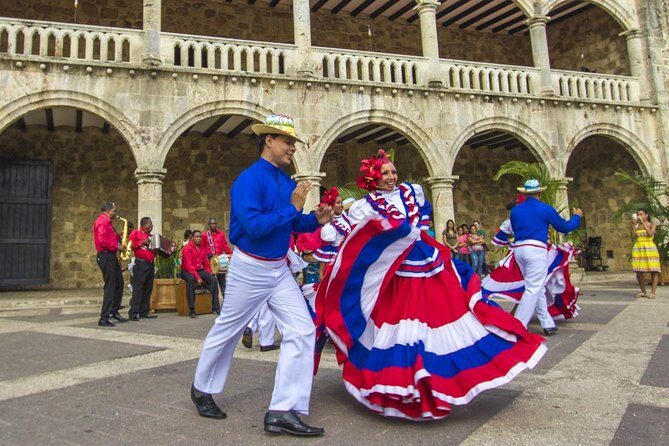
- Lunch with traditional food plus a dance performance built into the schedule
- Small group size (max 20) so you’re not swallowed by a huge crowd
- Hotel transport and mobile ticket to keep the morning simple
Santo Domingo from Punta Cana: how this day trip really feels
This tour starts early, at 7:00 am, and that’s on purpose. Santo Domingo is the kind of city where you want daylight for photos and good walking conditions, and you also want time to enjoy the Colonial Zone without rushing back to the bus immediately.
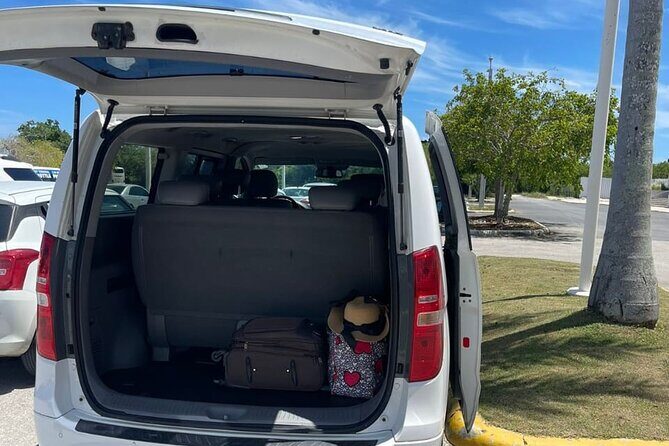
You’ll leave Punta Cana in an air-conditioned vehicle with hotel pickup and drop-off. That matters because Punta Cana is spread out, and a day trip only works if the travel part doesn’t eat your energy. Expect a comfortable bus ride, then a guided walk through the city highlights.
The group stays small, with a maximum of 20. That’s helpful when you want the guide to hear you, or when you want basic clarifications without being drowned out. One more thing: even though the tour is guided, information delivery can vary by language and pace. If you prefer very detailed explanations, keep an open posture and ask your guide questions when you can.
You can also read our reviews of more tours and experiences in Punta Cana

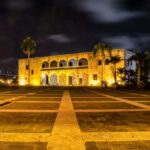
Three Eyes National Park: underground caves and lagoons
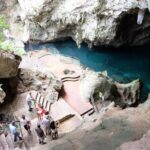
Before you hit the historic center, you’ll stop at Three Eyes National Park. This is one of the most memorable breaks in the day because it’s not another street corner—it’s caves, underground water, and a view into the area’s earliest human story.
The guide shares background on the Taino Indians, and you get time to explore the underground caves and lagoons. This is the part of the day where I’d tell you to wear shoes you’re happy to walk in for a while, since cave areas can mean uneven footing and damp air.
What I like most here is the contrast. The trip starts with nature and ancient use of the land, then shifts into colonial architecture. If you’re worried about getting just a surface-level city tour, this park stop is a strong reminder that Santo Domingo is deeper than buildings.
Columbus Lighthouse: a quick photo op with big symbolism
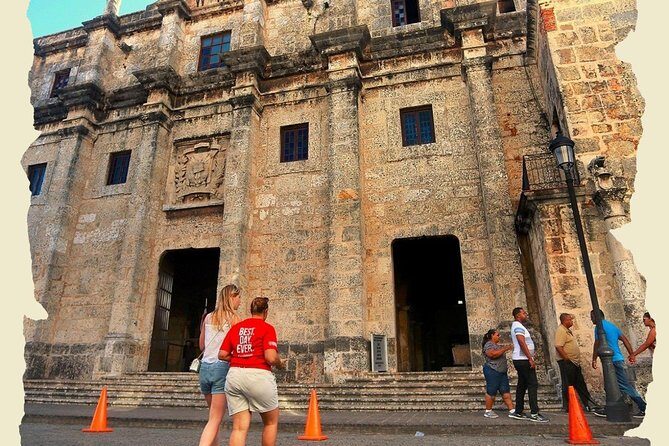
After Three Eyes, you’ll head to the Columbus Lighthouse for a quick photo stop. This is short by design. Think of it as a visual marker: you take a picture, you reset your bearings, and you move on while your morning energy is still intact.
Is it the most time-worthy stop? For most people, it’s more about context than lingering. If you want a bigger “wow” moment, keep your expectations focused on the Colonial Zone walking later.
Entering the Colonial Zone: first cathedral and the Plaza de España loop
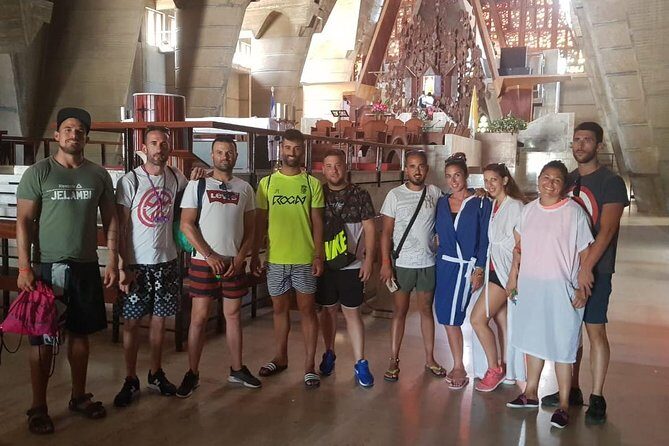
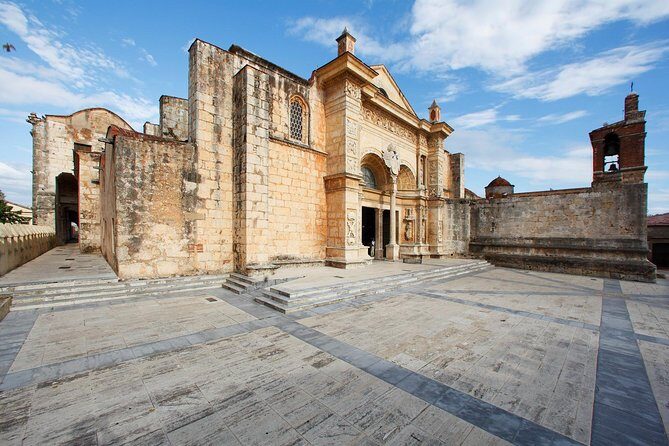
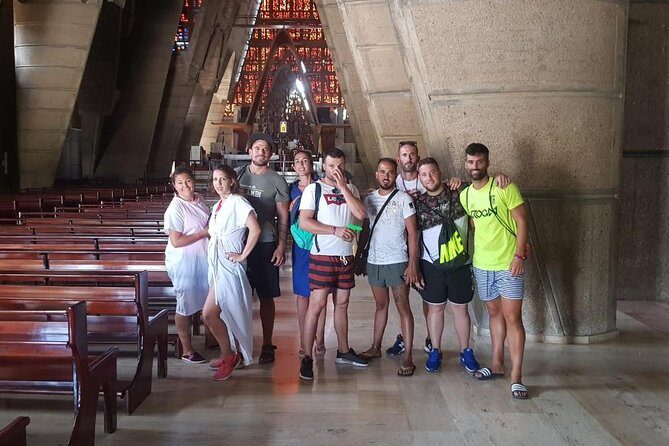
Once you’re in Santo Domingo, the tour leans hard into landmarks tied to the city’s early era. A major highlight is the first cathedral in the Dominican Republic and time wandering the streets of the Colonial Zone—the UNESCO area that still shapes how you understand the city.
You’ll also move through the Plaza de Espana, which helps you connect the buildings to the broader city layout instead of treating each stop as a random photo target. The key here is to walk with intention. Let your guide point things out, then look for the details: the scale of the squares, the way streets funnel you toward churches, and the mix of stone and older street patterns.
A practical note: churches and historic squares can mean short bursts of waiting for your group, followed by concentrated walking. If you like to soak in scenes slowly, you may want to take one longer pause and let the rest of the timing follow the guide.
Calle Las Damas: seeing the first paved street in the Western Hemisphere
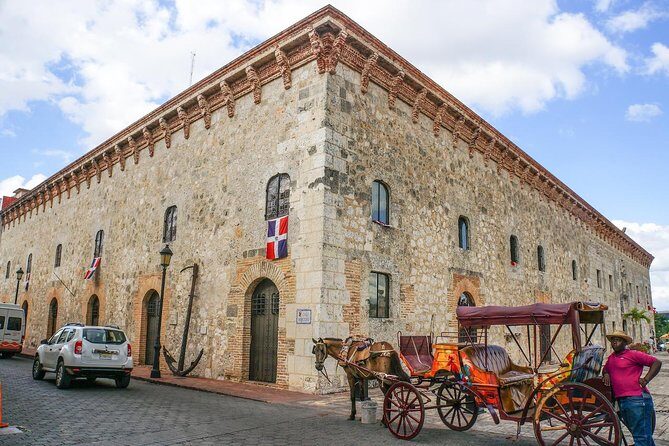
Now for the star. You’ll visit Calle Las Damas, the first paved street and often described as the oldest street in the Western Hemisphere. Even if you’ve read about it before, standing on that street gives you a concrete sense of how long these urban patterns have lasted.
This is one of those places where the value is not in buying a souvenir or racing through. The value is in noticing what you can still sense: street alignment, stone surfaces, and how the Colonial Zone feels designed for foot traffic more than vehicles.
If you’re into photos, this is where you’ll want to be ready with your camera before your feet get tired. Take a couple of shots looking down the street for perspective, then a couple close-up for texture. The best memories here come from a few intentional angles, not from trying to photograph everything at once.




Columbus Palace and the learning stops: university, hospital, stone home, tavern
The tour doesn’t just highlight one building. It moves through several stops that help you build a mental map of early life in the city.
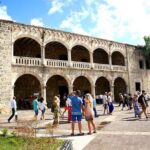
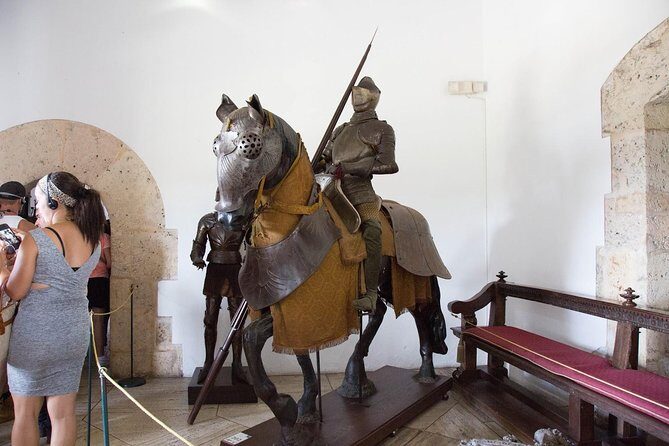
One standout is the Columbus Palace, built in 1514. It once served as home to Christopher Columbus’s son. That kind of detail turns a photo stop into something more personal, because you’re not just looking at old stone—you’re imagining who lived nearby and what authority looked like in daily life.
You’ll also see stops described as a university, a hospital, a stone home, and a local tavern, plus other Santo Domingo highlights along the route. Even when you can’t linger long at each one, the pattern matters. You’re being shown the city’s functions—education, care, everyday life—so the architecture isn’t isolated from human needs.
The slight drawback is that some of these stops can feel like “quick look” moments depending on time and crowd flow. If your ideal day is slow and museum-like, you might wish for more time per stop. If your ideal day is a guided circuit that builds context fast, this format works well.
Lunch buffet and a traditional dance performance
You’ll get lunch at a local restaurant with a buffet lunch and light refreshments included. The food is described as regional Dominican cuisine, and there’s also a traditional dance performance while you eat.
This is the part of the day where I think smart planning pays off. Don’t arrive starving, but also don’t skip lunch as a “filler.” This is your easiest chance to slow down, refuel, and see a slice of culture without adding extra time.
One practical detail: alcoholic drinks are not included, but you can purchase them. If you drink, it’s wise to factor cost into your budget and to keep water nearby. If you don’t drink, the included refreshments are still there to keep the day comfortable.
The dance performance can be a great reset if the morning walking already has your legs doing that post-tour wiggle. Watch it, enjoy it, then return to the group rhythm when it’s time to move.
Gift shop stop: how to handle it without losing the day
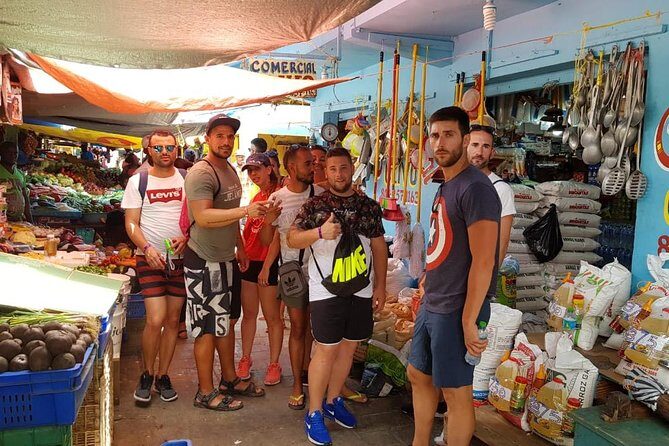
There’s also a stop at a large gift shop. This is common on structured tours, and it can be either useful or annoying depending on your style.
Here’s what works: browse for five minutes with a purpose. If you want Dominican-made crafts, this can be an easy way to avoid multiple shopping stops later. If you’d rather spend money elsewhere, treat it like a restroom-and-water checkpoint and keep your focus on the last landmarks.
I like using gift shops as a way to spot what’s actually local. If something is marked as art or craft, take a moment to look closely before buying—especially if you’re comparing items across stalls.
Your guide and what to ask (including Gregorio)
A big part of whether this tour feels informative comes down to your guide. This tour uses a professional art historian guide, which is a good sign if you like context and structure rather than only legends and general facts.
That said, guides can differ in how fast they speak or how much detail they can fit. In at least some cases, the guide name Gregorio has appeared, and one day had him as kind but not overly informative, with explanations sometimes delivered in Spanish. So here’s my practical advice: don’t assume the details will automatically land in your preferred language.
Ask simple, targeted questions:
- What should I notice in the cathedral area first?
- What does Calle Las Damas represent beyond the fact it’s old?
- What’s the most important change you see from then to now in the Colonial Zone?
If you keep the questions short, you’ll get better answers and you’ll feel more connected to what you’re seeing.
Price and value: is $89 a good deal from Punta Cana?
At $89 per person, this tour has a clear value logic: it bundles hotel pickup and drop-off from Punta Cana, a full-day guided route, and lunch with light refreshments. In other words, you’re not just paying for sightseeing—you’re paying for transportation and guidance that turns a far-away UNESCO city into a manageable one-day plan.
When is it a great value? If you want a structured route and you’d rather spend your energy learning and walking than figuring out transit, meeting points, and timing on your own.
When might it feel pricey? If you’re the type who prefers long free time in one neighborhood, or if you don’t enjoy guided history and would rather wander without stops. This itinerary is designed for coverage, not for leisurely pacing.
Should you book this Santo Domingo day trip?
Book it if you want one day that combines UNESCO-era streets, a first-paved-road stop, cave nature at Three Eyes, and a lunch-and-dance cultural break—all pulled together by hotel transport from Punta Cana.
Skip it or rethink it if you hate long walking days or you want a slower city experience with lots of unscheduled time. Also, if you’re very language-dependent, be ready to ask your guide for clarification when you need it.
If you’re flexible and history is your kind of vacation, this one is a strong use of time. You’ll leave with a real sense of where Santo Domingo began—and you’ll have had a nice break from beach-only days.
FAQ
What time does the tour start?
The start time is 7:00 am.
How long is the day trip?
It’s about 6 to 8 hours.
Is hotel pickup and drop-off included?
Yes. Hotel pickup and drop-off are included, and the tour uses an air-conditioned vehicle.
What’s included with lunch?
Lunch is a buffet lunch, plus light refreshments.
Are alcoholic drinks included?
No. Alcoholic drinks are available to purchase, but they’re not included.
What’s the tour group size?
The tour has a maximum of 20 travelers.