REVIEW · PUNTA CANA
Open Water Diver – Bávaro
Book on Viator →Operated by SeaKlub · Bookable on Viator
In This Review
- First Impressions: Scuba skills, but with real-world timing
- Key highlights you’ll care about
- PADI or SSI in Bávaro: what this 3-day course is really offering
- Your 3 days in real life: theory, pool practice, and open-water sessions
- Day 1 (or your first block): online theory chapters
- Day 2: pool sessions (skills you can actually repeat)
- Day 3: open-water sea sessions (where it gets real)
- Timing and meeting-up flow: starting at 9:00 AM with pickup options
- Small group (max 8) and why it changes the course experience
- Instructor support: what you want to look for on the day
- The big concern: seasickness and day-of conditions
- Value check: is $460 in Punta Cana a fair deal?
- Who this is best for (and who should think twice)
- Should you book SeaKlub’s open-water certification in Bávaro?
- FAQ
- What is the certification depth limit for this course?
- How long does the open-water certification course take?
- What’s included in the training?
- What time does the experience start?
- Is pickup provided?
- How much does it cost and how big is the group?
First Impressions: Scuba skills, but with real-world timing
This course is a practical on-ramp to underwater ability in Bávaro. You’re working toward PADI or SSI open-water certification with international recognition, built around online theory, pool sessions, and sea training up to 18 meters max. It’s also a small group setup (up to 8 people), so you’re not just another face in a big lineup.
What I like most is the training structure: 5 online theory chapters plus 5 pool sessions before you hit open water. That sequencing helps you show up to the sea days knowing what to expect and how to handle your gear.
The main thing to consider is seasickness risk and day-of conditions. One participant reported getting very sick shortly after boarding a boat, which can totally wreck the day even if the staff is trying to help.
Key highlights you’ll care about
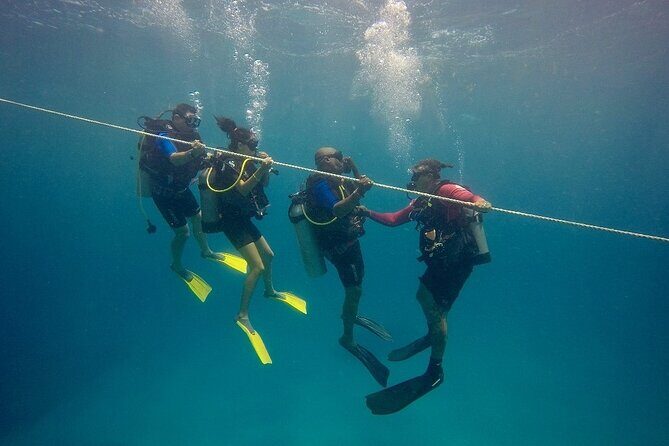
- Online theory (5 chapters) so you can start learning before you ever get wet
- Small-group cap (max 8) which usually means more attention during skills practice
- Pool sessions first (5 rounds) to build confidence before open-water outings
- Sea training capped by your level (18 meters max) for a guided progression
- Instructor impact is real (some guests specifically praised Pedro Marin and Alejandro)
You can also read our reviews of more tours and experiences in Punta Cana.


PADI or SSI in Bávaro: what this 3-day course is really offering
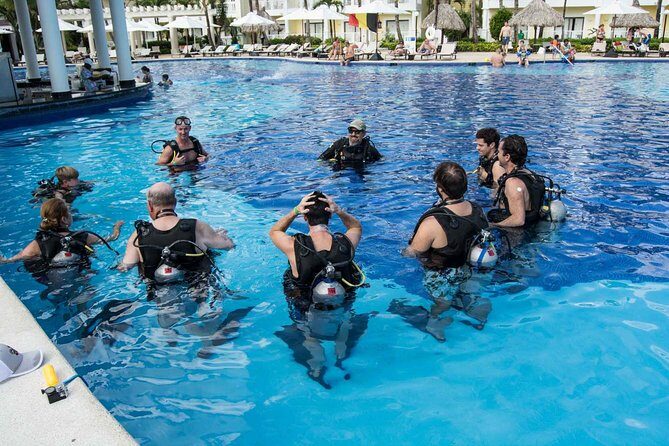
If you want scuba certification in Punta Cana, this is the kind of package that tries to do everything inside a tight timeframe. The headline is simple: you’ll complete the steps needed for PADI or SSI open-water certification, which is recognized internationally and valid for life.
The value here is in the build-up. You’re not jumping straight into open water. You’re learning rules and procedures through online theory, then practicing control and comfort in a pool, and only then going into the sea for the final hands-on sessions (4 open-water sea sessions). That structure matters because the hardest part of beginner scuba is often not the ocean—it’s feeling calm, breathing steadily, and using your gear without panic.
The course also sets clear limits: your certification training is tied to a maximum depth of 18 meters. That’s a good thing. It keeps your early experience within a predictable range while you learn the basics.
Your 3 days in real life: theory, pool practice, and open-water sessions
Even if the name sounds like one continuous activity, you should think of this as a staged program.
Day 1 (or your first block): online theory chapters
You get 5 online theory chapters. For beginners, this is where you learn how scuba equipment works, how breathing changes underwater, and what safety steps you’ll follow.
Practical tip: don’t treat online theory like homework you “sort of” finished. The better you understand buoyancy basics, breathing timing, and hand signals, the more your pool and sea time will feel like practice instead of confusion.
Day 2: pool sessions (skills you can actually repeat)
Next come 5 pool sessions. This is where you build muscle memory: staying relaxed, controlling your position, and practicing core skills in a controlled setting.
If you’re nervous, pool time is your friend. One guest specifically mentioned getting practice with a tank in the pool before the practical portion, which is exactly the kind of confidence-building you want early on. You’ll likely feel much better going into open water if you can handle your breathing and movement without second-guessing.


Day 3: open-water sea sessions (where it gets real)
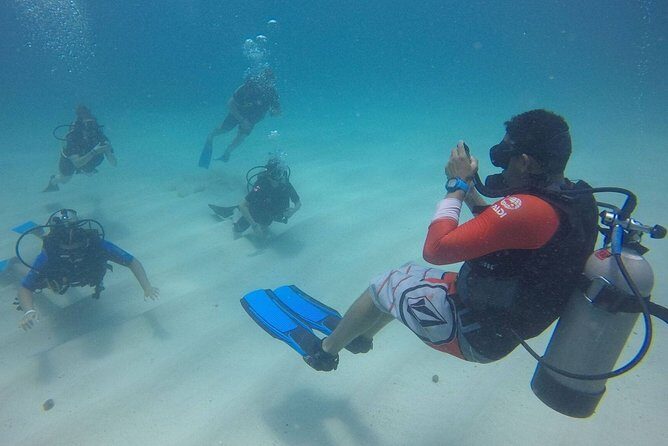
Finally you’ll do 4 open-water sea sessions as part of the course. This is when your training becomes real-world: water can move, visibility can change, and you have to stay calm and follow your instructor.
One important reality check from a bad experience: someone reported seasickness immediately after boarding and spent the day unwell, missing enjoyment from the outing. That doesn’t mean the course is always miserable—it means you should plan like this sea day might be the make-or-break moment for you.
Timing and meeting-up flow: starting at 9:00 AM with pickup options
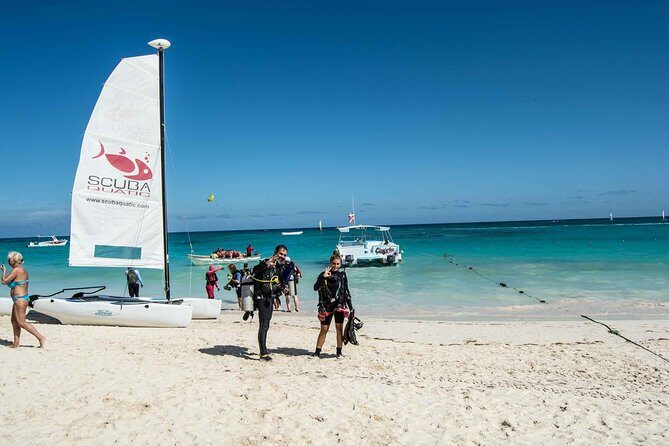
The start time is 9:00 am. If pickup is offered (it is), you may not need to worry about figuring out transportation on your own.
Here’s what you should do:
- Arrive a little early if you’re meeting at a hotel zone, so you don’t lose time with last-minute paperwork.
- Keep your phone charged in case you need your mobile ticket access.
- Bring a swimsuit you’re comfortable wearing under wetsuit gear and a towel you don’t mind getting wet again.
Because it’s designed as a compact multi-day setup, you’ll be happier if you keep your schedule loose around those days. If your “other plans” are tight, stress can add to the nerves before pool and sea sessions.
Small group (max 8) and why it changes the course experience
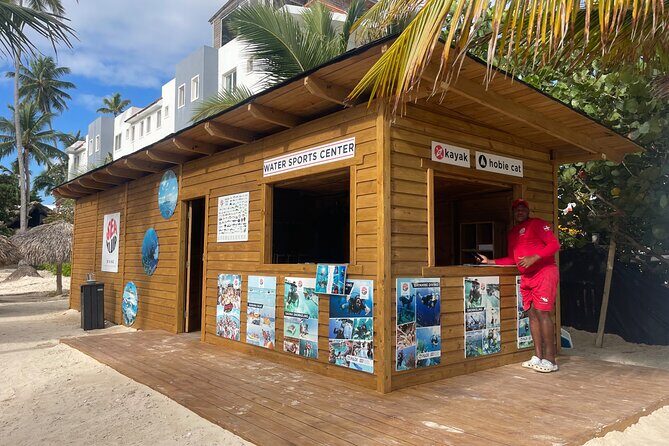
A maximum of 8 travelers is more than a number. It usually affects how much attention you get while learning skills.
In a small group, instructors can:
- correct your technique faster,
- check your comfort sooner,
- and adjust the pace if you’re still getting used to buoyancy and breathing.
This is also where the instructor quality becomes obvious. One participant praised Pedro Marin for helping them finish with short notice and completing the process in about 2.5 days. Another guest highlighted Alejandro with Scubaquatic for stepping in to help with pool practice before the practical stage.
Important: you can’t guarantee which instructor you’ll get. But the lesson is solid—ask questions early, and if you feel lost, speak up. The best outcomes happen when you get clear answers fast.
Instructor support: what you want to look for on the day
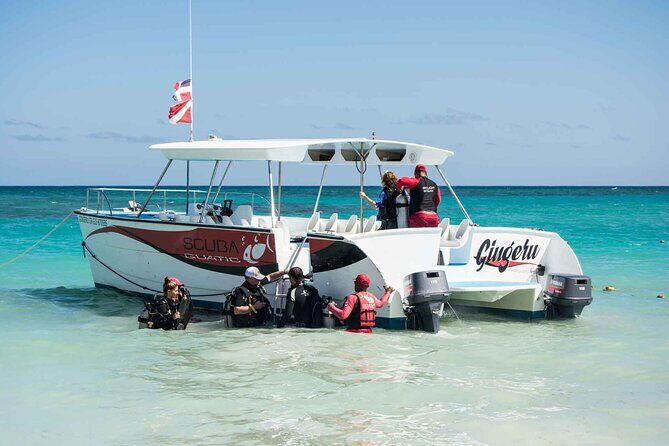
Your success depends on more than gear and weather. It depends on how your instructor explains things.
From positive experiences, two themes show up clearly:
- Hands-on patience: being allowed extra pool practice before the practical portion
- Clear theory explanations: support that makes the theory feel usable, not just memorized
If you’re worried about depth or comfort underwater, that’s where you should focus your questions. Ask how skills will be taught, what order you’ll practice, and what signals you’ll use. In scuba training, the best question is usually: What should I do when I feel nervous or I lose track?
And if you have any medical concerns (including motion sickness history), tell the instructor early. Don’t wait until you’re already nauseous.
The big concern: seasickness and day-of conditions
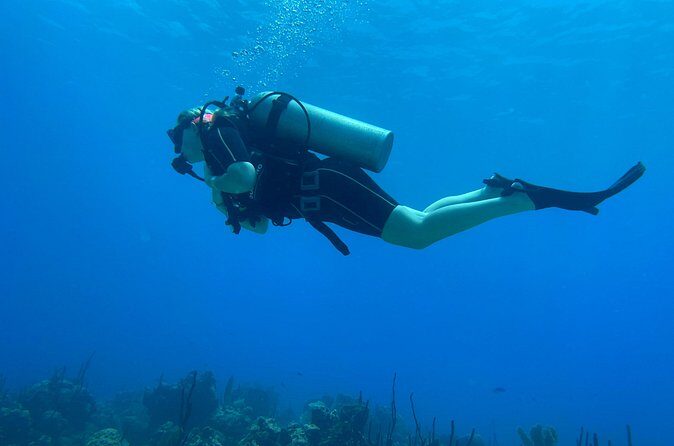
You do not control the ocean. And you might not control how your body reacts to boat rides.
One guest reported:
- immediate motion sickness after boarding,
- spending the day extremely ill,
- only recovering thanks to medication offered by other people.
That’s a rough story, but it points to a simple, practical solution: prepare for the sea day as if you might get sick.
What I recommend you do before the course:
- If you’ve ever been prone to motion sickness, consider bringing your usual remedy.
- Eat lightly before boat travel.
- Plan to rest between training blocks, not party hard the night before.
Also, the experience requires good weather. If conditions aren’t suitable, you’ll either get a different date or a refund. That’s not just fine print—it directly affects whether the sea sessions happen smoothly.
Value check: is $460 in Punta Cana a fair deal?
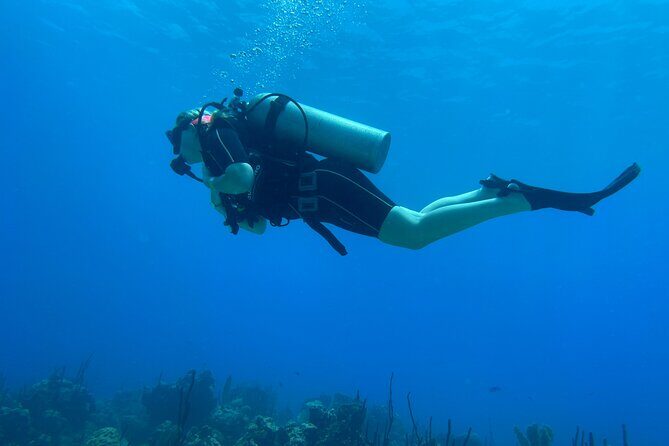
At $460 per person, this isn’t a casual add-on. So the “value” question isn’t just the price—it’s what you receive for that money.
Here’s what’s included, based on the program details:
- 5 online theory chapters
- 5 pool sessions
- 4 open-water sea sessions
- International certification you can keep for life (PADI or SSI)
- Pickup offered (when available)
- Mobile ticket
For a beginner course, that bundle is the point. You’re paying for structured instruction, not just access to water. If you’re starting from zero, this kind of package often makes more sense than cobbling together separate theory help, pool time, and sea outings with different providers.
One more value tip: if you already completed part of the theory elsewhere, ask whether you can adjust the schedule. There was at least one situation where a participant’s partner had already finished theory, and that kind of scenario can affect what’s needed next. Don’t assume anything—ask early and get a clear plan.
Who this is best for (and who should think twice)
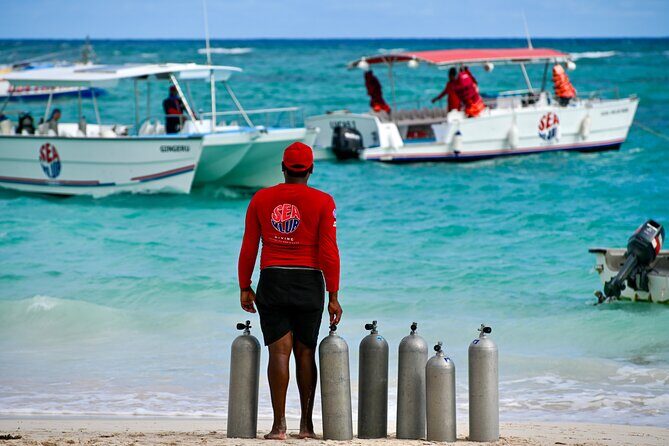
This course is a solid fit if you:
- are a beginner and want a full path from theory to pool to open water,
- want the reassurance of capped training conditions (18 meters max),
- prefer a small group format,
- and value international certification that lasts for life.
It may be less ideal if:
- you know you react badly to boats or motion sickness and you can’t manage it,
- you need absolute certainty about every day’s flow and communication, because at least one guest reported serious problems and money issues.
That last point is worth taking seriously, even though the experience also includes strong success stories. If you book, I’d treat it like any important transaction: confirm what you’re paying for, what the schedule looks like, and how questions are handled. If something feels unclear, press for answers before you commit fully.
Should you book SeaKlub’s open-water certification in Bávaro?
I’d book this only if you’re ready for the format: theory first, pool practice next, then sea training—starting at 9:00 am and working through about 3 days.
You’ll likely love it if you get supportive instruction. The names Pedro Marin and Alejandro came up in positive experiences, and both point toward a course that can help you build confidence step by step. The small group size (max 8) is also a real advantage for beginners.
I’d be cautious if you’re highly prone to seasickness or if you’re the type who needs very smooth communication every step of the way. The ocean part is out of anyone’s control, and one unhappy story included a very rough day after boarding.
If you go in with a calm mindset, realistic expectations, and a plan for motion sickness, this is a practical way to earn PADI or SSI open-water certification in Punta Cana.
FAQ
What is the certification depth limit for this course?
The course is designed for international certification with a maximum depth of 18 meters.
How long does the open-water certification course take?
The duration is approximately 3 days.
What’s included in the training?
It includes 5 online theory chapters, 5 pool sessions, and 4 open sea sessions.
What time does the experience start?
The start time is 9:00 am.
Is pickup provided?
Pickup is offered.
How much does it cost and how big is the group?
The price is $460 per person, and the group has a maximum of 8 travelers.