REVIEW · CRUISES & BOAT TOURS
Los Haitises: Caves, Mangroves, & Rainforest Hike/Boat Tour
Book on GetYourGuide →Operated by Whale Punta Cana · Bookable on GetYourGuide
Caves plus mangroves is a rare combo. This day in Los Haitises National Park mixes a rainforest hike with a boat cruise from Caño Hondo to San Lorenzo Bay, then tucks you into limestone caves with Taino pictographs. I love the boat ride through red mangroves and the chance to see Taino cave art, and you’ll feel the park’s wild mood fast. The main drawback is that the hike can get slippery and steep, so you’ll want grippy shoes.
What makes the experience work is the live guide, who explains the park’s original Taino meaning of Haitises and helps you connect the geology to the wildlife. In real-world guide teams, people have been led by folks like Ignacio and José, with clear communication in English (and other languages too).
In This Review
- Key things to know before you go
- From Caño Hondo to San Lorenzo Bay: red mangroves by boat
- Mogotes and birdlife: limestone islands in Samaná Bay
- Caves with Taino pictographs: Cueva de la Arena and Cueva de la Línea
- Rainforest hike conditions: how to prepare for slippery, steep sections
- Wildlife odds on the water: manatees, dolphins, and critters
- Cost, timing, and what you get for $70
- My realistic packing and day-of advice
- Should you book Los Haitises caves and mangroves?
- FAQ
- What does this Los Haitises tour include?
- Is food and drinks included?
- How long is the tour?
- What languages are the guides available in?
- Where does the tour start?
- Can I cancel for a full refund?
Key things to know before you go
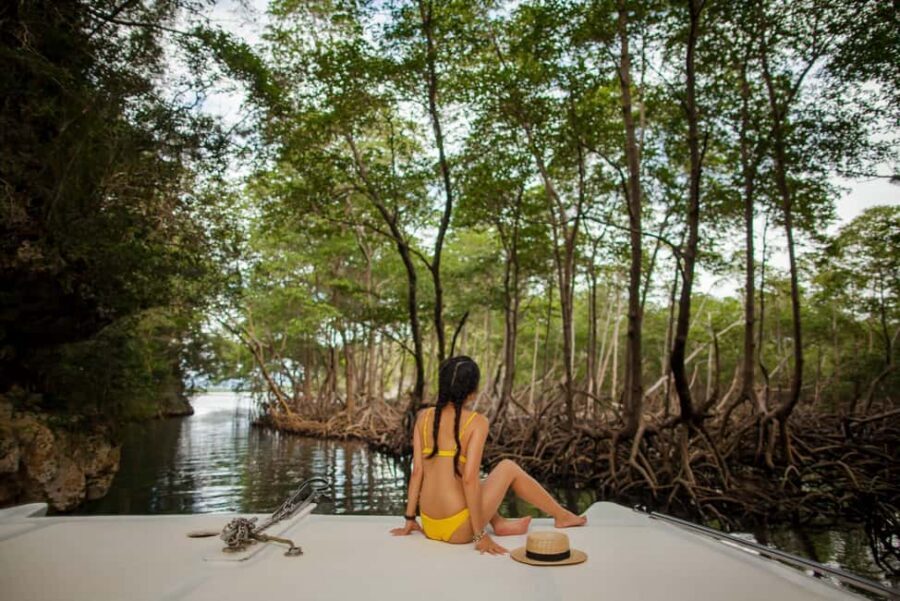
- Caño Hondo start: you launch right from Deep Creek on a boat with life jackets
- Red mangroves to San Lorenzo Bay: the route is built for calm cruising and great photos
- Mogotes limestone islands: these steep rock formations rise out of the bay
- Caves with Taino pictographs: visits include spots like Cueva de la Arena and Cueva de la Línea
- Wildlife spotting is part of the plan: you may see manatees, dolphins, and crustaceans
- Hike footing matters: expect slick surfaces and steep sections
From Caño Hondo to San Lorenzo Bay: red mangroves by boat
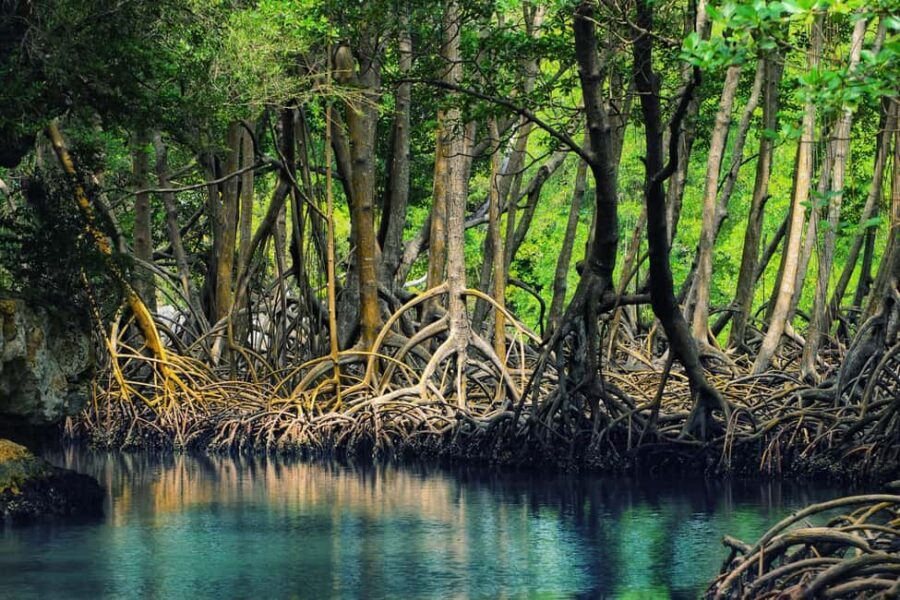
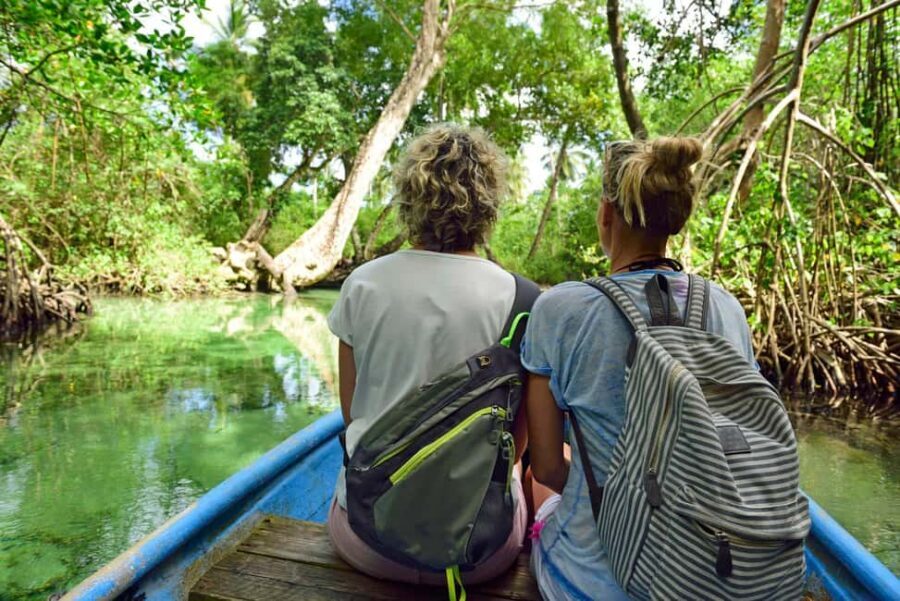
Your day starts at Caño Hondo (Deep Creek). From there, you head out by boat wearing a life jacket, cruising through red mangroves before you reach San Lorenzo Bay. It’s not just transport. This is the rhythm of Los Haitises: water first, then land, then caves.
The mangrove stretch is where you get your bearings. The channel moves slower, the air feels cooler, and birds often show up more than you expect. You’ll also notice how the park’s limestone and water interact. The coast here is steep and rugged, and the boat route keeps you close enough to understand why the region earned its name tied to highlands and hills.
A small practical note: the overall experience length can vary (it’s listed as 5–11 hours). If you’re the type who needs a hard end-time, plan on flexibility. Some departures also have a bit of waiting around ports when boat timing shifts, so it helps to arrive mentally ready for delays rather than assuming everything runs like a clock.
You can also read our reviews of more boat tours in Sabana De La Mar
Mogotes and birdlife: limestone islands in Samaná Bay
Once you reach San Lorenzo Bay (part of Samaná Bay), the scenery gets dramatic. You’ll look out over the bay’s Mogotes—a collection of huge limestone mountain islands. These aren’t small hills. They rise sharply out of the water, creating a view that feels both prehistoric and oddly precise, like nature built a stone skyline.
On land and in the air, this is also where the ecosystem feels rich in variety. The park is associated with 700+ species of plants, and the guide typically points out wetland birds in flight. In one set of observations, people even reported seeing pelicans, which fits the idea that this is active coastline habitat, not just scenic scenery.
If you like photography, you’re in a good spot twice: first during the mangrove cruise, then again after landing at the bay area. The bay stop gives you a chance to frame the Mogotes and coastline with the right lighting. Bring your camera strap and keep your hands free during transitions—boat-to-land steps are not the time for juggling gear.
Caves with Taino pictographs: Cueva de la Arena and Cueva de la Línea
Then comes the main reason many people book Los Haitises: limestone caves tied to human stories. You’ll visit caves such as Cueva de la Arena and Cueva de la Línea, where the walls include Taino pictographs (indigenous drawings) created around 750 years ago.
This part is worth slowing down for. Cave art isn’t just decoration here—it’s evidence of how the Taino used the landscape. According to the tour narrative, caves in the reserve were used as shelter by indigenous communities, and later, they were also linked with hiding places for pirates. Whether you find pirate stories thrilling or just mildly ridiculous, the point is real: caves offered protection, and people moved through this area long before modern tourism existed.
Inside the caves, bring a realistic mindset: you’re going into a damp, uneven environment. You’ll be guided to the pictographs, but you might still have to shift your stance to see details. If you’re sensitive to low visibility or tight footing, ask your guide how the cave walk is paced on your specific departure.
You can also expect the guide to connect the cave visits to the park’s name and geology—how the coastline’s limestone formations shaped life around it. That context makes the stop feel more meaningful than a quick photo and out.
Rainforest hike conditions: how to prepare for slippery, steep sections
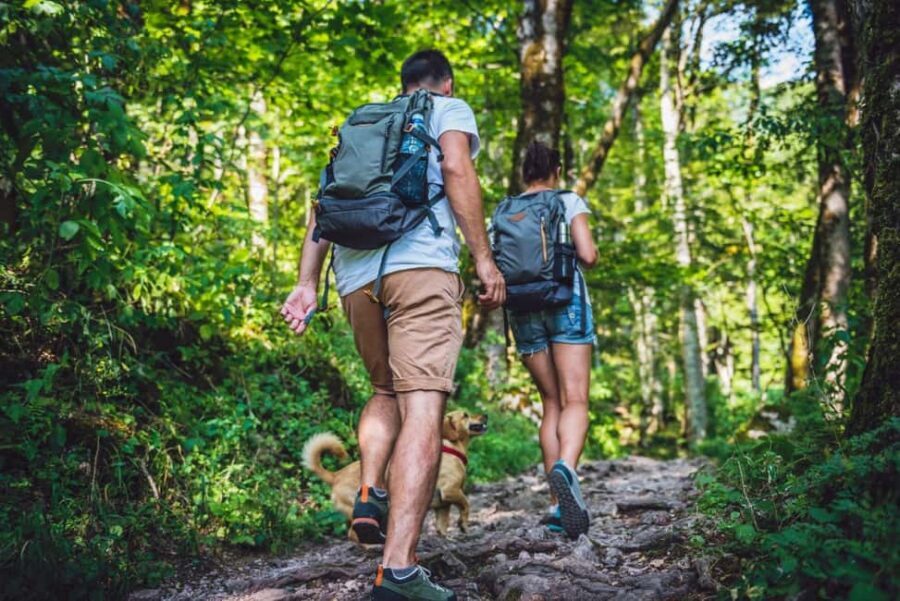
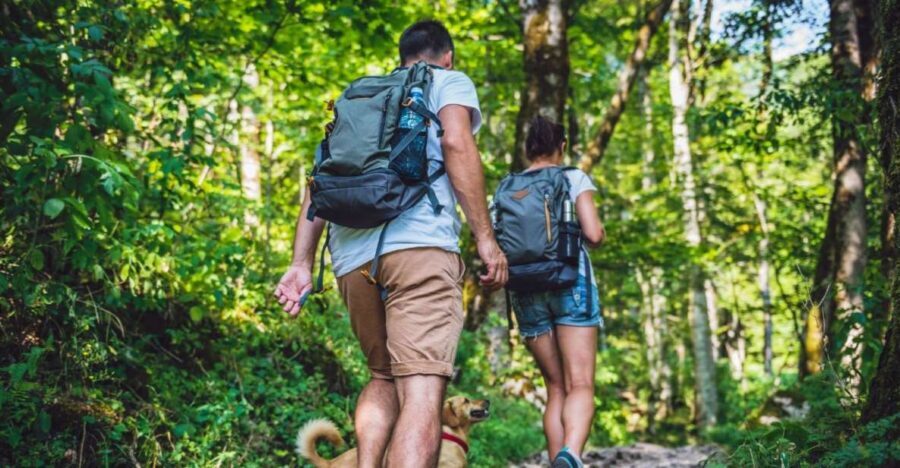
After the mangrove portion, you switch to land. This includes a hike through Los Haitises Rain Forest areas connected to the cave visits. In one account, the hike was in a less-touristy area, which is exactly what you want here: fewer crowds and more of that real jungle vibe.
But let’s not romanticize it. This is a rainforest hike, and the ground can be slippery. Some sections can feel steep, with spots that require you to grab on for balance. Translation: good grip matters more than fashion.
Wear:
- Shoes with solid tread (seriously)
- Clothes that can handle mud and damp
- A light layer in case the cave air feels cooler
Also, keep your pace steady. Short stops to listen to the guide and look around help more than rushing. If you treat the hike like a workout, you’ll lose the best part: the guided explanations and the wildlife-watching cues.
One nice upside: the overall flow gives you time to reset between water, hike, and caves. You’re not doing one long grind without breaks.
Wildlife odds on the water: manatees, dolphins, and critters
Wildlife in Los Haitises isn’t guaranteed, but the tour design makes spotting more possible. From the water, the tour route encourages you to look for:
- Manatees
- Crustaceans
- Dolphins
You’re also likely to see birds, especially around mangroves and bay edges. If you’ve never watched mangroves like this, it’s a good lesson in patience. The water motion is gentle, and you’re not staring at open ocean for hours. You can focus your attention on the mangrove lines and shallow bay areas where animals tend to surface.
If you’re lucky, you’ll catch wildlife during the cruise. If you’re not, you’ll still come away with a sense of place: this water isn’t empty. It’s active habitat.
A quick tip: if you want the best wildlife chances, keep your eyes up during boat cruising and resist the urge to keep scrolling your phone. The best sightings often take just a few seconds.
You can also read our reviews of more hiking tours in Sabana De La Mar
Cost, timing, and what you get for $70
At $70 per person, this tour sits in a price zone that’s fair for a national park day that combines transfer + guide + boat + cave visits. Importantly, transfer is included, and tips are included too, so you’re not constantly doing math in your head during the day.
What’s not included is equally important:
- Food and drinks
- Lunch (available for an extra cost)
So budget for lunch or snacks. If you forget, you’ll end up paying with energy instead of money—late-day hunger can hit hard, especially with a hike plus caves.
Duration is listed as 5–11 hours. That range tells you the experience can flex based on starting times and how the day runs. For best value, match the start time to your comfort with a long day. If you’ve got limited stamina, pick the shorter end.
One logistics consideration: in at least one experience, there was confusion around waiting at the harbor and later payment related to boat timing. That’s not something you want to deal with mid-day. My advice is simple: ask the guide or driver upfront how the boat timing works and whether any on-site payments are expected beyond what you booked. Clear answers save you stress later.
My realistic packing and day-of advice
This is a wet-feeling park day. Even if the sky is kind, you can expect damp ground and cave humidity.
Bring:
- Grippy shoes (your best investment)
- A light rain layer or poncho
- A small dry bag (for phone and camera)
- Sunscreen and a hat (you’re in the open during parts of the boat ride)
- Cash for lunch or extra purchases, since food isn’t included
During the day, listen closely when your guide explains how to move in slick spots. One reason people enjoy Los Haitises is that the guide keeps the experience flowing without feeling rushed.
If you’re traveling with a group, keep expectations aligned too. This is one of those tours where everyone will have a different comfort level with the hike and cave footing. Being respectful of the pace helps the whole group.
Should you book Los Haitises caves and mangroves?
If you want a real nature-and-culture day in Los Haitises National Park—boat through red mangroves, dramatic Mogotes views in Samaná Bay, and caves with Taino pictographs—this is a strong pick. It’s also a good value for the mix of guide-led rainforest walking plus cave time and water scenery, all for a set price.
Book it if:
- You’re comfortable with a hike that can be slippery and steep
- You don’t mind bringing your own lunch plan
- You like guided context, not just sightseeing
Skip or rethink if:
- You have limited mobility or you’re uneasy on uneven footing
- You need a very short, tightly timed outing
- You expect food and drinks to be included
Overall, Los Haitises delivers the kind of day where the scenery changes without feeling like a checklist. Just show up with grippy shoes, a flexible attitude about timing, and curiosity for the Taino stories inside the caves.
FAQ
What does this Los Haitises tour include?
It includes a local tour guide, transfer, and tips. The experience covers the boat ride through the mangroves and visits to the park’s caves and rainforest areas.
Is food and drinks included?
No. Food, drinks, and lunch are not included. Lunch is available for an extra cost.
How long is the tour?
The duration is listed as 5–11 hours, depending on the starting time and how the day runs.
What languages are the guides available in?
The live tour guide is available in English, Spanish, and French.
Where does the tour start?
The tour starts from Caño Hondo (Deep Creek) on a boat. The meeting point can vary depending on the option booked.
Can I cancel for a full refund?
Yes. You can cancel up to 24 hours in advance for a full refund.