REVIEW · BUGGY TOURS
Horses, Buggy, and plantation in Chocaci Ranch
Book on Viator →Operated by Wanne punta cana · Bookable on Viator
Chocaci Ranch turns a beach day into real life. This family-run stop in Punta Cana mixes horse and buggy time with hands-on plantation lessons. You’ll watch how coffee, cacao, and tobacco are grown and processed, then you’ll help with the fun parts like grinding cacao and rolling a cigar.
I especially like how personal it feels. You’re not just walking through a farm setup; you meet the people behind it, and the ranch supports local community efforts through its profits. I also love the small details that make it interactive, like tasting freshly made coffee and hot chocolate and taking part in the steps yourself.
One thing to keep in mind: animal-based activities can be hit-or-miss. A previous visitor reported that some horses looked tired, and another mentioned trash at a beach stop. If animal care matters a lot to you, watch the horses’ condition at check-in and keep your expectations flexible.
In This Review
- Key highlights to know before you go
- Getting picked up with WiFi and a plan for the day
- Rancho Chocaci welcome: coffee, cacao, tobacco in one story
- The hands-on chocolate moment: grinding cacao and making it real
- Coffee time: from plantation steps to a strong cup
- Rolling your own tobacco: a fun skill with real payoff
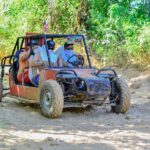
- Horses and buggy rides: the “adventure” part of the day
- Rescued pets and community care: why this ranch feels different
- Guides who make the steps click: Aaron, Michel, Chris, Miguel
- Price and value: $115 per group for two can be a fair deal
- Timing and comfort: plan for heat, photos, and a fast return
- The one downside to watch for: animals, cleanliness, and souvenir spending
- Who should book this tour
- Should you book Horses, Buggy, and plantation at Chocaci Ranch?
- FAQ
- How long is the Horses, Buggy, and plantation experience?
- How much does it cost, and is it per person?
- Does the tour include pickup and a mobile ticket?
- What’s included in the price?
- Are meals included?
- Is there a time limit for free cancellation?
Key highlights to know before you go
- A family-run plantation lesson focused on coffee, cacao, and tobacco from scratch
- Hands-on food moments: grinding cacao, making chocolate, and tasting coffee/hot chocolate
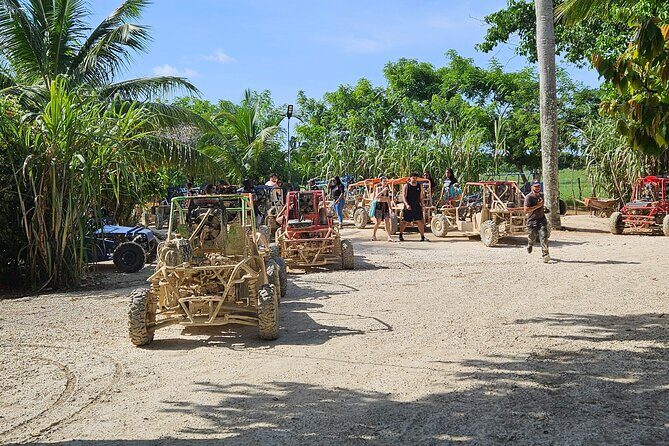
- Horse and buggy experience that adds movement beyond a basic farm tour
- Rescued pets on-site with a community-minded vibe
- Small-group feel (maximum 20 travelers) and a tight ~2-hour time window
Getting picked up with WiFi and a plan for the day
Your day starts with round-trip pickup, and that matters in Punta Cana. Door-to-door transportation means less time figuring out routes, and more time getting to the ranch while you still feel fresh.
You’ll travel by air-conditioned vehicle, and there’s WiFi on board. It’s a small perk, but helpful if you’re coordinating phones, maps, or keeping track of time. You’ll also get a mobile ticket, so have your phone charged.
This tour is built around a simple rhythm: arrive, learn, taste, and make. With an approximate 2-hour duration, it’s a good add-on even if your main plan is beach and resort time. Just don’t schedule a late dinner right after; you’ll probably want a buffer so you can shower, cool down, and digest the strong coffee.
You can also read our reviews of more tours and experiences in Punta Cana
Rancho Chocaci welcome: coffee, cacao, tobacco in one story
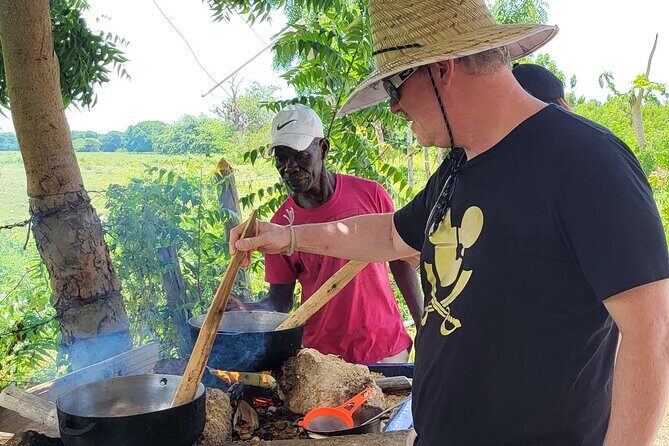
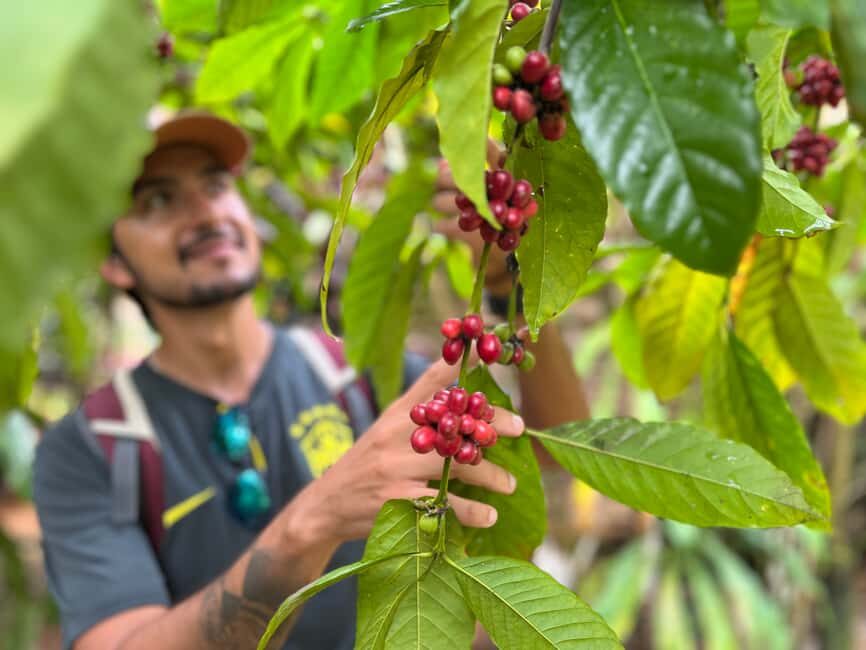
The first stop is your introduction to Rancho Chocaci, a working plantation where coffee, cacao, and tobacco aren’t just “topics.” They’re the products they grow and process, and the family shares the steps from start to finish.
This is where you’ll get the cultural context, too. The ranch is family-run, and community members visit and help support the operation. You’ll see how everyday agriculture links to local life, not just tourist entertainment.
It also helps that the ranch is set up for interaction. Pets are part of the atmosphere, and the tour notes that cats, dogs, pigeons, and others are welcome. That doesn’t mean you’ll be swarmed, but it does mean the farm feels alive. Bring the right mindset: you’re stepping into a working place, not a staged set.
If you’re hoping for purely passive sightseeing, this isn’t that. The tour is designed so you can participate, ask questions, and taste what you’re learning. You’ll get a guide and coffee or tea as part of the experience.
The hands-on chocolate moment: grinding cacao and making it real
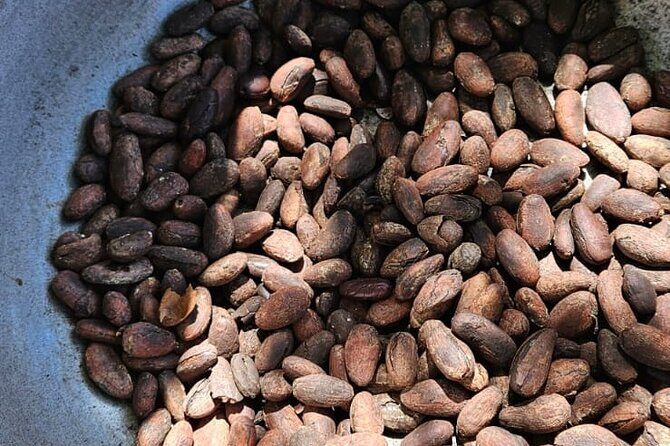
One of the best parts is the chocolate section. You’ll take the same cacao and move through the steps that turn beans into something you can taste. For me, the magic is the transformation: you go from raw plant product to a small, edible payoff in the same tour window.
Practically, expect you’ll handle parts of the process rather than just watch. The experience includes making chocolate after cacao is peeled and ground. That means you’re not stuck behind a fence while everyone else does the fun work.
This is also where you’ll learn why cacao processing matters. Small changes in grinding and preparation can affect flavor, texture, and how it smells when it’s fresh. Even if you don’t care about “food science,” you’ll feel the difference when the cacao becomes chocolate you can taste on-site.
And if you’re someone who loves foodie souvenirs, this is the section that makes it easiest to justify them. You’ll know what you’re buying, because you made part of it.
Coffee time: from plantation steps to a strong cup
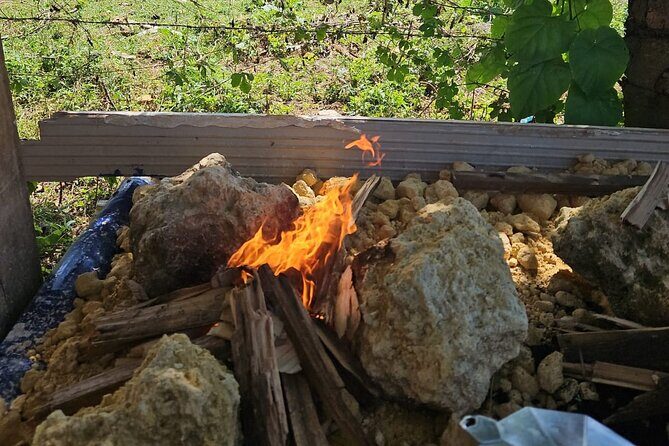
Coffee is the other big payoff. You’ll see the process and then taste it, and the tour is structured so you don’t just get a sip and move on. The coffee portion mirrors the cacao segment, with a “from scratch” flow so you understand what’s happening.
A lot of visitors light up during this part because it’s both educational and practical. You’ll learn how the beans become coffee, and you’ll get to taste fresh coffee and coffee and/or tea as included drinks.
If you’re picky about coffee, this is a good test-drive. Coffee made right from the process you watched often hits different than what you get at a café that’s miles and steps away. You’ll likely leave with strong opinions about sweetness and how you like yours.
Also, this is where it helps that the tour length stays tight. You won’t be wandering for hours. You’ll get a sequence, a demo, a taste, and then the next station—ending with tobacco rolling.
Rolling your own tobacco: a fun skill with real payoff
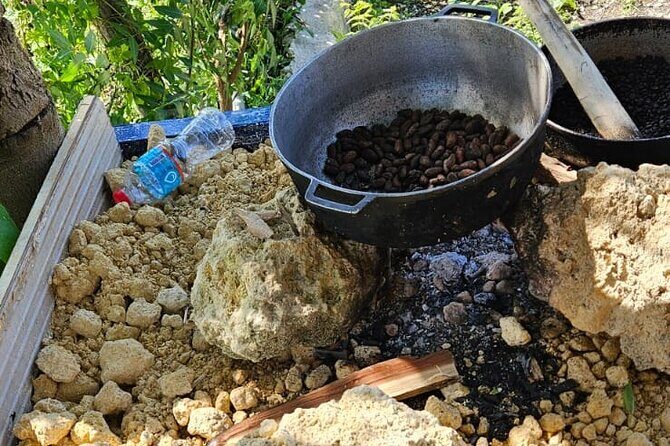
Tobacco is the final creative step, and it’s the one that feels most like you’re doing something with your hands. You’ll learn how to roll a cigar using the tobacco from the plantation process you just learned about.
A big value here is that it’s not only about watching. You’ll get instruction and help, and the goal is that you end up with something you made. Several guides at Chocaci are known for making the experience easy to follow, including Chris (who’s also mentioned as a photographer) and Aaron (who gets praise for explanations).
If you don’t smoke, it can still be a memorable souvenir. It’s more of a craft than a health product, and the real win is the story behind the steps. You’ll understand the effort that goes into it, not just the final product.


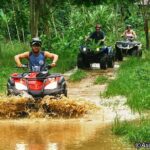



Horses and buggy rides: the “adventure” part of the day
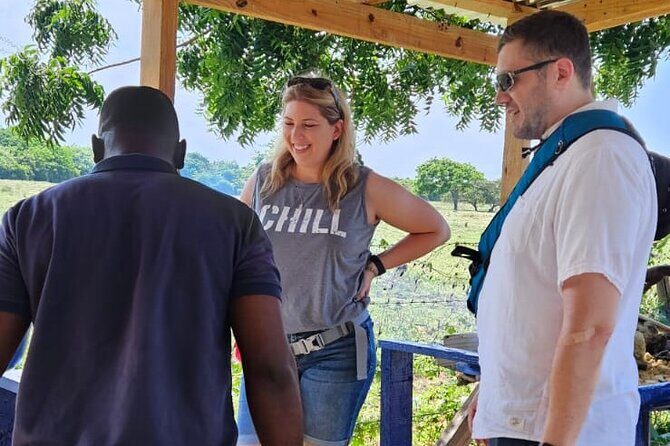
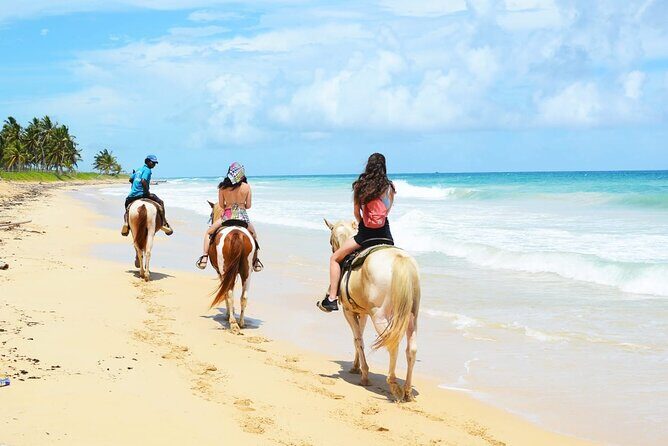
The tour name says horses and buggy, and that adventure energy shows up in the experience flow. People do horse time, and at least some schedules include a ride all the way out toward a beach area.
It’s a good reminder that this isn’t only a classroom tour. You’ll move around, feel the heat and breeze more than you would in a purely indoor food demo, and get that ranch-meets-daytrip feeling.
That said, horse-related activities deserve your attention. One visitor reported concern about horse condition, so if you’re going, look closely at the horses you’ll ride. If something feels off to you, don’t ignore it. Ask the staff what’s going on and decide with care. You don’t have to be tough; you just have to be observant.
If you’re comfortable riding, the horses add a fun step between stations. If you’re not, you may still find the rest of the plantation and food-making parts very worthwhile.
Rescued pets and community care: why this ranch feels different
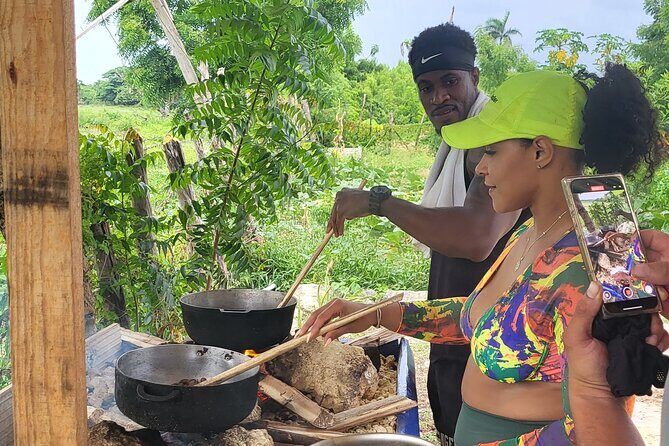
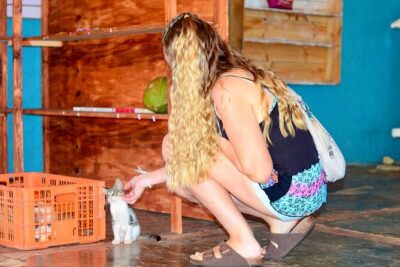
Chocaci Ranch isn’t framed as a pristine zoo. It’s framed as a working family property with rescued animals. The tour encourages you to bring milk or food if you have it, which tells you they care about feeding and supporting animals on-site.
The best part of this is the mindset. When a tour makes room for rescued cats, dogs, and other animals, it changes the tone. The place feels more like a home base than a factory tour. You’re also getting a sense that the plantation supports local families, since community members visit and the profits help keep the operation going.
One practical tip: if you want to bring milk or food, don’t overdo it. Bring what the ranch suggests you can bring, keep it simple, and follow staff guidance.
Guides who make the steps click: Aaron, Michel, Chris, Miguel
Guides can make or break a short tour. Here, several names come up again and again, and that matters.
- Aaron is repeatedly praised for friendly teaching and for knowing both plantation details and the neighborhood/community side of the experience.
- Michel is noted for making the coffee and hot chocolate, and for working hard with a welcoming attitude.
- Chris is mentioned not only for instruction but also for photography, which is helpful if you want someone to show you good angles while you’re learning.
- Miguel is called out in connection with horseback guidance, including being gentle with first-timers.
If you get one of these guides, you’re likely in good hands. Even when the activity is hands-on, the explanation is what helps it stick. And with food and agriculture, small language barriers can leave you guessing. These guides seem to close that gap.
Price and value: $115 per group for two can be a fair deal
The price is $115 per group (up to 2), and that’s where the value math gets interesting. Many Punta Cana excursions charge per person. Here, it’s per group up to two, which can work nicely for couples.
What you get for that price is more than a quick look at crops. You get:
- pickup and transport in an air-conditioned vehicle
- a guide
- WiFi on board
- coffee and/or tea
- hands-on cacao and chocolate prep
- coffee tasting
- cigar rolling
- and a horse/buggy ranch element depending on the day’s flow
Meals are not included, so plan for that. If your main meal will be after the tour, you may want an early lunch or a light snack before you go, especially if strong coffee and hot chocolate make you feel snackier or jittery.
Also note the small cap: maximum 20 travelers. You won’t be one of hundreds drifting between stations. That usually means more time for questions and better attention during the hands-on parts.
Timing and comfort: plan for heat, photos, and a fast return
This is an about-2-hour experience, so you won’t have the luxury of moving slow. Expect a schedule that moves from stop to stop with tasting and making happening in sequence.
Bring water. The tour includes coffee or tea, but it won’t replace your water bottle. Wear shoes that handle uneven ground, because plantations aren’t usually flat, polished walkways.
If you’re into photos, the ranch setting is photogenic, and the guidance from staff can help. Still, don’t only rely on selfies. Let someone show you where to stand while you’re doing the process.
The one downside to watch for: animals, cleanliness, and souvenir spending
I’m all for doing experiences that include animals, learning, and community farms. But I also respect that not every stop is perfect.
Two issues came up in prior feedback: some people were concerned about horse care, and someone flagged trash at a beach area stop. The lesson for you is simple: take two seconds to observe. If the horses look neglected or the environment looks messy, decide accordingly on the spot.
There’s also a practical money note. A gift shop exists, and one visitor felt prices were high. That doesn’t mean you shouldn’t buy anything. It just means you should budget and avoid surprise sticker shock.
Who should book this tour
You’ll likely love Chocaci Ranch if you:
- want something beyond resort life without doing a full-day tour
- enjoy food experiences that include hands-on steps
- like small-group settings with real people
- want a cultural, community-minded farm stop in a short time
It may be less ideal if:
- you strongly dislike animal-based activities
- you want a purely scenic or beach-only excursion
- you don’t want any risk of uneven conditions in a working ranch setting
Should you book Horses, Buggy, and plantation at Chocaci Ranch?
Yes, I think this is worth booking for most visitors—especially couples. The reason is the mix: you get plantation learning plus a making-and-tasting experience, wrapped into a compact ~2-hour format with pickup included.
The value is strongest if you’re paying for two and want real activities: grinding cacao, tasting coffee, and rolling a cigar. It’s also a good choice if you want a grounded look at Dominican life that’s tied to community work.
Just do one smart thing before you commit your trust to the horses: watch them first. If you’re comfortable, ride and enjoy. If something feels wrong, speak up or skip that portion. For a short, memorable day in Punta Cana, Chocaci Ranch has a lot going for it.
FAQ
How long is the Horses, Buggy, and plantation experience?
The tour runs about 2 hours.
How much does it cost, and is it per person?
It costs $115.00 per group (up to 2).
Does the tour include pickup and a mobile ticket?
Yes. Round-trip pickups are included, and you’ll receive a mobile ticket.
What’s included in the price?
The included items are WiFi on board, an air-conditioned vehicle, a guide, and coffee and/or tea.
Are meals included?
No. Meals are not included.
Is there a time limit for free cancellation?
Yes. You can cancel for a full refund up to 24 hours in advance of the experience start time.