REVIEW · SANTO DOMINGO DAY TRIPS
Full day tour to Santo Domingo from Punta Cana
Book on Viator →Operated by Shelting Tours · Bookable on Viator
A long morning, then history on repeat. I like how this trip stitches together the Zona Colonial on foot and the Los Tres Ojos cave experience in one day. One watch-out: the pickup in Punta Cana can be a little chaotic, especially if your driver can’t get right to your hotel gate.
This is a group tour that starts at 7:00 am and usually runs about 8 hours on the clock, but plan on closer to 10 hours total with snacks. Most of the listed stops have free admission time built in, so your money goes toward transportation and guide time rather than ticket fees.
You’ll get a guided run through the city’s big landmarks, plus time for meals; one lunch stop at a local restaurant was specifically praised for being genuinely good. The day is packed, so you’ll want to be comfortable with a quick pace and short photo breaks.
In This Review
- Key things to know before you go
- Punta Cana to Santo Domingo: an early start that pays off
- How the tour schedule keeps moving (and what that means for you)
- Zona Colonial: walking through the oldest European settlement nucleus
- Columbus Lighthouse (Faro a Colón): a monument with museum time
- Alcázar de Colón and Santa Maria la Menor: power and faith side by side
- Calle El Conde: the old street you can actually feel
- Monasterio de San Francisco and Fortaleza Ozama: ruins that explain the city’s edges
- Los Tres Ojos National Park: caves, three lakes, and a break from crowds
- Price and value: is $115 a fair deal?
- Pickup reality in Punta Cana (and how to handle it calmly)
- Language and guiding: history works best when you can follow it
- Who this tour suits best
- Should you book the Santo Domingo day trip?
- FAQ
- What time does the tour start?
- How long is the full day tour?
- Does the tour include pickup from my accommodation in Punta Cana?
- How do I find out my exact pickup time?
- Are admission tickets included for the stops?
- Are snacks included during the tour?
- Is lunch included?
- Can infants ride with car seats?
- Is the tour fully in English?
- What happens if weather is bad?
- What is the group size limit?
Key things to know before you go
- A “big-sights” day, not a slow stroll: many stops run about 45 minutes each, so bring stamina for quick look-and-learn.
- Free admission is built into the schedule at the major sights listed for the tour.
- Los Tres Ojos is the standout nature detour with freshwater lakes inside the caves.
- Pickup can require a meet-up if your exact hotel entrance is difficult for the driver.
- English quality can vary depending on the guide and group mix, so it’s worth checking in advance.
Punta Cana to Santo Domingo: an early start that pays off
Santo Domingo is the Dominican Republic’s oldest major city, and this tour treats it like a highlight reel. You start with hotel pickup from Punta Cana and then head into the city with a guide giving context along the way—history, culture, and architecture, not just “here’s a building, take a photo.”
The timing is early. You meet at 7:00 am, and you should plan the whole day around that departure. Even if the driving and sightseeing time comes in around 8 hours, the day stretches to roughly 10 hours total, with snacks included to help you avoid the classic mid-trip meltdown.
Value-wise, the most important detail is where the $115 per person goes. You’re paying for door-to-door transportation, a guide, and access time at multiple major sites—many with free admission. That’s a strong deal if you’d otherwise be figuring out a one-day plan on your own across a big city.
You can also read our reviews of more tours and experiences in Punta Cana

How the tour schedule keeps moving (and what that means for you)
This is a group day, with a maximum group size of 150. In practice, that number can mean everything from a large bus to a more manageable group depending on the departure. Either way, expect the rhythm to be: arrive, get the guide’s story, walk, quick explore, then move on.
Most stops are set for around 45 minutes, which sounds short until you realize the point is volume and variety. You’ll see major colonial-era landmarks, a cathedral, a famous street, a park with caves, and historic ruins—without spending your entire day in transit between them.
Here’s the drawback of a packed schedule: if conditions change, you might lose time at one stop. One person noted the trip was shortened due to light conditions, and they missed an additional planned viewpoint. So if you’re the type who wants to linger, bring patience—or choose a different style of tour.
Zona Colonial: walking through the oldest European settlement nucleus
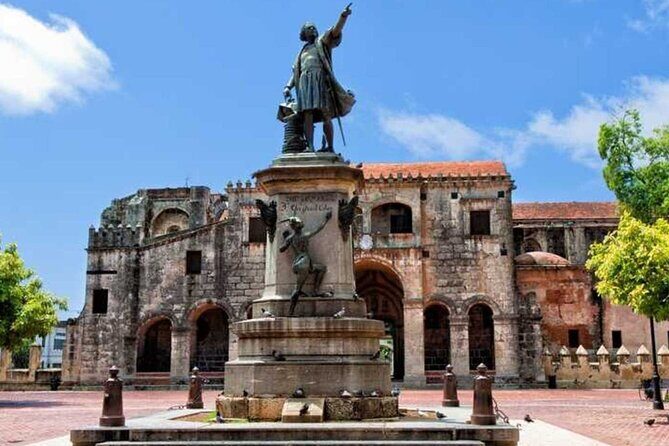
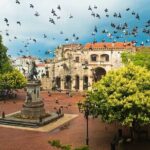
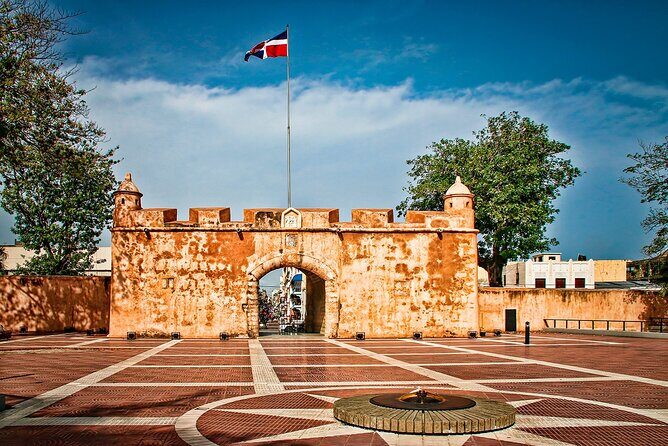
Your day begins in the Zona Colonial, the city’s historic core. This area is described as the oldest urban nucleus of Santo Domingo and the first permanent European settlement in America, founded in 1502 by Spanish colonizers. That’s not a throwaway fact. It explains why the buildings, streets, and monuments feel like they belong to a single story—one that’s been retold for centuries.
You get a solid block of time (about 45 minutes) to look around at street level. This is where the tour format shines because you’re not just watching a screen—you’re moving through the city’s physical footprint. It’s also where quick orientation helps. The guide’s explanations give you names, dates, and the “why” behind the walls, so your photos end up being more than souvenir proof.
The only practical note: because it’s a walking-and-stops style segment, wear comfortable shoes and plan for quick pacing. This is also a good time to ask your guide where to look for details on façades or doorways, because you won’t have time to “slow wander” later.
Columbus Lighthouse (Faro a Colón): a monument with museum time
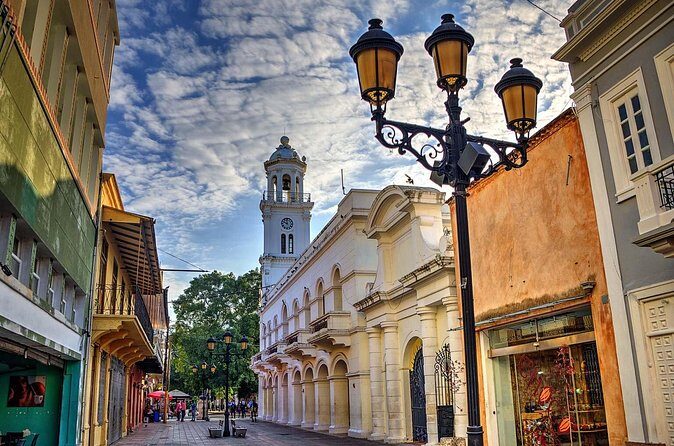
Next up is the Columbus Lighthouse (Faro a Colón), a Dominican monument and museum built to honor Christopher Columbus. The tour gives you another focused 45-minute visit, which is the right length for museums when you want the highlights without getting stuck in the weeds.
What I like about including this stop is that it’s not only a landmark you can see from outside. A museum visit adds the context that makes the building meaningful. Even if you skim, you still come away with a clearer idea of how the site fits into national storytelling about the New World.
If you’re deciding whether this is “worth your time,” the answer is yes for most people going on a one-day plan. A lighthouse-museum is a different angle than churches and ruins, and it breaks up the day before you move deeper into colonial streets again.
Alcázar de Colón and Santa Maria la Menor: power and faith side by side
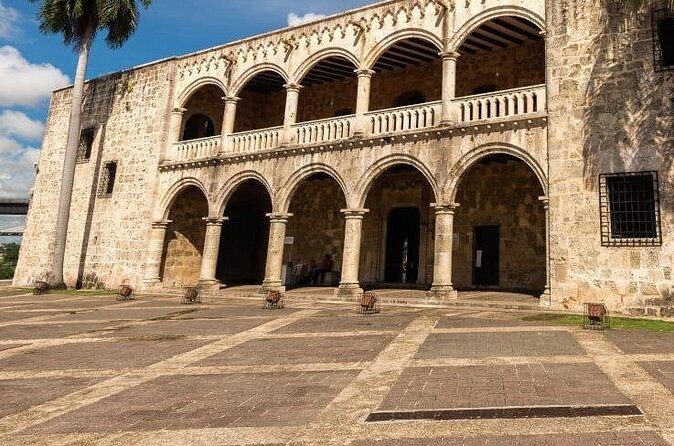
Two of the most important sites in the Colonial Zone are scheduled close together.
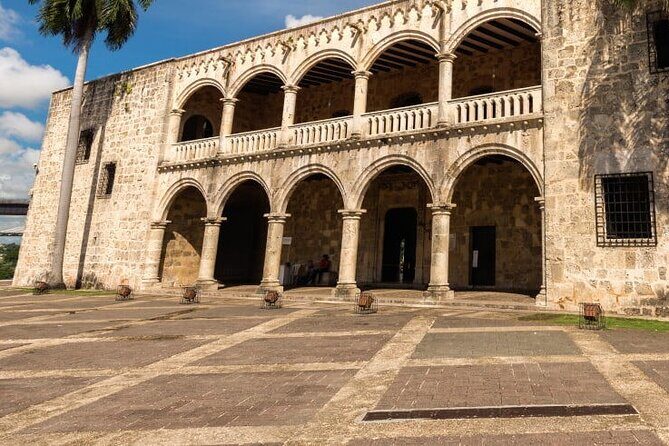
First is Alcázar de Colón, also known as the Viceregal Palace of Don Diego Colón. The tour places it in the Plaza de España area, built on a site near the cliffs. This is one of those stops where the guide can really help. You’re looking at a structure that represents authority—who lived there, who controlled the story, and why the palace layout matters.
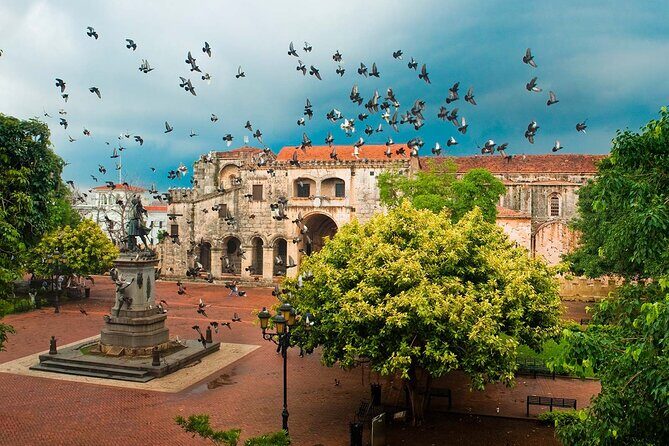
Then comes Basilica Cathedral of Santa Maria la Menor, also known as Catedral Primada de América / Cathedral of Santo Domingo. This stop is dedicated to Santa María de la Encarnación and is described as a cathedral and minor basilica. The emotional impact of cathedrals is hard to measure on a schedule, but the value here is the connection between architecture and the city’s role as a colonial-era hub.
Because you only get about 45 minutes at each site, you’ll want to pick what matters most to you:
- If you love architecture and symbolism, spend your time looking up and reading the guide’s points.
- If you’re into atmosphere, focus on a slower moment inside, then step out for photos.
Either way, this block of the tour is where you’ll feel the “old city” most strongly.



Calle El Conde: the old street you can actually feel
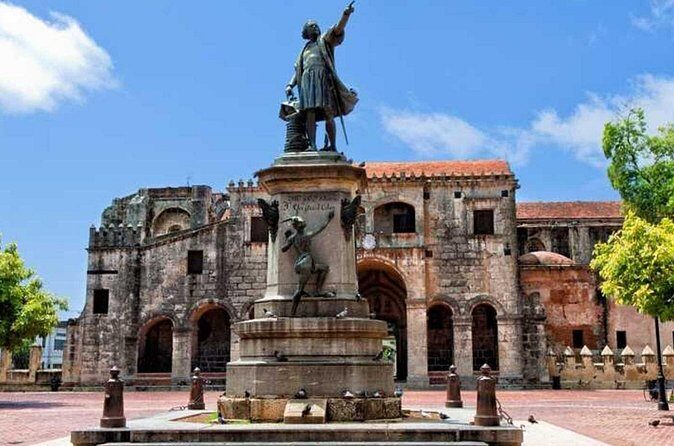
After the major buildings, the tour moves to Calle El Conde, an old street in the Colonial City. It was once one of Santo Domingo’s main streets and is named after the Count of Peñalva.
A street stop is more than a breather. It’s where the city stops being a collection of monuments and starts behaving like a real place with movement and rhythm. Even with only about 45 minutes, you can get a sense of the pedestrian scale and the way storefronts and architecture blend.
Tip for getting more out of this stop: if your guide offers background about why the street mattered, use that as a mental map. Then when you photograph, look for the elements your guide mentioned—street corners, façade details, and sight lines.
Monasterio de San Francisco and Fortaleza Ozama: ruins that explain the city’s edges
Two final historic stops in the Colonial Zone complete the “big picture” view.
The Monasterio de San Francisco is one of the Dominican Republic’s important ruins, located in the Colonial City and declared a World Heritage Site. This is the kind of stop that rewards attention. Even in a short time, you can understand how monasteries functioned in the colonial era and how those spaces shaped daily life.
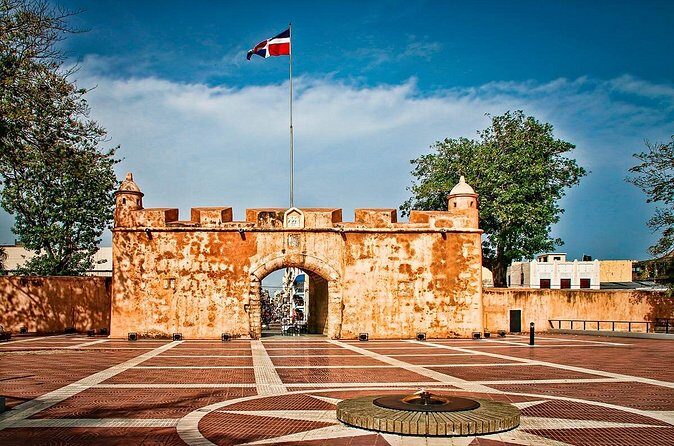
Next is Fortaleza Ozama, also called the Ozama Fortress. The tour describes it as built by the Spanish during colonial times and as a historical cultural monument in the Colonial City. A fortress stop can feel purely visual unless the guide connects it to strategy and geography—so lean in when your guide explains why this location mattered.
This is also a great part of the day for final photos. You’ve seen the formal centers (cathedral, palace, lighthouse), and now you’re seeing the city’s defense and its fringes. It rounds out the story in a way that a single “top 10” sightseeing list can’t.
Los Tres Ojos National Park: caves, three lakes, and a break from crowds
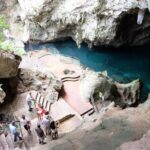
If I had to pick a nature highlight, it’s Los Tres Ojos National Park. The tour describes a cavern with a freshwater lake, naturally divided into three lakes that can be seen from inside, plus a single lake view you can see without going inside.
This stop works because it changes the pace and the scenery. After hours of stone, churches, and colonial street scenes, the cave environment adds a different kind of wonder—cooler air, darker corridors, and a sense of scale that’s hard to get from photos alone.
You’ll get around 45 minutes here. That’s enough to see the key features and still feel like you had a real outing, not just a quick walk-by.
One practical note: caves can mean uneven walking and steps. Comfortable shoes matter even if the rest of your day feels easy.
Price and value: is $115 a fair deal?
At $115 per person, the value is best when you’d otherwise spend time and effort trying to line up transportation plus city sites on your own. This tour bundles:
- hotel pickup and drop-off
- a guide for history and architecture context
- multiple major sights in one day
- snacks
- free admission for the listed stops
That last point is quietly important. When admission fees stack up, a tour can start looking expensive. Here, the schedule includes free admission tickets at the stops you’ll be visiting.
One caution on value: the day is tight, and pickup issues can affect your mood before you even start sightseeing. If you’re the type who wants everything to be smooth and simple, you’ll want to confirm pickup details carefully and be ready to meet your group if your hotel gate is a problem.
Pickup reality in Punta Cana (and how to handle it calmly)
Pickup is where this experience can make or break your morning.
The tour offers pickup and asks you to share your hotel information so you can be contacted with the exact pickup time. That’s good. But some people reported that the driver wouldn’t enter the hotel area due to gate restrictions, so they met the bus on the side of the road instead. Others reported a more serious issue: being asked for more money for pickup if they were not in the right part of Punta Cana.
So here’s my practical advice:
- Confirm your pickup instructions in writing before the morning.
- Be ready for a meet point that may not be directly at your hotel door.
- Stay flexible if your driver can’t access certain entrances.
If you do this, the rest of the day tends to go much better—and the sightseeing is where the payoff is.
Language and guiding: history works best when you can follow it
Guides here explain history, culture, and architecture. That said, the language experience can vary.
Some people noted the tour was not fully in English. Others said their guide used both languages, but time still leaned more toward Spanish depending on the group. There were also positive notes about specific guides, including Nicholas and Miguel, being excellent.
If language matters to you, do two things:
- Ask at booking whether the guide will provide English all day.
- If your group is mixed, expect that the guide may split attention.
Even if the guide isn’t fully in English, having an organized route with stop-by-stop context still helps you understand what you’re seeing.
Who this tour suits best
This Santo Domingo day trip from Punta Cana is a smart pick if you:
- want a one-day hit list of colonial landmarks and must-sees
- like guided context more than wandering alone
- enjoy mixing city monuments with a nature stop like Los Tres Ojos
It’s less ideal if you:
- hate early mornings and long days
- want lots of free time at each site
- need strict language support for every minute
Also, if you’re traveling with kids, note that infants must sit on laps and car seats are not available. That’s important for comfort and planning.
Should you book the Santo Domingo day trip?
I’d book this if your main goal is to see major Santo Domingo highlights in one day with transportation handled for you. The route makes sense: you start in the Colonial Zone, add the Columbus Lighthouse, then balance big monuments with cave nature at Los Tres Ojos, and finish with fortress and monastery ruins that show the city’s older edges.
Don’t book it blindly if you’re very sensitive to pickup confusion or you need consistent English narration. In those cases, confirm pickup details early and check language expectations. When that part goes smoothly, the rest of the day tends to feel rewarding—especially with the guide-led explanations and the praised lunch break.
If you want to make it worth your time, go prepared: comfortable shoes, a light layer (caves can feel cooler), and a mindset that this is a sprint through the classics, not a slow study.
FAQ
What time does the tour start?
The start time is 7:00 am.
How long is the full day tour?
It runs about 8 hours, but the whole day is around 10 hours total.
Does the tour include pickup from my accommodation in Punta Cana?
Yes. Pickup is offered, and the tour also returns you to your accommodation area.
How do I find out my exact pickup time?
You share your hotel info when booking, and you’re contacted with the exact pickup time.
Are admission tickets included for the stops?
The stops listed in the schedule show free admission tickets.
Are snacks included during the tour?
Yes, snacks are included during the day.
Is lunch included?
The tour includes a meal stop during the day, and the lunch at a local restaurant has been praised in accounts of the experience.
Can infants ride with car seats?
No. Infants must sit on laps, and car seats are not available.
Is the tour fully in English?
Not always. Some departures may include Spanish with English, and some people found it was not fully in English.
What happens if weather is bad?
If the tour is canceled due to poor weather, you’ll be offered a different date or a full refund.
What is the group size limit?
The tour has a maximum of 150 travelers.