REVIEW · BAVARO BEACH TOURS
From Bavaro: Santo Domingo Colonial City Tour
Book on GetYourGuide →Operated by Tours Republica · Bookable on GetYourGuide
Santo Domingo feels like a time machine. This 10-hour tour pairs Santo Domingo’s Colonial Zone with the surreal underground caves and lagoons of 3 Eyes National Park, all guided by a professional who explains why this place mattered so much. You’ll ride in comfort from Bavaro, then spend your day walking through early Spanish America—cathedrals, palaces, and museum stops that connect the dots from the 1500s onward.
Two things I like a lot: the mix of major landmarks (including the Alcázar de Colón and the Columbus Lighthouse) and the structured museum time with entrance fees handled. One thing to keep in mind: it’s a long day with a moderate walk, and depending on the group pace you may feel like you’re moving through highlights rather than lingering.
In This Review
- Key things to know before you go
- Leaving Bavaro: comfort, timing, and that moderate walking reality
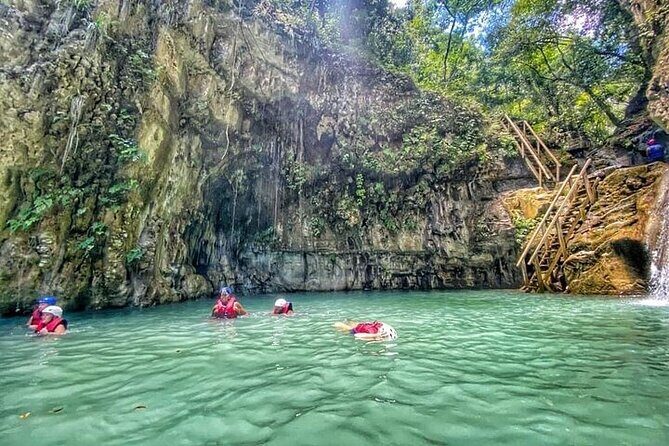
- 3 Eyes National Park: underground caves and lagoons in one stop
- UNESCO Colonial Zone: walking through the first permanent European settlement
- Cathedral, early government sites, and power centers you can still read
- Columbus Lighthouse: the monument and the story around the remains
- Museums and art stops: what to prioritize without getting lost
- Price and value: is $85 a good deal for a 10-hour history day?
- Group pace and guide quality: what to watch for
- Who this tour suits best (and who should think twice)
- Should you book Santo Domingo Colonial City Tour from Bavaro?
- FAQ
- How long is the Santo Domingo Colonial City Tour from Bavaro?
- Where is pickup included?
- What are the main sites included on the tour?
- Is lunch included in the price?
- What’s the walking like?
- What languages are available for the guide?
- Is the Colonial Zone a UNESCO World Heritage Site?
Key things to know before you go
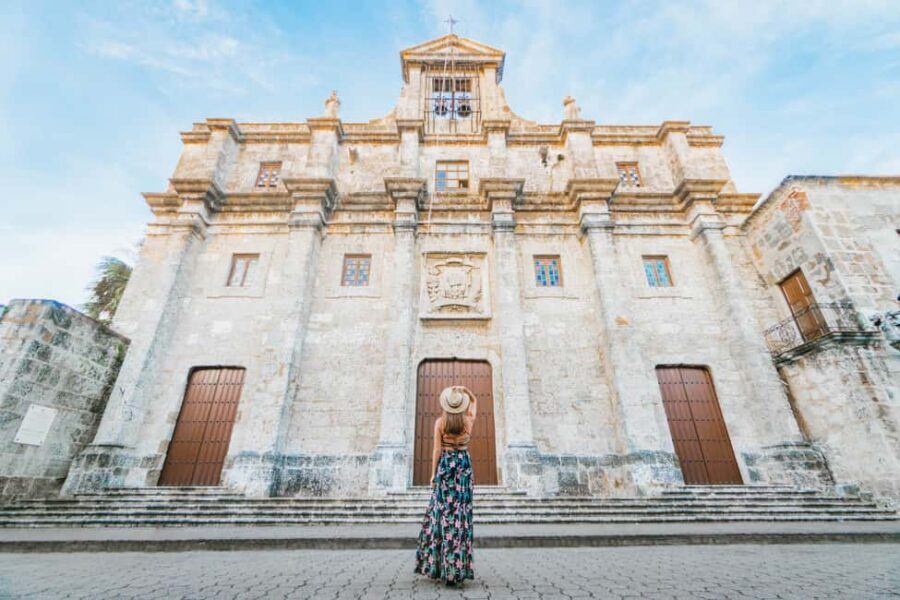
- UNESCO Colonial Zone access: walk the streets tied to the first permanent European settlement on the island.
- 3 Eyes National Park on the same day: trade city monuments for underground caves and lagoons linked to early Taino presence.
- Big-ticket landmarks included: you’ll see the cathedral area, Alcázar de Colón/Palacio Virreinal, and the Columbus Lighthouse.
- Museums with 16th-century and later art: you’re not limited to street sightseeing.
- Pickup from Bavaro: no hassle of finding transport across regions.
- A professional guide in your chosen language: the historical story is guided, not just signposted.
Leaving Bavaro: comfort, timing, and that moderate walking reality
This tour starts with hotel pickup in Bavaro, then you’re off in an air-conditioned bus toward Santo Domingo. The big advantage of the format is simple: you get transportation and context in one package, so you can focus on the sights instead of planning routes.
The day runs long—around 10 hours—and there’s a moderate amount of walking built in. That means comfortable shoes matter more than you’d think. Bring sunglasses, sunscreen, and a hat so the sun doesn’t bully you during outdoor portions of the route.
One practical tip: if you’re the type who wants frequent photo stops, plan to be flexible. This isn’t a slow “wander until you’re ready” kind of tour; it’s built around seeing major historic areas in one stretch.
You can also read our reviews of more city tours in Punta Cana

3 Eyes National Park: underground caves and lagoons in one stop
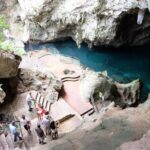
3 Eyes National Park is the early switch in tone: you trade big colonial buildings for a natural system of underground caves and lagoons. The setting is closely tied to the Taino, who originally inhabited the area, which adds a layer beyond just “pretty scenery.”
What makes this stop interesting is the contrast. Santo Domingo’s story is about European arrival and power centers. Then you step into a place that recalls earlier life on the island—water, cave shadows, and a landscape that feels physically different from the city you’re headed to.
Because the tour is run as a day program, you should expect a controlled pace here too. Wear shoes you trust on uneven or damp surfaces, and keep your camera ready but not frantic. With caves and water, you’ll often get better photos if you let your eyes adjust first rather than snapping everything at once.
UNESCO Colonial Zone: walking through the first permanent European settlement
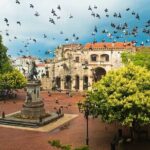
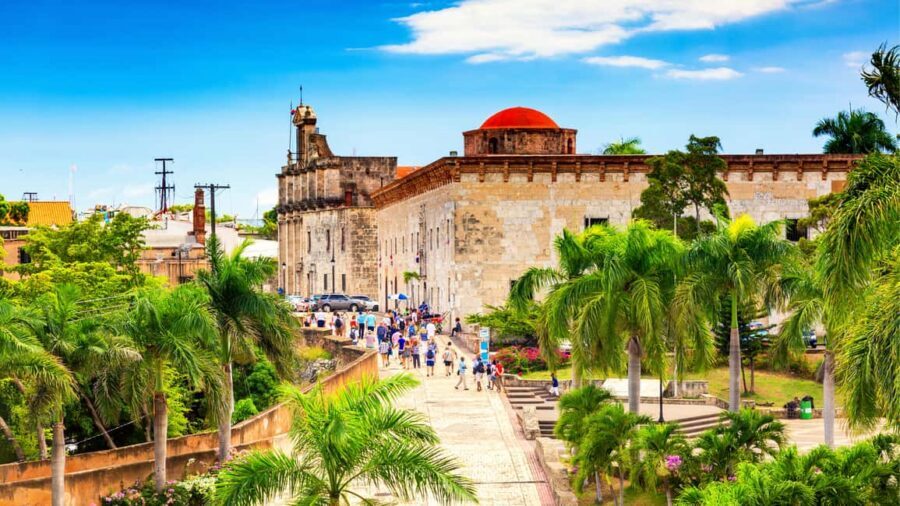
The heart of the day is the Colonial Zone, which is recognized as a UNESCO World Heritage Site. This is where the island’s European story becomes permanent: the settlement was founded in 1502 by Spanish colonizers.
I love how the tour frames the streets as evidence. Places like the Colonial Zone aren’t just backdrops; they’re proof—stone, layout, and surviving structures that show how settlers organized religion, government, and daily life. Even if you’re not a deep-history person, the guide’s timeline approach makes it easier to follow.
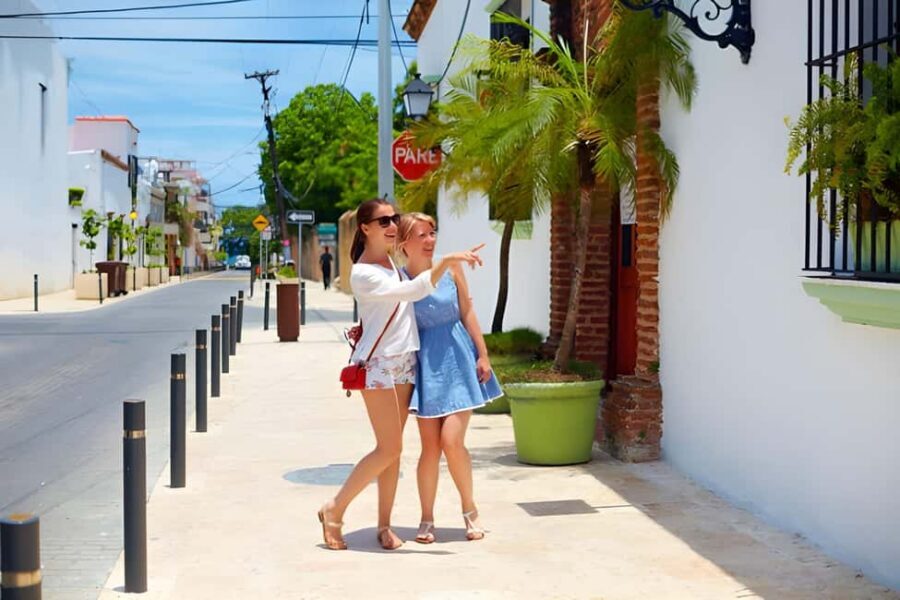
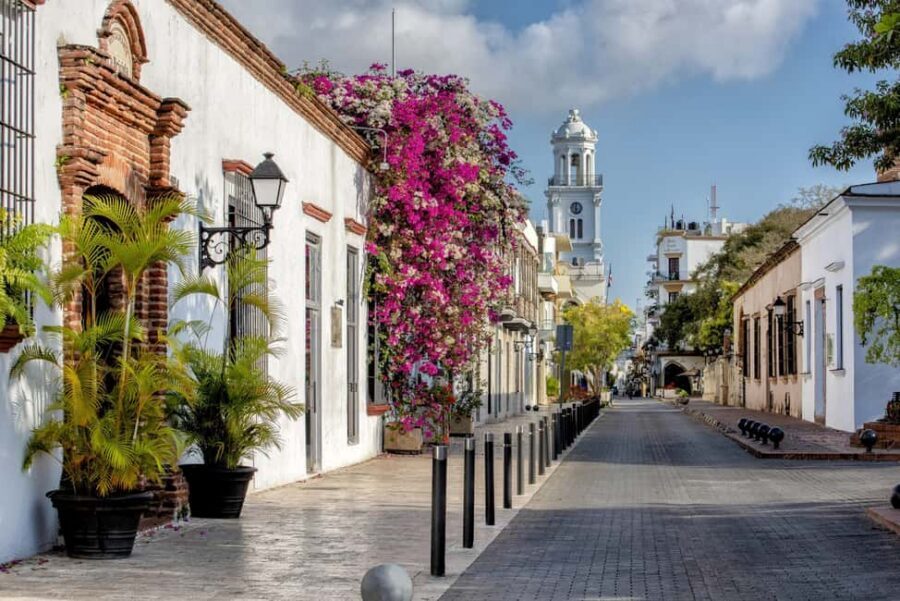
A standout stop is La Calle Las Damas, described as the first street on the island. That matters because a “first street” isn’t just a trivia fact. It helps you understand how the city organized movement and meaning, then how that plan echoes into what you see today.
You’ll also get panoramic viewpoints tied to major civic landmarks, which is useful because it gives you a mental map. After that, the walking sections feel clearer—you’re not only seeing buildings, you’re learning how they relate to each other.
Cathedral, early government sites, and power centers you can still read
Santo Domingo’s colonial buildings are the kind you can look at for years and still spot new layers. The tour points you toward some of the earliest Spanish institutions in the Americas: the first cathedral, the first hospital, and the first headquarters of the Spanish colonial government.
Those three themes are a strong way to understand colonization beyond dates. A cathedral signals religious authority. A hospital hints at the colonial systems and needs that arrived with settlement. The government headquarters shows control—who made decisions and how the new order was enforced.
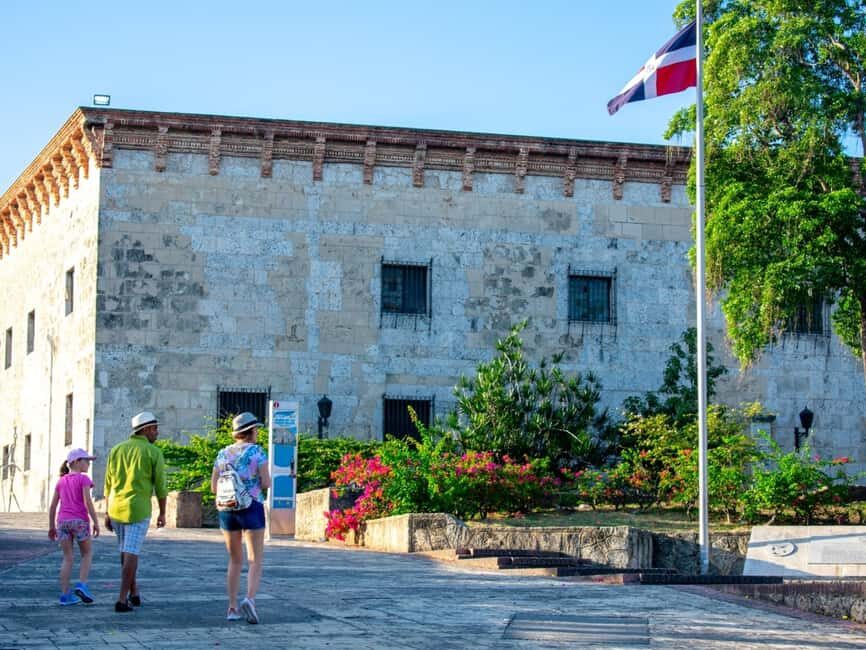
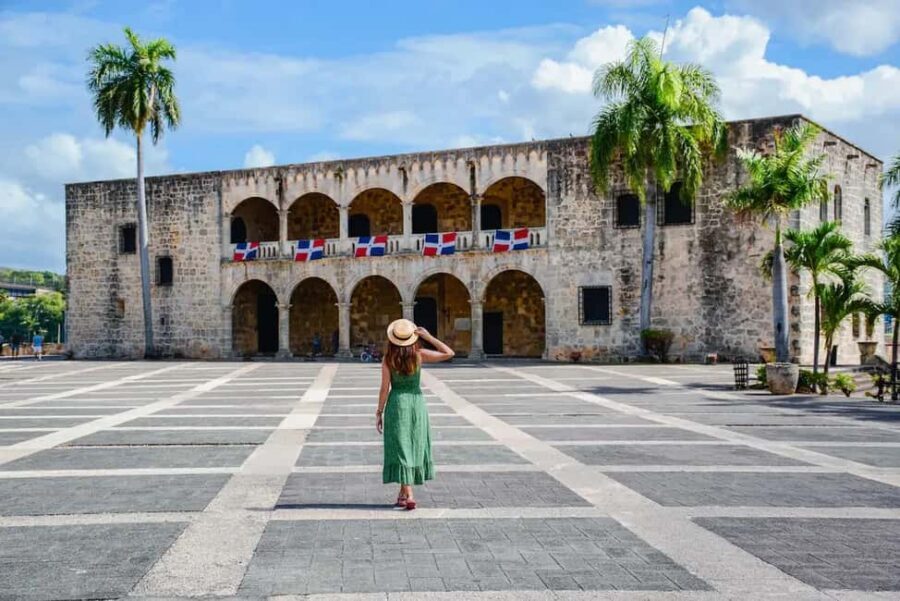
You’ll also visit important residences and palaces tied to colonial leadership. Two key names on your route are the Alcázar de Colón and the Palacio Virreinal de Don Diego. Even without heavy architectural jargon, these stops are worth it because they’re tangible proof that this settlement wasn’t temporary.
One more thing I appreciate: the tour doesn’t treat the city as one-note architecture. By pairing civic sites, religious spaces, and residential palaces, you get a fuller picture of how Spanish life was structured after 1500.
Columbus Lighthouse: the monument and the story around the remains
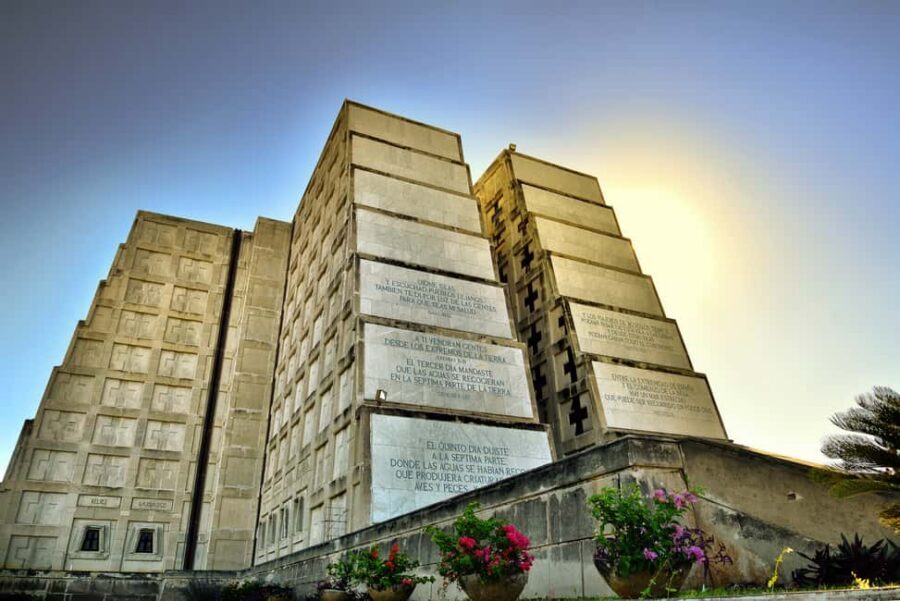
No Santo Domingo day trip feels complete without the Columbus Lighthouse. This monument is built to remember Christopher Columbus, and the tour route includes a panoramic visit to the site where his remains rest.
This stop can be emotional even for people who aren’t museum people. It’s a physical anchor for a global story—one that reshaped continents and also brought hardship. A good guide helps you see both the scale and the controversy, using the city’s landmarks as a timeline you can stand in front of.
Panoramic viewpoints also help here because the lighthouse is meant to be seen as a landmark. If you’re trying to get a photo, don’t just aim for the monument. Look for angles where the surrounding area frames it. That’s often what makes a lighthouse shot look like more than a postcard.






Museums and art stops: what to prioritize without getting lost

You’ll visit various city museums that feature outstanding medieval and renaissance art from the 16th century and beyond. That’s a big promise, but it can feel overwhelming if you try to see everything like a checklist.
Here’s how I’d approach it: pick one or two themes and let the rest support those ideas. For example, you might focus on how religious art evolved through the colonial era, or how European styles landed and changed once they were brought to the Americas. When your goal is thematic, the museum time feels more purposeful.
The tour includes museum entrance fees, which is a value point people sometimes overlook. A self-guided visit could cost more once you add tickets, and you’d still have to connect the story yourself. With a guide, you’re paying for translation plus interpretation—usually the part that makes art make sense.
Also, museums are where the day quietly gives you a break from sun and heat. If you’re carrying a hat and sunscreen like a loyal sidekick, you’ll appreciate the indoor pace.
Price and value: is $85 a good deal for a 10-hour history day?
At $85 per person for about 10 hours, this tour lands in the mid-range for a full-day guided cultural trip. The best value comes from what’s included: hotel pickup and drop-off, museum entrance fees, and a professional guide in your chosen language.
What isn’t included is just as important. Lunch isn’t included, and photos and souvenirs are on you. That means you should budget for at least one meal stop. Even if you plan to grab something quick, factor in the time cost of finding food rather than assuming you’ll have a full sit-down lunch.
So is it worth it? If you want to see the main historic hits—Colonial Zone, key civic and religious landmarks, museum art, and the 3 Eyes caves—without coordinating tickets and routes, then yes. If you already plan to spend a lot of time museum-hopping on your own and don’t need guided context, you might find a cheaper DIY day—but you’d likely give up the “why it matters” part.
One more value note: the tour guide is available in multiple languages (Spanish, English, French, German, Italian, Portuguese, Russian). That matters if you’re traveling with people who prefer a specific language and you want the history explained clearly rather than partially.
Group pace and guide quality: what to watch for
Most of the tour seems designed for structured sightseeing: bus transit, set stops, and museum time. That’s convenient, but it means the schedule can feel tight.
Guide quality can noticeably change the experience. One guide named Alberto is highlighted for being prepared and involving people across nationalities in the historical storytelling. There’s also an example of a situation where a small group was using Italian and the guide adjusted by repeating the same history explanation in other languages—helpful if your group is mixed.
On the flip side, a fast-moving schedule can frustrate people who want extra time to browse souvenir shops or who want a longer photo window. If you know you hate time-wasting stops, treat any shopping moments as optional mentally. Set your own priority: landmarks first, photos second, shopping last.
Also, you’ll want to keep expectations realistic about safety and comfort. The overall tour includes air-conditioned transport, but like any shared trip, traffic and driving styles can vary by day and by vehicle conditions. If you’re sensitive about those details, it’s smart to choose the language and tour slot you can be comfortable with, then bring patience for a long day.
Who this tour suits best (and who should think twice)
This tour fits best if you:
- want a one-day introduction to Santo Domingo’s colonial roots
- like guided historical context tied to specific buildings and streets
- enjoy a mix of city monuments and a nature stop (3 Eyes)
- prefer having museum entrance fees handled
It may not be ideal if you:
- want a slow, flexible day with lots of free time
- dislike moderate walking
- plan to eat based on your own schedule and don’t want to budget for lunch
Because the program is about major sights, it’s a good first visit. It’s also a solid match if you’re traveling with a group that wants one shared “best of” day without splitting up.
Should you book Santo Domingo Colonial City Tour from Bavaro?
I think you should book it if you want a guided, efficient overview of Santo Domingo’s most important historic areas, with the extra twist of 3 Eyes National Park and museum stops included. The price makes sense when you factor in pickup, guide time, and museum entrance fees.
I’d hold off if you want a relaxed day where you can linger in one place for hours, or if you’re traveling with someone who strongly dislikes walking. In that case, you’d likely be happier with a more flexible, DIY plan.
If you do book, come ready: wear comfortable shoes, bring sunscreen and a hat, and treat the day like a “see the big story” sprint—with breaks built in by indoor museum time and the cave stop.
FAQ
How long is the Santo Domingo Colonial City Tour from Bavaro?
The tour runs for 10 hours.
Where is pickup included?
Pickup is included at your hotel lobby in Bavaro.
What are the main sites included on the tour?
You’ll visit 3 Eyes National Park, the Colonial Zone (UNESCO World Heritage Site), major colonial landmarks like the first cathedral and Alcázar de Colón / Palacio Virreinal de Don Diego, plus a panoramic visit to the Columbus Lighthouse. You’ll also stop at museums featuring art from the 16th century and beyond.
Is lunch included in the price?
No. Lunch is not included.
What’s the walking like?
There is a moderate walk, so bring comfortable walking shoes.
What languages are available for the guide?
The live guide is available in Spanish, English, French, German, Italian, Portuguese, and Russian.
Is the Colonial Zone a UNESCO World Heritage Site?
Yes. The tour notes that the Colonial Zone is declared a World Heritage Site by UNESCO.