REVIEW · MONKEY LAND TOURS
Punta Cana: Ziplines Adventures & Monkeyland Entry
Book on GetYourGuide →Operated by Runners Adventures · Bookable on GetYourGuide
Ready for a flying day? This is a full-day combo in the Dominican mountains with long zip lines (including a signature 800-meter run) and a hands-on visit to Monkeyland to meet squirrel monkeys up close. The zip course is set across a tropical hillside with lots of platforms, and the guides focus hard on safety so you can actually enjoy the ride.
I especially love the side-by-side “race your partner” cables and the fact that the monkey time isn’t rushed. My one watch-out: this is an active, early start adventure with height exposure, and it’s not a fit if you have heart issues, mobility limits, are pregnant, or have severe nut allergies.
In This Review
- Key things to know
- Getting to the zip-line park: early pickup, quick briefing, real safety focus
- The zip-line circuit: 18 platforms, 12 lines, and the thrill of racing in pairs
- What makes the long lines feel different
- Camera and belongings: small storage, big attention
- Footwear tip that saves discomfort
- Monkeyland in Anamuya: squirrel monkeys, shoulder rides, and shiny-object diplomacy
- How to make the monkey time better
- Coconut House and local tasting: what you learn (and what you actually get to try)
- Why this stop is worth it
- Buying tips without the oversell
- Lunch and hydration: the part you’ll be glad is actually filling
- Timing, transport, and the group rhythm: why the day can feel long
- The bus can be part of the experience
- Who this tour is best for (and who should skip it)
- You’ll likely love it if you:
- Skip it if you:
- Value for $130: a good deal when you price it like a bundle
- Should you book Punta Cana Ziplines & Monkeyland?
- FAQ
- How long is the Punta Cana Ziplines Adventures & Monkeyland entry tour?
- Where is the experience located?
- What is included in the price?
- Is lunch included?
- How many zip lines are part of the course?
- Do you get to interact with monkeys at Monkeyland?
- Are photos included?
- Does the tour provide lockers for bags?
- Who shouldn’t book this tour?
- What languages are the guides?
Key things to know
- Side-by-side double cables let you fly alongside a partner, not just one-by-one
- 800 meters is part of the famous long-line experience over the mountains
- Monkeyland is hands-on: squirrel monkeys may climb to your shoulder and take food from your hand
- Coconut House tastings include learning how coconuts become coconut oil (plus other local products)
- Plan for minimal valuables: you’ll use a small storage setup and cameras can’t be handled mid-ride
- Lunch is included and has shown up as a full Dominican-style meal, not just fruit
Getting to the zip-line park: early pickup, quick briefing, real safety focus
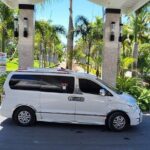
Most days start early, so you’ll want to treat this like a morning adventure, not a late-afternoon hang. Hotel pickup is part of the deal, and transfers are organized—but expect a bit of mountain driving time once you’re on the road. One thing to note: drivers will wait no longer than 5 minutes after the scheduled pickup, so don’t be that person still doing a final hair check.
You’ll be transferred to the Welcome Center area where the team runs a safety briefing before you step onto the platforms. This matters because the rest of the day moves fast. You’ll learn how your harness works, how you’re attached to the lines, and the basic rhythm of moving through the course. Then you’ll get started with the first platform launch, where your confidence either clicks—or you realize you need to pay attention to the instructions.
Also, come ready with practical expectations: the day is longer than you think, and you’re in the harness and gear zone for a while. You’ll be glad you wore closed shoes and comfortable clothes. If you’re the type who likes to “bring the whole beach bag,” you’ll quickly learn to pack smaller than you want.
You can also read our reviews of more tours and experiences in Punta Cana.
The zip-line circuit: 18 platforms, 12 lines, and the thrill of racing in pairs
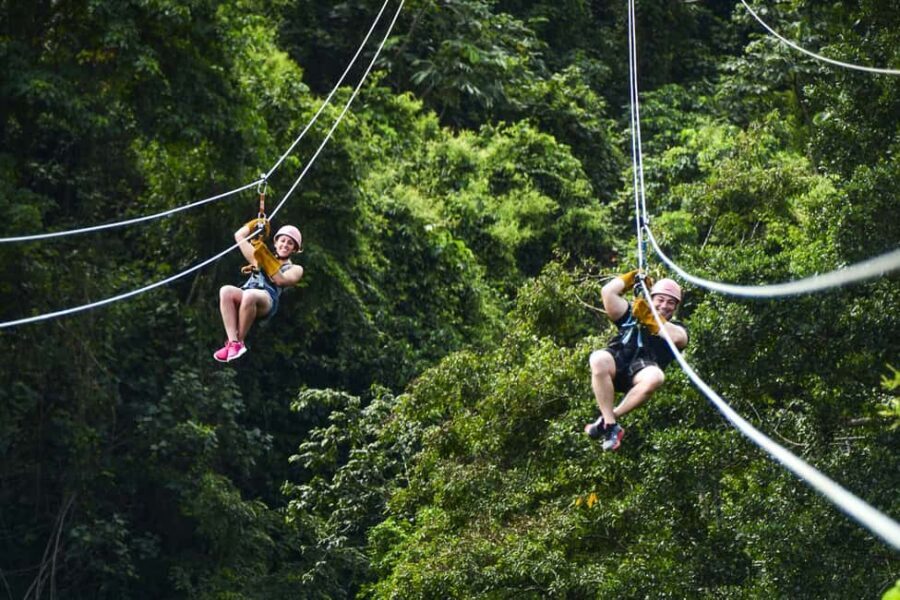
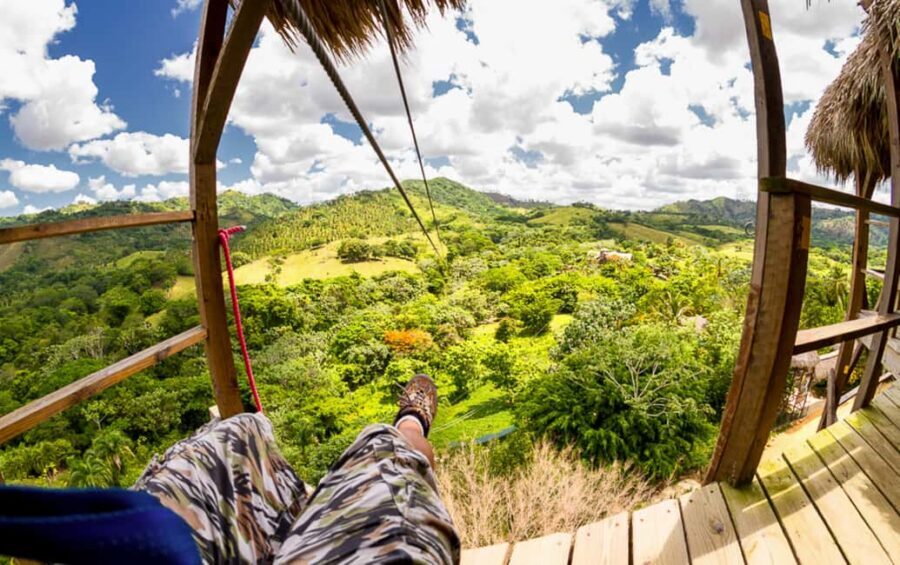
This is the big reason to book. The zip-line course runs through lush mountain terrain and is built across a lot of platforms—18 in total—so you don’t just do one long glide and call it a day. You’re on a series of lines (12 zip lines are listed in the experience overview), with the signature long run called out as 800 meters.
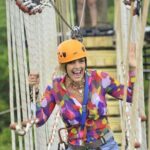
The most fun twist is that you’re not flying alone. The cables are set up so you can fly side-by-side with your partner. That means you can compare speed and timing in real time, which turns the experience from nerves into something closer to a game. When you’re properly clipped in on the double-line system, you can focus on your body position and enjoying the views.
What makes the long lines feel different
A long span has a different mental rhythm. Short lines are mostly excitement. The longer cables give you a stretched-out moment where you’re looking around—tree canopies, ravines, and that feeling of being far above the ground. The operator materials also describe the longest lines as among the lengthiest in the Caribbean, spanning about a 2-kilometer stretch across the mountains, with an 800-meter segment highlighted.
Camera and belongings: small storage, big attention
You can’t just treat this like a normal sightseeing stop. You’ll be given a container/bin for belongings, and some visitors mention lockers are available for a small fee (small lockers). Either way, don’t bring anything bulky or truly valuable. There’s a separate reality during the ride: you’re expected to secure your camera because you can’t hold it while zip-lining.
What you can do is simple: bring your camera for the platforms and staging points, not for dramatic “handheld” shots in mid-ride. The platforms are where you’ll want that quick photo moment anyway—those are the spots where you’re standing still and can frame your shot.
Footwear tip that saves discomfort
One practical note from the ground: don’t wear too-short trousers. The harness can rub where fabric is missing. Closed shoes are required, and socks matter more than you’d think after a few hours of gear contact.

Monkeyland in Anamuya: squirrel monkeys, shoulder rides, and shiny-object diplomacy
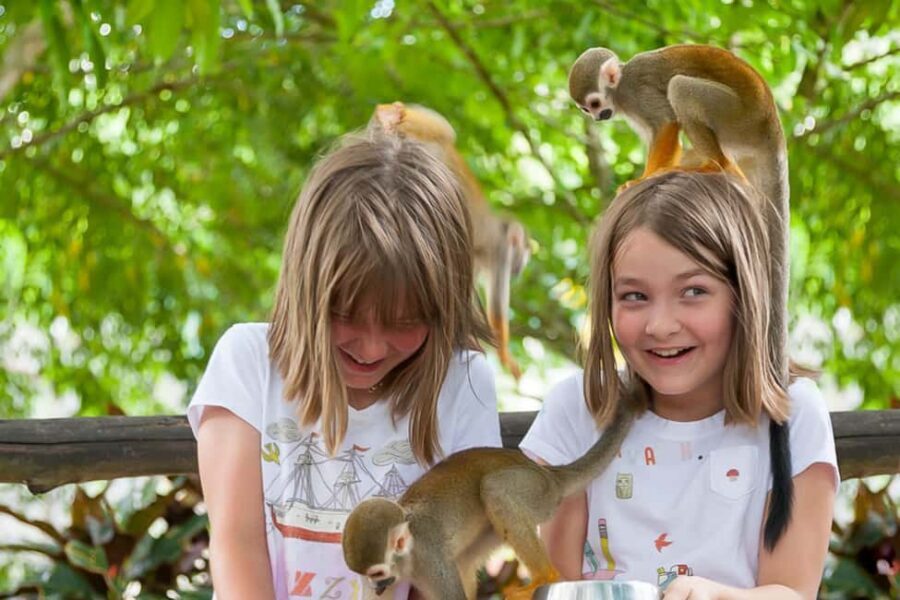
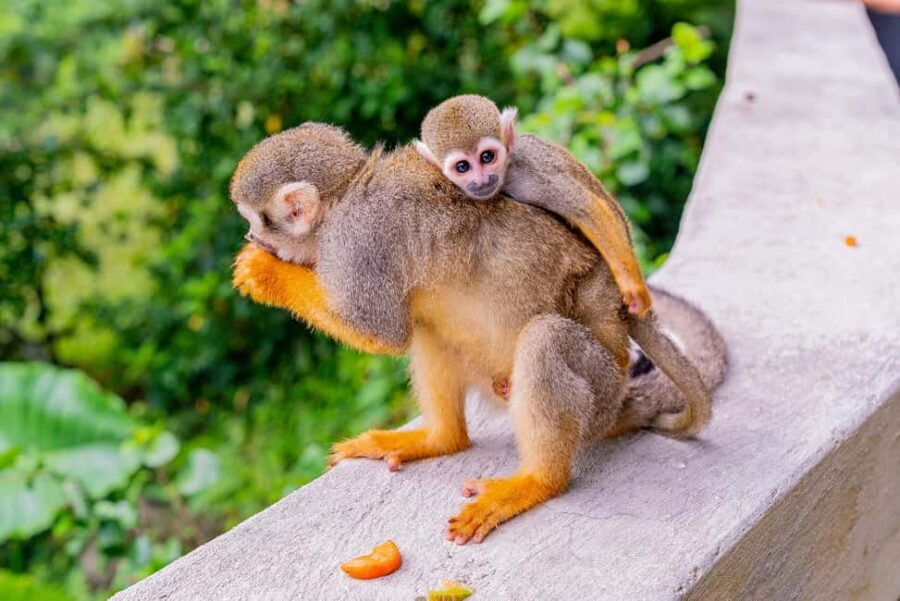
After the zip lines, you head to Monkeyland in the mountains of Anamuya. This part is a different kind of thrill. The monkeys are squirrel monkeys living in a natural mountain environment within a 5-acre setting, and the whole point is observation plus interaction.
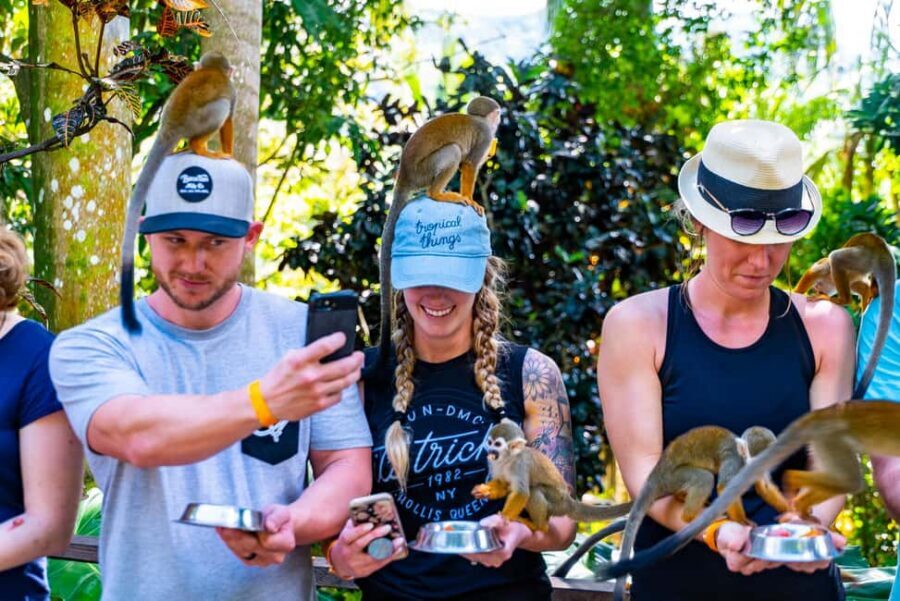
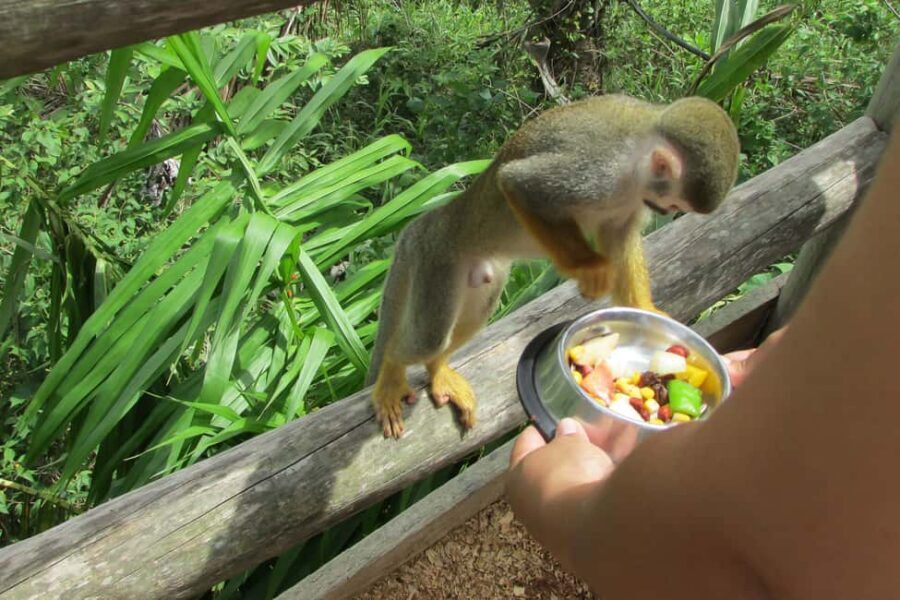
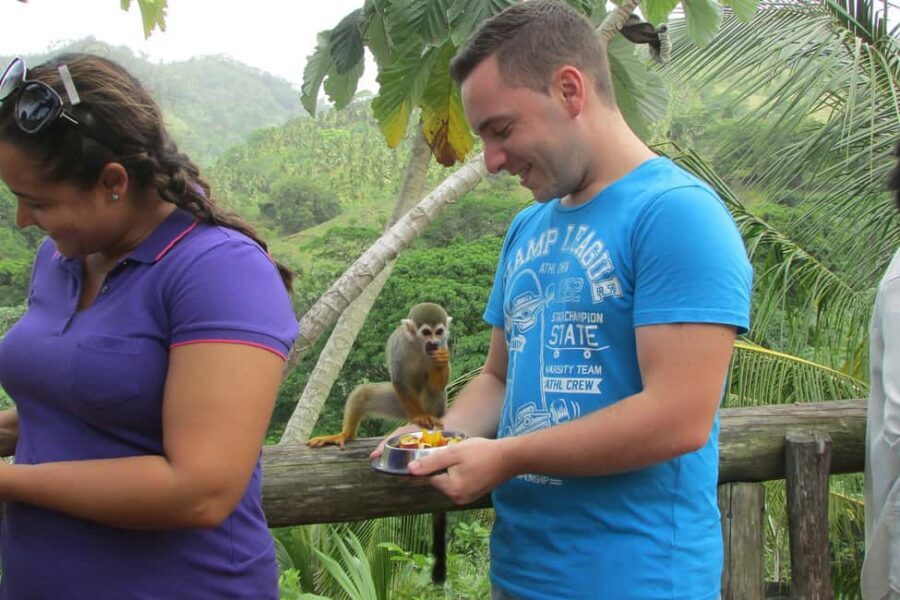
The experience is built around the fact that these monkeys have become comfortable with humans. That can mean they climb down from the trees to sit on you, and they may take food from your hand. It sounds adorable—and it is—but you should still behave like the interaction is real (because it is). Move slowly. Keep your hands steady. Listen to the staff.
Here’s the fun-but-urgent tip: squirrel monkeys love anything shiny. Jewelry and sunglasses are basically monkey magnets. If you’re wearing glasses, expect curious attention. If you can, choose simple items today—nothing that breaks your heart if it gets inspected.
How to make the monkey time better
If your main goal is the monkeys, this is the best time to be patient. You’ll usually have a real window of interaction rather than a “five-minute photo line.” In practice, that means you can watch how the monkeys move, jump, and feed, not just snap one quick shot and move on.
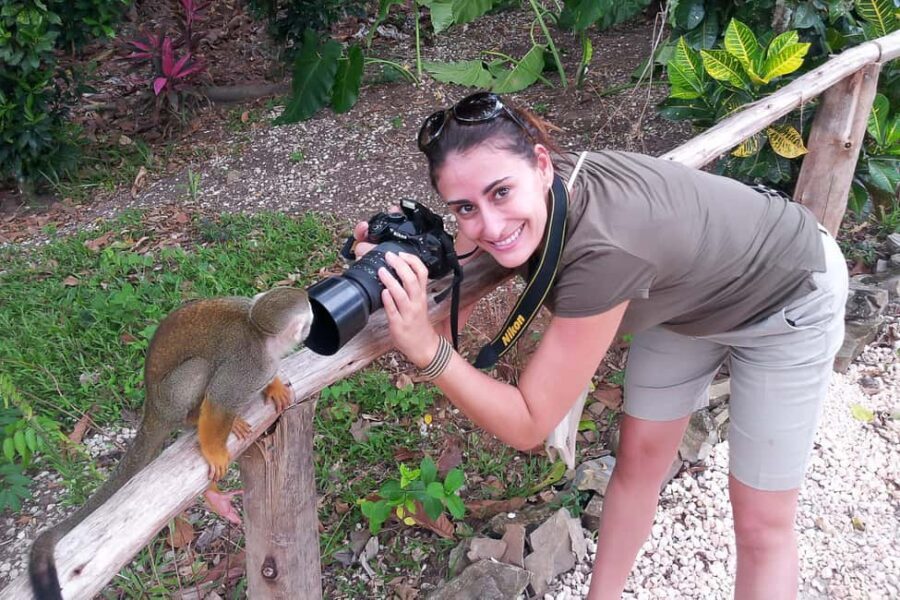
It also helps to keep your camera ready before the monkeys get close. Some people find the monkey part the emotional highlight of the day, and it’s easy to miss a moment if you’re still fumbling for your phone.
Coconut House and local tasting: what you learn (and what you actually get to try)
Next comes Coconut House, where the focus shifts from adrenaline to food and local production. You’ll learn how coconuts become coconut oil, and you’ll have a chance to taste local organic products.
In some versions of the stop, visitors also note learning about cocoa and coffee production along with vanilla and coconut products. That’s a nice break because you’ll get to stand, ask questions, and reset your energy after the physical gear and the monkey excitement.
Why this stop is worth it
A lot of tours do “a quick shop” at the end. Coconut House feels more like a mini lesson in how ingredients become everyday items. Even if you don’t buy anything, you leave with a better sense of what you’re tasting back at your resort—coconut flavors, chocolate/cocoa notes, coffee, and related products.
Buying tips without the oversell
If you do buy products, think small and practical: items like cocoa-related goods, coconut oil, or other locally produced tasting favorites make better souvenirs than bulky packages you’ll regret carrying. One visitor noted some plantation products can feel like good value compared to home pricing, but prices vary day to day. If it matters to you, ask for the ingredient list and keep packaging neat so it doesn’t leak or crumble in transit.
Lunch and hydration: the part you’ll be glad is actually filling
Lunch is included, and it’s more than fruit-only. You may be served a typical Dominican-style meal. One guest described fried chicken as part of the lunch, and others mentioned chicken with sides like rice and salad.
Hydration is covered too: water and soft drinks are included, and there are refill opportunities. Still, don’t assume you’ll feel fine without water. Zip lines + heat + walking between stations adds up. Sip often, especially before you’re heading back out for the next activity.
If you have a sensitive stomach, plan your pacing. The day is active, and rushing food can backfire. The good news: lunch gives you a real pause to sit, cool off, and regroup.
Timing, transport, and the group rhythm: why the day can feel long
This is a full-day outing (about 8 to 9 hours). That timing is normal for a combo tour, but it’s still useful to know what stretches the day.
Two patterns show up. First, you’re transferring from hotel to park and back. Second, the flow at the zip line can include waiting between lines. Some people enjoy the structure. Others find the waiting part less thrilling, especially on busy days.
It helps to arrive with the mindset that this is a production of several parts, not one continuous thrill ride. You’ll do the zip course, then shift to monkeys, then shift again to Coconut House. Each section has its own pace—zip lines are quick and physical, Monkeyland is interactive and slower, and Coconut House is more about tasting and learning.
The bus can be part of the experience
Some guests mention a safari-style bus with open windows and that it can be bumpy and chilly. If you get cold easily, bring a light layer even in warm weather. If you get motion sick, consider your usual remedy because mountain roads can be bouncy.
Who this tour is best for (and who should skip it)
This combo makes sense for people who want variety: adrenaline + animals + food/culture in one day.
You’ll likely love it if you:
- Want a serious zip-line day with long spans and multiple runs
- Prefer an active experience over a passive beach day
- Are excited to interact with squirrel monkeys (with the understanding that they move fast and love shiny things)
- Like structured guiding with clear safety steps
Skip it if you:
- Have heart conditions, reduced mobility, disabilities, or are pregnant
- Have severe peanut allergies or nut allergies
- Hate heights and can’t handle harness safety and platform exposure
If you’re nervous about heights, the guides’ job is to help you move through the course confidently. Some guests explicitly mention feeling at ease once the staff explained the process. Still, your comfort level is personal—be honest about what you can handle.
Value for $130: a good deal when you price it like a bundle
At around $130 per person, this tour costs a bit more than a single attraction. The value comes from bundling three experiences into one day:
- A full zip-line circuit with long cables and lots of platforms
- Monkeyland interaction with squirrel monkeys
- Coconut House tastings and learning, plus lunch and drinks
Add hotel pickup/drop-off and safety equipment, and you’re basically paying for convenience plus access. The biggest “hidden” cost for some people isn’t the main ticket—it’s optional add-ons like photos. If you want digital or framed photo packages, those can add up quickly. One guest noted digital photo pricing and another referenced a photo cost for physical frames. If photos matter, decide before you line up.
Also, remember small extra costs can appear in the details, like paid lockers if you want one. You can keep it simple by bringing only what you need and storing valuables securely during the zip portion.
Should you book Punta Cana Ziplines & Monkeyland?
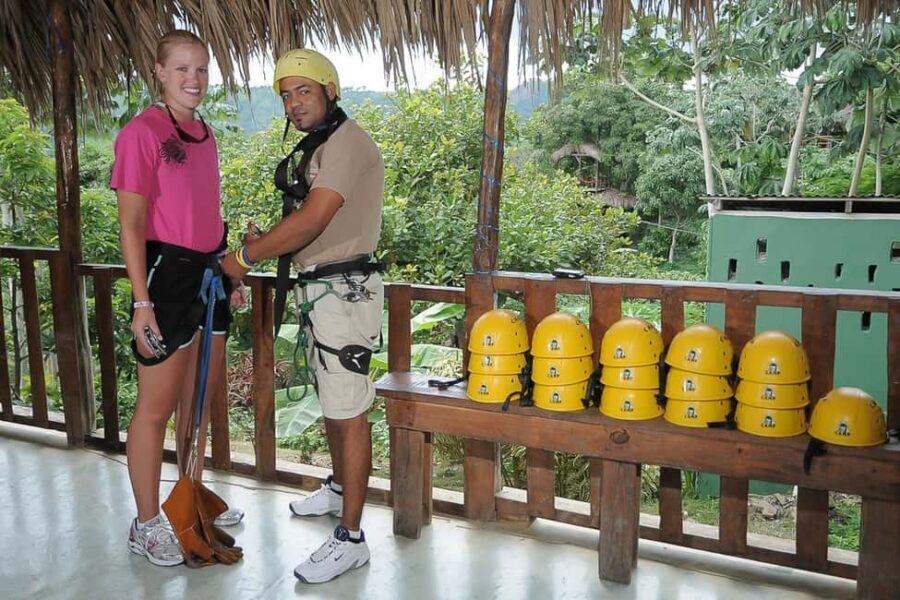
Yes, if you want a full, high-energy day that mixes a real zip-line adventure with an interactive animal experience and a food-production stop. This is the kind of excursion that feels like it earned its place on your itinerary because you’re not just watching—you’re participating.
If you’re mainly looking for a laid-back activity, or you can’t handle height exposure, skip it. And if you’re sensitive to animal interaction rules or have allergies that make this a no-go, you should pass.
If your travel style is “one great day, lots of memories, minimal hassle,” this combo is a strong pick—especially for couples and families who can follow instructions and enjoy the mountains.
FAQ
How long is the Punta Cana Ziplines Adventures & Monkeyland entry tour?
It runs about 8 to 9 hours.
Where is the experience located?
It takes place in La Altagracia, Dominican Republic, with Monkeyland in the Anamuya mountains.
What is included in the price?
The tour includes hotel pick-up and drop-off, official tourist guides, safety equipment, water and soft drinks, and fresh fruits.
Is lunch included?
Yes. Lunch is included as part of the full-day experience.
How many zip lines are part of the course?
The experience is described as having 18 platforms and 12 zip lines.
Do you get to interact with monkeys at Monkeyland?
Yes. You visit Monkeyland and can interact with squirrel monkeys, including feeding them and having them climb onto you.
Are photos included?
No. Photos are not included in the tour price, and photo packages may be available for purchase.
Does the tour provide lockers for bags?
Some visitors note lockers are available for a small fee, and there is also storage like a basket for belongings.
Who shouldn’t book this tour?
It’s not recommended for pregnant women, people with mobility impairments or disabilities, and people with heart problems. People with severe peanut allergies also cannot join, and it’s not suitable for people with nut allergies.
What languages are the guides?
The live tour guide is available in German, Spanish, English, and French.