REVIEW · PUNTA CANA
Punta Cana: Interactive Experience at Monkey House
Book on GetYourGuide →Operated by Somos Viaje Punta Cana · Bookable on GetYourGuide
Four monkeys. One unforgettable afternoon.
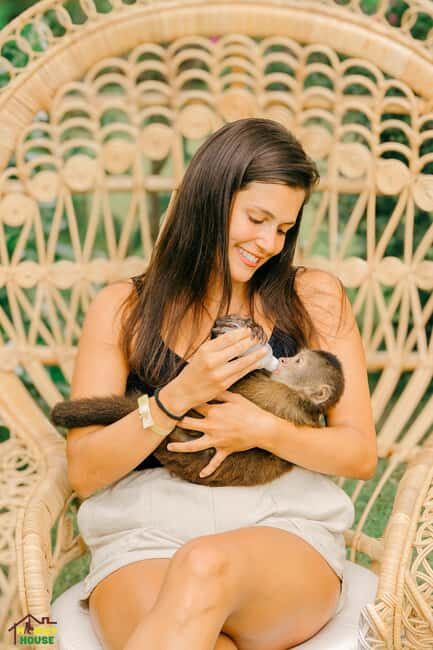
What makes this outing different is the chance to spend time with four monkey species in their natural habitat, including a close-up moment where you bottle-feed a baby monkey. I also like how the visit mixes animal time with a real local stop, so it is not just a one-note zoo detour. One drawback to plan for: the tour’s photo situation can be pricey, and cameras may be restricted during at least part of the monkey session, with an official photographer selling images.
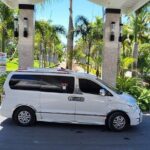
You’ll get round-trip hotel transportation from Punta Cana, which makes a big difference when you are on a tight holiday schedule. I like the small-group setup too (limited to 10), because it keeps the guide’s attention focused and makes it easier to follow instructions as monkeys come closer.
The basics are easy: you’re outdoors, expect insects and strong sun, and the activity is not a fit for everyone (kids under 3, pregnant women, and people with animal allergies should skip). Bring what you need—especially insect repellent—and wear comfortable clothes you do not mind getting a bit messy in a wildlife setting.
In This Review
- Key Things to Know Before You Go
- Getting to Monkey House From Punta Cana (and Why It Matters)
- The Monkey Sessions: Four Species in Their Own World
- Bottle-Feeding the Baby Monkey Without Turning It Into Chaos
- Photos, Camera Rules, and the Reality of the Photo Packages
- The Picnic and Extra Wildlife Moments
- The Local Store Stop: Souvenirs With a Story
- What $99 Gets You (and What It Does Not)
- Who Should Book This Tour (and Who Should Skip)
- Practical Tips for a Smooth Monkey Day
- Should You Book Monkey House Punta Cana for $99?
- FAQ
- How long is the Monkey House tour?
- What is included in the price?
- Is meals included?
- How many people are in the group?
- What monkey species will I see?
- Are cameras allowed?
- What should I bring?
- Who should not take this tour?
Key Things to Know Before You Go
- Four species, one natural setting: weeping capuchin, black-faced capuchin, African green monkey, and squirrel monkey.
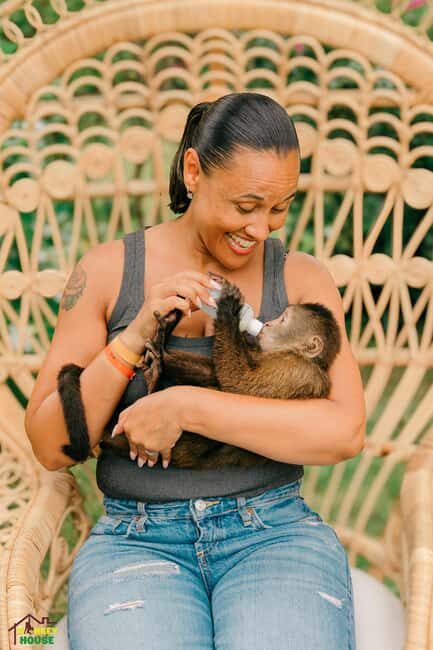
- Bottle-feeding is the star moment: you get a hands-on baby monkey experience while staff supervise.
- Two monkey phases, different vibe: one session can be brighter and tree-focused; a later picnic moment can be a bit dimmer and more relaxed for photos.
- Official photos cost extra: there can be a strict camera rule during the first phase, followed by photo sales (often expensive).
- You may also see parrots: some groups report additional birds during the experience.
- You finish with a local store stop: you learn about regional artisanal products and can buy handmade souvenirs.
Getting to Monkey House From Punta Cana (and Why It Matters)
This is a 3-hour experience that starts with pickup and ends with drop-off back at your Punta Cana hotel. That transportation piece sounds simple, but it is a real value add. Monkey House is not something most people can reach comfortably on their own after a beach morning—so having the logistics handled lets you spend your energy where it counts: with the monkeys and in the local stop at the end.
Group size is capped at 10, which also changes the feel. In a smaller group, you are more likely to hear the guide clearly and follow safety cues. It also tends to mean less waiting around while the whole crowd shifts position for the animals.
One more practical note: the tour is wheelchair accessible, and smoking is not allowed. If you have any mobility needs, you’ll want to confirm how the staff handle getting you positioned safely near the activity area, since your access can depend on the ground conditions.
You can also read our reviews of more tours and experiences in Punta Cana.
The Monkey Sessions: Four Species in Their Own World
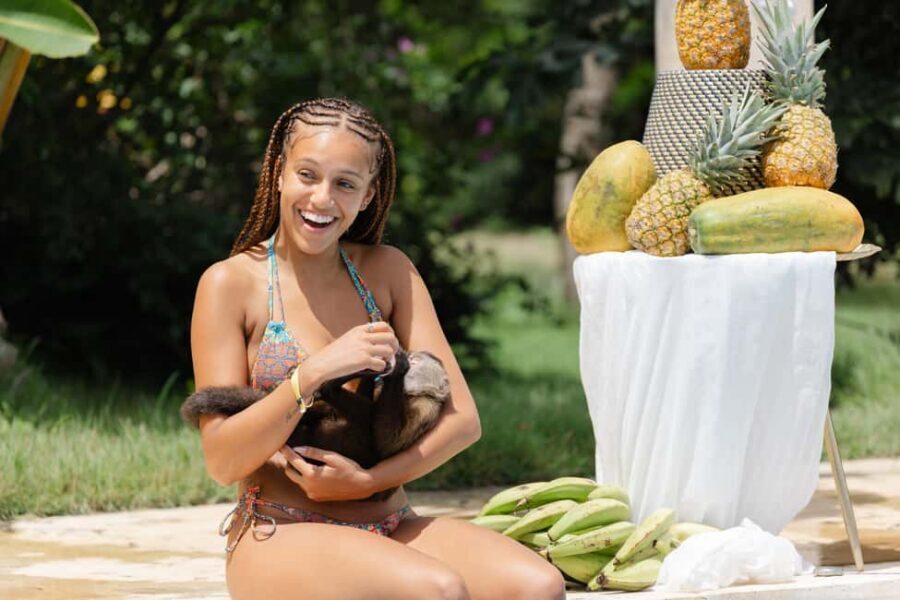
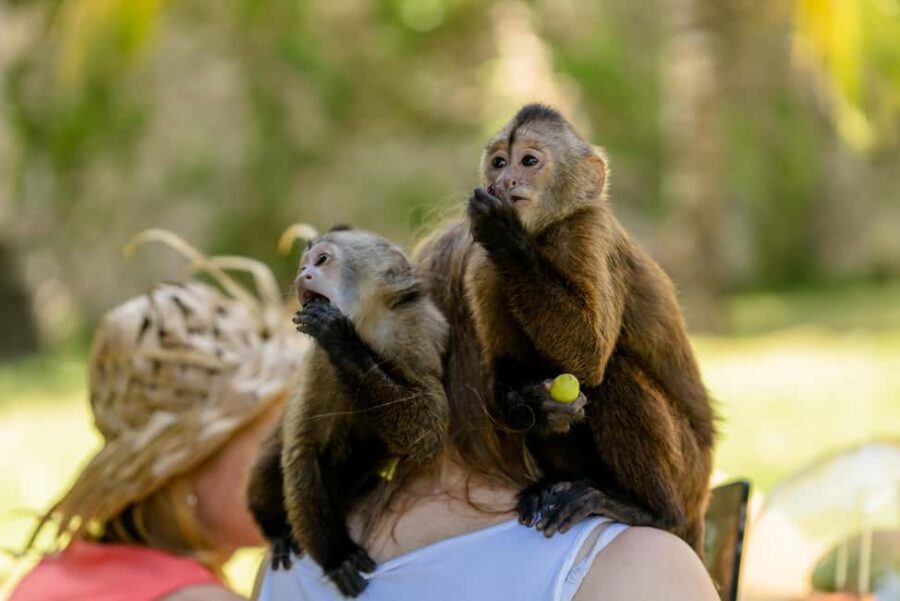
The core of the experience is time in the animals’ natural habitat, not behind glass. You meet four different monkey species, and each one behaves differently enough that you’ll notice patterns fast.
Here’s what you should expect to see:
- Weeping Capuchin: often praised for being expressive and smart-looking.
- Black-Faced Capuchin: noticeable dark facial coloring and a friendly, curious attitude.
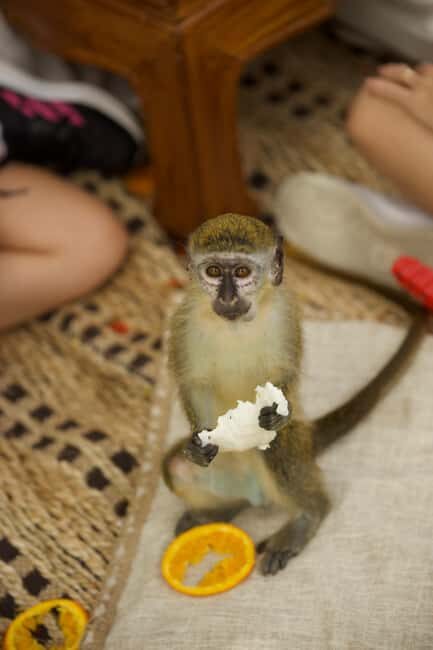
- African Green Monkey: described as warm and lively, with greenish tones in the fur.
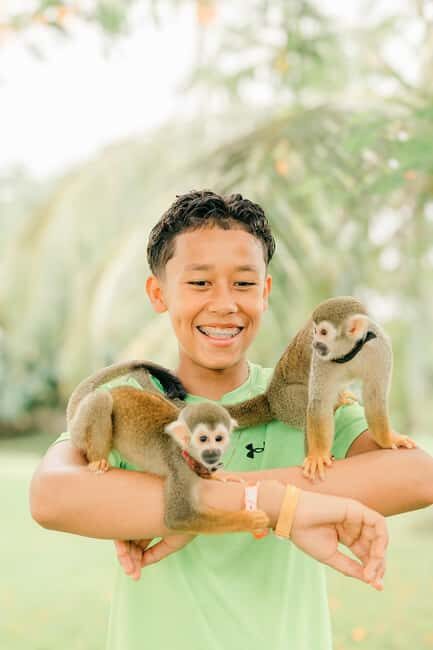
- Squirrel Monkey: small, fast, and constantly scanning, with lots of energy.
The guide and staff introduce the animals and keep the interaction flowing. One reason I think people like this tour is that the monkeys do not just “perform.” They move, climb, and approach on their own time—so your best moments are the ones you get by staying calm and following staff guidance.
During the first monkey activity, you may be gathered under a large tree with benches, where staff help manage the interaction. This is the moment where monkeys can approach individuals closely—running over, climbing near you, and getting involved with what is happening in your immediate space. You are not being asked to act like you control the monkeys; you are being invited into their environment.
Bottle-Feeding the Baby Monkey Without Turning It Into Chaos
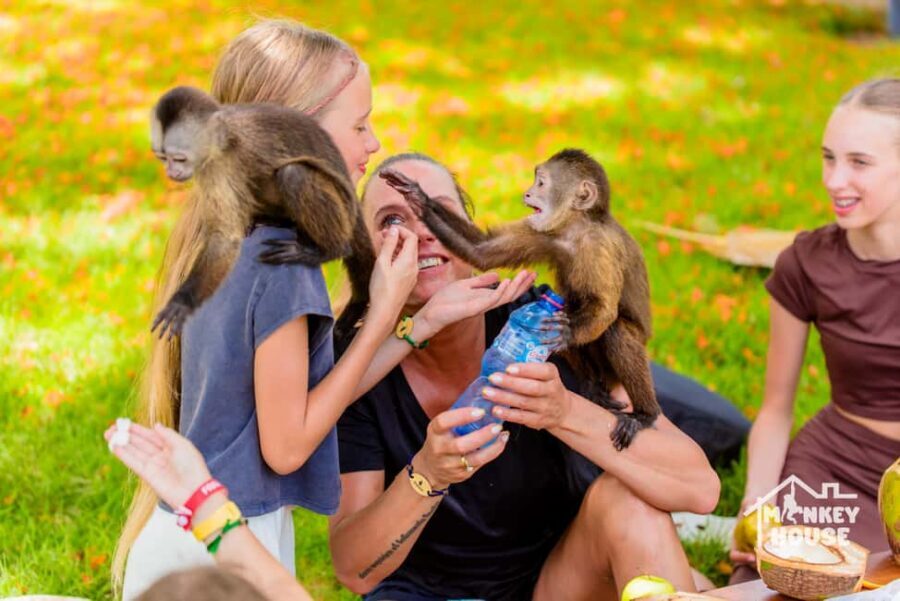
Bottle-feeding a baby monkey is the headline moment, and it is easy to see why. You get a hands-on experience that feels personal, not just observational.
What makes it work (and what you should prepare for) is that staff are managing the feeding and the animal’s comfort level. You’ll want to follow directions right away—things like where to stand, when to raise the bottle, and how to keep your body steady. If you are the type who wants to rush, resist that urge. This is one of those moments where your patience directly affects how smooth things go.
This part also connects to the overall value of the tour. Yes, you are going to see monkeys. But you also learn how staff think about safe, respectful interaction—especially when animals are close enough to climb on shoulders or shift attention toward you.
If you’re traveling with kids, the tour’s age limit matters (not suitable for children under 3). For older kids, this is usually the part that feels most “real,” because it’s the closest you’ll get to caring behavior in a supervised setting.
Photos, Camera Rules, and the Reality of the Photo Packages
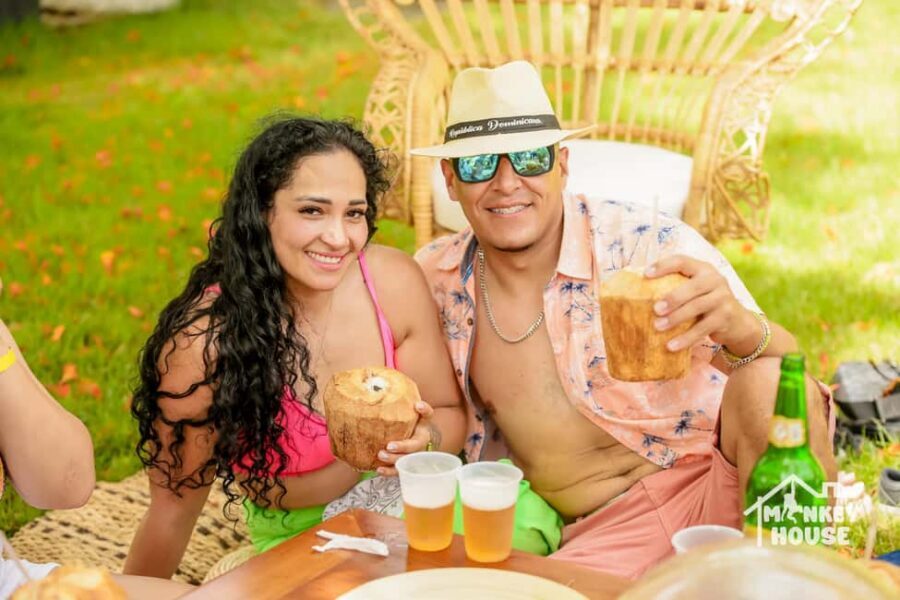
Bring a camera, but go in with your eyes open. The tour can include camera restrictions during at least one part of the monkey experience. In that case, an official photographer takes pictures for you. Later, you view the images on a tablet and can purchase the ones you want.
Here’s the key consideration: photo prices can be steep. One participant shared that individual photos were sold at around $20 USD each, with bundle packs climbing higher—sometimes over $200 for multiple images. That pricing can feel unfair if you only want one or two shots.
You may have a workaround during a later portion of the experience, because your own camera may be allowed during the picnic-style segment. That means your best strategy is:
- Plan to take your own photos during the part where cameras are allowed.
- Decide in advance if you want to buy any official photos, so you are not making the decision while excited (and surrounded by monkeys).
Also look out for on-site extras that can make the photo time easier—lockers for personal items and drinks were available during one visit, which helps if you are juggling phone, camera, and sunscreen.
The Picnic and Extra Wildlife Moments
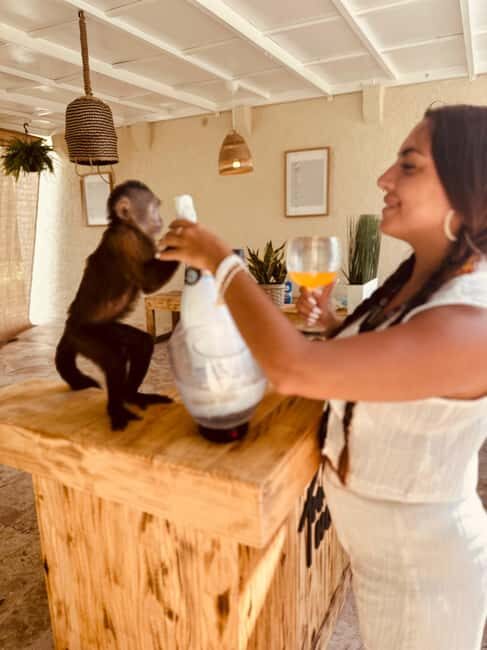
After the initial monkey activity, the day shifts into a picnic-style segment, often in a covered cabana area. This is a nice contrast. The setting is more relaxed than the earlier tree-focused session, and monkeys may circulate closer as staff guide the pace.
This is also where you might notice differences in lighting and comfort. One person described the picnic area as darker than the first phase. That matters if you’re hoping for crisp photos. If you care about photos, bring a camera that handles lower light well.
Some groups also report seeing parrots during the overall experience. The core promise is four monkey species, but this kind of added wildlife moment can make the picnic segment feel like more than a break.

The Local Store Stop: Souvenirs With a Story
The tour ends with a visit to a local store where you learn about regional artisanal products and can purchase handmade souvenirs. This stop is valuable because it gives you a chance to trade your monkey photos for something you actually bring home and use.
You’ll have a chance to ask questions and see how souvenirs connect to Dominican culture. What I like about including this store visit is that it keeps the experience from feeling like a single-purpose animal encounter. You’re not just leaving with photos—you’re leaving with something that represents the area.
Just keep it practical. Souvenir shopping is personal. If you are not into shopping, you can still treat this as a cultural pause: look around, ask a few questions, and only buy if something genuinely appeals.
What $99 Gets You (and What It Does Not)
At $99 per person, the value comes from the full package:
- Hotel pickup and drop-off from Punta Cana
- Expert guides
- Interactive time with four monkey species, including baby bottle-feeding
- A stop at a local store
The main item not included is meals. So you’ll want to plan your food timing around the 3-hour tour. If you’re coming straight from the beach, it helps to eat earlier or plan to grab something after, rather than assuming meals are part of the price.
The biggest “hidden” cost risk is photos. Even if the tour itself is priced fairly, the official photo add-ons can swing your total cost fast. This is why I think the smartest decision is to treat official photos as optional, not automatic.
Who Should Book This Tour (and Who Should Skip)
This is a good fit if you:
- Want a guided small-group wildlife experience with hands-on moments
- Like learning from staff while you watch animals behave naturally
- Prefer not to handle transportation on your own from Punta Cana
It is not a fit if you are:
- Traveling with children under 3
- Pregnant
- Dealing with animal allergies
I’ll also add one “common sense” point. If you have a fear of animals approaching closely, this tour may not feel comfortable. Even when staff manage things well, monkeys are unpredictable. You’re close enough for that to matter.
Practical Tips for a Smooth Monkey Day
A few small choices can make a big difference:
- Wear comfortable clothes you can move in and that you do not mind getting dusty.
- Bring sunscreen and insect repellent—you’ll be outdoors.
- Pack a camera, but remember camera rules can change during different parts of the activity.
- If you want photos, be ready to shoot in the picnic segment if your camera is allowed there.
- Bring patience. Wildlife interaction is not a timed show.
One more practical tip from real-world experience: keep a backup way to contact your driver in case your phone fails. One visitor reported a driver missed pickup because they couldn’t call, and the resort staff helped get everything resolved. A quick plan for contacts can save stress.
Should You Book Monkey House Punta Cana for $99?
If you want a compact, guided experience that blends wildlife interaction with a local souvenir stop, this tour is a strong choice—especially with the small-group size and hotel transportation included. The baby bottle-feeding moment and the chance to see four monkey species are the kind of memories you rarely get in one short window.
The only reason I’d hesitate is the photo cost. If you hate upsells or you only want a couple of pictures, go in prepared to either shoot during allowed times or skip buying official photos altogether.
If you fit the tour’s limits and you can handle animals getting close, it is an easy yes.
FAQ
How long is the Monkey House tour?
The experience runs for about 3 hours.
What is included in the price?
The tour includes hotel pickup and drop-off, expert guides, an interactive activity with monkeys, and a visit to a local store.
Is meals included?
No. Meals are not included.
How many people are in the group?
It is a small group limited to 10 participants.
What monkey species will I see?
You can expect to meet four species: weeping capuchin, black-faced capuchin, African green monkey, and squirrel monkey.
Are cameras allowed?
You can bring a camera, but camera rules may vary during different parts of the experience. In one described session, cameras were not allowed during the first activity, and an official photographer took pictures. A later picnic segment allowed your own photos.
What should I bring?
Bring a camera, sunscreen, comfortable clothes, and insect repellent.
Who should not take this tour?
The tour is not suitable for children under 3 years, pregnant women, or people with animal allergies. Smoking is also not allowed during the experience.