REVIEW · COFFEE EXPERIENCES
Punta Cana: Coffee Plantation, Chocolate, and Sugar Cane …
Book on GetYourGuide →Operated by Travel Junky · Bookable on GetYourGuide
Coffee smell beats the beach mood. This guided country stop in La Altagracia is built around real agriculture: Punta Cana coffee fields, plus a chocolate/cacao hut and a sugar cane hut, with a guide walking you through how it all comes together. I especially loved the coffee tasting—the aroma hits first, then the flavor follows in a way you can actually compare in your head.
I also liked the human side: you visit a typical Dominican home and learn how rural families live alongside the crops. The only thing I’d flag is that the “3 hours” timing can be tight or shorter depending on the day, so don’t plan your next stop like it’s a train schedule.
In This Review
- Key highlights worth your attention
- Punta Cana coffee, cacao, and sugar cane: what you’re signing up for
- Walking the coffee fields: from growing to roasting
- The coffee tasting moment: where the tour earns its keep
- Chocolate hut and cacao lessons: why this ingredient matters
- Sugar cane hut + typical house visit: rural life in real terms
- Dominican lunch: what you can expect (and how to make it work)
- Price and timing: is $55 worth it for Punta Cana?
- What to bring (and what to skip) so the day feels easy
- Who this tour suits best (and who should look elsewhere)
- Should you book this Punta Cana coffee, chocolate, and sugar cane tour?
- FAQ
- How long is the Punta Cana coffee, chocolate and sugar cane tour?
- What’s included in the price?
- What language is the tour guide available in?
- What should I bring for the tour?
- Is lunch included?
- Are alcoholic drinks included?
- Can I bring souvenirs home?
- Is the tour accessible for wheelchair users or people with mobility issues?
Key highlights worth your attention
- Freshly brewed Dominican coffee with tasting time, not just a photo stop
- Cacao lessons at a chocolate hut, including why DR cacao matters globally
- Sugar cane hut visit that rounds out the full farm story
- Typical house visit + Dominican lunch for a real sense of daily rural life
- Photo-friendly countryside views from the walking parts of the tour
Punta Cana coffee, cacao, and sugar cane: what you’re signing up for
This is a classic Dominican farm experience that’s easy to understand and satisfying to do. You’re not “touring a factory.” You’re walking through how food gets grown and turned into everyday pleasures like coffee and chocolate.
You’ll spend time on coffee cultivation and processing, then shift to cacao and sugar cane through small hut-style stops. The pace feels like you’re moving between hands-on stations, with your guide connecting the dots. And yes, you’ll get views that are a welcome change from resort scenery.
One practical note: you’re walking on plantation paths. Nothing extreme is listed, but you do need comfortable shoes and a bit of stamina. Also, the tour isn’t suitable for people with mobility impairments or back problems, and it’s not recommended for pregnant women—the walking and uneven ground are the obvious reasons.
You can also read our reviews of more tours and experiences in Punta Cana


Walking the coffee fields: from growing to roasting
The tour’s coffee section is the heart of the day, and it’s what makes this feel more meaningful than a quick “taste and leave” stop. You’ll start by heading out with your guide to the countryside, then get a guided look at the coffee fields.
You can expect the full chain of how coffee is handled:
- growing coffee plants
- harvesting
- processing along traditional lines
- roasting (so you understand how beans become brewed coffee)
What I like about this approach is that it turns the cup in front of you into a story you can tell. When your tasting comes, it’s not random. You’ve already heard how the beans are treated and what steps lead to the final flavor.
The walking also matters. You’re not just listening in a classroom. You’re seeing the plants and the working environment. That’s where the smell tends to show up too—coffee aroma can be stronger than you expect out there.
The coffee tasting moment: where the tour earns its keep
This is where you’ll feel the tour’s value. The experience includes coffee tasting and the chance to smell and sip freshly prepared Dominican coffee. The description emphasizes its robust flavor and rich aroma, and that’s exactly what you should pay attention to during the tasting.
Instead of trying to memorize flavor notes like a lab report, I’d focus on two things:
1) Does it feel strong or smooth to you?
2) Does the aroma hit first, or does flavor arrive later?
That simple comparison makes the entire trip click. You go from curiosity to understanding fast.
If you want something to take home, be ready with extra cash. The tour notes that you can bring home locally made coffee, and souvenirs aren’t included in the price. That’s one of those details that can save you from the last-minute scramble.
Chocolate hut and cacao lessons: why this ingredient matters
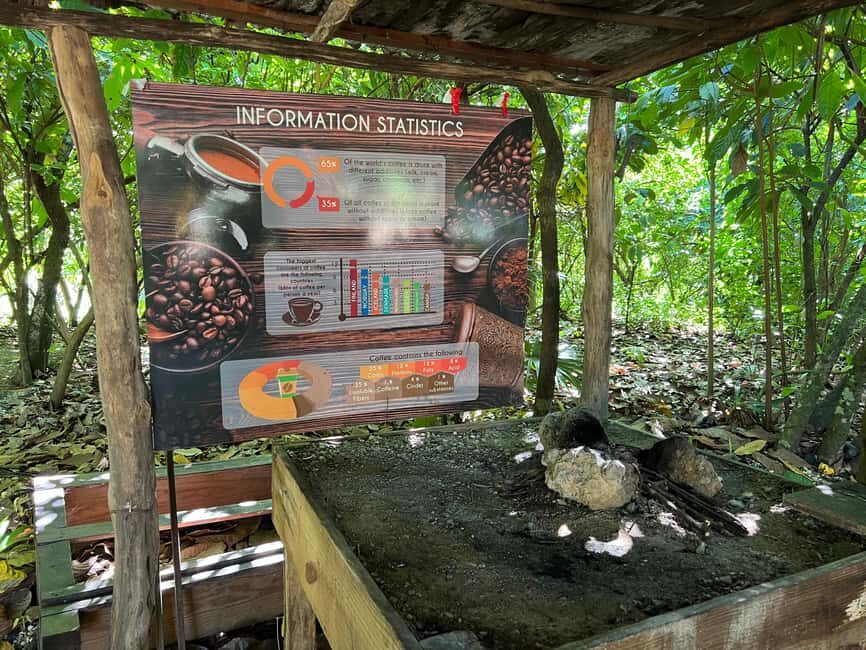
Next comes the cacao stop—often the favorite part for people who love chocolate, but it’s also great if you just want context. You’ll visit a chocolate hut where you learn about the cultural and historical significance of cacao in the Dominican Republic.
The Dominican Republic is described as a top exporter of high-quality cacao beans. That matters because it explains why cacao isn’t treated like a novelty crop. It’s part of a wider story—agriculture, trade, and rural livelihoods.
You also get more than a lecture. The tour includes a hands-on experience, so you’ll likely touch or participate in the process in some way related to cacao handling or preparation (exact details aren’t specified). Either way, the hands-on piece is what keeps this from feeling like a walk-through.
If you’re the type who buys chocolate without thinking where it came from, this stop changes that. You’ll leave understanding cacao as a farm product first, then a treat second.
Sugar cane hut + typical house visit: rural life in real terms
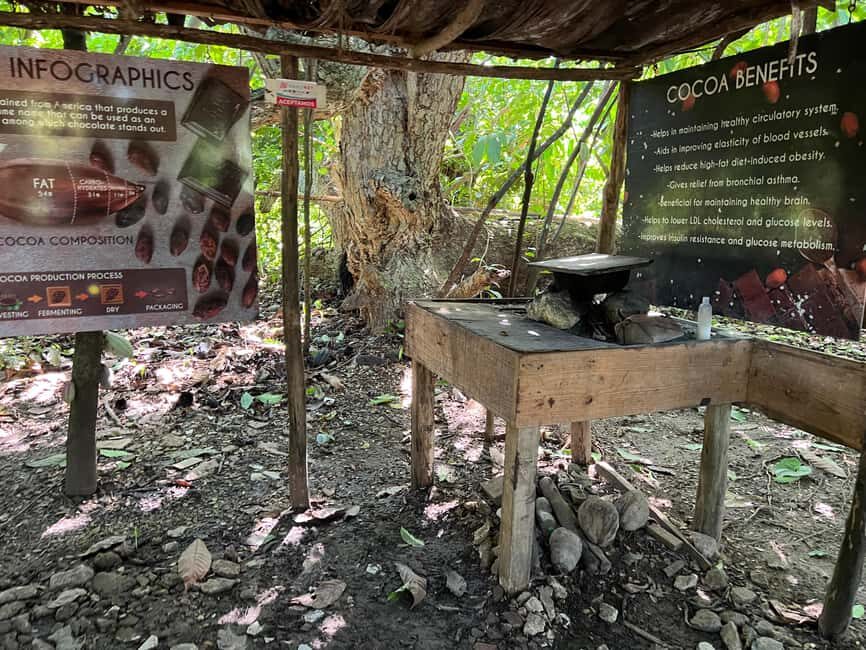
After cacao, the tour shifts to a sugar cane hut. This adds variety and gives you a fuller sense of what grows in the region beyond coffee. It also supports the theme of the day: learning how multiple crops make their way from plant to product.
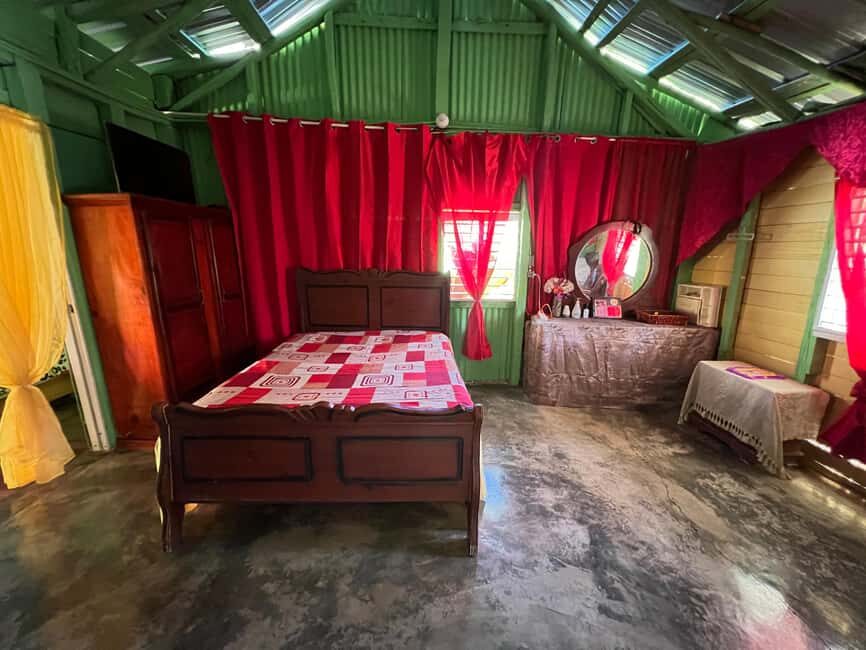
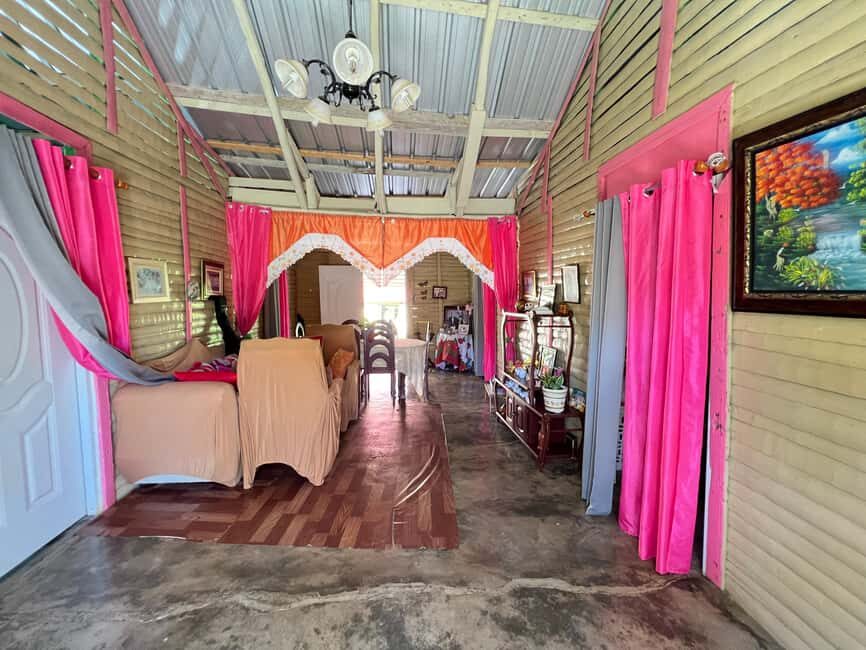
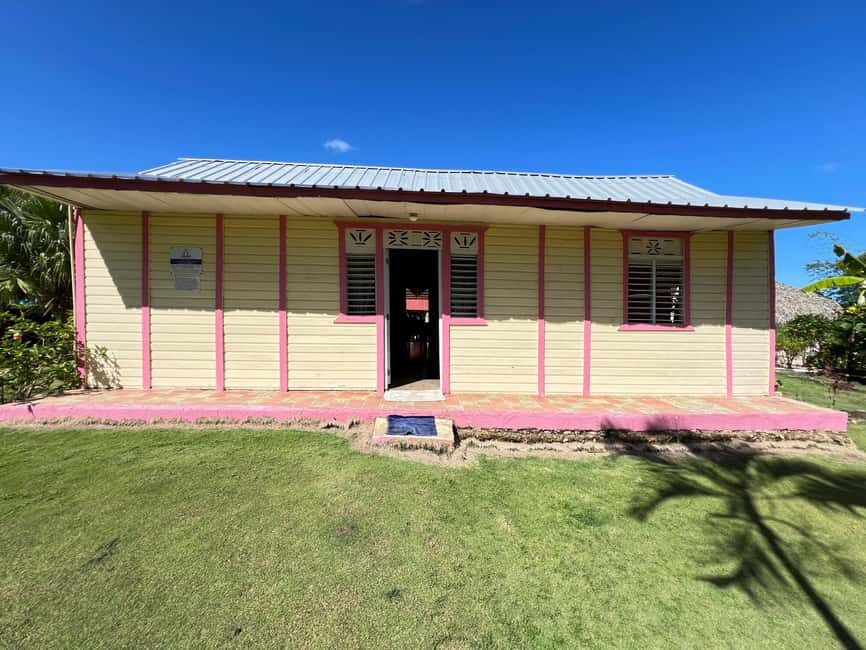
Then comes the part I think you shouldn’t rush: the visit to a local home, also called a typical house. This is where the tour becomes more than tasting. You get cultural insights about rural life—how people live alongside the land and how agriculture shapes day-to-day routines.
I especially like this sequence because it grounds the flavors. Coffee, chocolate, and sugar aren’t floating in a vacuum. They’re tied to families and routines. The tour also includes a delicious Dominican lunch, which reinforces the “this is real life, not a set” feeling.
One caution: the tour involves walking between stops and spending time outdoors. If you’re sensitive to heat, bring the listed gear and pace yourself.
You can also read our reviews of more tours and experiences in Punta Cana

Dominican lunch: what you can expect (and how to make it work)
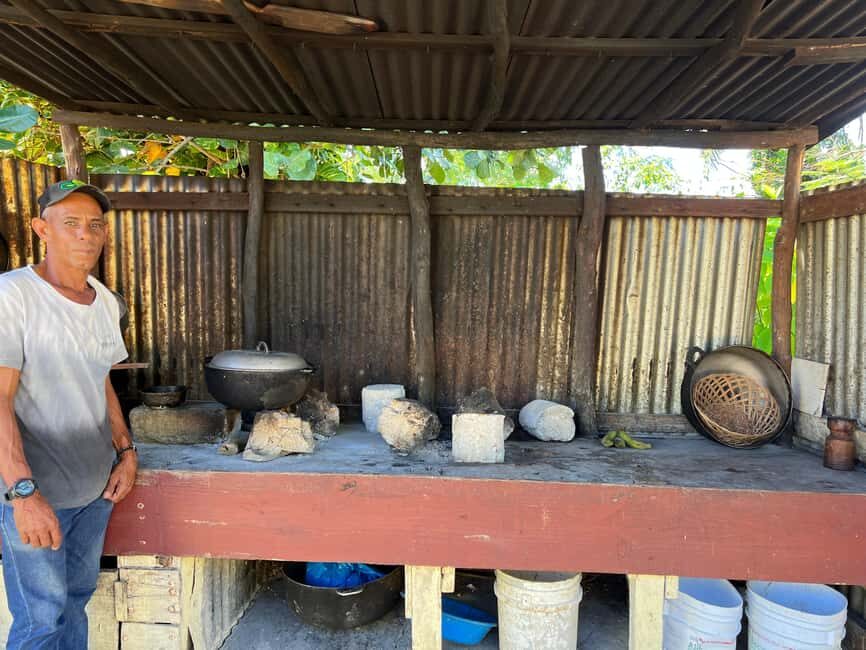
Lunch is included, and it’s described as Dominican food. Since the exact menu isn’t provided, plan for a meal that fits the local farm setting—simple, hearty, and made for the day’s energy needs.
Here’s how I’d handle it for comfort:
- Eat when it’s served, not when you’re hungry later. Farm tours can run in short bursts.
- Sip water ahead of and during the meal. You’ll be in sun.
- If you’re picky about spice or specific ingredients, mention it to your guide when you can, because restaurant-style customization may not be the setup here.
Since alcohol isn’t included, keep your expectations on the water/soft drink side. If you want an adult drink, you’d need to arrange that separately.
Price and timing: is $55 worth it for Punta Cana?
At $55 per person for about 3 hours, the value depends on what you care about. You’re getting more than a drive: the price includes a guided plantation tour, visits to the chocolate and sugar cane huts, tasting, lunch, and transportation from and to your hotel.
That matters because in Punta Cana, the transit piece can easily add up. Here, it’s folded in. You’re also not just hearing about crops—you’re tasting coffee and getting cultural context.
The one thing to treat with respect is timing. While the tour is listed as 3 hours, there are reports of shorter on-the-ground time—sometimes closer to 2 hours, and on at least one occasion much shorter. I can’t promise your day will match any of those examples, but I do think it’s smart to plan with a little cushion.
My advice: when you book, double-check the start time and ask the operator how the day is scheduled. If language matters to you (English or French), confirm that up front too.
Also, keep your next activity flexible. This isn’t a museum with timed entry; it’s a countryside day with real-world pacing.
What to bring (and what to skip) so the day feels easy
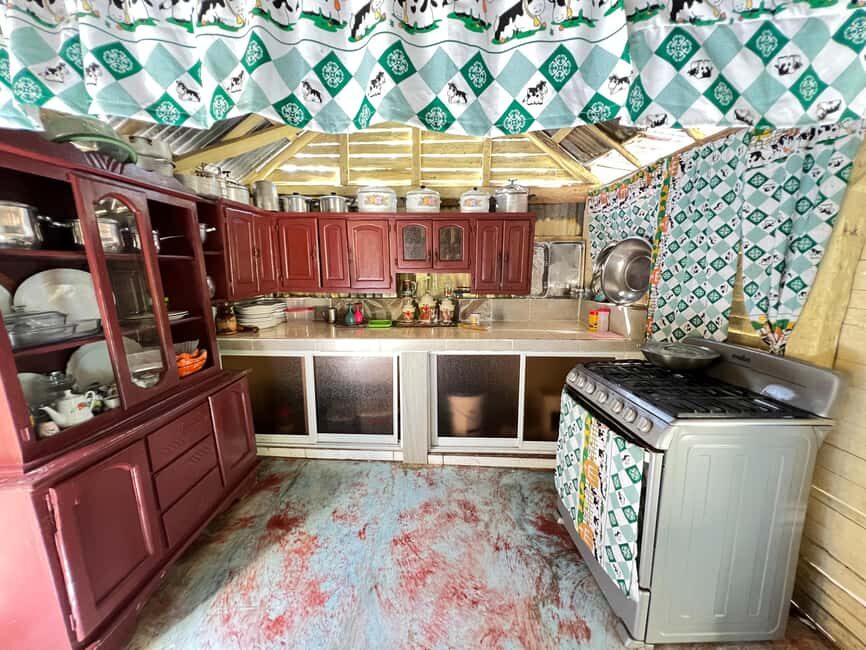
Do yourself a favor and pack like you’re going to be outside and walking.
Bring:
- Comfortable shoes (no slick sandals)
- Sun hat and sunscreen
- Water
- Insect repellent
- Camera for the countryside views
- Cash for souvenirs or locally made coffee
Skip:
- Smoking (not allowed)
- Littering (not allowed)
If you tend to overpack at the resort, this tour is a good reason to carry light. A small day bag with water, sunscreen, and repellent is usually plenty. You’ll also want your camera ready for those countryside moments—there are photo-friendly stretches during the walking parts.
Who this tour suits best (and who should look elsewhere)
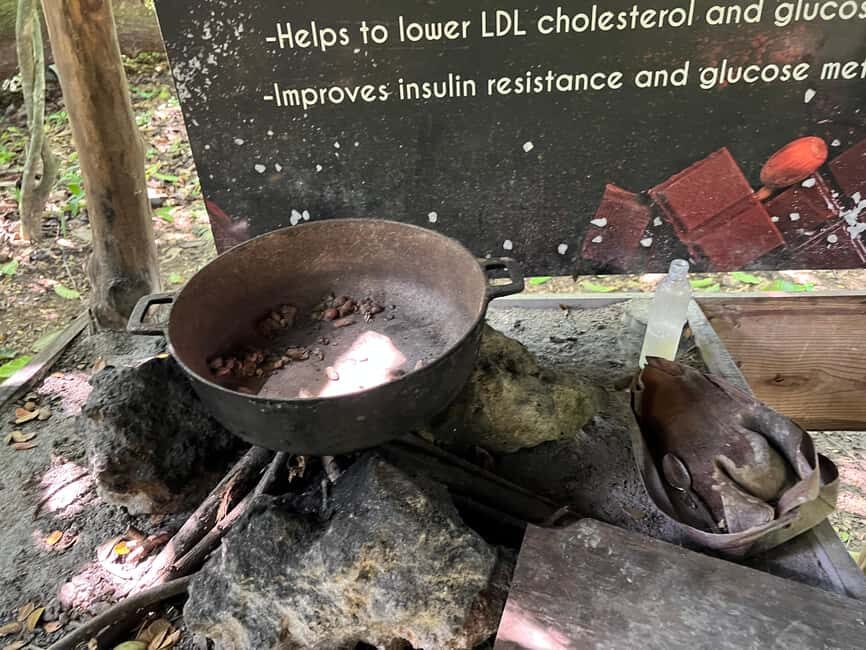
This works best if you want a grounded, food-focused cultural stop. If you care about where coffee and chocolate come from—and you enjoy learning in an outdoor setting—you’ll likely have a great time.
It may not be ideal if:
- you need step-free routes or have mobility limitations (not suitable for wheelchair users)
- you have back issues that make uneven ground hard
- you’re pregnant (listed as not suitable)
If you’re traveling with kids, the info you have doesn’t confirm kid-friendliness. You can still consider it, but you’d want to judge the walking and heat factor.
If you’re a language-specific traveler, the tour operates in Spanish, English, or French. That’s a plus, but I’d still treat language matching as something worth confirming before you go.
Should you book this Punta Cana coffee, chocolate, and sugar cane tour?
I’d book it if you’re looking for three things: a real taste of Dominican agriculture, time with coffee (not just a sample), and a farm-to-table cultural stop with lunch included. The combination of coffee tasting, cacao context, sugar cane variety, and the typical house visit gives you a fuller picture than most quick attraction-style tours.
I would hesitate if you’re extremely time-sensitive or you only want the exact “3-hour” schedule with zero deviation. This is a countryside experience, and timing can vary. If you’re booking around another reservation, give yourself breathing room.
If you go in with the right expectations—comfortable shoes, water, sun protection, and a curiosity about how crops become everyday treats—this can be one of the more memorable “beyond the resort” days in Punta Cana.
FAQ
How long is the Punta Cana coffee, chocolate and sugar cane tour?
It’s listed as 3 hours. The schedule can vary day to day, so it’s smart to keep some flexibility.
What’s included in the price?
The tour includes a guided plantation tour, hands-on experience, coffee tasting, visits to a chocolate hut and a sugar cane hut, cultural insights, lunch, and transportation from and to your hotel.
What language is the tour guide available in?
The tour guide is available in Spanish, English, and French.
What should I bring for the tour?
Bring comfortable shoes, a sun hat, camera, sunscreen, water, insect repellent, and cash.
Is lunch included?
Yes. The tour includes a delicious Dominican Lunch.
Are alcoholic drinks included?
No. Alcoholic drinks are not included.
Can I bring souvenirs home?
You can buy souvenirs, but souvenirs are not included. The tour also notes that you may want cash for locally made coffee to take home.
Is the tour accessible for wheelchair users or people with mobility issues?
No. It’s listed as not suitable for wheelchair users, and it’s also not suitable for people with mobility impairments or back problems. It’s also not suitable for pregnant women.