REVIEW · PUNTA CANA
Discover Dominican life
Book on Viator →Operated by Concept Tours Punta Cana - Private Day Tours · Bookable on Viator
Forget the tourist route.
This Punta Cana experience is built around real Dominican crafts and food—not just driving past them. You’ll get hands-on time with coconut oil, coffee, and cocoa production in Anamuya, plus a chance to roll your own cigar during the artisanal stop. One thing to consider: the school visit can hit you emotionally, and the day is active in warm weather, so go prepared.
I like that the day runs at a small-group pace with pickup and an air-conditioned vehicle, so you’re not stuck on a long cattle-truck schedule. You also get a typical Dominican lunch with drinks, plus coffee/tea to keep you going. If you’re after beaches-only, this may feel like a full-on culture day.
In This Review
- Key things to know before you go
- Why this Punta Cana day trip feels like Dominican life (not a checklist)
- Getting there: pickup, timing, and how to plan your day
- Anamuya: coconut oil, coffee, cocoa, and the cigar workshop
- The school donation stop: thoughtful, emotional, and worth your patience
- Lunch, coffee, and drinks: what you’re actually buying for $115
- Guides and group size: why small numbers change the experience
- Where this fits best (and where it might not)
- Should you book Dominican life in Punta Cana?
- FAQ
- What does the tour include?
- How long is the Dominican life tour?
- What time does the tour start?
- How big is the group?
- Can I roll a cigar during the visit?
- Is there free cancellation?
Key things to know before you go
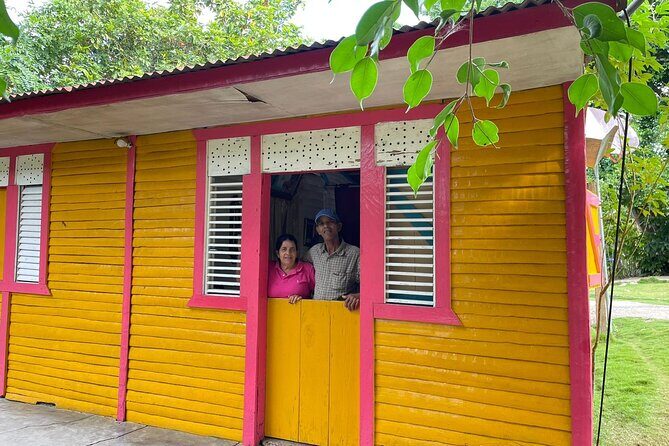
- Anamuya is the star stop: artisanal coconut oil, coffee, and cocoa production with tasting time
- You can roll a cigar: a hands-on workshop moment, not just watching
- School visit with donations: you’ll see how local giving works up close
- Lunch plus drinks included: you won’t have to hunt for food mid-day
- Small group size (max 15): easier conversations and less waiting around
Why this Punta Cana day trip feels like Dominican life (not a checklist)
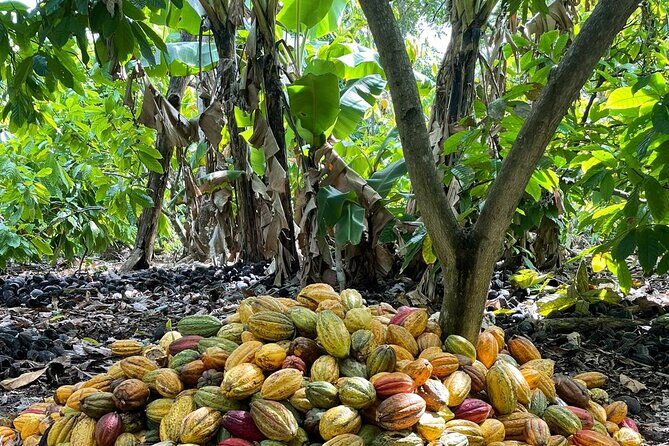
This tour is designed around everyday Dominican work and tastes. In Anamuya, you’re in the real production world: coconut oil, coffee, and cocoa aren’t just names on a brochure. You’ll learn how these products are made locally, then taste what you just saw.
What I like best is the mix of senses. You’re not only learning—you’re tasting, smelling, and doing. That makes the day easier to remember than the usual “photo-stop parade.”
And yes, you’ll likely get a few surprises beyond the factory moment. Some people mention route-time glimpses of market life and street scenes, and even a basilica cathedral stop showing up on certain days. Treat those as bonus context, not the core plan.
You can also read our reviews of more tours and experiences in Punta Cana.

Getting there: pickup, timing, and how to plan your day
The experience runs about 9 hours and starts at 8:00 am. In practice, plan for an early departure—some days seem to get moving closer to 9:00 am based on guest timing notes, but you’re still looking at a morning start.
You have options that make it easier on your schedule:
- Pickup is offered
- An air-conditioned vehicle handles the driving
- A mobile ticket is used
- Confirmation happens at booking
This matters because Punta Cana can be long-drive country. A guided day like this keeps you focused on what you came for: a small set of meaningful stops, not random hopping.
For your own comfort, wear breathable clothes and expect you’ll walk in heat. One guest put it plainly: plan for sweating. That’s not a bad thing, just a heads-up.
Anamuya: coconut oil, coffee, cocoa, and the cigar workshop
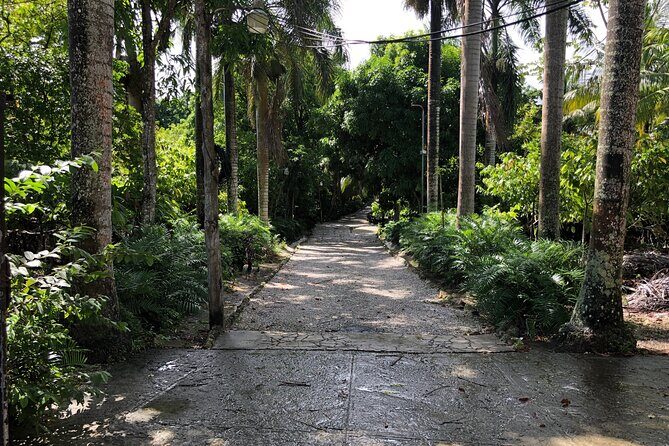
Stop 1 is Anamuya, and it’s structured for “learn + taste + try.” You’ll discover artisanal production of:
- coconut oil
- coffee
- cocoa
This is where the day earns its keep. Coconut isn’t just coconut here—you see how it gets processed and turned into a product. Coffee and cocoa get the same treatment: you’re shown the pathway from raw ingredient to final use.
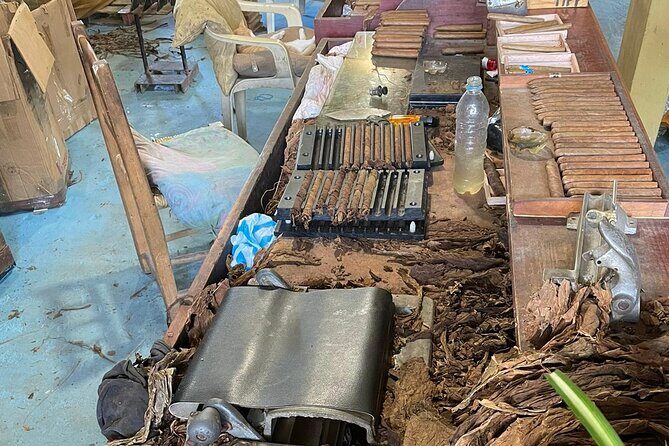
Then comes the most memorable hands-on moment: you can roll your own cigar. It’s the kind of activity that makes you feel connected to the craft, not like a spectator. Even if you’ve never done it before, you’ll likely follow along step-by-step and take away that “I actually did this” feeling.
One practical note: this is an active stop. Don’t schedule anything heavy for the rest of the day afterward. You’ll be tired in a good way, like you worked for your souvenirs.
The school donation stop: thoughtful, emotional, and worth your patience
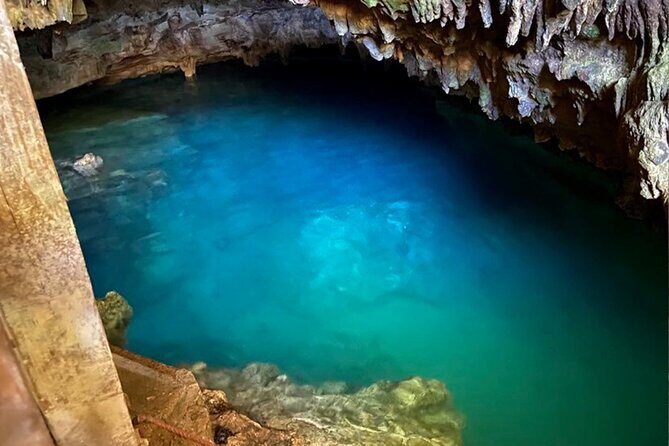
The tour also includes a visit to an atypical school, with distribution of donations. This is not just a building photo moment. It’s a community-giving part of the day, tied to the local support system behind the scenes.
That’s meaningful for a few reasons:
- You see the human side of why these craft visits matter locally
- You witness how visitors can support beyond buying products
- You get context that doesn’t show up in typical tourist shopping
Still, I’ll flag one consideration. One guest mentioned that the school visit may feel disruptive, because groups come through and kids can be pulled into the visit routine. If you’re sensitive to that kind of situation, go in with extra kindness and keep your expectations grounded. The right attitude helps a lot: be calm, be respectful, and keep interactions brief and warm.
If you want a “fun factory day” only, this part may change the tone. If you can handle a more serious moment, it adds real depth.
Lunch, coffee, and drinks: what you’re actually buying for $115
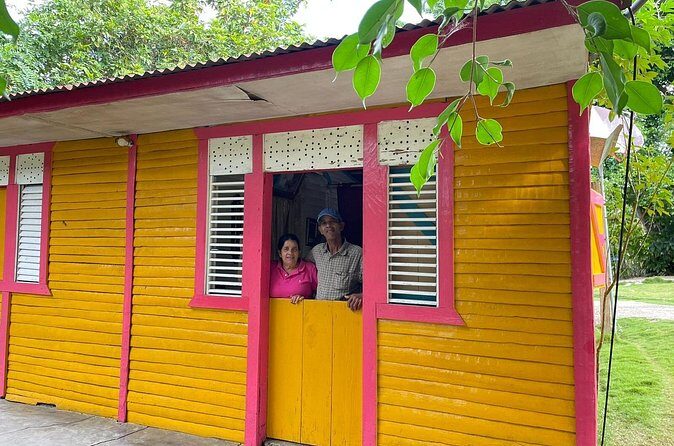
At $115 per person, the value is strongest because several costs are handled for you. The day includes:
- lunch with a typical Dominican meal and drinks
- coffee and/or tea
- transport in an air-conditioned vehicle
That turns the price from “just a guide” into “a packaged day.” Many Punta Cana excursions look similar on paper, but the ones that include a proper meal and local drink stop often feel like better deals because you’re not constantly spending extra during the tour.
Also, food here isn’t an afterthought. The entire experience leans into local production and local tasting, so lunch fits the theme. You’ll likely feel like you ate in context, not just between activities.
If you’re trying to budget, this is an advantage: you can plan around one set price instead of juggling taxis, snacks, and admission fees.



Guides and group size: why small numbers change the experience
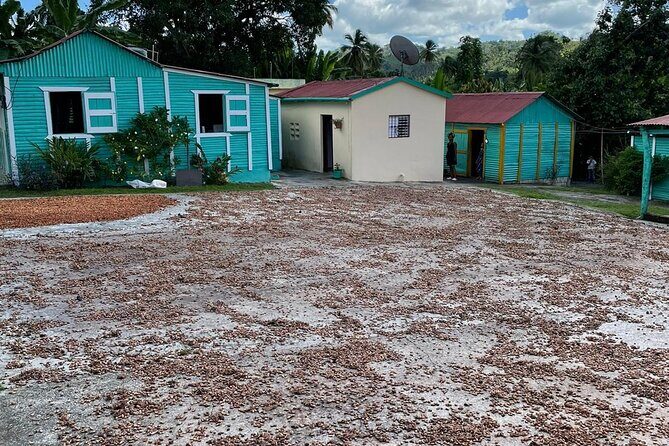
The tour runs with a maximum of 15 travelers. That small-group cap is a big deal in practice. With fewer people, you get more time for questions, and the day doesn’t feel like a constant “move along, next van” push.
The guide experience also shows up clearly in guest notes. Names like Jeremy, Freddy, and Heloise appear tied to this program, and at least one booking involved an English interpreter joining along for language support. In other words, you’re not just handed a local driver and a playlist.
This kind of team approach matters because the craft stop is better with real explanations. Even when you can see what’s happening, understanding the “why” makes the tastings and cigar-rolling feel more intentional.
If you like your tours to feel personal and paced, small-group guiding is one of the best reasons to choose this over larger group trips.
Where this fits best (and where it might not)
This is a strong match if you want:
- a culture-focused day that stays away from pure tourist circuits
- hands-on food and craft moments (especially coconut oil, coffee, cocoa, and cigar rolling)
- a small-group day with real conversations
It’s also a decent pick if you’re the type who enjoys marketplaces, street life, and local institutions. Some people describe the route including market and city scenes, so you’re not only stuck in one facility.
But think twice if:
- you want a relaxed, beach-first day
- you’re uncomfortable with school-related stops that can feel emotionally complicated
- you hate warm-weather walking and active touring
Also, while the tour says most travelers can participate, it’s still a full day with multiple parts. If you have mobility challenges, you’ll want to judge your comfort level with walking and time spent at production stops.
Should you book Dominican life in Punta Cana?
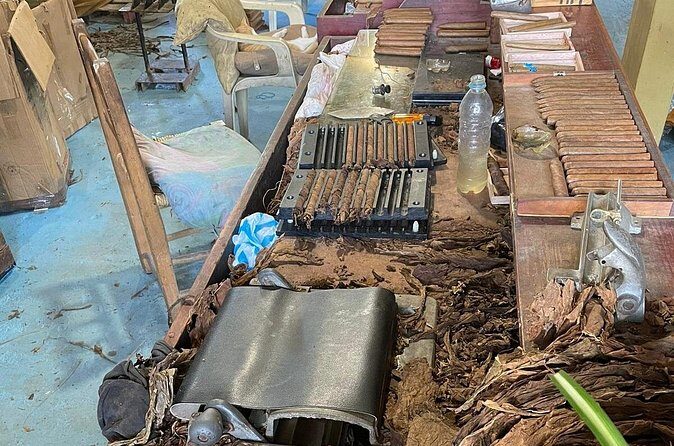
Yes—if your goal is to understand daily life through food, craft, and local giving. The strongest reason is the combination: Anamuya production + tasting + the cigar workshop, then lunch and drinks, then the school donation component. That set of pieces gives the day a point of view.
I’d skip it only if you’re strictly chasing resort downtime or you want a purely light, entertainment-only schedule. The school visit adds weight, and the day is active in warm weather.
If you want one day that feels different from your usual Punta Cana routine, this is a solid bet.
FAQ
What does the tour include?
The experience includes a typical Dominican lunch with drinks, an air-conditioned vehicle, and coffee and/or tea. Pickup is offered, and you’ll visit Anamuya for local product production and tasting, plus a school donation stop.
How long is the Dominican life tour?
It runs for about 9 hours.
What time does the tour start?
The start time is 8:00 am.
How big is the group?
The tour/activity has a maximum of 15 travelers.
Can I roll a cigar during the visit?
Yes. During the artisanal factory visit in Anamuya, you can roll your own cigar.
Is there free cancellation?
Yes. You can cancel up to 24 hours in advance for a full refund. If you cancel less than 24 hours before the start time, the amount you paid won’t be refunded.