REVIEW · SCUBA DIVING
3 Days Open Water Diving Course in Punta Cana
Book on Viator →Operated by Grand Bay Of The Sea · Bookable on Viator
Learning scuba in Punta Cana is refreshingly practical. This 3-day PADI Open Water course is built to move you from calm classroom study to real checkouts in crystal-clear water, with unforgettable underwater variety including reef scenery and a stop at the Monica wreck. I especially like the small group size (max 8), and the way instructors keep things structured but personal as you practice core skills.
The main thing to consider is that you’ll need to complete a medical questionnaire, and the training also depends on good weather. Also, your training is capped at 18 meters / 60 feet, so you’ll stay within the safe beginner range rather than chasing deeper thrills.
In This Review
- Key highlights I’d plan around
- Punta Cana training: what this 3-day PADI Open Water really does for you
- Day 1: online theory that prepares you for safety (not just memorizing)
- Day 2: confined-water skills that build real confidence
- Days 2–3: four open-water descents in Punta Cana (reef + the Monica wreck)
- Instructors and small group size: why it feels personal in the water
- Getting ready: gear, physical fit, and the medical questionnaire
- Price and value in Punta Cana: is $490 a fair deal?
- When conditions shift: weather matters for your schedule
- Who should book this course (and who should pause)
- Should you book with Grand Bay Of The Sea?
- FAQ
- What is included in the 3-day course?
- How deep will I train during this course?
- Is pickup available?
- How large are the groups?
- Do I need a medical questionnaire?
- What are the hours when this runs?
- Does the course include a shipwreck?
- What if the weather is bad?
- Is there free cancellation?
Key highlights I’d plan around
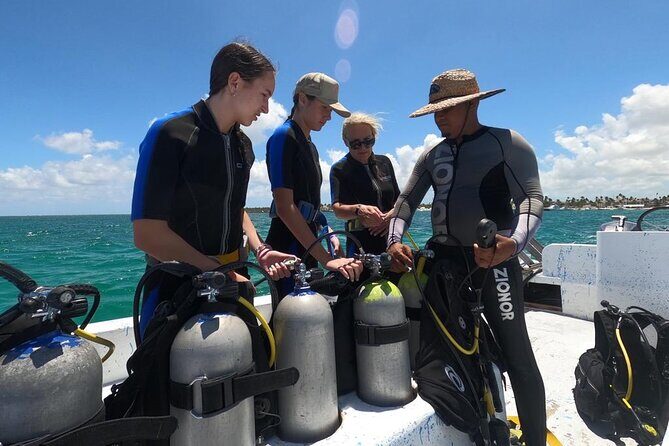
- A PADI Open Water format: online theory, confined-water skill work, then four open-water checkouts
- Real underwater variety: reef habitat plus a visit to the Monica wreck
- Max 8 students: more time with the instructor, less time waiting around
- Pickup available: makes the schedule easier when you’re in Punta Cana
- Clear depth limit: max 18m / 60ft keeps the course focused and beginner-safe
Punta Cana training: what this 3-day PADI Open Water really does for you
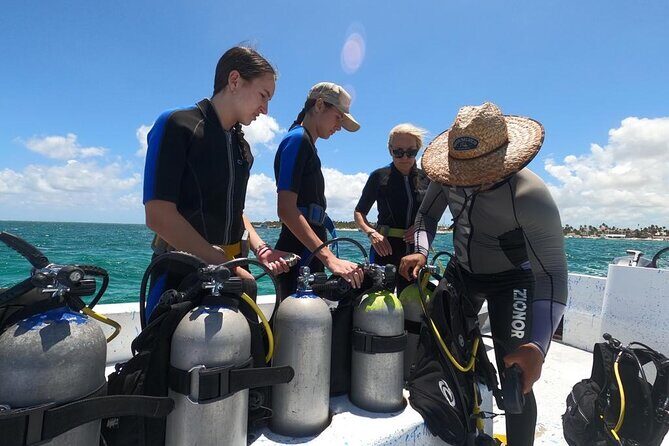
This course isn’t just about seeing fish. It’s about learning how scuba works, then proving you can use the system safely when you’re out of your comfort zone. In Punta Cana, that matters because you’ll go from reading and watching, to controlling your breathing, buoyancy, and equipment in a controlled setup, and then applying it in open water.
You also get a clear progression: first the mental pieces (the why), then the muscle memory (the how), then the checkouts (the can you do it). That structure is exactly what helps first-timers feel capable instead of overwhelmed.
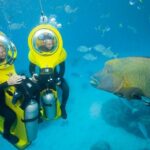
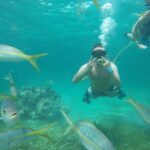
And yes, you do get memorable scenery. The course includes both reef areas with coral and tropical fish and a shipwreck experience at the Monica wreck, which is the kind of underwater contrast you remember long after the certificate.
You can also read our reviews of more scuba diving tours in Punta Cana
Day 1: online theory that prepares you for safety (not just memorizing)
The training starts with online dive theory—though you’ll probably think of it more as scuba fundamentals: how equipment functions, how safety procedures work, and how underwater conditions affect what you do. The goal isn’t to bury you in jargon. It’s to make sure you understand the rules you must follow so you can enjoy the water without second-guessing every breath.
Here’s what I’d do before you start, so day one feels easier:
- Read the course material at a calm pace, not right before you sleep.
- Pay attention to equipment usage and safety procedures, because those show up again during the confined-water practice.
- Keep your questions ready for your instructor. If something feels unclear in the theory, it usually becomes a confidence issue later.
You’ll also have a medical questionnaire step before you go. That’s not paperwork for paperwork’s sake. It’s there to make sure scuba training is appropriate for you.
Day 2: confined-water skills that build real confidence
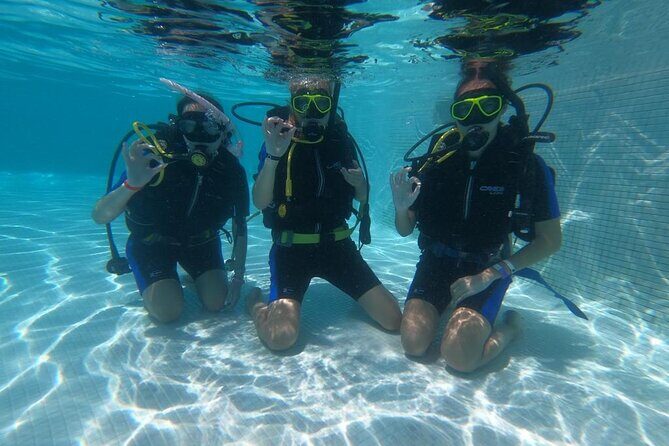
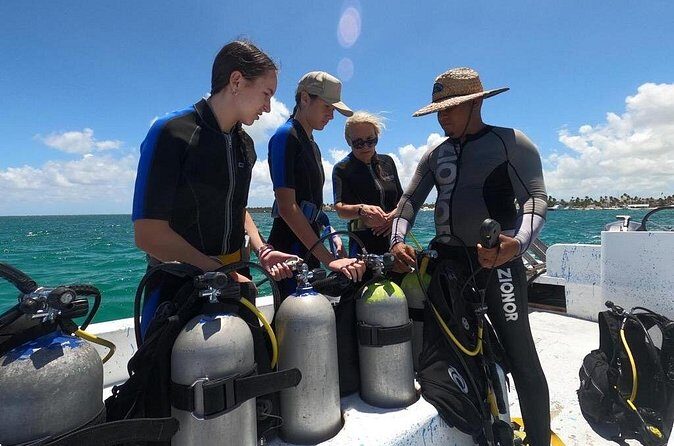
After the theory, you move into confined water sessions—typically in a pool area—where you’ll practice the core skills you need to manage your breathing, your buoyancy, and your gear calmly. This is the part I like most for first-timers, because it removes the pressure of waves, distance, and complicated underwater navigation.
Confined water is where you can get comfortable with the flow of the process:
- You learn how your equipment feels and responds.
- You practice key techniques until they become routine.
- You get instructor feedback in real time, so mistakes don’t turn into habits.
This is where support really matters. Based on what people praise about this shop’s team, instructors like Kelvin (and the management support from Franklin) are known for going step-by-step and making sure you understand what you’re doing and why you’re doing it. That teaching style is especially helpful in a pool setting because you can adjust quickly while conditions are controlled.
Days 2–3: four open-water descents in Punta Cana (reef + the Monica wreck)
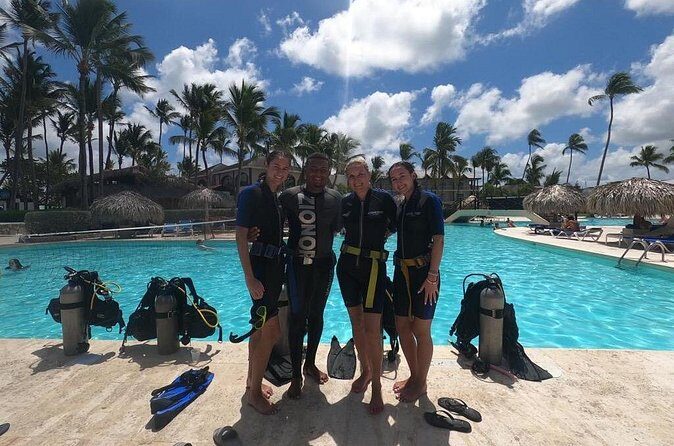
Once you’ve built the basics, it’s time for the four open-water checkouts, with a maximum depth of 18 meters / 60 feet. You should think of these outings as practical tests of readiness: you’ll apply what you practiced, and your instructor will guide you while you get used to real conditions.
Two of the biggest attractions here are the scenery types:
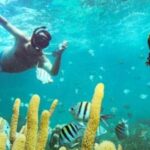
- Reef areas: coral and tropical fish life you can observe while staying within beginner depths.
- Shipwreck experience: the Monica wreck adds texture and contrast to the trip, because wrecks often change how you move, how you look, and what you notice.
One practical note: even if you feel excited, keep your focus on skills first. The beauty is the reward—but safety is the system. When you’re stable with buoyancy and breathing, the underwater world becomes easier to enjoy.
Also, because this is a beginner course, you’ll likely spend the most energy on staying relaxed. If you do that, the underwater scenery becomes a lot more than background. It becomes the reason you’ll want to plan another training step after you finish.
Instructors and small group size: why it feels personal in the water
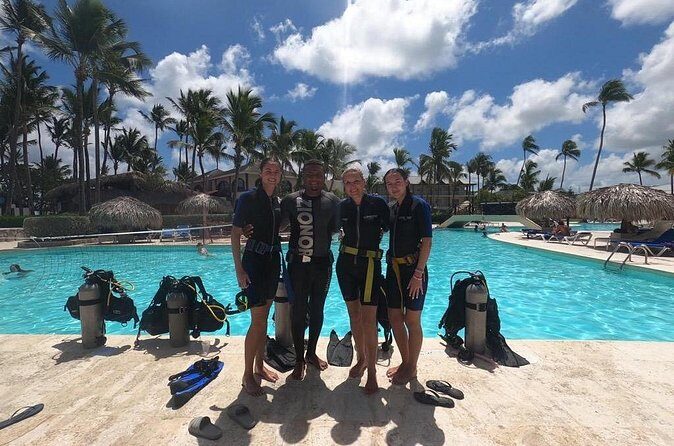
This course caps the group at 8 travelers, which is a big deal for learning. Smaller groups usually mean less waiting and more direct attention. In practice, that often translates into: quicker feedback, more chances to get corrections, and less time feeling like you’re just part of a crowd.
What stands out from the kind of instruction people talk about is the combination of patience and clarity. Names that come up include Kelvin as an instructor, with Franklin as a manager, plus instructors such as Gilberto and George. The theme is consistent: people describe being supported throughout, and being taught thoroughly enough that first-timers can keep up.
If you’re the type who learns better when you can ask questions and slow things down, this is the setup you want. Punta Cana is fun, but the course value comes from how comfortable you feel while learning.



Getting ready: gear, physical fit, and the medical questionnaire
The course requires a medical questionnaire for a safe diving experience. Don’t treat that as a formality. If you have any health concerns, you’ll want to handle this step honestly and early, so there are no surprises right before your start date.
In addition, the course is listed for travelers with moderate physical fitness. That doesn’t mean you need to be an athlete, but it does suggest you should be comfortable enough for tasks like:
- getting in and out of the water,
- staying calm while learning new movements,
- following instructions without feeling totally drained.
If you’re nervous about fitness, one good strategy is to approach the confined-water practice as your confidence foundation. You’ll spend time building comfort and control before open water checkouts.
As for gear: the specific gear list isn’t spelled out here, so I recommend confirming what’s included when you book. In many scuba trainings, equipment handling is part of the instruction, but you don’t want to assume.
Price and value in Punta Cana: is $490 a fair deal?
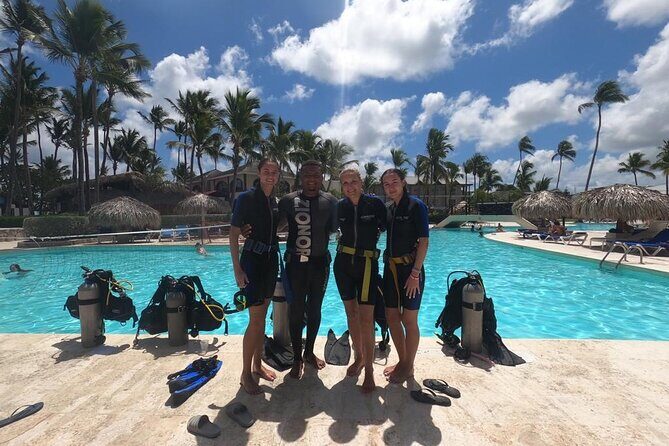
At $490 per person for a 3-day PADI Open Water course, the value depends on what you care about most: structure, instructor attention, and the included training days.
Here’s what you are getting for your money, based on the course info:
- online theory
- confined-water practice sessions
- 4 open-water checkouts
- max depth of 18m / 60ft
- experienced PADI instructors
- pickup offered
- small group size (up to 8)
In my view, this price makes sense if you want a complete, guided pathway to certification skills rather than piecemeal excursions. The big cost in scuba training is time plus safety oversight, and you’re buying a full learning sequence, not just a scenic outing.
Also, the fact that this is booked about 64 days in advance on average suggests it’s a popular choice. If you’re traveling in peak periods or you have specific timing, you’ll likely want to lock in sooner rather than later.
When conditions shift: weather matters for your schedule
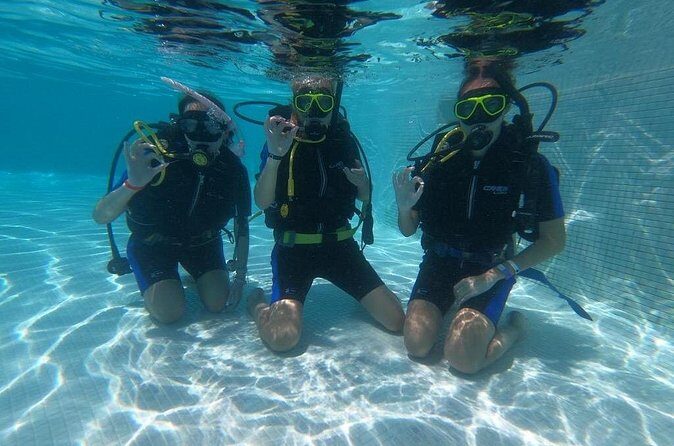
This experience requires good weather. That means your exact timing may depend on conditions, and your plan should stay flexible if you’re traveling during breezy or rainy days.
The upside? Weather-linked changes often happen because safety comes first. If visibility or water conditions aren’t right, you’d rather reschedule than force a session.
If your trip is tightly planned, I recommend building in some slack on your Punta Cana days so you can handle a potential shift without stress.
Who should book this course (and who should pause)
This is a great fit if:
- you’re new to scuba and want a structured path to certification-level skills,
- you prefer a small group with more personal instruction,
- you want Punta Cana scenery that includes both reef life and the Monica wreck.
You might pause if:
- you’re dealing with health considerations that could affect scuba clearance and you’re not ready to complete the medical questionnaire,
- you have mobility limits that make water entry and equipment handling difficult,
- you can’t be flexible with weather-related changes.
If you’re unsure, think about your goal. If your goal is to learn how to scuba safely and comfortably, this format is designed for that. If your goal is only sightseeing with zero learning focus, you may find a shorter, purely recreational option better suited.
Should you book with Grand Bay Of The Sea?
I’d book this course if you want a legit learning sequence in Punta Cana, with instructor support that first-timers can rely on. The combination of online theory, pool practice, and four open-water checkouts keeps you moving forward without skipping the fundamentals. Add the reef + Monica wreck contrast, and you get both education and memorable underwater moments.
I’d think twice if you hate uncertainty from weather dependencies or you’re not comfortable meeting the medical and moderate fitness expectations. In that case, you might still enjoy scuba later—just not as a course that needs a calm, consistent training environment.
If you’re on the fence, the best next step is to confirm what’s included (especially equipment details) and make sure your medical questionnaire is ready well before you arrive. That’s how you start the course feeling prepared instead of anxious.
FAQ
What is included in the 3-day course?
The course includes online dive theory, confined water swimming pool sessions, and 4 open water checkouts, with training guided by PADI instructors.
How deep will I train during this course?
You’ll train to a maximum of 18 meters / 60 feet.
Is pickup available?
Yes, pickup is offered.
How large are the groups?
The experience has a maximum of 8 travelers.
Do I need a medical questionnaire?
Yes. A medical questionnaire applies to ensure a safe diving experience.
What are the hours when this runs?
The listed opening hours are Monday to Saturday, 8:30 AM to 5:00 PM.
Does the course include a shipwreck?
Yes. The training includes an outing associated with the Monica wreck, along with reef diving.
What if the weather is bad?
The experience requires good weather. If it’s canceled due to poor weather, you’ll be offered a different date or a full refund.
Is there free cancellation?
Yes. You can cancel for a full refund up to 24 hours in advance of the experience start time.